Sample Letter Release Contract With Supplier Uk In Utah
Description

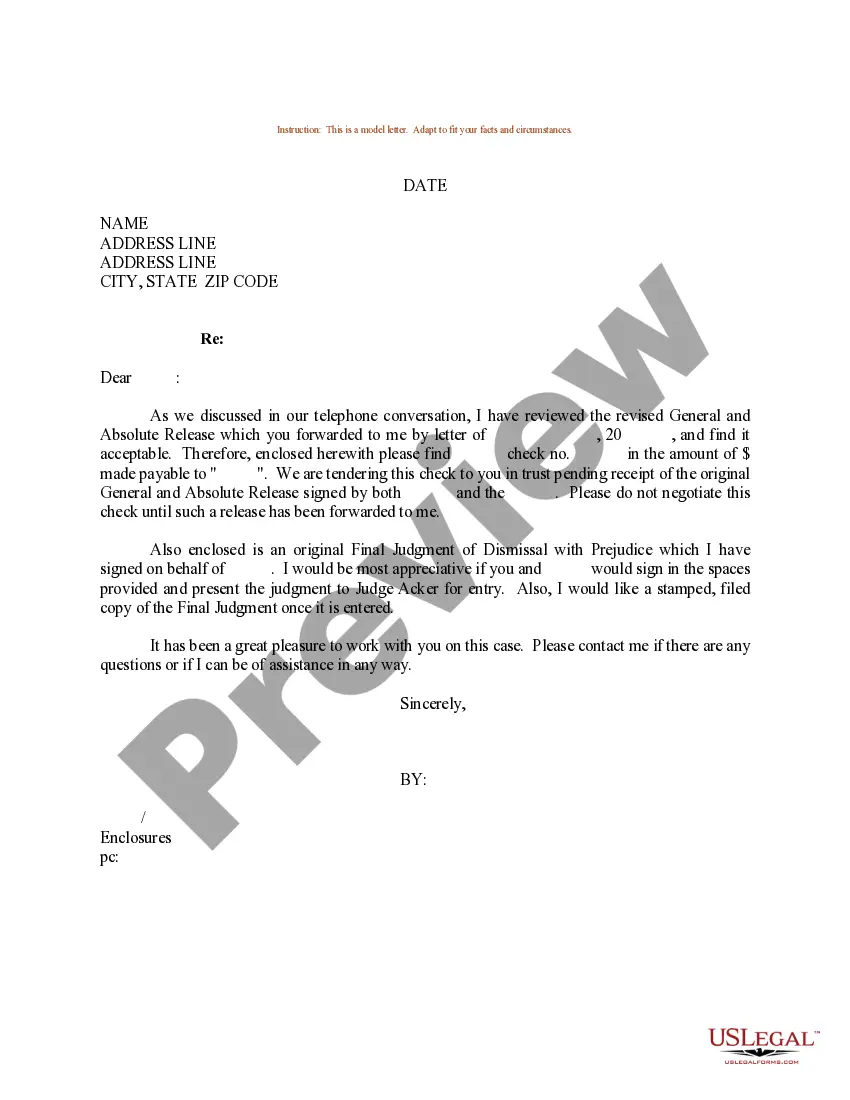
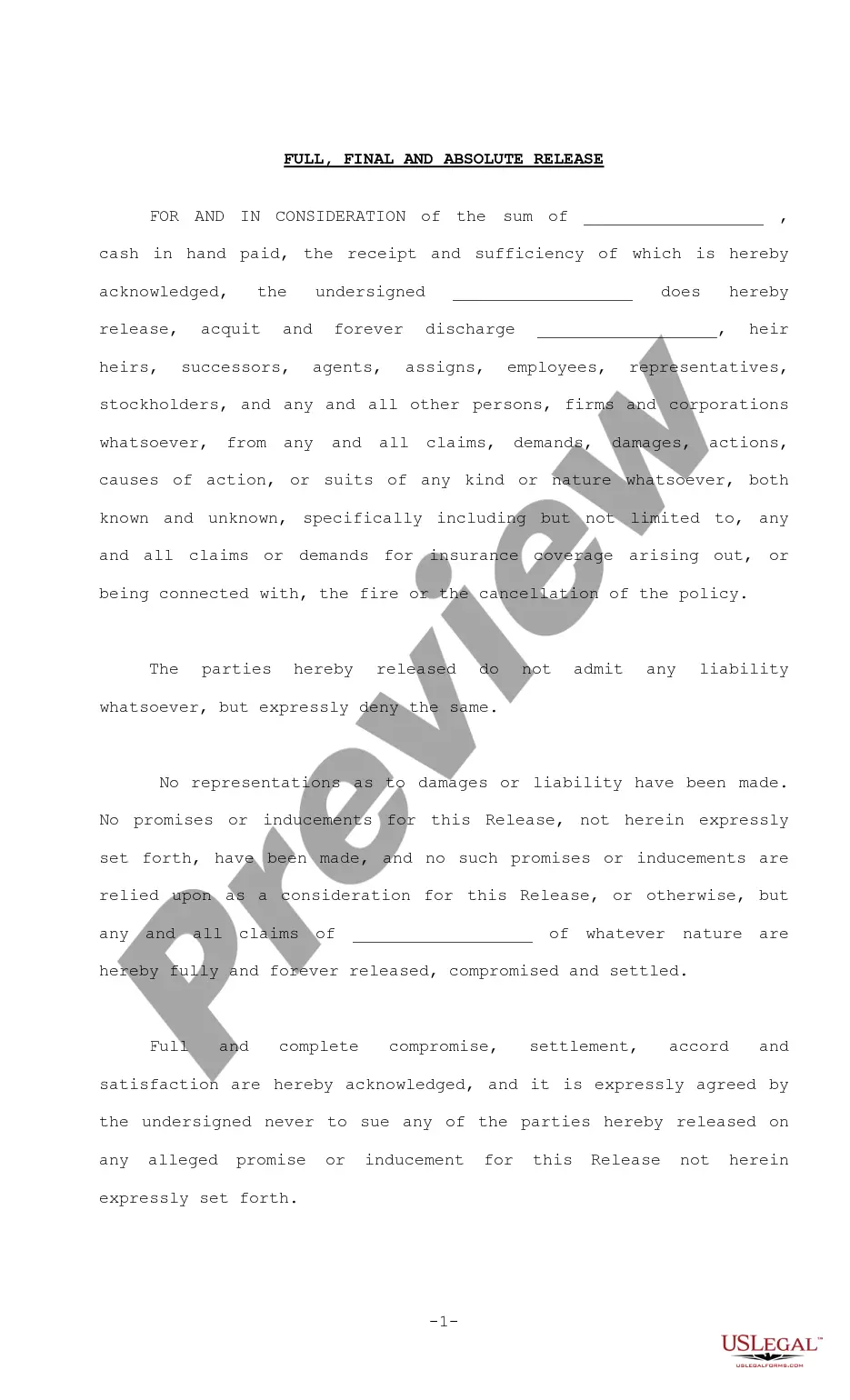
Get your form ready online
Our built-in tools help you complete, sign, share, and store your documents in one place.
Make edits, fill in missing information, and update formatting in US Legal Forms—just like you would in MS Word.
Download a copy, print it, send it by email, or mail it via USPS—whatever works best for your next step.
Sign and collect signatures with our SignNow integration. Send to multiple recipients, set reminders, and more. Go Premium to unlock E-Sign.
If this form requires notarization, complete it online through a secure video call—no need to meet a notary in person or wait for an appointment.
We protect your documents and personal data by following strict security and privacy standards.

Make edits, fill in missing information, and update formatting in US Legal Forms—just like you would in MS Word.

Download a copy, print it, send it by email, or mail it via USPS—whatever works best for your next step.

Sign and collect signatures with our SignNow integration. Send to multiple recipients, set reminders, and more. Go Premium to unlock E-Sign.

If this form requires notarization, complete it online through a secure video call—no need to meet a notary in person or wait for an appointment.

We protect your documents and personal data by following strict security and privacy standards.
Looking for another form?
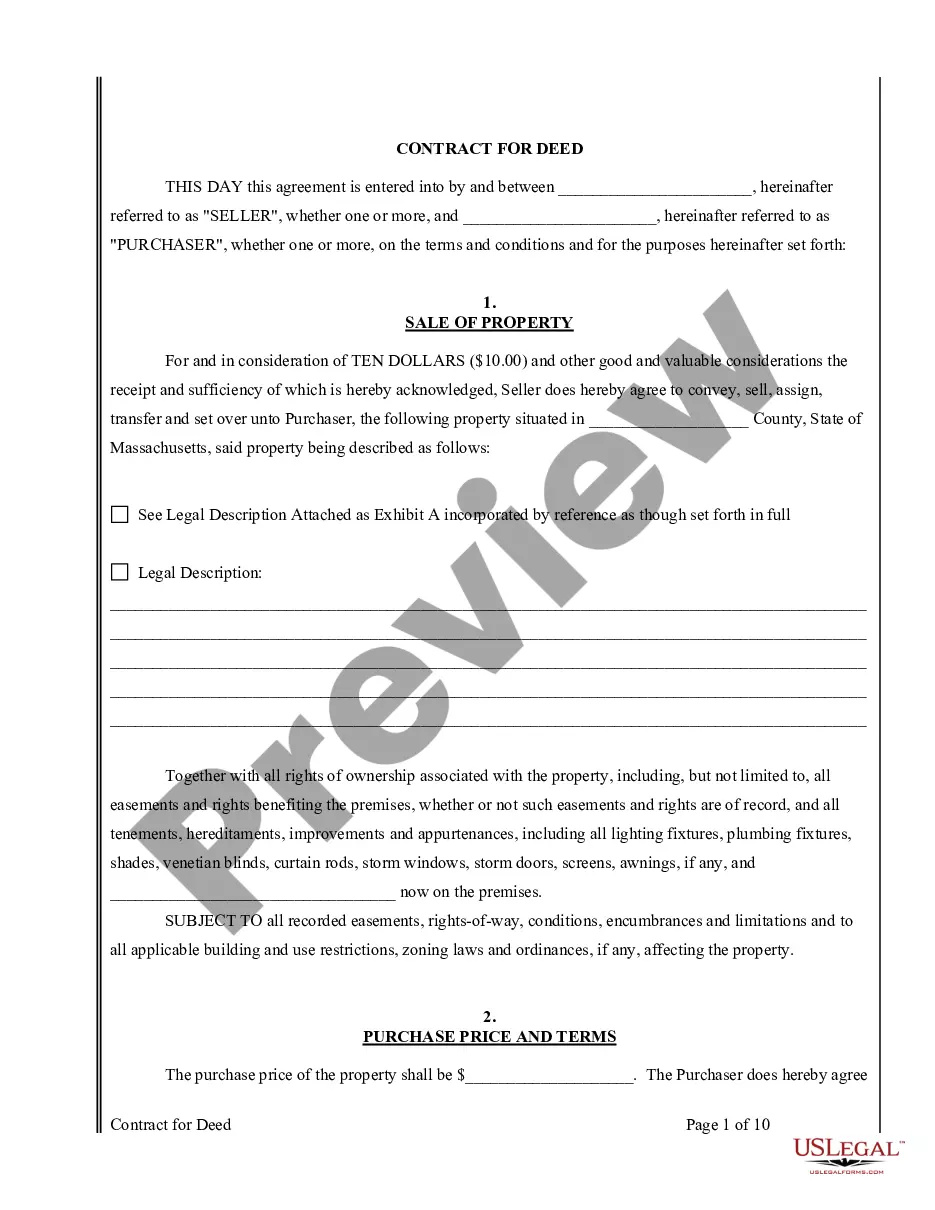
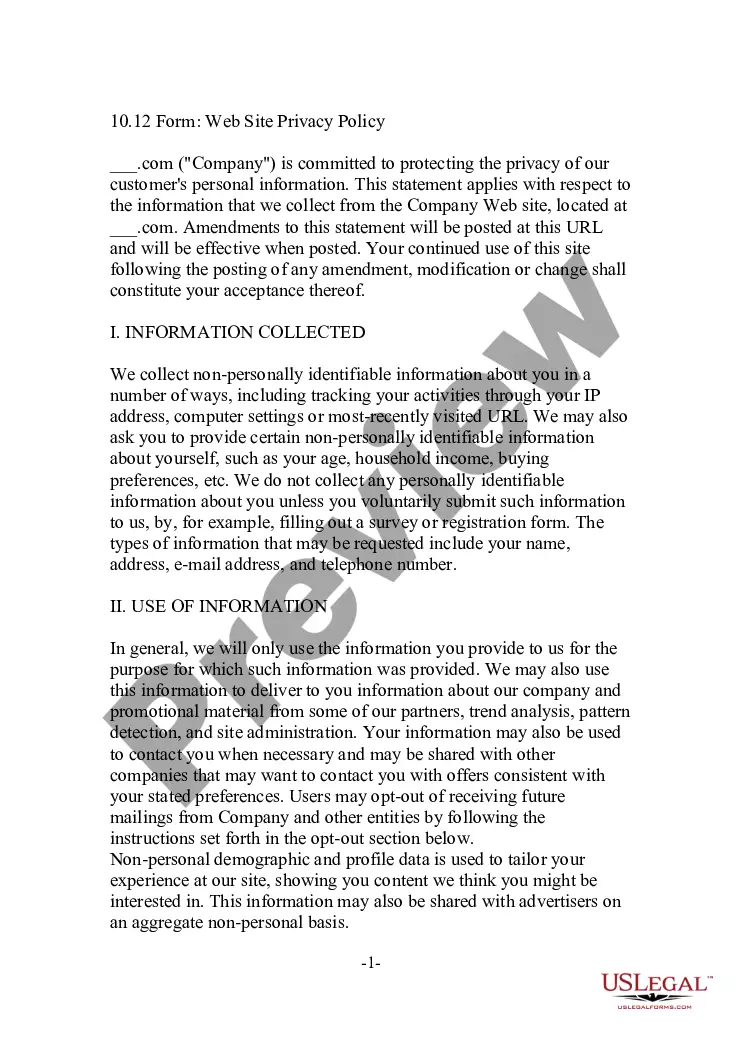


Form popularity
FAQ
Tips for Writing an Effective Termination of Contract Letter Be Clear and Direct: Clearly state the reason for termination and the effective date. Avoid ambiguity to prevent misunderstandings. Maintain Professional Tone: Regardless of the circumstances, use a respectful and professional tone.
The most professional, polite way to notify someone that a contract is ending is to do so in writing. Be direct and narrow in your word choice. Don't explain your reasoning away or give anyone the chance to use your words against you.
Party A and Party B do hereby irrevocably and unconditionally release, cancel, and forever discharge the other Party and its directors, officers, employees, subsidiaries, affiliates, agents, and representatives from any and all claims, complaints, causes of action, demands, damages, obligations, liabilities, losses, ...
How To Write A Relieving Letter? Date of issuance. It is important to put the release date on top of the page. Employee details. Subject. Opening salutation. Employee resignation details. Assurance and appreciation. Closing salutation. Signature.
Contents Introducing the Purpose of a Mutual Release Agreement. Explaining the purpose of the agreement. Identifying any applicable laws. Understanding the Parties Involved. Delineating the parties involved. Identifying the parties' responsibilities. Defining the Scope of the Agreement.
Mutual consent The easiest answer to how to get out of a signed contract is for both parties to agree to terminate it. If both parties are on the same page, they can mutually decide to end a contract without any penalties.
Here are some essential tips for writing an effective termination of contract letter: Be Clear and Direct: Clearly state the reason for termination and the effective date. Avoid ambiguity to prevent misunderstandings. Maintain Professional Tone: Regardless of the circumstances, use a respectful and professional tone.
