Sample Letter Release Contract Without Cause In San Diego
Description

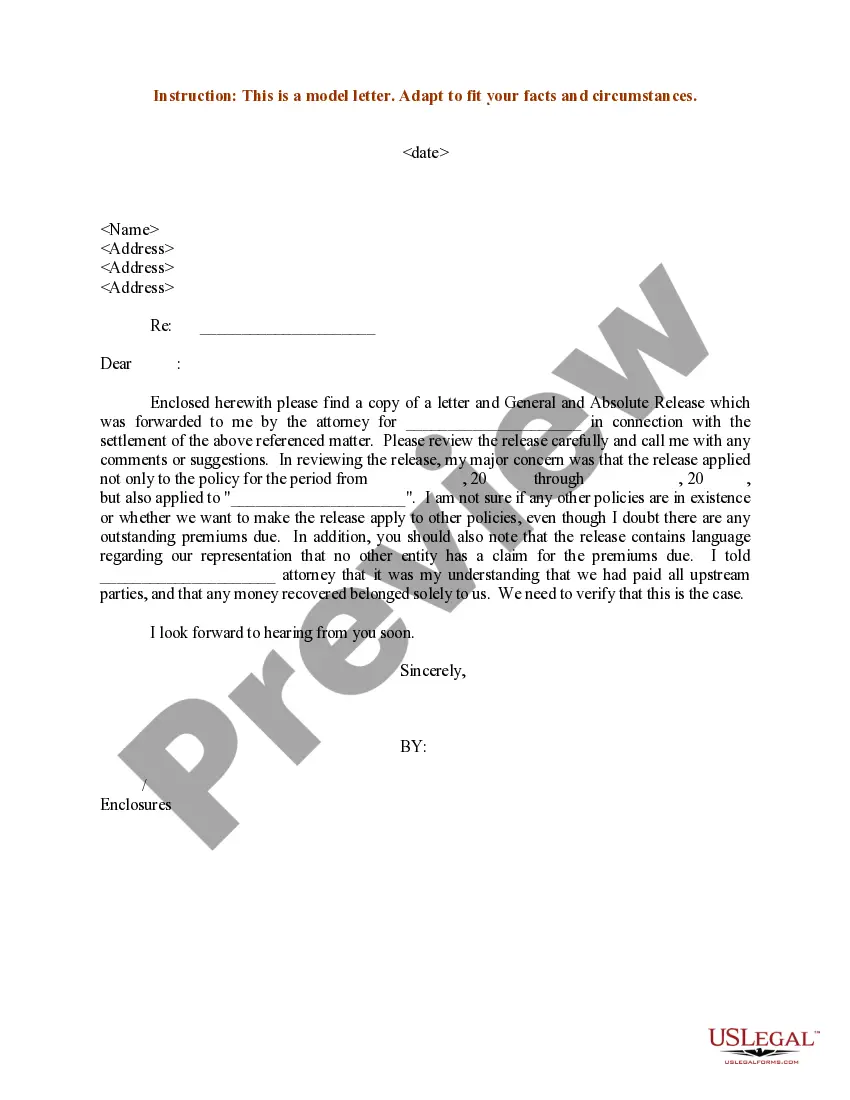
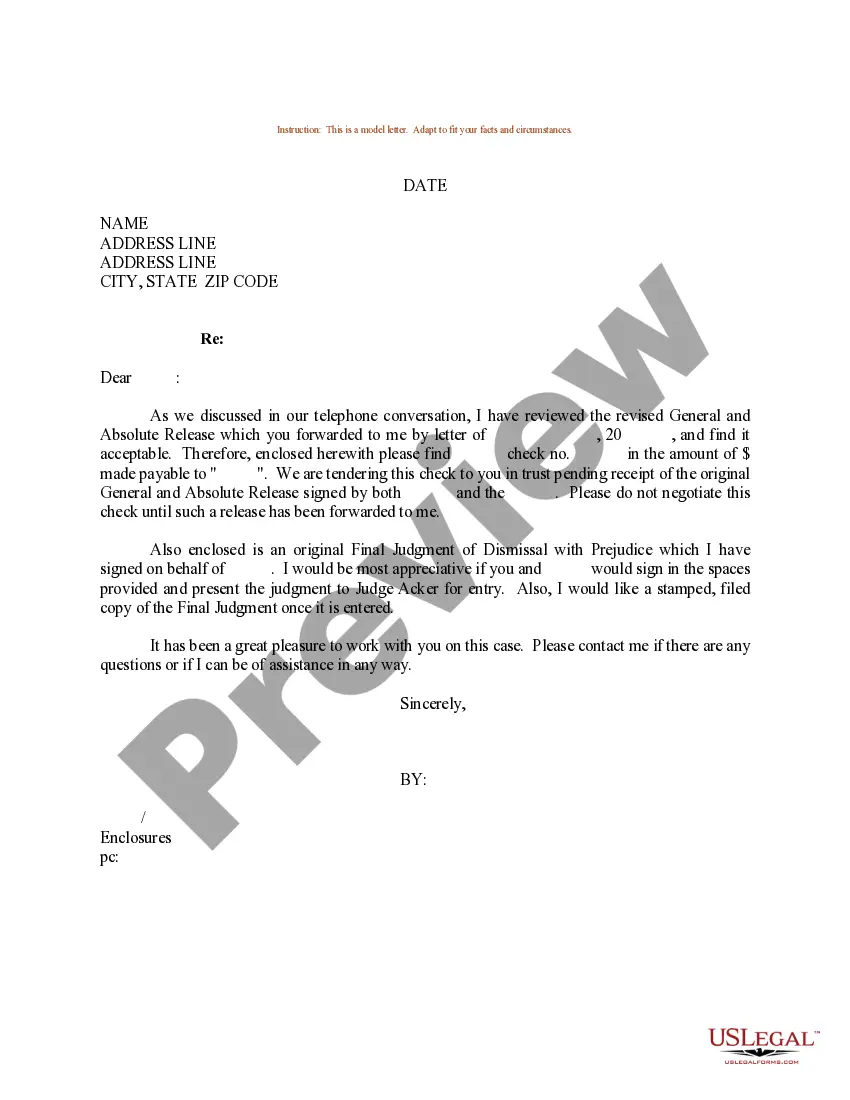
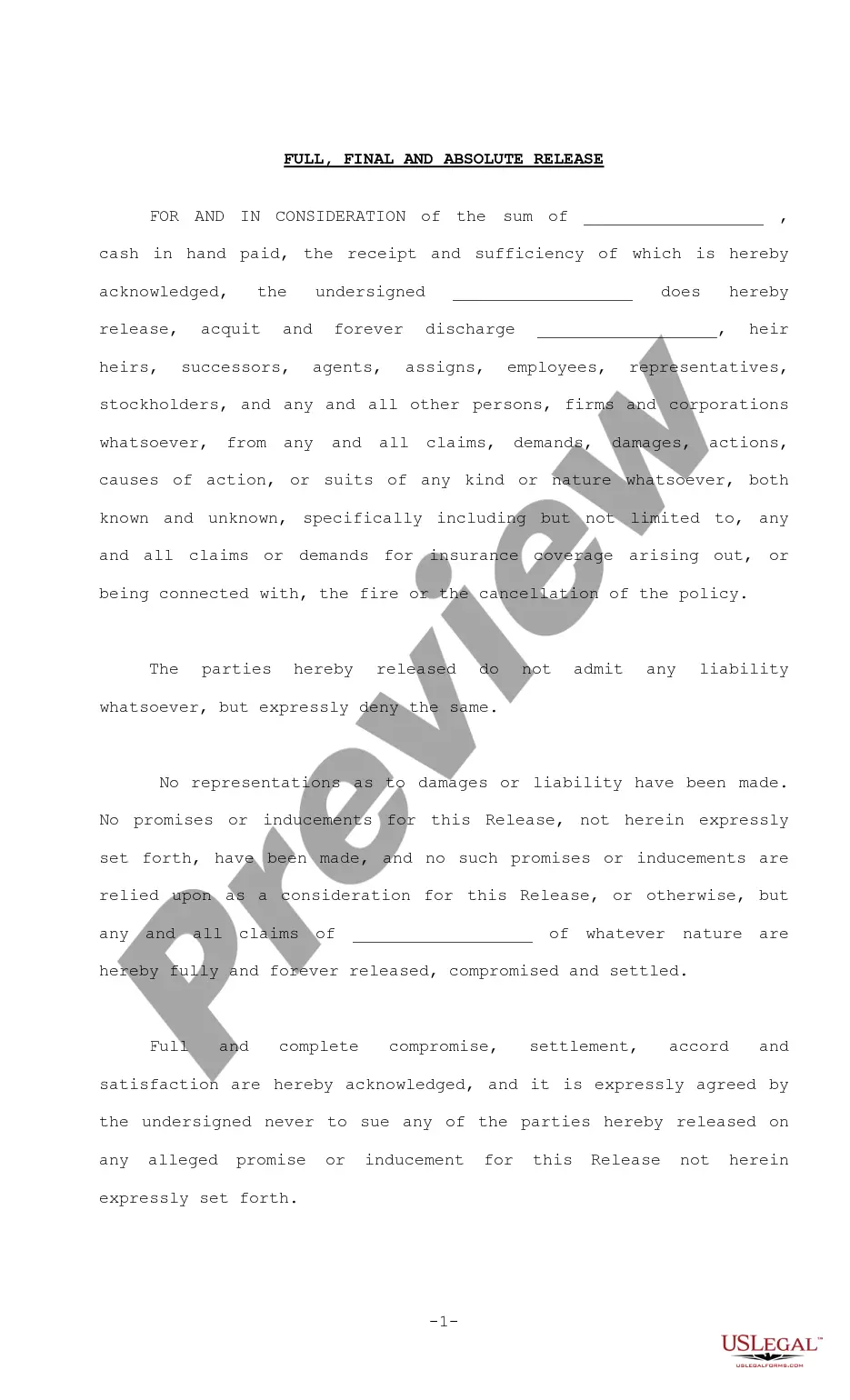
Get your form ready online
Our built-in tools help you complete, sign, share, and store your documents in one place.
Make edits, fill in missing information, and update formatting in US Legal Forms—just like you would in MS Word.
Download a copy, print it, send it by email, or mail it via USPS—whatever works best for your next step.
Sign and collect signatures with our SignNow integration. Send to multiple recipients, set reminders, and more. Go Premium to unlock E-Sign.
If this form requires notarization, complete it online through a secure video call—no need to meet a notary in person or wait for an appointment.
We protect your documents and personal data by following strict security and privacy standards.

Make edits, fill in missing information, and update formatting in US Legal Forms—just like you would in MS Word.

Download a copy, print it, send it by email, or mail it via USPS—whatever works best for your next step.

Sign and collect signatures with our SignNow integration. Send to multiple recipients, set reminders, and more. Go Premium to unlock E-Sign.

If this form requires notarization, complete it online through a secure video call—no need to meet a notary in person or wait for an appointment.

We protect your documents and personal data by following strict security and privacy standards.
Looking for another form?








Form popularity
FAQ
Draft a clear statement of the grounds for termination. The goal of providing a clear reason for termination to the employee is to eliminate any debate over whether termination is a sound business decision. Doing so may reduce the employee's concern that he or she was treated unfairly.
Comment: A termination without cause provision (also called a “termination for convenience” clause) permits one or both parties to terminate the agreement at any time after an initial contracting period.
Termination without cause occurs when an employer ends your employment for reasons unrelated to your performance or conduct. Common termination without cause examples include: Company restructuring or downsizing, Economic reasons, Role redundancy due to technological changes, and.
Comment: A termination without cause provision (also called a “termination for convenience” clause) permits one or both parties to terminate the agreement at any time after an initial contracting period.
Here are some essential tips for writing an effective termination of contract letter: Be Clear and Direct: Clearly state the reason for termination and the effective date. Avoid ambiguity to prevent misunderstandings. Maintain Professional Tone: Regardless of the circumstances, use a respectful and professional tone.
As a rule of law, unless it is excluded by the terms of the contract, a party has a right to terminate a contract where there has been: a breach of an essential term (otherwise known as a condition); a sufficiently serious breach of an intermediate term; or. a repudiation of the contract.
Check that you have a ground for termination Most contracts will include clauses about specifically when a contract will be terminated, so it should be clear whether or not you have grounds for termination. But there's also a general right to terminate a contract if a breach of contract occurs.
Party A and Party B do hereby irrevocably and unconditionally release, cancel, and forever discharge the other Party and its directors, officers, employees, subsidiaries, affiliates, agents, and representatives from any and all claims, complaints, causes of action, demands, damages, obligations, liabilities, losses, ...
Contents Introducing the Purpose of a Mutual Release Agreement. Explaining the purpose of the agreement. Identifying any applicable laws. Understanding the Parties Involved. Delineating the parties involved. Identifying the parties' responsibilities. Defining the Scope of the Agreement.
A Termination Without Cause clause is a contractual provision that allows one or both parties to terminate the agreement without stating a specific reason or cause, typically upon providing advance written notice and subject to certain conditions or consequences.

