Sample Letter Release Contract Without Cause In Salt Lake
Description

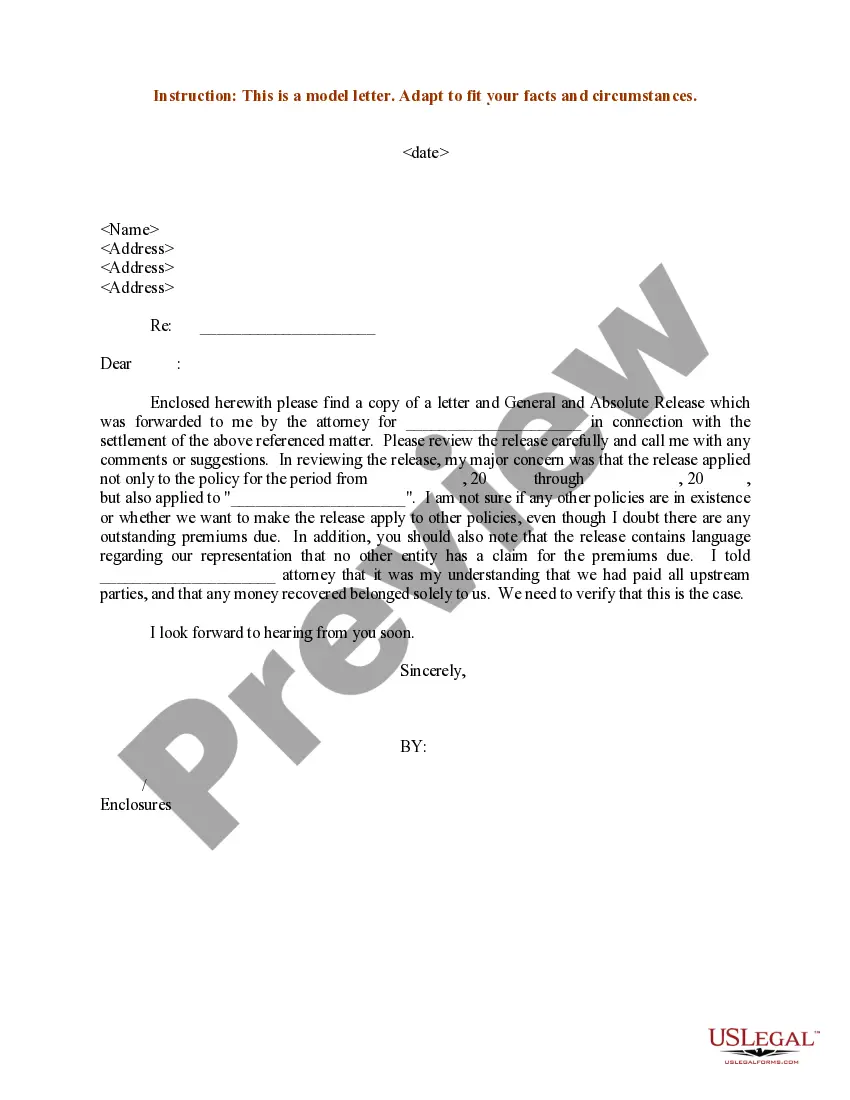
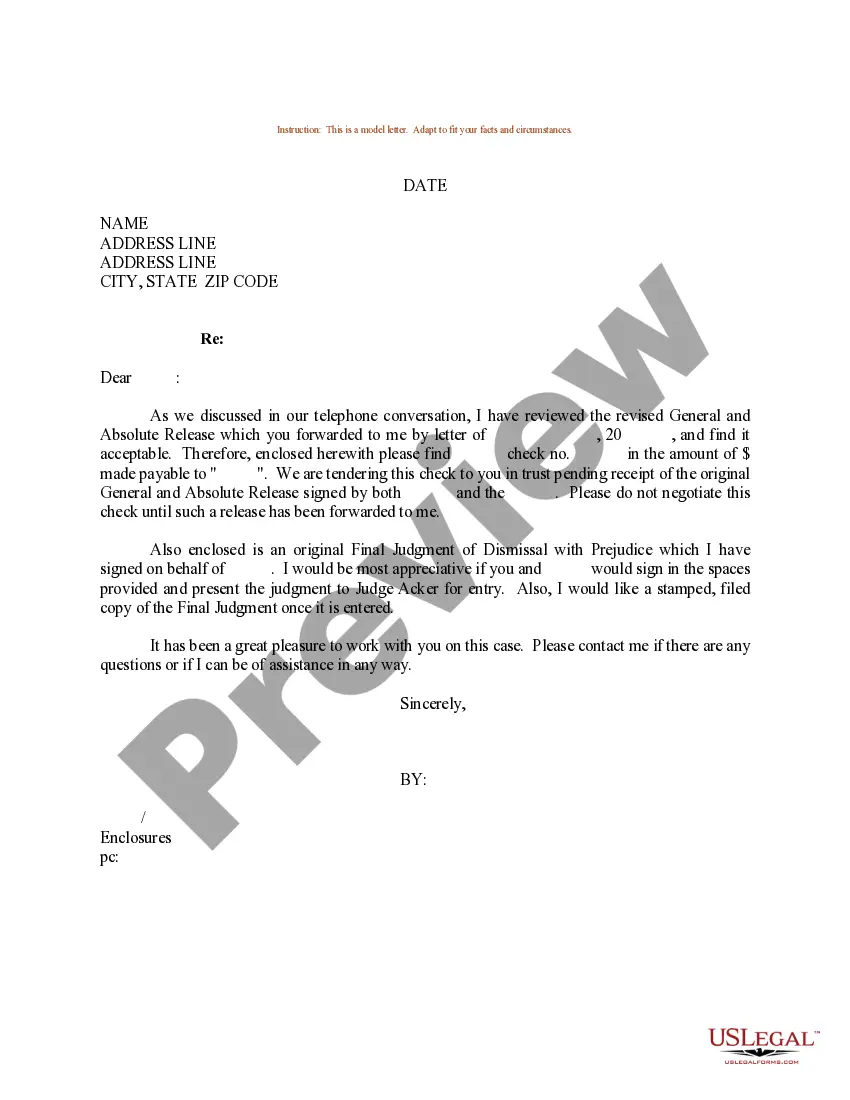
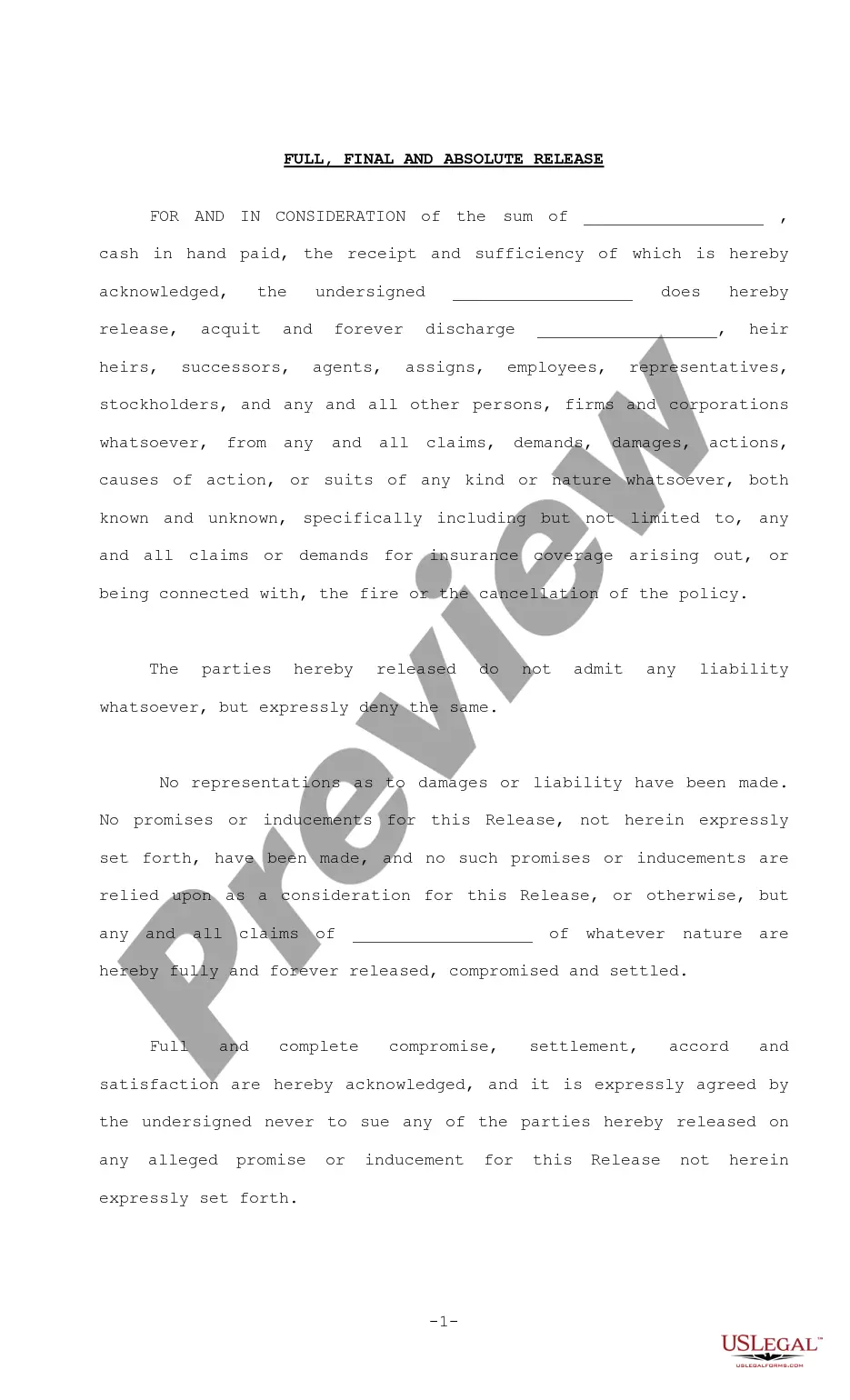
Get your form ready online
Our built-in tools help you complete, sign, share, and store your documents in one place.
Make edits, fill in missing information, and update formatting in US Legal Forms—just like you would in MS Word.
Download a copy, print it, send it by email, or mail it via USPS—whatever works best for your next step.
Sign and collect signatures with our SignNow integration. Send to multiple recipients, set reminders, and more. Go Premium to unlock E-Sign.
If this form requires notarization, complete it online through a secure video call—no need to meet a notary in person or wait for an appointment.
We protect your documents and personal data by following strict security and privacy standards.

Make edits, fill in missing information, and update formatting in US Legal Forms—just like you would in MS Word.

Download a copy, print it, send it by email, or mail it via USPS—whatever works best for your next step.

Sign and collect signatures with our SignNow integration. Send to multiple recipients, set reminders, and more. Go Premium to unlock E-Sign.

If this form requires notarization, complete it online through a secure video call—no need to meet a notary in person or wait for an appointment.

We protect your documents and personal data by following strict security and privacy standards.
Looking for another form?





Form popularity
FAQ
You can get out of a binding contract under certain circumstances. There are seven key ways you can get out of contracts: mutual consent, breach of contract, contract rescission, unconscionability, impossibility of performance, contract expiration, and voiding a contract.
Party A and Party B do hereby irrevocably and unconditionally release, cancel, and forever discharge the other Party and its directors, officers, employees, subsidiaries, affiliates, agents, and representatives from any and all claims, complaints, causes of action, demands, damages, obligations, liabilities, losses, ...
Dear (recipient name), I regret to inform you that your employment with (insert organization's name) is being terminated without cause effective (insert date). This action has been deemed necessary due to (insert brief reason for termination: for example, restructuring, financial instability, elimination of position).
7 Best Practices When Drafting Simple Agreements Start with a clear statement of purpose. Define key terms and definitions. Use clear and concise language. Include dispute resolution provisions. Consider the potential consequences of the breach. Include termination and renewal provisions. Use a standard contract template.
A Termination Without Cause clause is a contractual provision that allows one or both parties to terminate the agreement without stating a specific reason or cause, typically upon providing advance written notice and subject to certain conditions or consequences.
Use these steps to write a contract-ending letter: Review termination clauses. Address the appropriate individual. State your purpose for writing. Discuss outstanding concerns. Close your letter respectfully. Ensure receipt of the letter.
What information should be included? The names and contact information of both parties involved in the contract. The date when the contract was signed and its original duration. The reason for terminating the contract, if necessary. The specific date when the contract will end.
Step 1: Addressing the Correct Individual or Company. Step 2: Stating the Purpose of Termination. Step 3: Including Necessary Details (Contract Number, Date, etc.) Step 4: Mentioning Outstanding Payments or Obligations. Step 5: Closing the Letter Professionally.
By its terms. One polite way is to let it expire and, if both sides have fully performed, cease contact. Another is to write and thank the other party for the opportunity to have done (note past tense) business together. If asked to renew, you can then say you have decided ``to move in another direction''.

