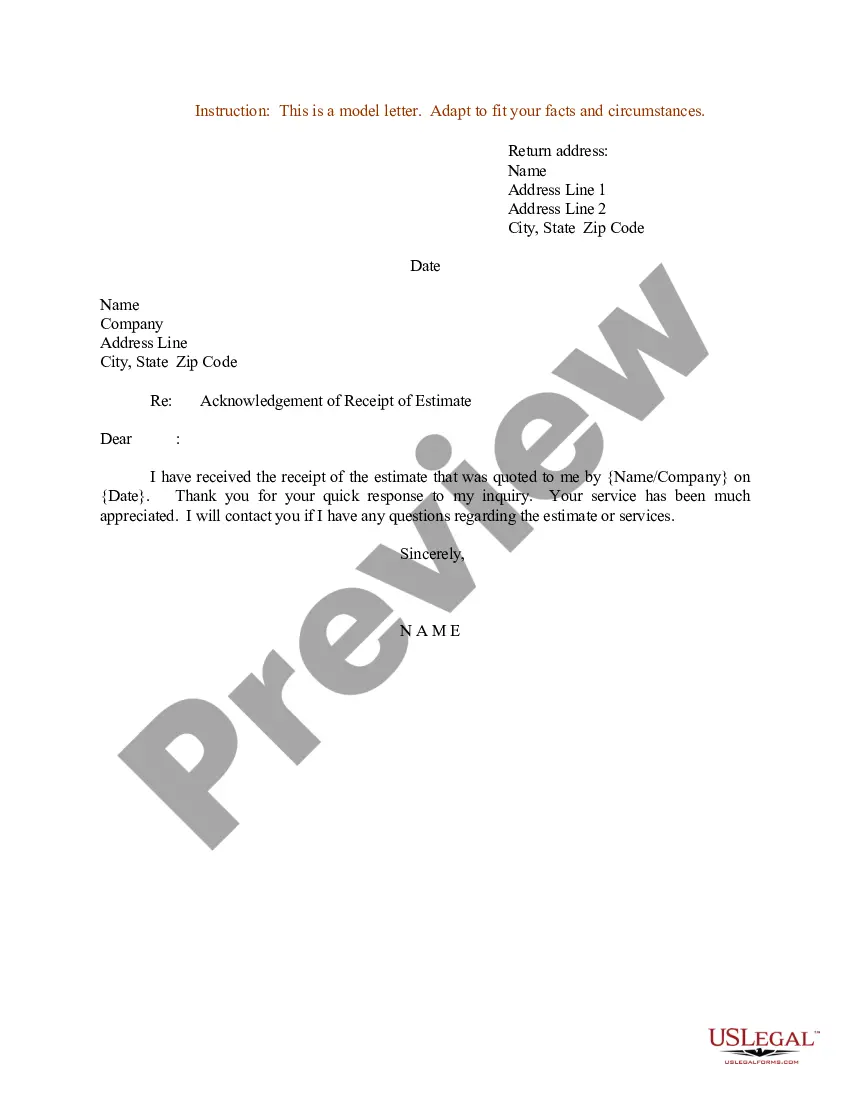
Sample Acknowledgment Receipt Form With Signature In Maricopa
Description




Get your form ready online
Our built-in tools help you complete, sign, share, and store your documents in one place.
Make edits, fill in missing information, and update formatting in US Legal Forms—just like you would in MS Word.
Download a copy, print it, send it by email, or mail it via USPS—whatever works best for your next step.
Sign and collect signatures with our SignNow integration. Send to multiple recipients, set reminders, and more. Go Premium to unlock E-Sign.
If this form requires notarization, complete it online through a secure video call—no need to meet a notary in person or wait for an appointment.
We protect your documents and personal data by following strict security and privacy standards.

Make edits, fill in missing information, and update formatting in US Legal Forms—just like you would in MS Word.

Download a copy, print it, send it by email, or mail it via USPS—whatever works best for your next step.

Sign and collect signatures with our SignNow integration. Send to multiple recipients, set reminders, and more. Go Premium to unlock E-Sign.

If this form requires notarization, complete it online through a secure video call—no need to meet a notary in person or wait for an appointment.

We protect your documents and personal data by following strict security and privacy standards.
Looking for another form?
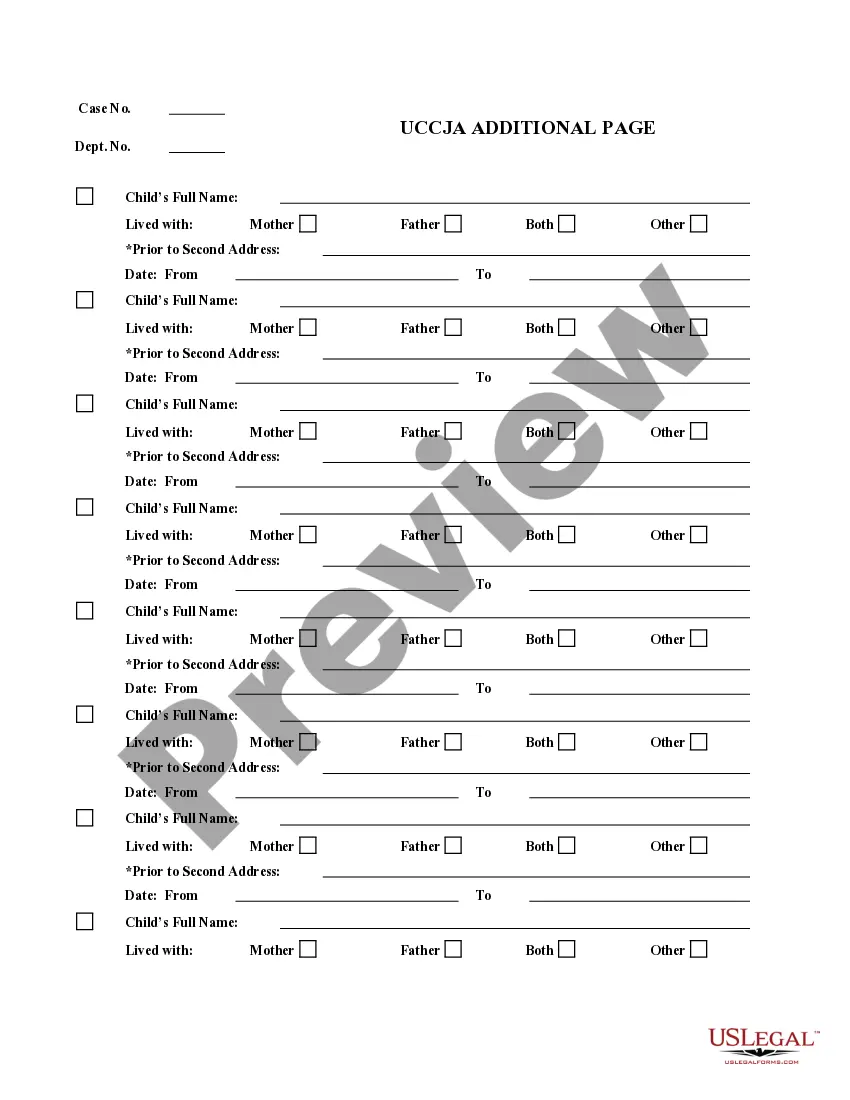

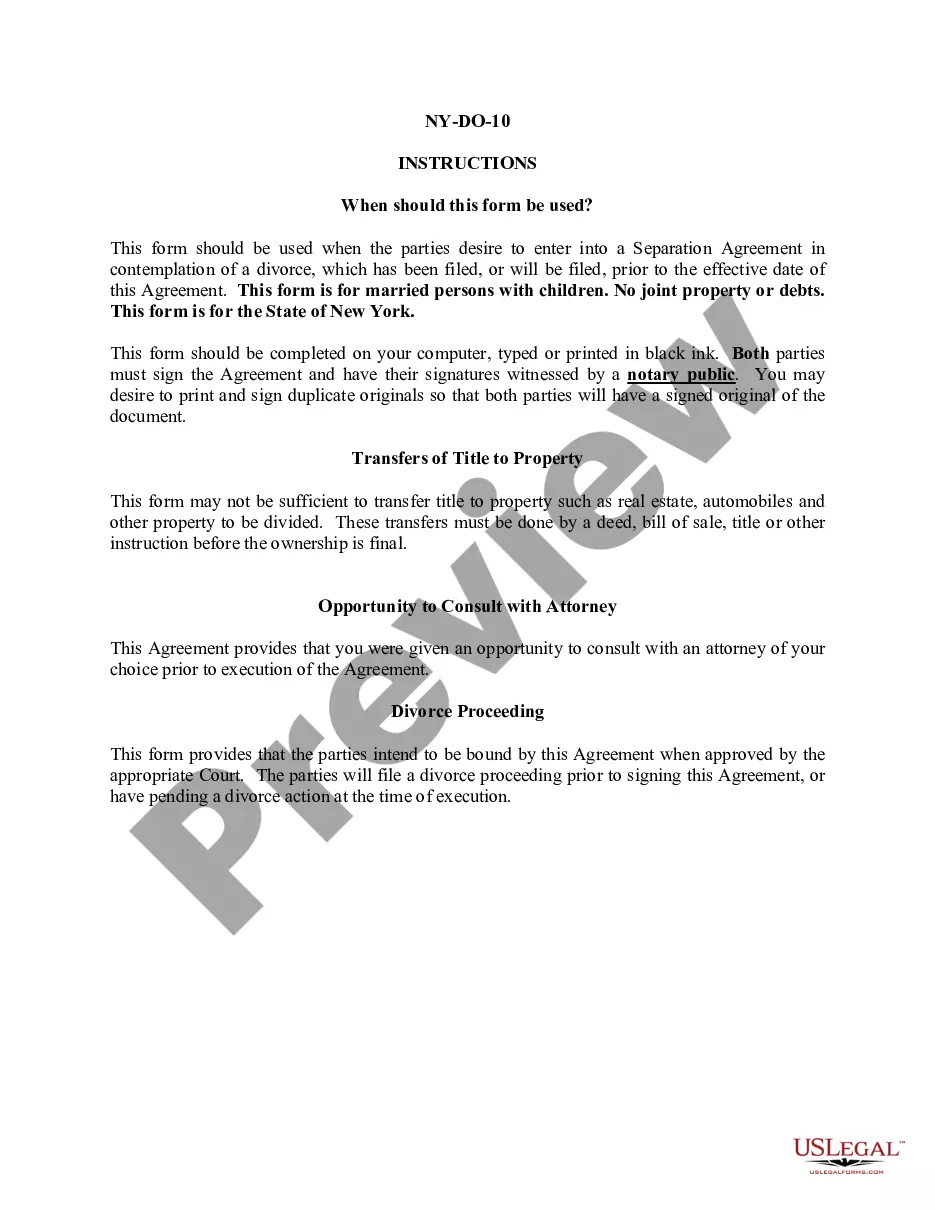




Form popularity
FAQ
What is an acknowledgment? The purpose of an acknowledgment is for a signer, whose identity has been verified, to declare to a Notary or notarial officer that he or she has willingly signed a document. Click to expand.
Acknowledgement forms help companies to keep track of the employees who have received and understood policies, both when they are first hired and as policies evolve over time. They're useful for policies in any area, but are particularly important where privacy, confidentiality, and information security are concerned.
What is an acknowledgment? The purpose of an acknowledgment is for a signer, whose identity has been verified, to declare to a Notary or notarial officer that he or she has willingly signed a document.
Given under my hand and seal of office this __________ day of __________, (year). This instrument was acknowledged before me on (date) by (name or names of person or persons acknowledging).
Given under my hand and seal of office this day of , (year). This instrument was acknowledged before me on (date) by (name or names of person or persons acknowledging). This instrument was acknowledged before me on (date) by (name of attorney-in- fact) as attorney-in-fact on behalf of (name of principal).
Since the signer is only acknowledging his or her signature, the signature could have been affixed some days, weeks, months, or even years earlier. As long as the signer is personally present before the notary and acknowledges the signature, then the notary can proceed with performing the notarial act.
The very act of acknowledgement has been defined as the “recognition of the importance or quality of something”. When you identify and recognize the importance or quality of someone's efforts, that person subsequently feels seen, heard and understood.
An acknowledgment, on the other hand, does not require the Notary to personally witness the signature being written in most states. The customer may sign it in front of the Notary or even before coming to the Notary as long as they appear before the Notary to be identified and to acknowledge having signed the document.

