Sample Letter To Close Trustee Accounting For Beneficiary In Virginia
Description




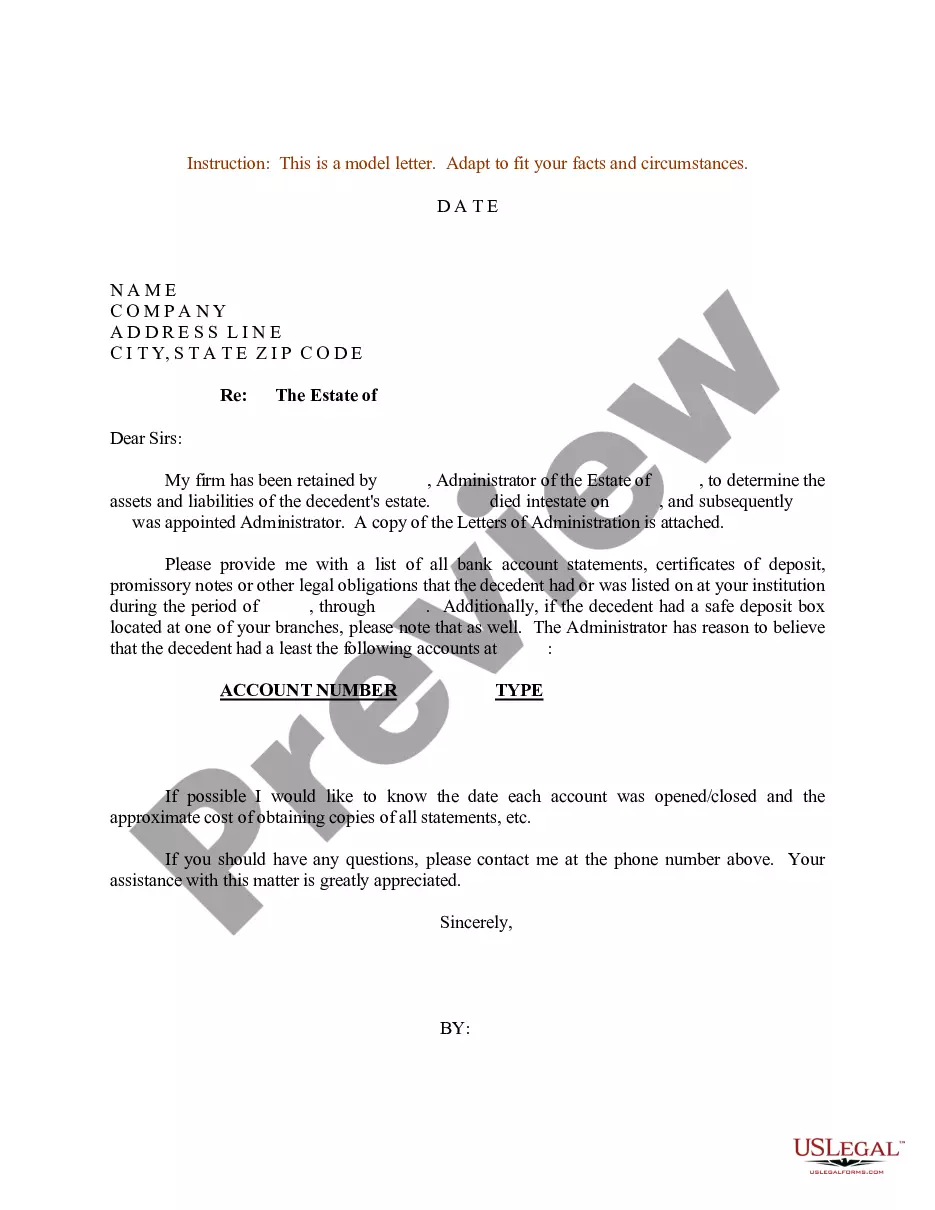
Get your form ready online
Our built-in tools help you complete, sign, share, and store your documents in one place.
Make edits, fill in missing information, and update formatting in US Legal Forms—just like you would in MS Word.
Download a copy, print it, send it by email, or mail it via USPS—whatever works best for your next step.
Sign and collect signatures with our SignNow integration. Send to multiple recipients, set reminders, and more. Go Premium to unlock E-Sign.
If this form requires notarization, complete it online through a secure video call—no need to meet a notary in person or wait for an appointment.
We protect your documents and personal data by following strict security and privacy standards.

Make edits, fill in missing information, and update formatting in US Legal Forms—just like you would in MS Word.

Download a copy, print it, send it by email, or mail it via USPS—whatever works best for your next step.

Sign and collect signatures with our SignNow integration. Send to multiple recipients, set reminders, and more. Go Premium to unlock E-Sign.

If this form requires notarization, complete it online through a secure video call—no need to meet a notary in person or wait for an appointment.

We protect your documents and personal data by following strict security and privacy standards.
Looking for another form?



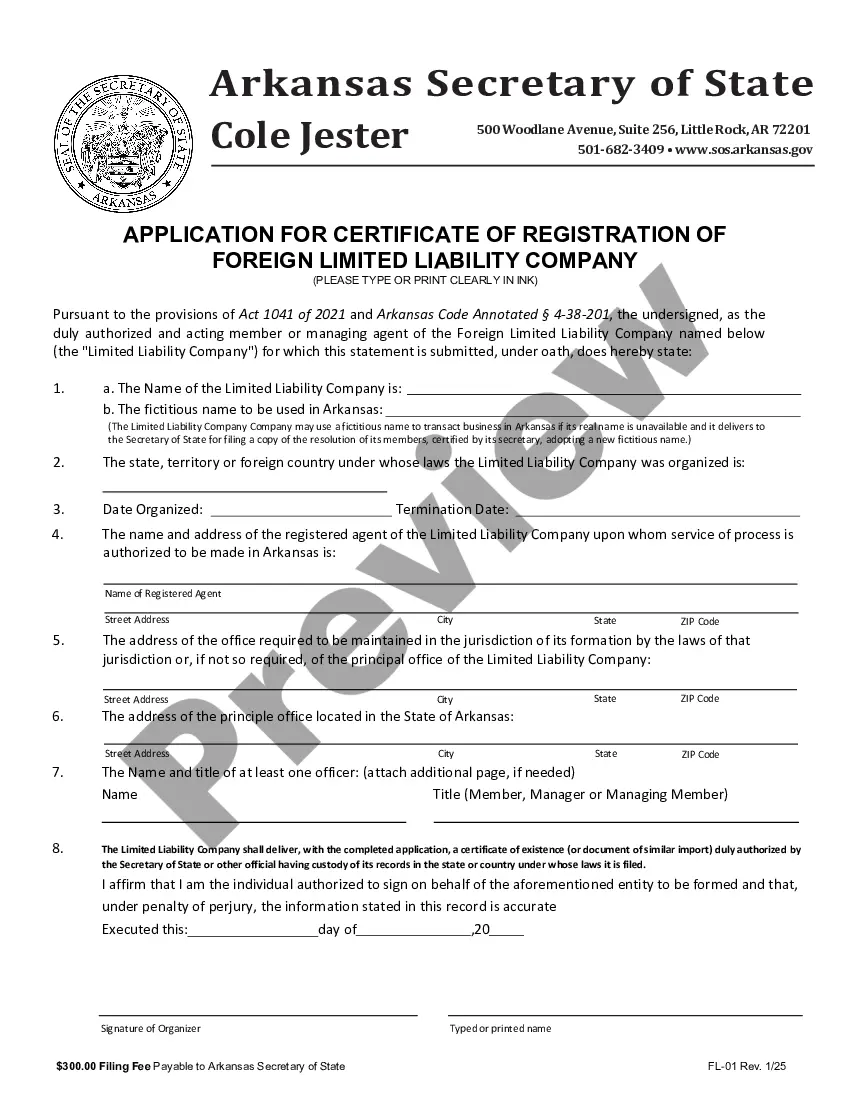





Form popularity
FAQ
Yes, all fiduciaries in Virginia handling the administration of an estate are required to file accountings unless filing requirements were waived at the time of your qualification.
Here are some things to consider when drafting a letter to your executor or trustee. Your thoughts about wealth. Describe key players in the family. What matters to you? ... Give your trustee the power to make decisions, even when that means saying no.
Here are some things to consider when drafting a letter to your executor or trustee. Your thoughts about wealth. Describe key players in the family. What matters to you? ... Give your trustee the power to make decisions, even when that means saying no.
Address the Board Direct your letter to the board of directors or the appropriate governing body. Address them directly by either saying “Dear Board Members” or “To the Board of Directors.” This demonstrates respect for their position and acknowledges their involvement in the organization's governance.
Terminating an active trust requires court intervention or unanimous beneficiary consent. A party with legal standing must demonstrate compelling reasons for a judge to order dissolution, or alternatively, all beneficiaries must concur on ending the trust, ensuring adherence to the trust's purpose and legal procedures.
California statutory law requires a trustee to account annually to current trust beneficiaries, i.e., those who are currently entitled to receive distributions of income and principal during the accounting period. Any trustee, other than the settlor(s) who established the trust, has a duty to account.
The Timeline for Challenging a California Trust Once a beneficiary or heir receives this notice, they have only 120 days to contest the trust. If they wait more than 120 days, their challenge will be dismissed without consideration, and they will be forever barred from attempting another contest.
