Sample Letter To Close Trust Account With Bank In Travis
Description


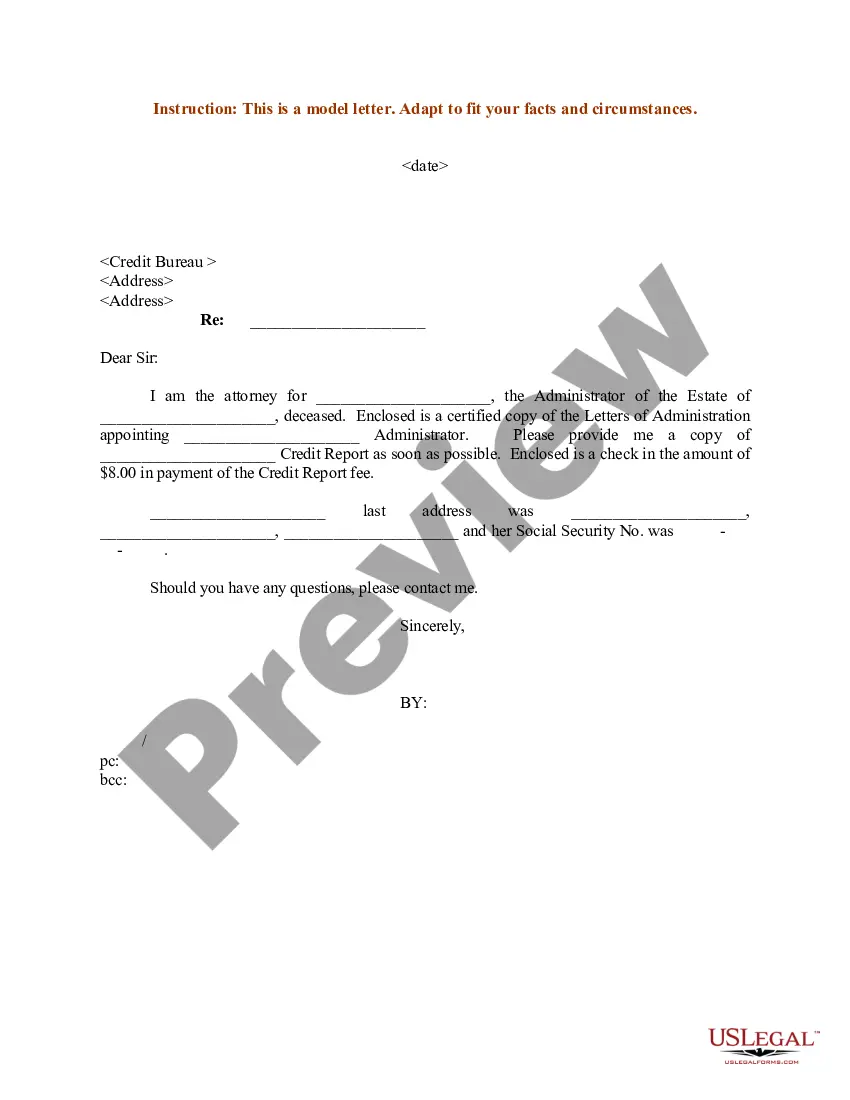

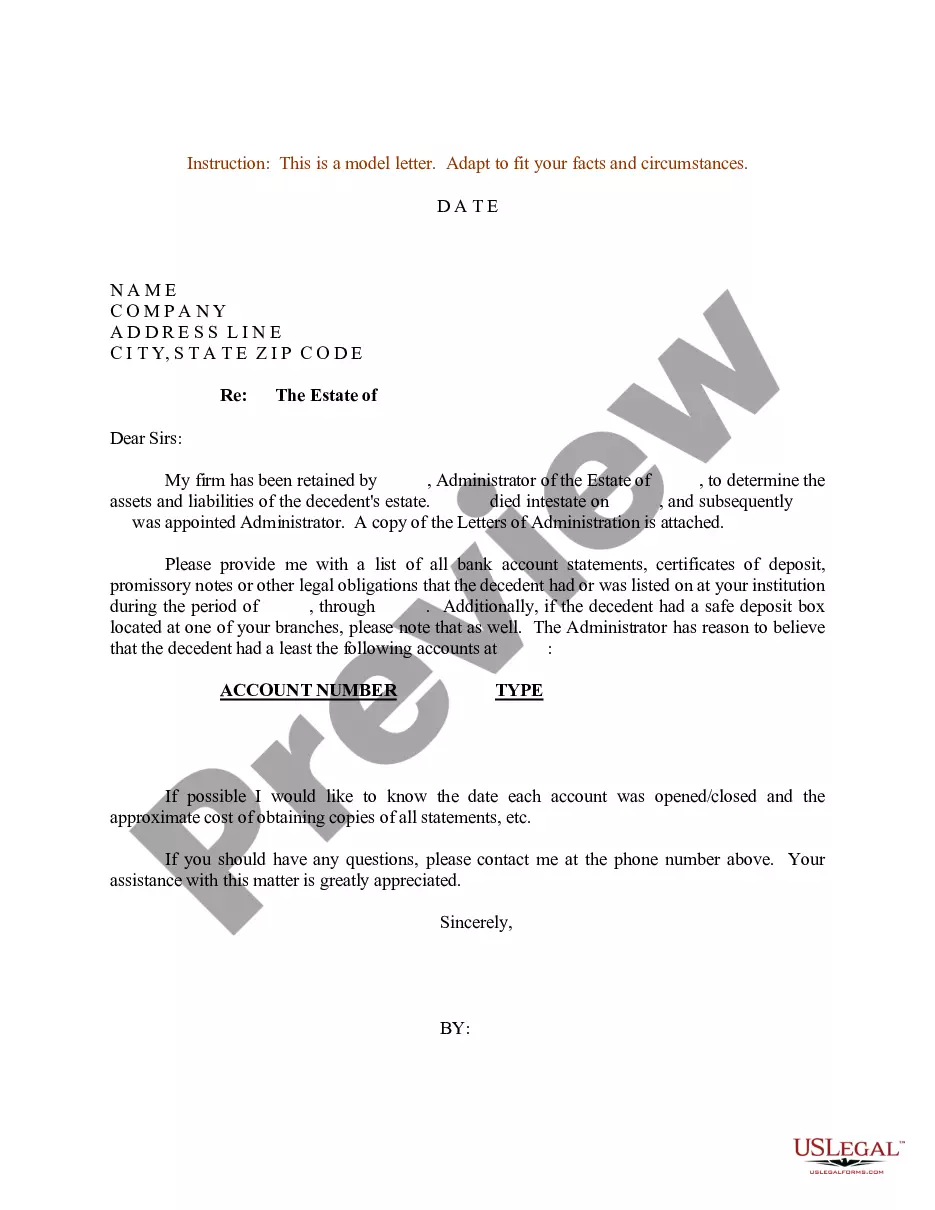
Get your form ready online
Our built-in tools help you complete, sign, share, and store your documents in one place.
Make edits, fill in missing information, and update formatting in US Legal Forms—just like you would in MS Word.
Download a copy, print it, send it by email, or mail it via USPS—whatever works best for your next step.
Sign and collect signatures with our SignNow integration. Send to multiple recipients, set reminders, and more. Go Premium to unlock E-Sign.
If this form requires notarization, complete it online through a secure video call—no need to meet a notary in person or wait for an appointment.
We protect your documents and personal data by following strict security and privacy standards.

Make edits, fill in missing information, and update formatting in US Legal Forms—just like you would in MS Word.

Download a copy, print it, send it by email, or mail it via USPS—whatever works best for your next step.

Sign and collect signatures with our SignNow integration. Send to multiple recipients, set reminders, and more. Go Premium to unlock E-Sign.

If this form requires notarization, complete it online through a secure video call—no need to meet a notary in person or wait for an appointment.

We protect your documents and personal data by following strict security and privacy standards.
Looking for another form?








Form popularity
FAQ
To close a trust after death, the successor trustee must settle and terminate the trust by diligently distributing its assets as per the trust's terms. This involves inventorying assets, paying debts, and ensuring beneficiaries receive their rightful shares, effectively bringing the trust to a timely conclusion.
Once assets are placed in an irrevocable trust, you no longer have control over them, and they won't be included in your Medicaid eligibility determination after five years. It's important to plan well in advance, as the 5-year look-back rule still applies.
Dear Bank Manager, I am writing to request the closure of my bank account with the number 123456789. I would like the account to be closed effective immediately. Please transfer any remaining balance to my new account at XYZ Bank, Account Number 987654321.
Only the trustee can close the trust account. Check the bank's requirements for closing accounts to see what documentation you need to bring with you, usually personal identification and any papers you received when you first set up the trust account.
If an event of termination occurs, the trustee may continue to exercise the powers of the trustee for the reasonable period of time required to wind up the affairs of the trust and to make distribution of its assets to the appropriate beneficiaries.
