Sample Letter To Bank For Deleting Name Of Deceased Account Holder In Travis
Description




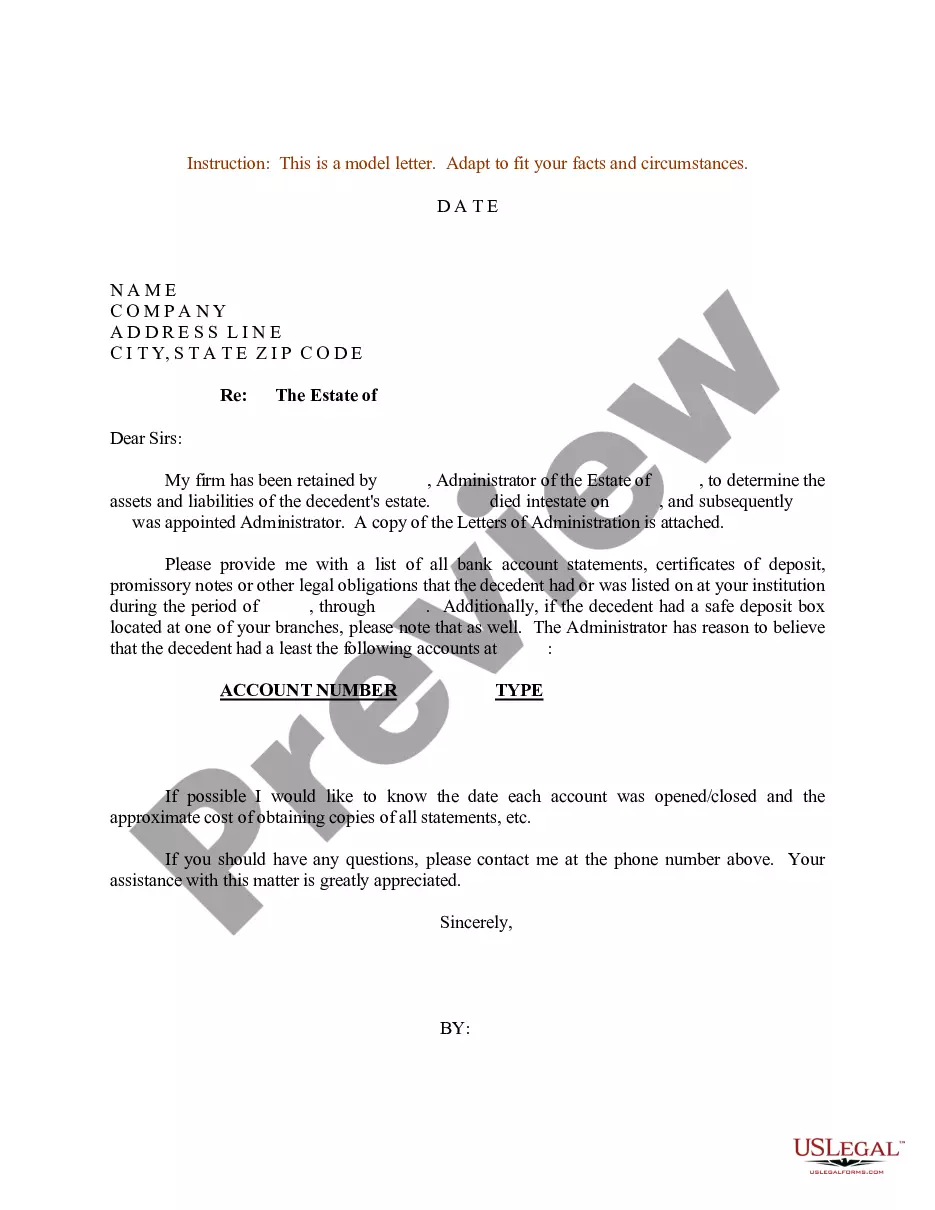
Get your form ready online
Our built-in tools help you complete, sign, share, and store your documents in one place.
Make edits, fill in missing information, and update formatting in US Legal Forms—just like you would in MS Word.
Download a copy, print it, send it by email, or mail it via USPS—whatever works best for your next step.
Sign and collect signatures with our SignNow integration. Send to multiple recipients, set reminders, and more. Go Premium to unlock E-Sign.
If this form requires notarization, complete it online through a secure video call—no need to meet a notary in person or wait for an appointment.
We protect your documents and personal data by following strict security and privacy standards.

Make edits, fill in missing information, and update formatting in US Legal Forms—just like you would in MS Word.

Download a copy, print it, send it by email, or mail it via USPS—whatever works best for your next step.

Sign and collect signatures with our SignNow integration. Send to multiple recipients, set reminders, and more. Go Premium to unlock E-Sign.

If this form requires notarization, complete it online through a secure video call—no need to meet a notary in person or wait for an appointment.

We protect your documents and personal data by following strict security and privacy standards.
Looking for another form?

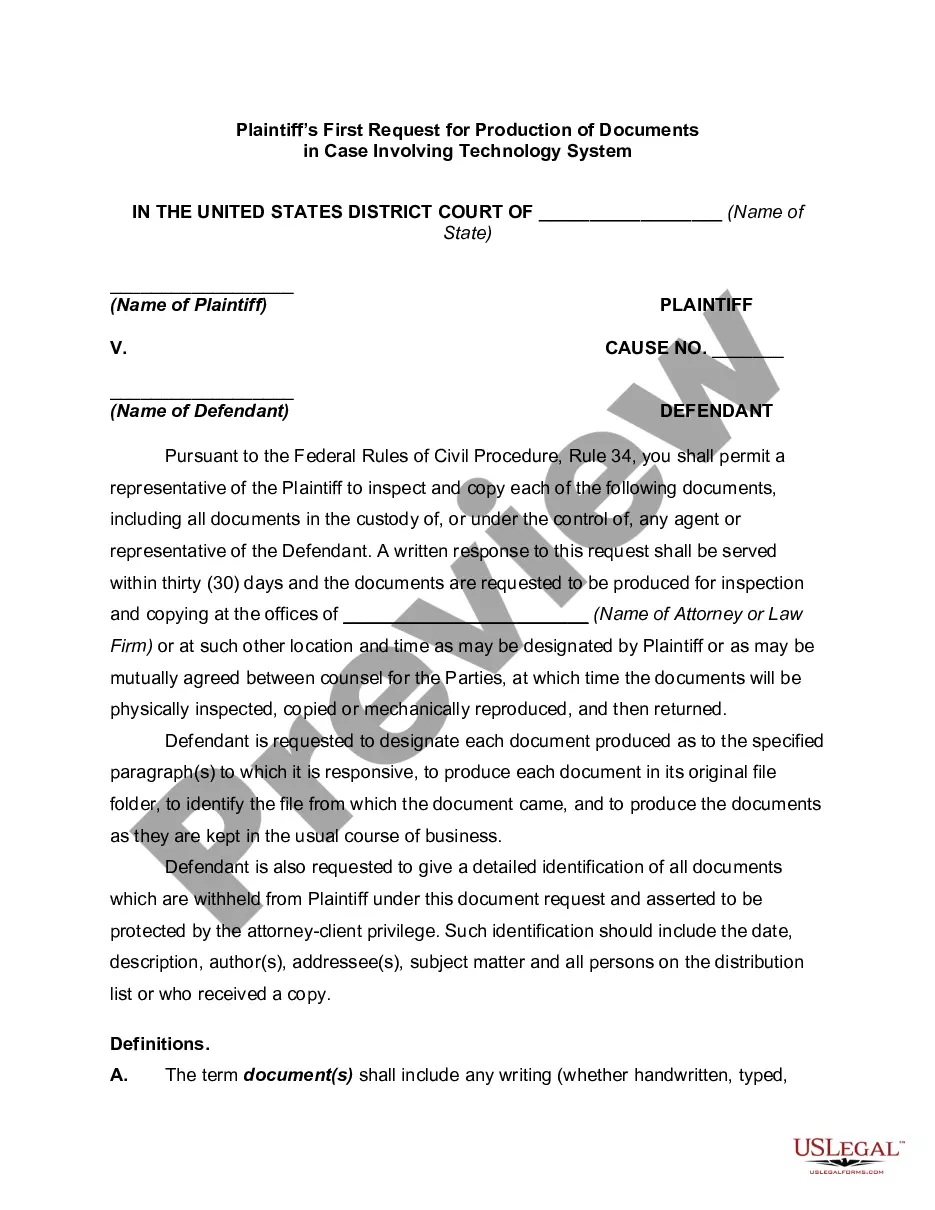


Form popularity
FAQ
"The surviving owner will be able to withdraw funds from the account," says David Doehring, probate attorney and managing partner of Doehring & Doehring Attorneys at Law. If the account has a payable on death beneficiary, the bank account balance goes to the beneficiary after the last account owner dies.
How to remove a deceased spouse from a bank account Step 1: Locate and gather the necessary documents. Step 2: Notify the bank of the deceased. Step 3: Inquire about removing the deceased from the bank account. Step 4: Complete the relevant paperwork. Step 5: Change the ownership of the bank account.
When a joint account holder passes away, the surviving account holder must provide the bank with a death certificate or other documentation to confirm the death and update account records. Banks generally have a process you must follow for providing documentation upon an account owner's death.
Key takeaways. After someone dies, a sole-owned bank account may go to a named beneficiary or be handled by the executor of the estate. Joint accounts typically have automatic rights of survivorship, but it's still important to check with your bank to ensure smooth access to funds.
I/We hereby state that one of the joint Depositors Mr./Mrs. _______________ has expired on _____________ ('Deceased Depositor”). I/We request you to delete the name of Deceased Depositor and continue the FD in my /our name(s) with same mode of operations.
How to remove a deceased spouse from a bank account Step 1: Locate and gather the necessary documents. Step 2: Notify the bank of the deceased. Step 3: Inquire about removing the deceased from the bank account. Step 4: Complete the relevant paperwork. Step 5: Change the ownership of the bank account.
Start the letter with your introduction and the reason for writing the letter. Moreover, request the bank manager to settle the deceased account. Additionally, you have to provide details like account numbers and other documents. Signature – Use “Faithfully” or “Sincerely” as signatures and then mention your name.