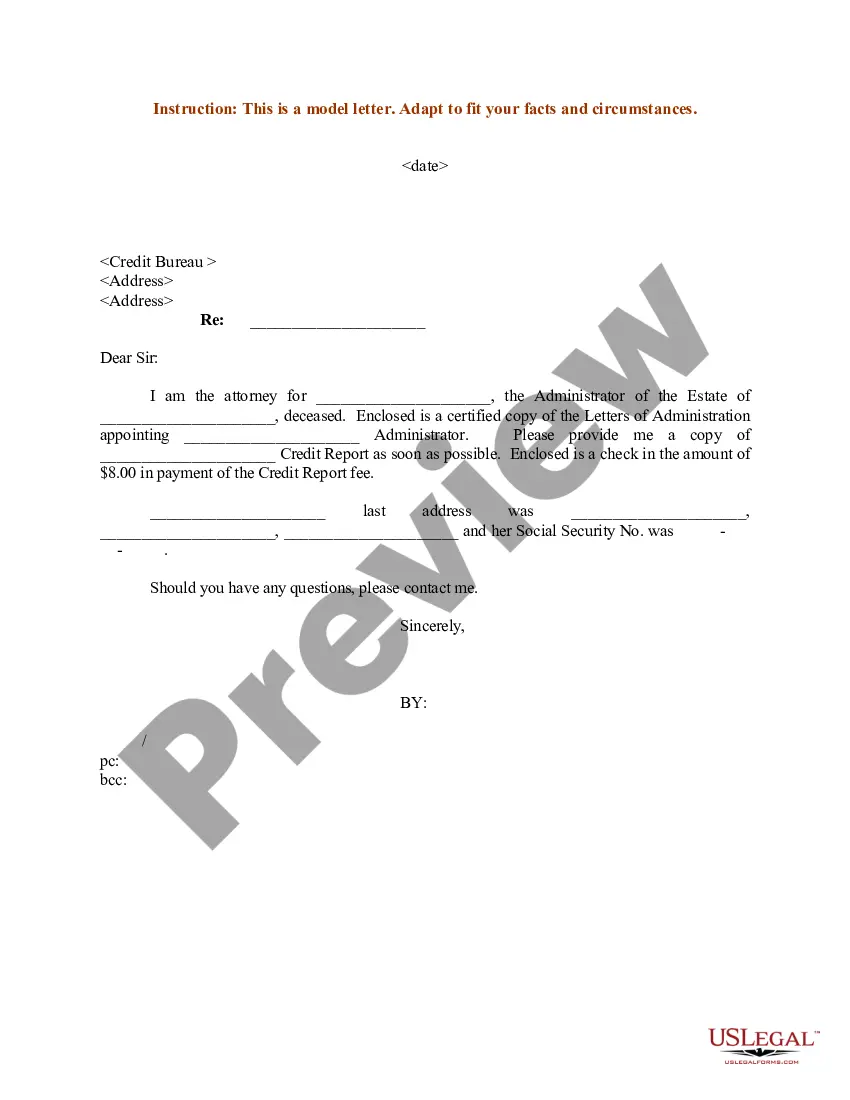
Sample Letter To Close Trust Account For A Minor In Texas
Description



Get your form ready online
Our built-in tools help you complete, sign, share, and store your documents in one place.
Make edits, fill in missing information, and update formatting in US Legal Forms—just like you would in MS Word.
Download a copy, print it, send it by email, or mail it via USPS—whatever works best for your next step.
Sign and collect signatures with our SignNow integration. Send to multiple recipients, set reminders, and more. Go Premium to unlock E-Sign.
If this form requires notarization, complete it online through a secure video call—no need to meet a notary in person or wait for an appointment.
We protect your documents and personal data by following strict security and privacy standards.

Make edits, fill in missing information, and update formatting in US Legal Forms—just like you would in MS Word.

Download a copy, print it, send it by email, or mail it via USPS—whatever works best for your next step.

Sign and collect signatures with our SignNow integration. Send to multiple recipients, set reminders, and more. Go Premium to unlock E-Sign.

If this form requires notarization, complete it online through a secure video call—no need to meet a notary in person or wait for an appointment.

We protect your documents and personal data by following strict security and privacy standards.
Looking for another form?








Form popularity
FAQ
If an event of termination occurs, the trustee may continue to exercise the powers of the trustee for the reasonable period of time required to wind up the affairs of the trust and to make distribution of its assets to the appropriate beneficiaries.
Only the trustee can close the trust account. Check the bank's requirements for closing accounts to see what documentation you need to bring with you, usually personal identification and any papers you received when you first set up the trust account.
Dissolving a revocable trust typically involves the trust's founder taking the following steps: Plan for the Assets. Step One is making a plan for the assets that it holds. Draft a Declaration of Intent. Step Two is creating a declaration of intent. File the Document With a Court.
As a trust beneficiary, your distribution request should contain five key components when submitting the request for consideration: Legal Name of the Trust(s) ... Amount Being Requested. Reason for Request/General Background Information. Instructions on Where/How to Send Funds. Timeline of Distribution.
