Account Estate Bank Foreclosure In Santa Clara
Description




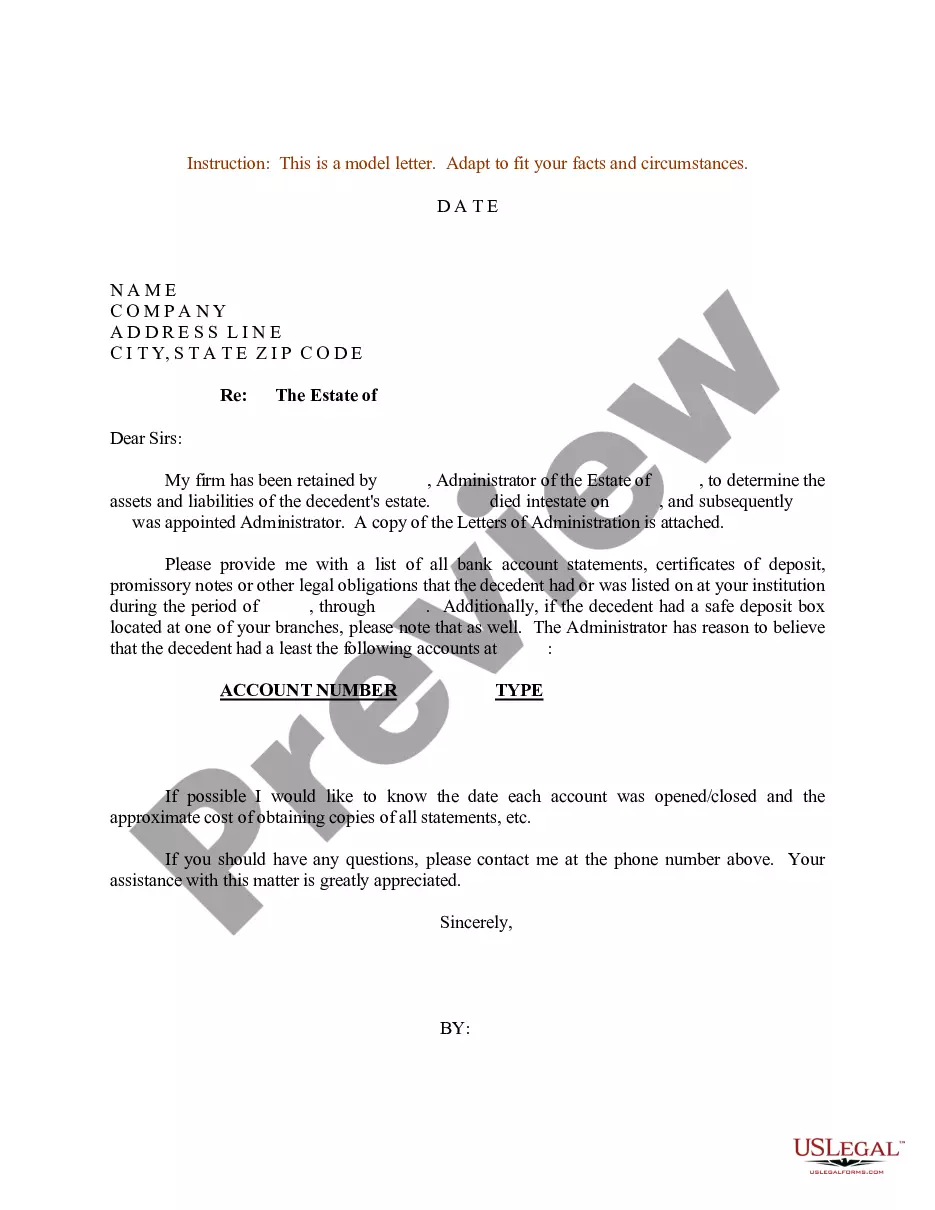
Get your form ready online
Our built-in tools help you complete, sign, share, and store your documents in one place.
Make edits, fill in missing information, and update formatting in US Legal Forms—just like you would in MS Word.
Download a copy, print it, send it by email, or mail it via USPS—whatever works best for your next step.
Sign and collect signatures with our SignNow integration. Send to multiple recipients, set reminders, and more. Go Premium to unlock E-Sign.
If this form requires notarization, complete it online through a secure video call—no need to meet a notary in person or wait for an appointment.
We protect your documents and personal data by following strict security and privacy standards.

Make edits, fill in missing information, and update formatting in US Legal Forms—just like you would in MS Word.

Download a copy, print it, send it by email, or mail it via USPS—whatever works best for your next step.

Sign and collect signatures with our SignNow integration. Send to multiple recipients, set reminders, and more. Go Premium to unlock E-Sign.

If this form requires notarization, complete it online through a secure video call—no need to meet a notary in person or wait for an appointment.

We protect your documents and personal data by following strict security and privacy standards.
Looking for another form?






Form popularity
FAQ
There are two answers, each equally true: California statutes tell us the minimum time for an unpaid lender to foreclose: about 4 months, from start to sale. In practice, it's far longer. Since the mortgage meltdown in 2008, lenders very seldom move a foreclosure as fast as the law allows.
Most mortgages have a power of sale clause, so lenders can foreclose without going to court (non-judicial). These are the most common type of foreclosures in California.
In California, you typically need to miss three consecutive mortgage payments (120 days past due) before foreclosure proceedings start. It's essential to address any missed payments quickly to avoid escalating into a foreclosure situation that could threaten your home.
A: In the simplest terms, yes, all bank accounts that were owned by a deceased individual are subject to probate in California if the total value of the estate exceeds $166,250.
In California, the foreclosure process typically begins when a borrower misses a mortgage payment, triggering a Notice of Default (NOD) after about 90 days. Following the NOD, the borrower has approximately 90 days to remedy the default before a Notice of Trustee's Sale is issued.
The law also introduces new foreclosure sale protections to help homeowners avoid losing equity. If a listing agreement with a licensed real estate broker is submitted at least five business days before the foreclosure sale, the sale must be postponed for at least 45 days.
Generally, in California creditors of a decedent's estate have up to one year (365 days) from the decedent's death to file a timely creditor claim. The claim must be filed inside an open probate court proceeding.
Most mortgages have a power of sale clause, so lenders can foreclose without going to court (non-judicial). These are the most common type of foreclosures in California.
