Sample Letter To Close Trust Account For A Minor In Sacramento
Description




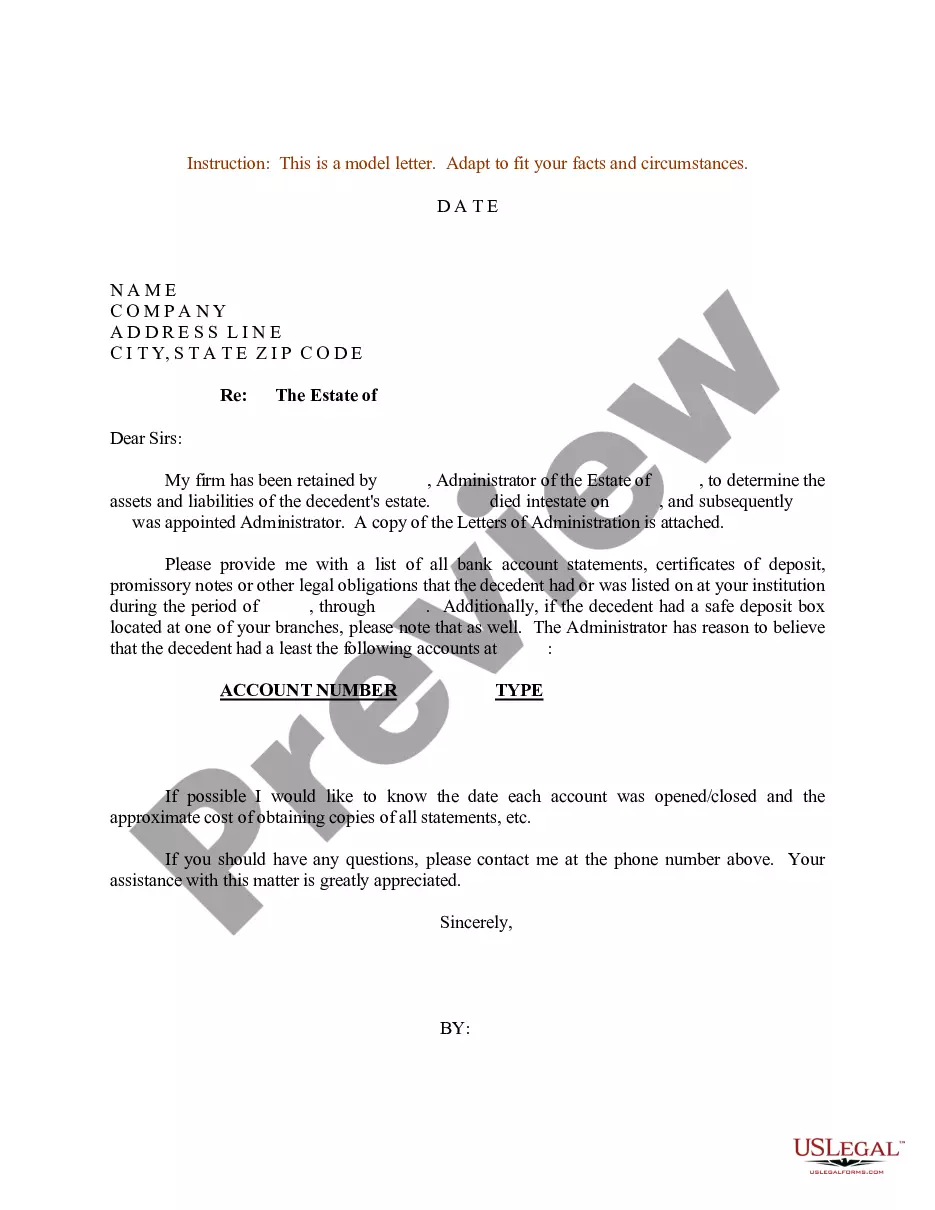
Get your form ready online
Our built-in tools help you complete, sign, share, and store your documents in one place.
Make edits, fill in missing information, and update formatting in US Legal Forms—just like you would in MS Word.
Download a copy, print it, send it by email, or mail it via USPS—whatever works best for your next step.
Sign and collect signatures with our SignNow integration. Send to multiple recipients, set reminders, and more. Go Premium to unlock E-Sign.
If this form requires notarization, complete it online through a secure video call—no need to meet a notary in person or wait for an appointment.
We protect your documents and personal data by following strict security and privacy standards.

Make edits, fill in missing information, and update formatting in US Legal Forms—just like you would in MS Word.

Download a copy, print it, send it by email, or mail it via USPS—whatever works best for your next step.

Sign and collect signatures with our SignNow integration. Send to multiple recipients, set reminders, and more. Go Premium to unlock E-Sign.

If this form requires notarization, complete it online through a secure video call—no need to meet a notary in person or wait for an appointment.

We protect your documents and personal data by following strict security and privacy standards.
Looking for another form?


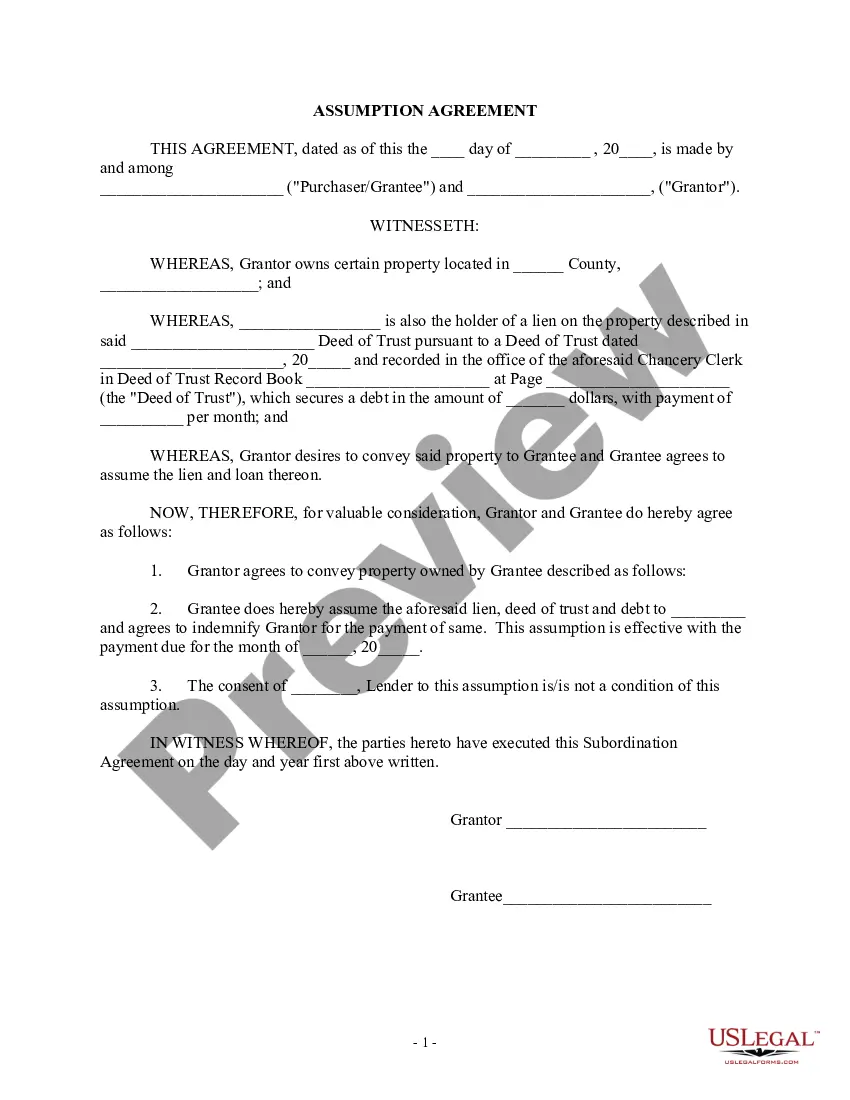



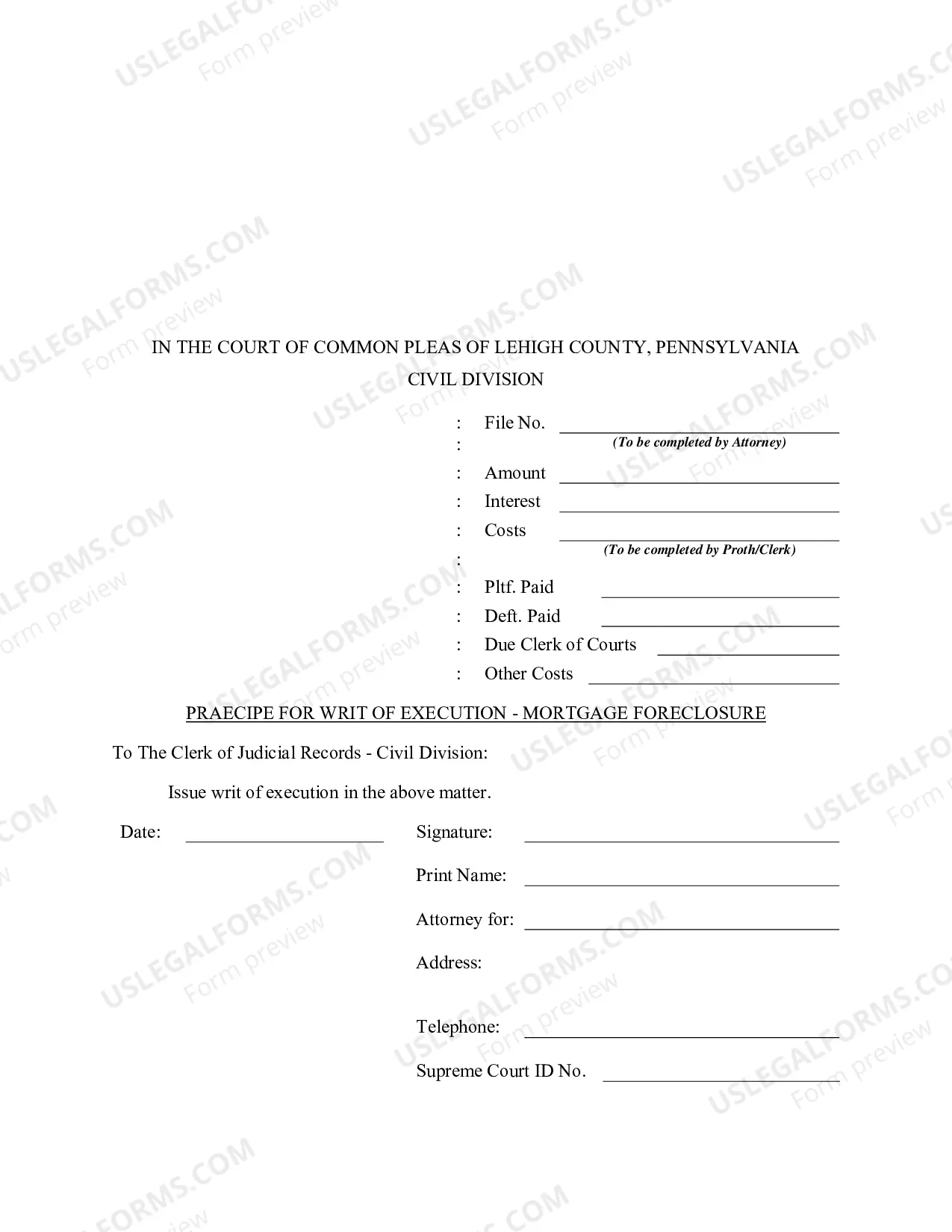

Form popularity
FAQ
Your beneficiaries must follow a specific set of requirements. They must notify any legal heirs; notarize and record a simple form called Affidavit of Death of Transferor under TOD Deed, along with a death certificate; and notify Medi-Cal if you received benefits.
Heirship is designated in the Probate Code of California. Designating a beneficiary ensures that the named person (i.e., the beneficiary) will receive the asset directly upon your death – of course, if they survive you. A beneficiary designation overrides any provisions in a Trust or a Will.
But a Living Trust does not shelter the settlor from creditors. A creditor of the settlor has the same right to go after the trust property as if the settlor still owned the assets in his or her own name. A trust is not a public record.
If appearing remotely, you are required to participate in your hearing using a device that has video and audio capability (i.e. computer, smartphone, or tablet) unless you apply in writing to the Court and receive permission from the Court (3) days prior to your scheduled court date to appear by telephone.
The short answer is that yes, beneficiaries and heirs are entitled to a copy of the trust document. But there are some nuances to look at. Who Can Get A Copy Of The Trust? The most important note from this statute is that “beneficiaries” are entitled to receive the terms of a trust.
Unless the trust is revocable by someone else (like a revocable living trust while the settlor is still alive), the beneficiary has the following rights, in addition to any rights listed in the trust: The right to receive notice of the existence of the trust. The right to receive a copy of the trust.
How to terminate a Family Trust? Distribute any capital that is left. Build a Debt Forgiveness Deed to forgive loans and Unpaid Present Entitlements owed to beneficiaries. Prepare any outstanding tax returns. Build and sign the Windup Family Trust Deed and the minutes.
Filing a petition for removal of trustee in California is much easier to do with help from a lawyer than on your own. A lawyer can not only draft the trustee removal forms for you, but file them with the court as well.
How to Revoke a Trust Step one: Remove all the assets that have been transferred into the trust. Step two: Create a legal document that states the trust's creator, having the right to revoke the trust, wishes to revoke all terms and conditions of the trust and dissolve it completely.
Terminating an active trust requires court intervention or unanimous beneficiary consent. A party with legal standing must demonstrate compelling reasons for a judge to order dissolution, or alternatively, all beneficiaries must concur on ending the trust, ensuring adherence to the trust's purpose and legal procedures.
