Next Of Kin Letter To Bank Format In Queens
Description
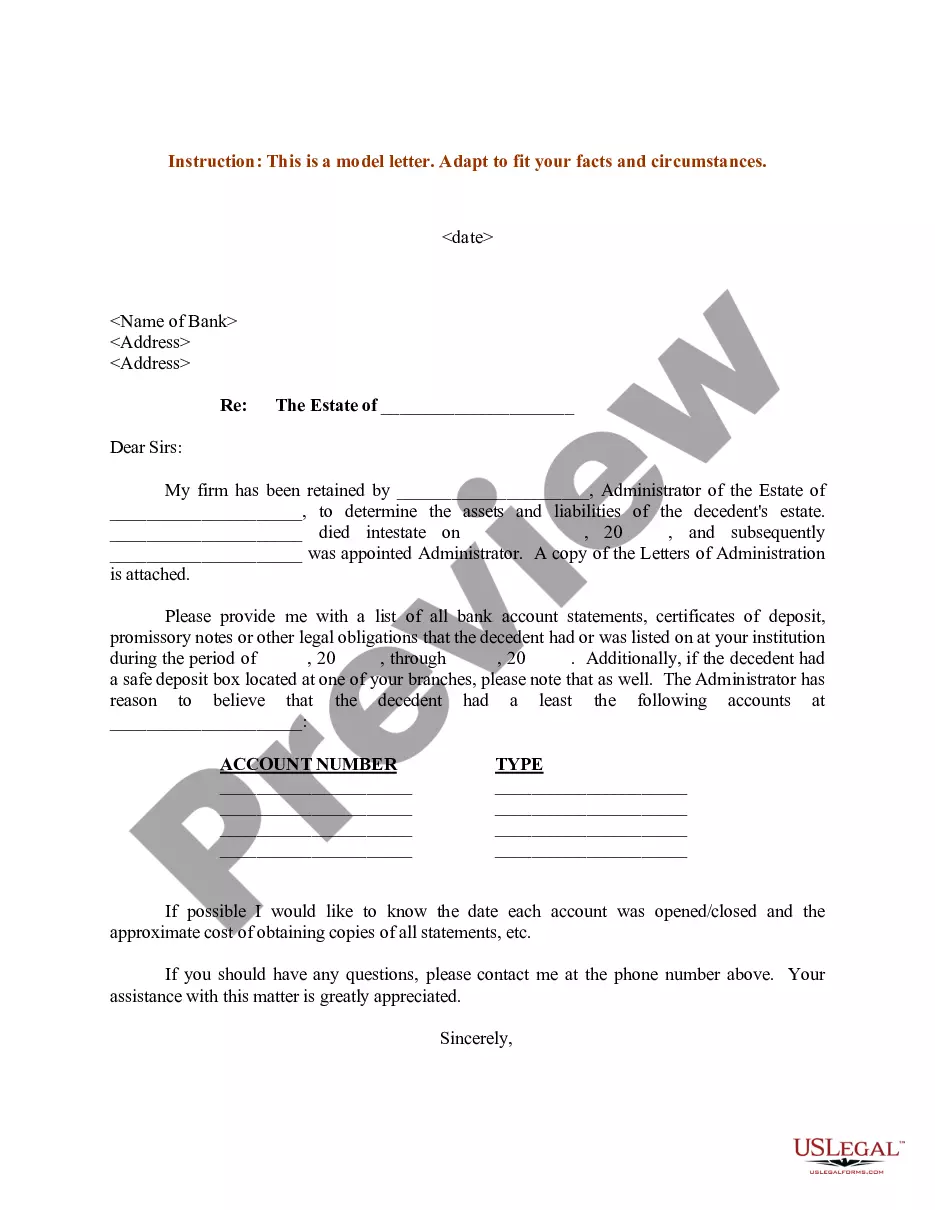

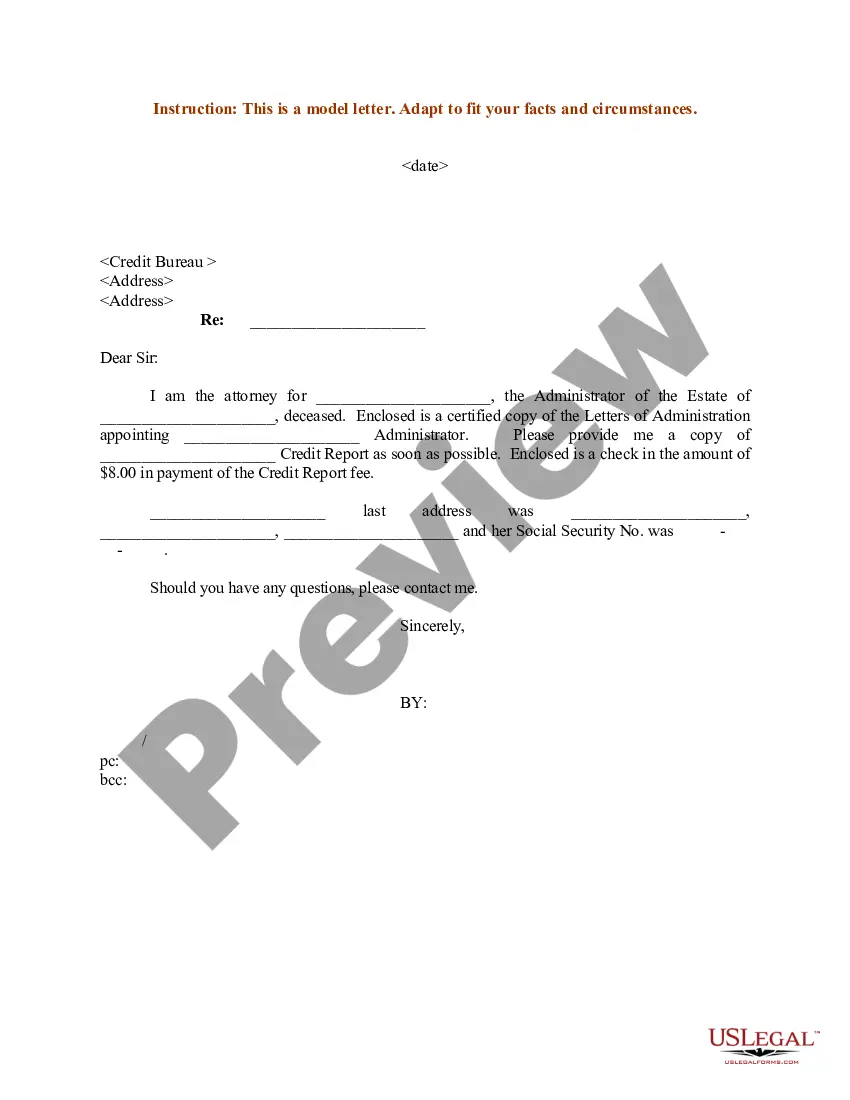
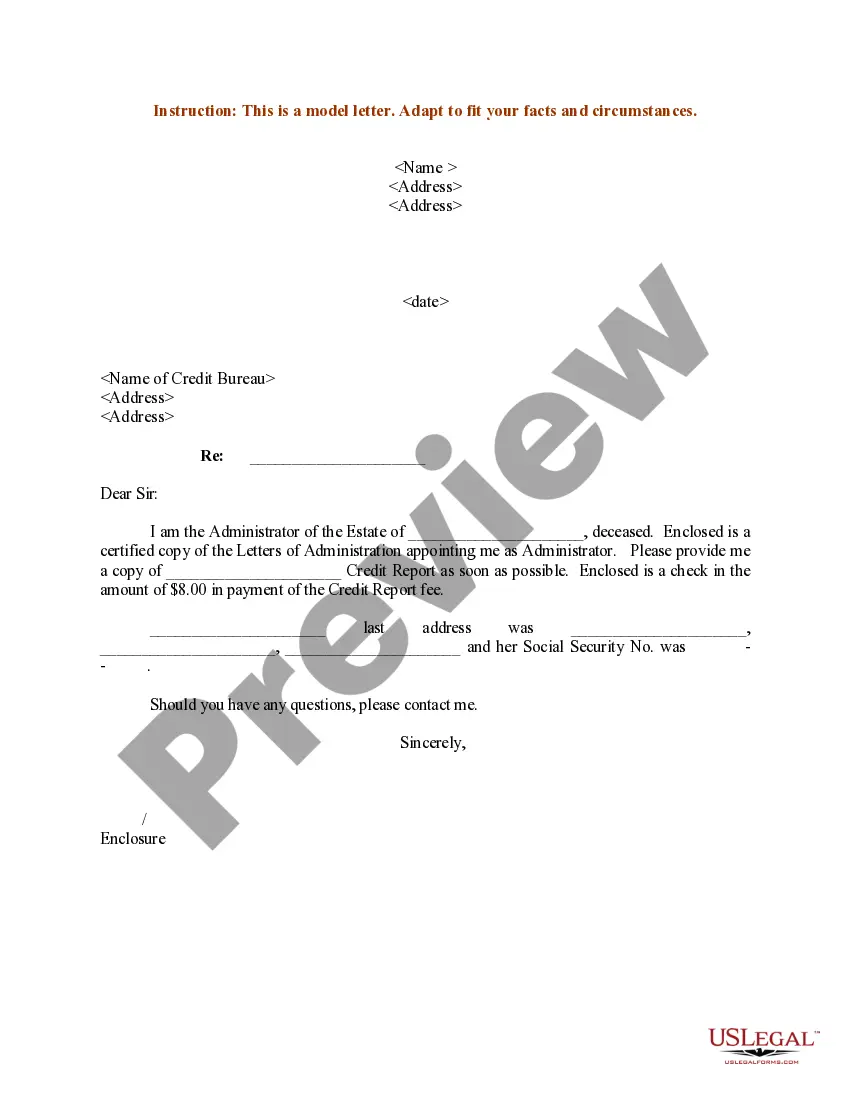
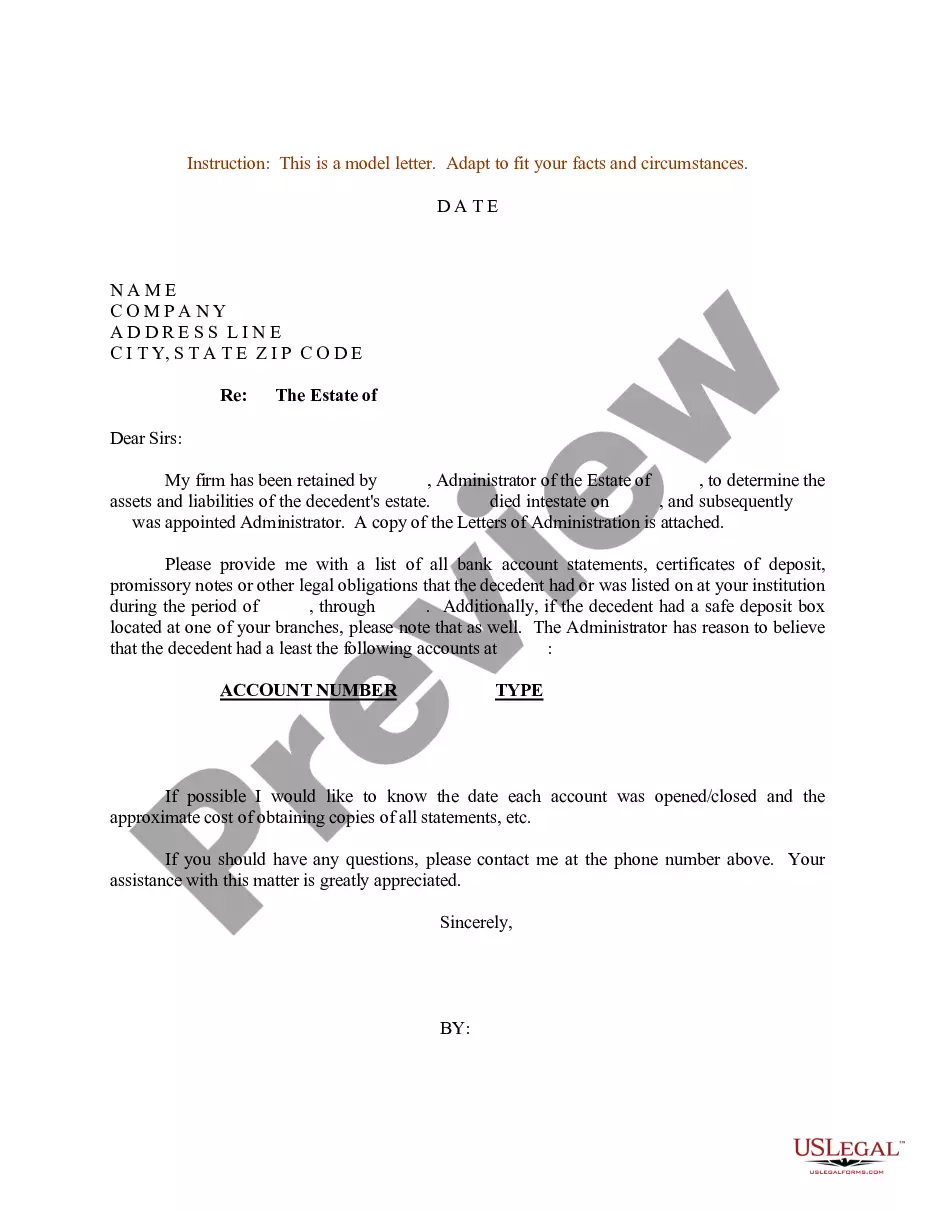
Get your form ready online
Our built-in tools help you complete, sign, share, and store your documents in one place.
Make edits, fill in missing information, and update formatting in US Legal Forms—just like you would in MS Word.
Download a copy, print it, send it by email, or mail it via USPS—whatever works best for your next step.
Sign and collect signatures with our SignNow integration. Send to multiple recipients, set reminders, and more. Go Premium to unlock E-Sign.
If this form requires notarization, complete it online through a secure video call—no need to meet a notary in person or wait for an appointment.
We protect your documents and personal data by following strict security and privacy standards.

Make edits, fill in missing information, and update formatting in US Legal Forms—just like you would in MS Word.

Download a copy, print it, send it by email, or mail it via USPS—whatever works best for your next step.

Sign and collect signatures with our SignNow integration. Send to multiple recipients, set reminders, and more. Go Premium to unlock E-Sign.

If this form requires notarization, complete it online through a secure video call—no need to meet a notary in person or wait for an appointment.

We protect your documents and personal data by following strict security and privacy standards.
Looking for another form?
Form popularity
FAQ
How do I fill this out? To fill out this affidavit, begin by providing your personal information and details about the deceased. Ensure you have all required documents that prove your relationship to the decedent. Lastly, complete the sections regarding the next of kin and sign before a notary public.
ofkin affidavit is a notarized document declaring familial relationships. It designates heirs and defines the rights of those entitled to inherit from the deceased. Individuals use it sometimes during probate to facilitate the distribution of assets.
While it can vary by state, the next of kin order is generally: Your spouse. Your children and grandchildren (both biological and adopted) Your parents. Your siblings (some states prioritize full siblings over half-siblings, while other states consider them both equally)
The form is fairly straightforward and requires the following information: Name, address, and date of death of the decedent. Whether the deceased person was ever married. Names of the surviving heirs. Statement that the deceased did not leave a will. Statement that you are an heir under your state intestacy law.
The following are six critical sections that must be included: Title. This is either your name (“Affidavit of Jane Doe”) or the specific case information. Statement of identity. The next paragraph tells the court about yourself. Statement of truth. Statement of facts. Closing statement of truth. Sign and notarize.
To fill out this affidavit, begin by providing your personal information and details about the deceased. Ensure you have all required documents that prove your relationship to the decedent. Lastly, complete the sections regarding the next of kin and sign before a notary public.
The order of priority generally is a spouse and children, parents and brothers and sisters. However, these rules can be very complex and proof of kinship can be difficult.
The next of kin affidavit describes the family members' relationships to the decedent and confirms who the heirs are of the deceased's estate. It is especially needed when there is no will to declare legal heirs.