Letter For Closing Bank Account After Death Without Nomination In Pima
Description
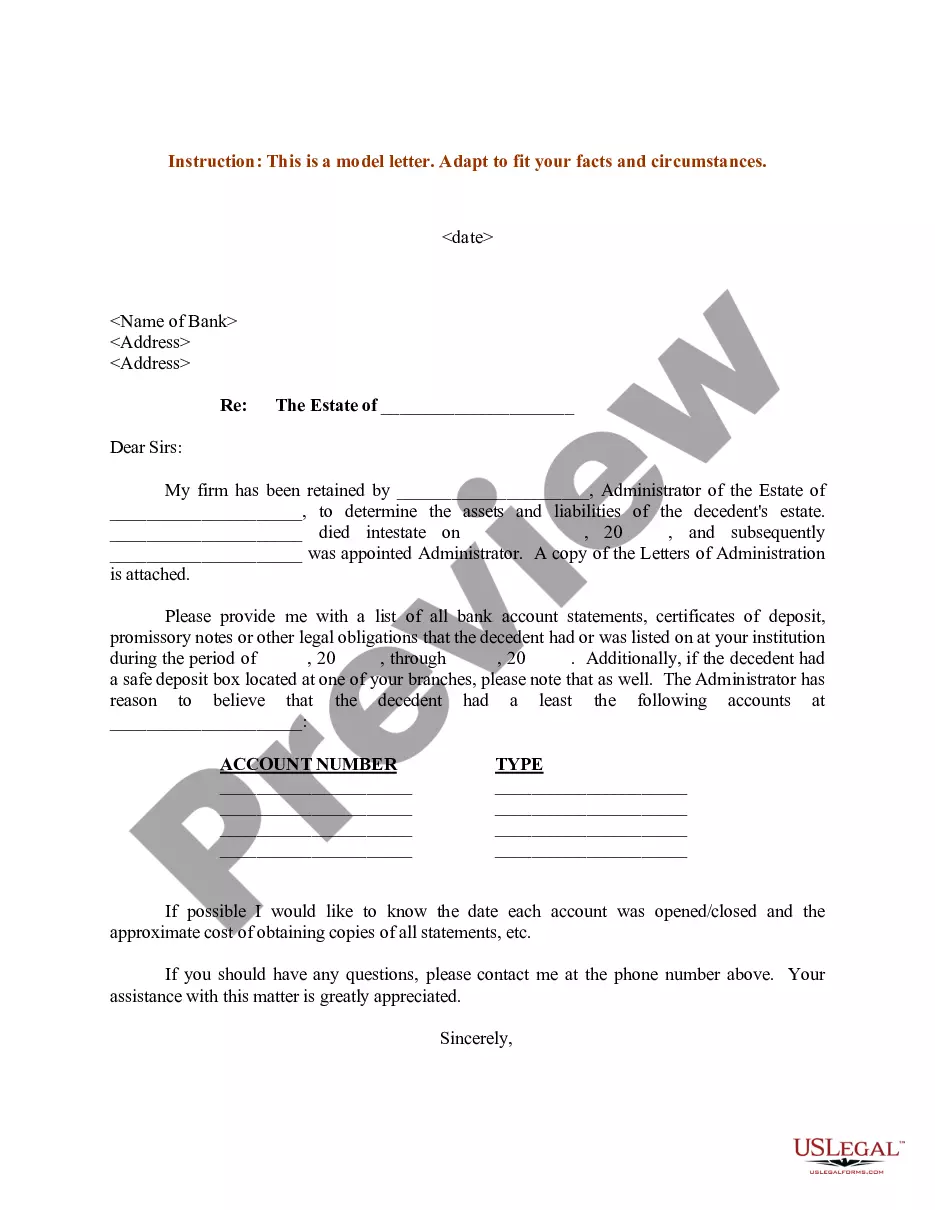

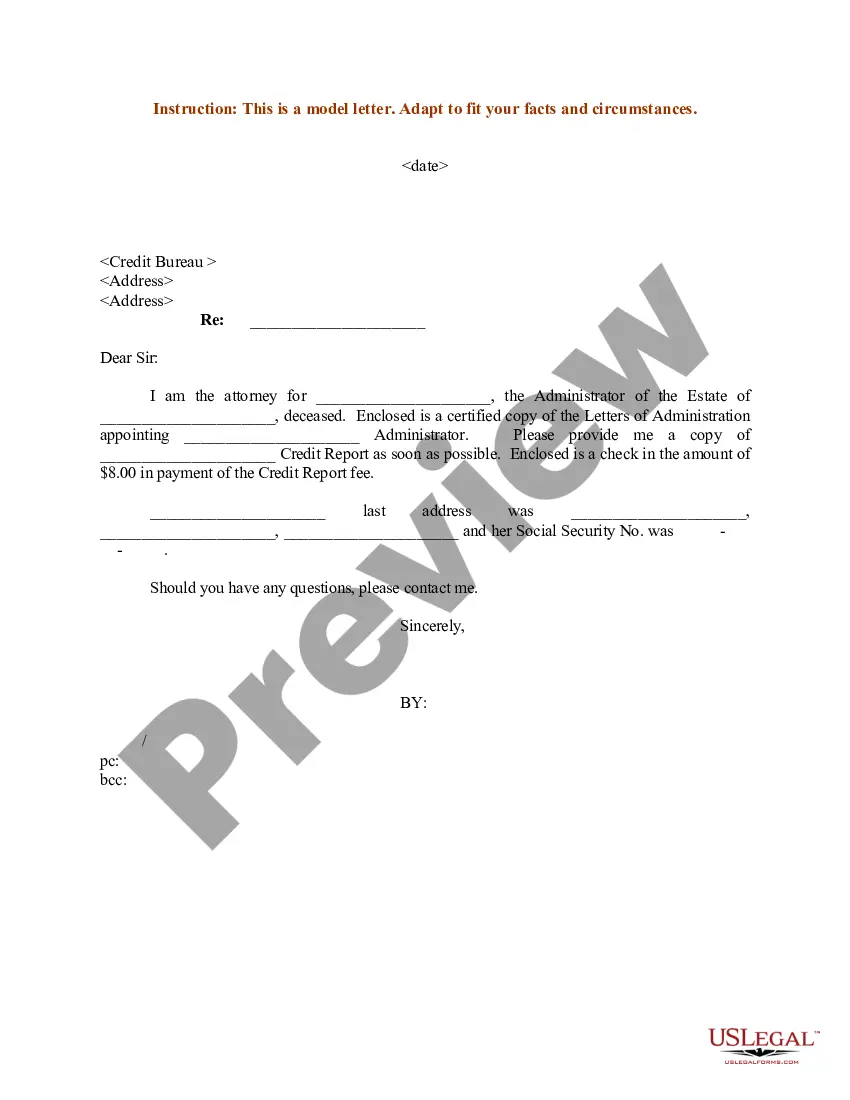
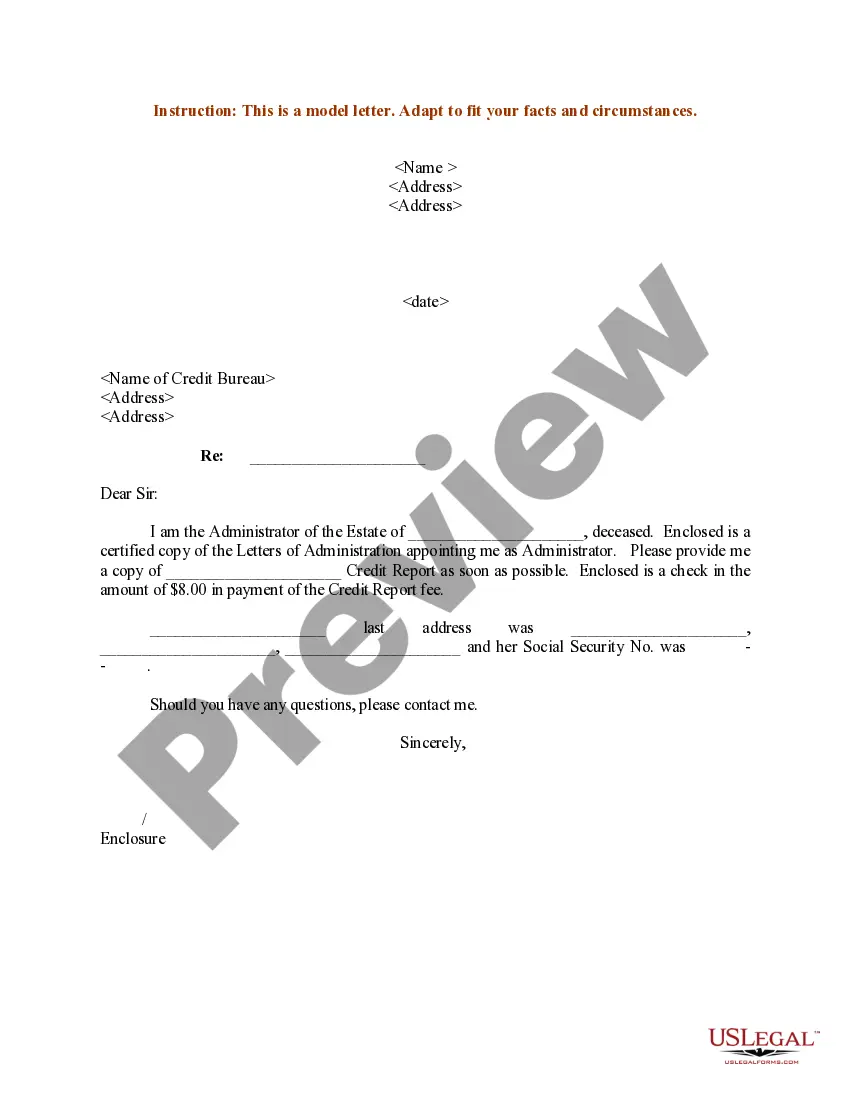
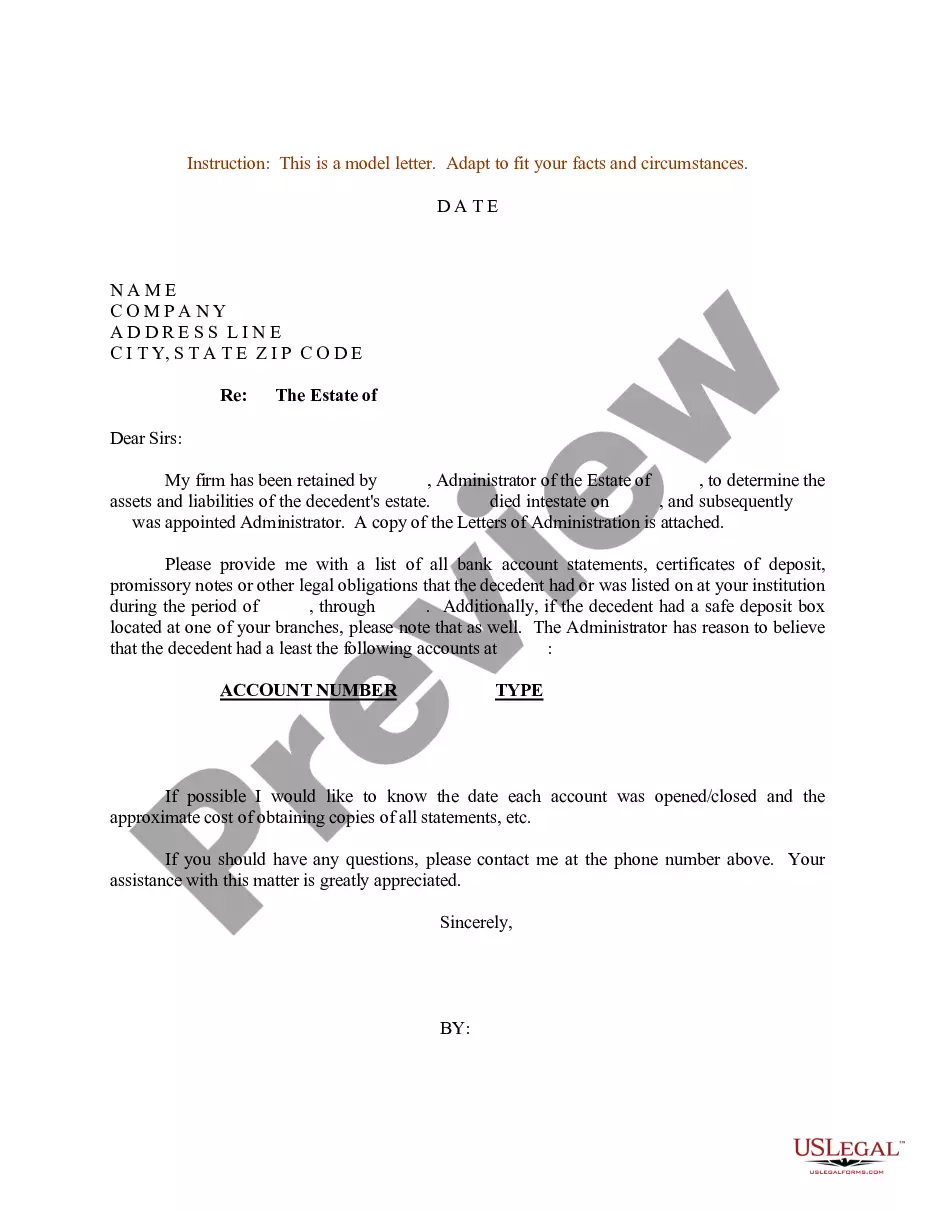
Get your form ready online
Our built-in tools help you complete, sign, share, and store your documents in one place.
Make edits, fill in missing information, and update formatting in US Legal Forms—just like you would in MS Word.
Download a copy, print it, send it by email, or mail it via USPS—whatever works best for your next step.
Sign and collect signatures with our SignNow integration. Send to multiple recipients, set reminders, and more. Go Premium to unlock E-Sign.
If this form requires notarization, complete it online through a secure video call—no need to meet a notary in person or wait for an appointment.
We protect your documents and personal data by following strict security and privacy standards.

Make edits, fill in missing information, and update formatting in US Legal Forms—just like you would in MS Word.

Download a copy, print it, send it by email, or mail it via USPS—whatever works best for your next step.

Sign and collect signatures with our SignNow integration. Send to multiple recipients, set reminders, and more. Go Premium to unlock E-Sign.

If this form requires notarization, complete it online through a secure video call—no need to meet a notary in person or wait for an appointment.

We protect your documents and personal data by following strict security and privacy standards.
Looking for another form?
Form popularity
FAQ
Death Intimation Letter Sample I kindly request you to update the information in my bank account at the earliest. I am attaching her death certificate and other relevant documents for your reference, and I shall be highly obliged for the same. Thank you.
A letter of instruction is not a formal legal document, but it can help reduce complexities for those you leave behind when you pass. It is a summary of essential information that you prepare to clarify your wishes concerning personal and financial matters.
If there's no will, the bank could ask for evidence of your relationship to the deceased. You'll also need the death certificate. When you've registered the death, you will be issued with a death certificate. This will act as formal notification for the bank to begin closing the account.
A good letter of instruction should contain the following information: A complete list of all assets. The whereabouts of any tangible assets that are not readily accessible. Necessary information about all liquid assets, including bank, brokerage, retirement, and investment accounts.
The court has to be moved for a succession certificate which will be the relevant document for transmission. Normally, the best way if there is no will or nominee is for the legal heirs to sit down and internally work out the solution and then approach the court with a registered copy of the family agreement.
In order to close a deceased's account, it is generally necessary for a Grant of Representation (either Probate if there is a Will or Letters of Administration where the deceased died without a Will) to be presented to the bank together with the necessary closure forms and other documentation which may be required, ...
If you want a final settlement of the joint account of your parents, then you will have to write a letter to the bank informing them about their deaths. The documents needed are a death certificate, residential proof, bank passbook, etc.
Start the letter with your introduction and the reason for writing the letter. Moreover, request the bank manager to settle the deceased account. Additionally, you have to provide details like account numbers and other documents. Signature – Use “Faithfully” or “Sincerely” as signatures and then mention your name.
To close a bank account after death, you must completely liquidate its funds. If you are a designated beneficiary on an account, the bank will release the funds in the account to you once you present it with a certified copy of the account owner's death certificate and your government-issued ID.
Banks generally cannot close a deceased account until after the person's estate has gone through probate or has otherwise settled. Joint accounts that are held together with a surviving owner are not considered deceased accounts. Ownership of these accounts reverts to the surviving owner.