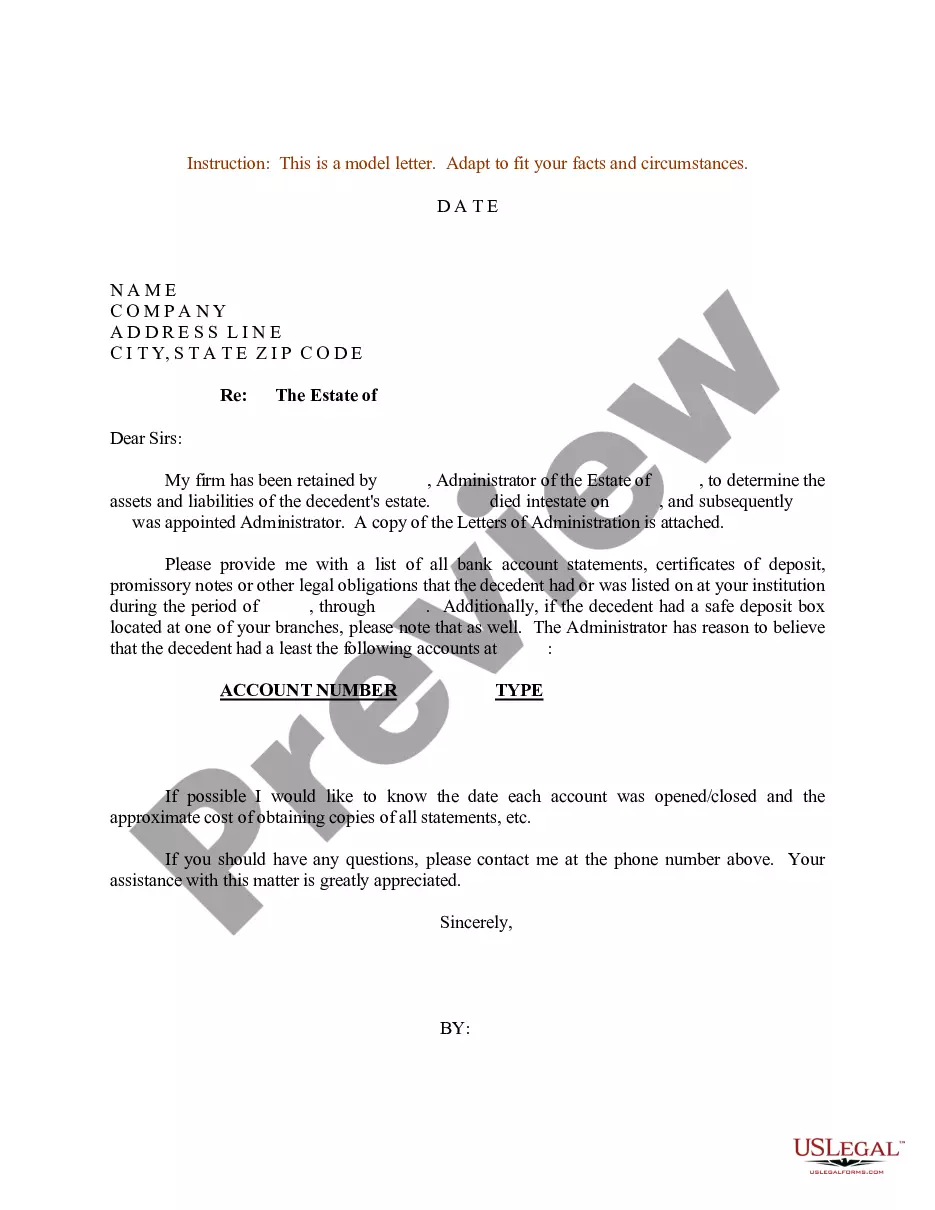
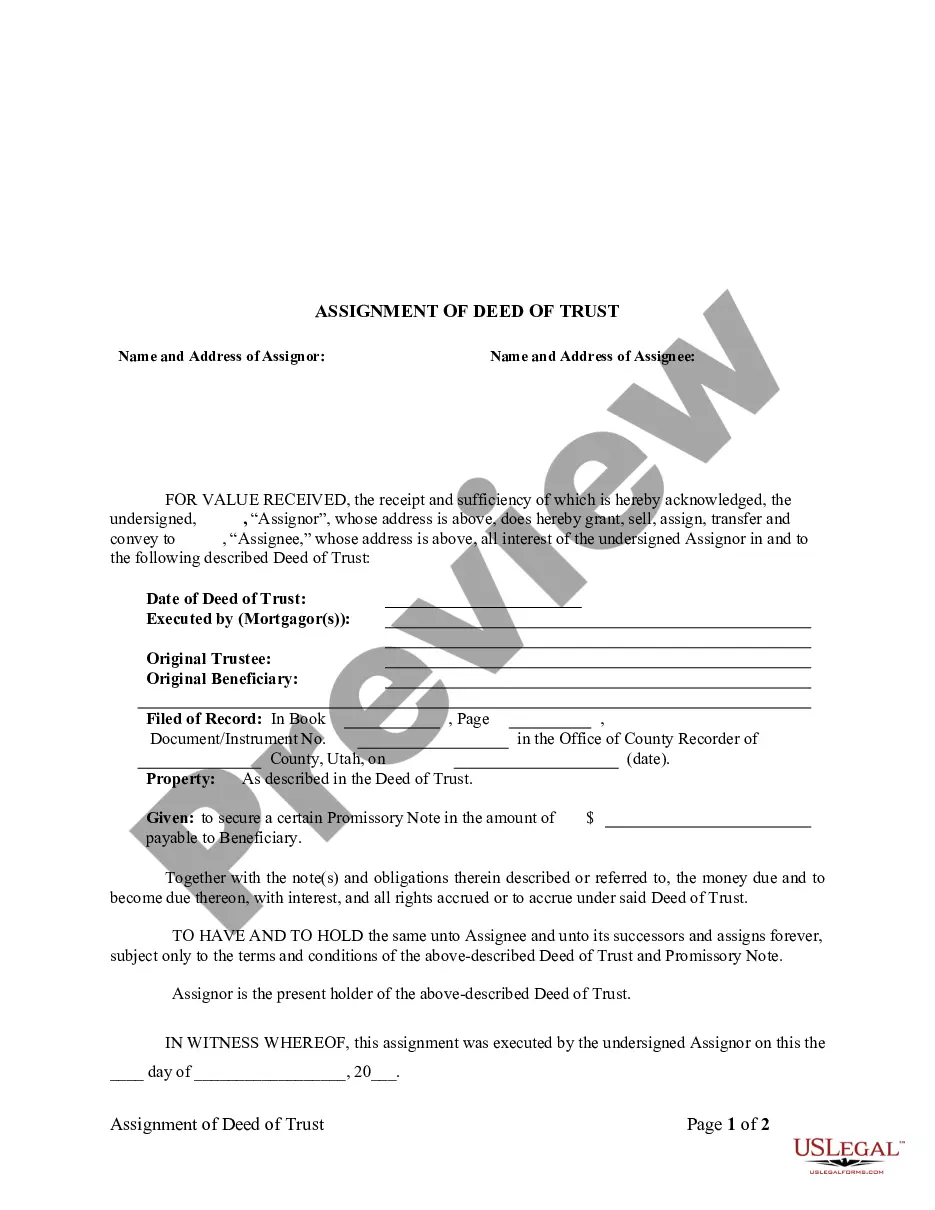
Sample Letter To Close Trust Account With The Same Email In Phoenix
Description




Get your form ready online
Our built-in tools help you complete, sign, share, and store your documents in one place.
Make edits, fill in missing information, and update formatting in US Legal Forms—just like you would in MS Word.
Download a copy, print it, send it by email, or mail it via USPS—whatever works best for your next step.
Sign and collect signatures with our SignNow integration. Send to multiple recipients, set reminders, and more. Go Premium to unlock E-Sign.
If this form requires notarization, complete it online through a secure video call—no need to meet a notary in person or wait for an appointment.
We protect your documents and personal data by following strict security and privacy standards.

Make edits, fill in missing information, and update formatting in US Legal Forms—just like you would in MS Word.

Download a copy, print it, send it by email, or mail it via USPS—whatever works best for your next step.

Sign and collect signatures with our SignNow integration. Send to multiple recipients, set reminders, and more. Go Premium to unlock E-Sign.

If this form requires notarization, complete it online through a secure video call—no need to meet a notary in person or wait for an appointment.

We protect your documents and personal data by following strict security and privacy standards.
Looking for another form?







Form popularity
FAQ
One of the teaching points is to end correspondence with “Yours sincerely” or a similar phrase when writing to someone by name. “Yours sincerely”, “Sincerely yours” and “Sincerely” are all possible. “Yours sincerely” is the most common. “Sincerely” is one often used by lawyers.
To prepare an accurate trust accounting, you must keep an inventory of trust property, and copies of all account statements, invoices, and receipts. Trustees should keep records organized and utilize financial software to better track expenses and investments. Trust accounting is usually required annually for a trust.
Rule of Professional Conduct 1.15(a) mandates that all funds received or held by a lawyer or law firm for the benefit of a client, or any other person to whom the lawyer owes a legal duty, must be deposited in one or more identifiable bank accounts labeled "Trust Account." These accounts must be maintained in ...
Every time you record a trust receipt or payment in the trust receipts journal or trust disbursements journal, you must also record the receipt or payment for the specific client in the clients' trust ledger, and calculate the unexpended balance for that client.
