Sample Letter To Close Trust Account For Deceased Person In New York
Description


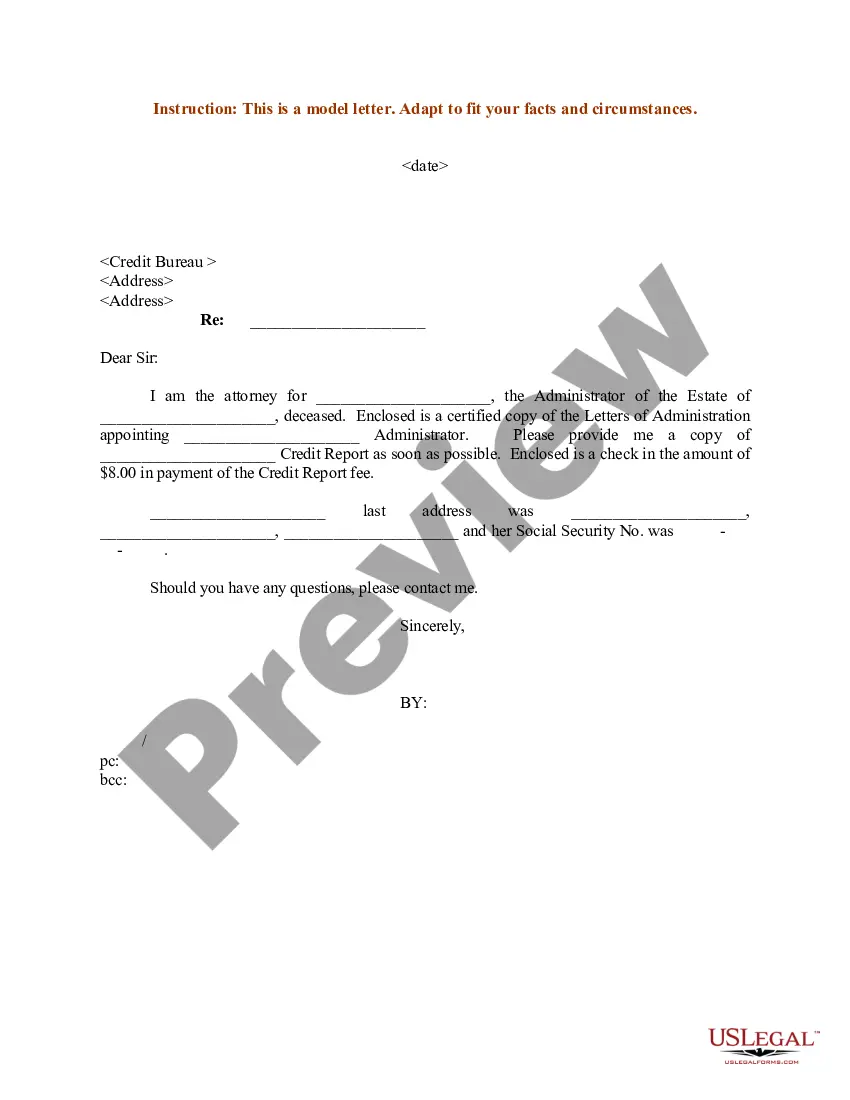

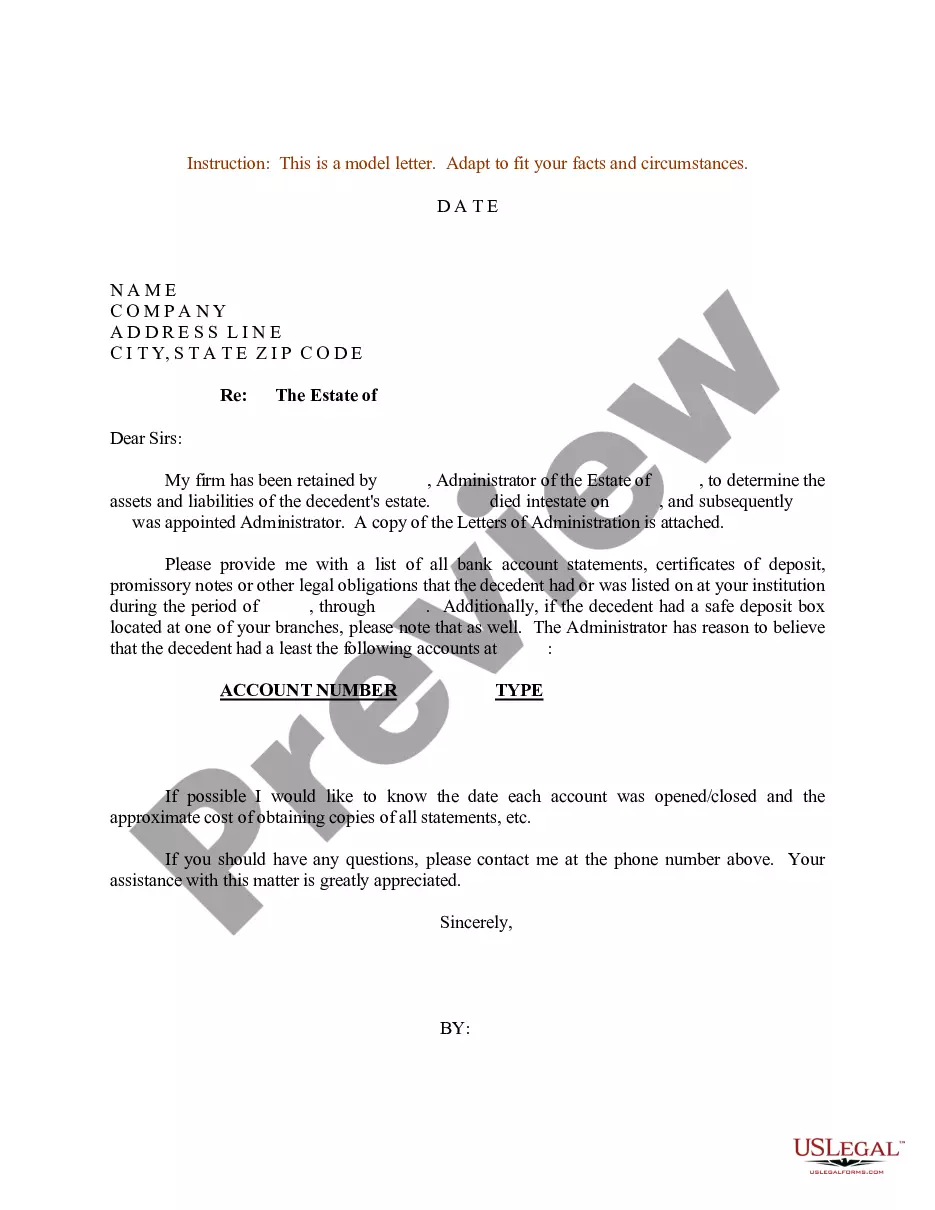
Get your form ready online
Our built-in tools help you complete, sign, share, and store your documents in one place.
Make edits, fill in missing information, and update formatting in US Legal Forms—just like you would in MS Word.
Download a copy, print it, send it by email, or mail it via USPS—whatever works best for your next step.
Sign and collect signatures with our SignNow integration. Send to multiple recipients, set reminders, and more. Go Premium to unlock E-Sign.
If this form requires notarization, complete it online through a secure video call—no need to meet a notary in person or wait for an appointment.
We protect your documents and personal data by following strict security and privacy standards.

Make edits, fill in missing information, and update formatting in US Legal Forms—just like you would in MS Word.

Download a copy, print it, send it by email, or mail it via USPS—whatever works best for your next step.

Sign and collect signatures with our SignNow integration. Send to multiple recipients, set reminders, and more. Go Premium to unlock E-Sign.

If this form requires notarization, complete it online through a secure video call—no need to meet a notary in person or wait for an appointment.

We protect your documents and personal data by following strict security and privacy standards.
Looking for another form?


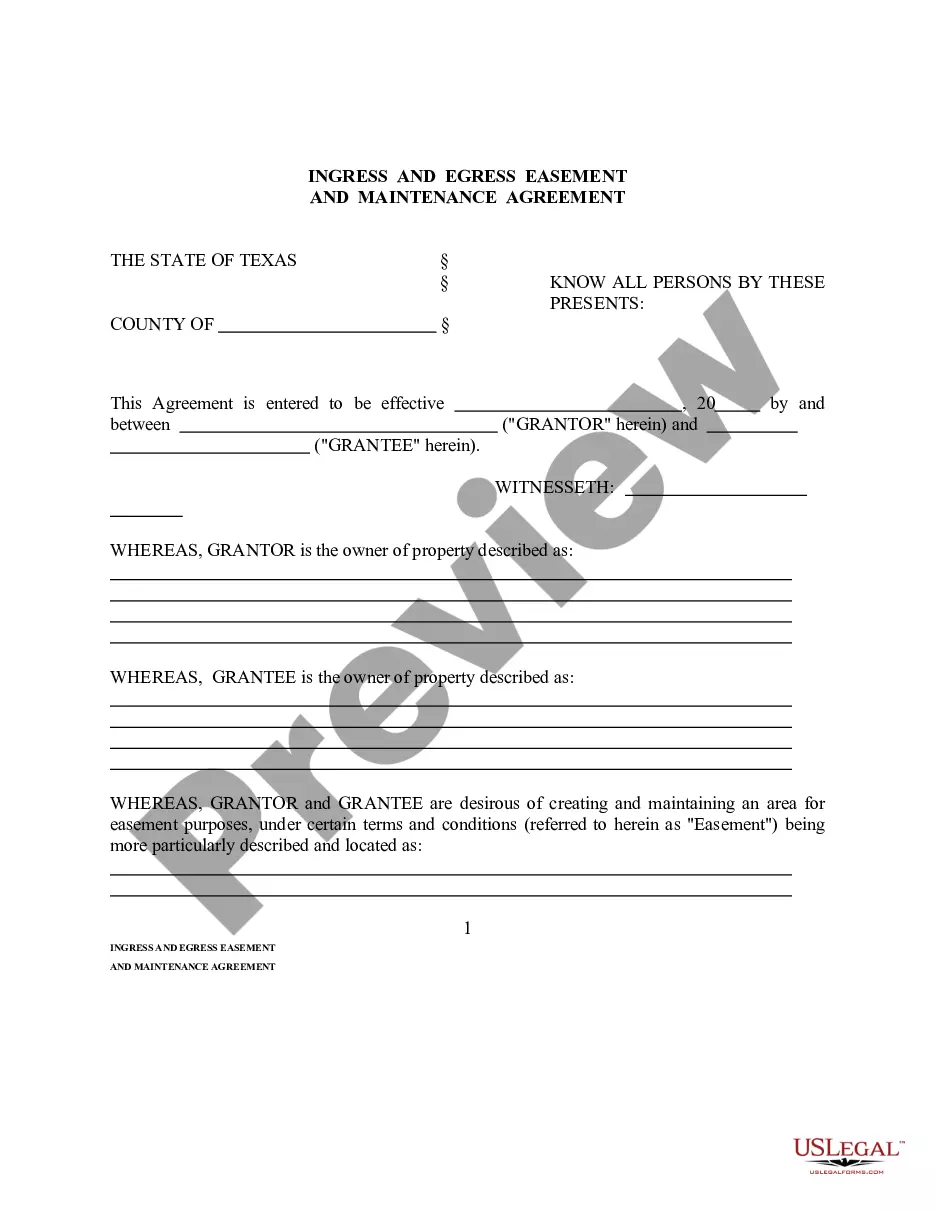

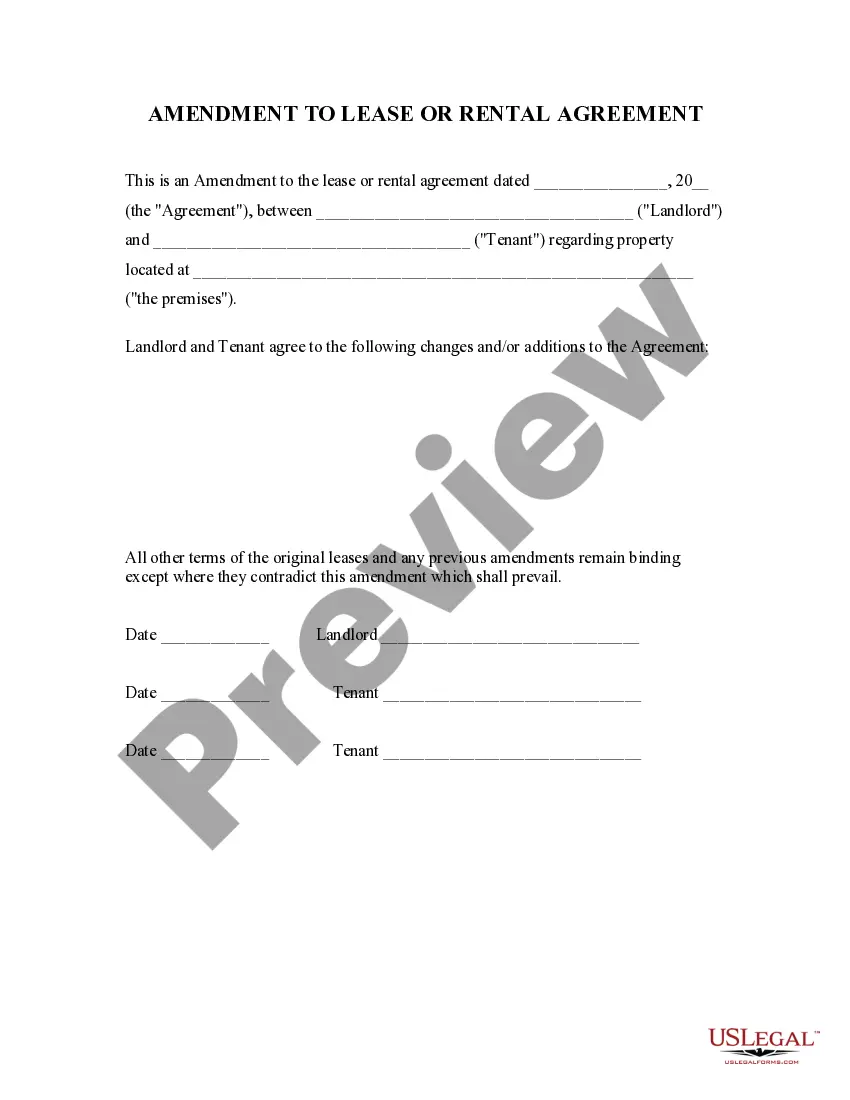
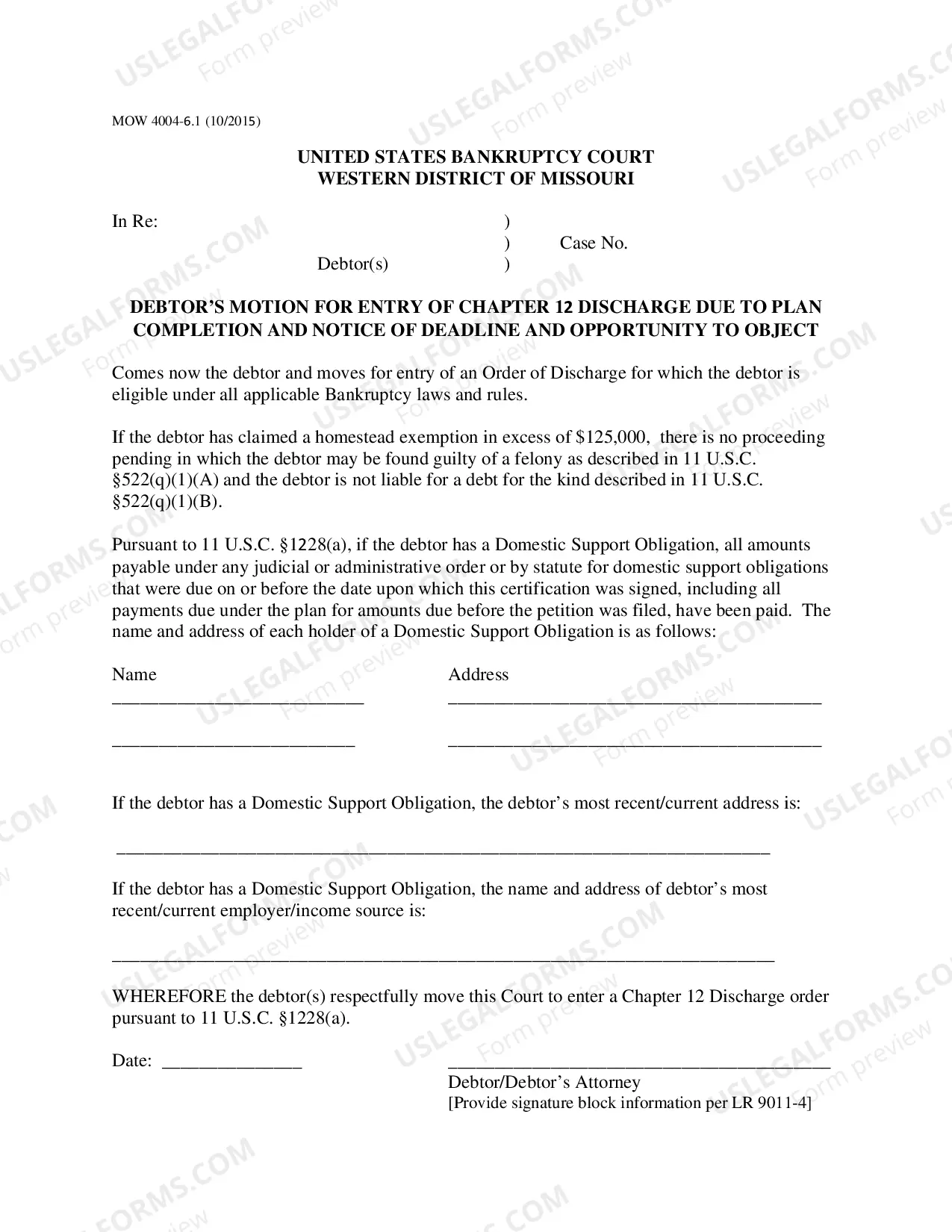
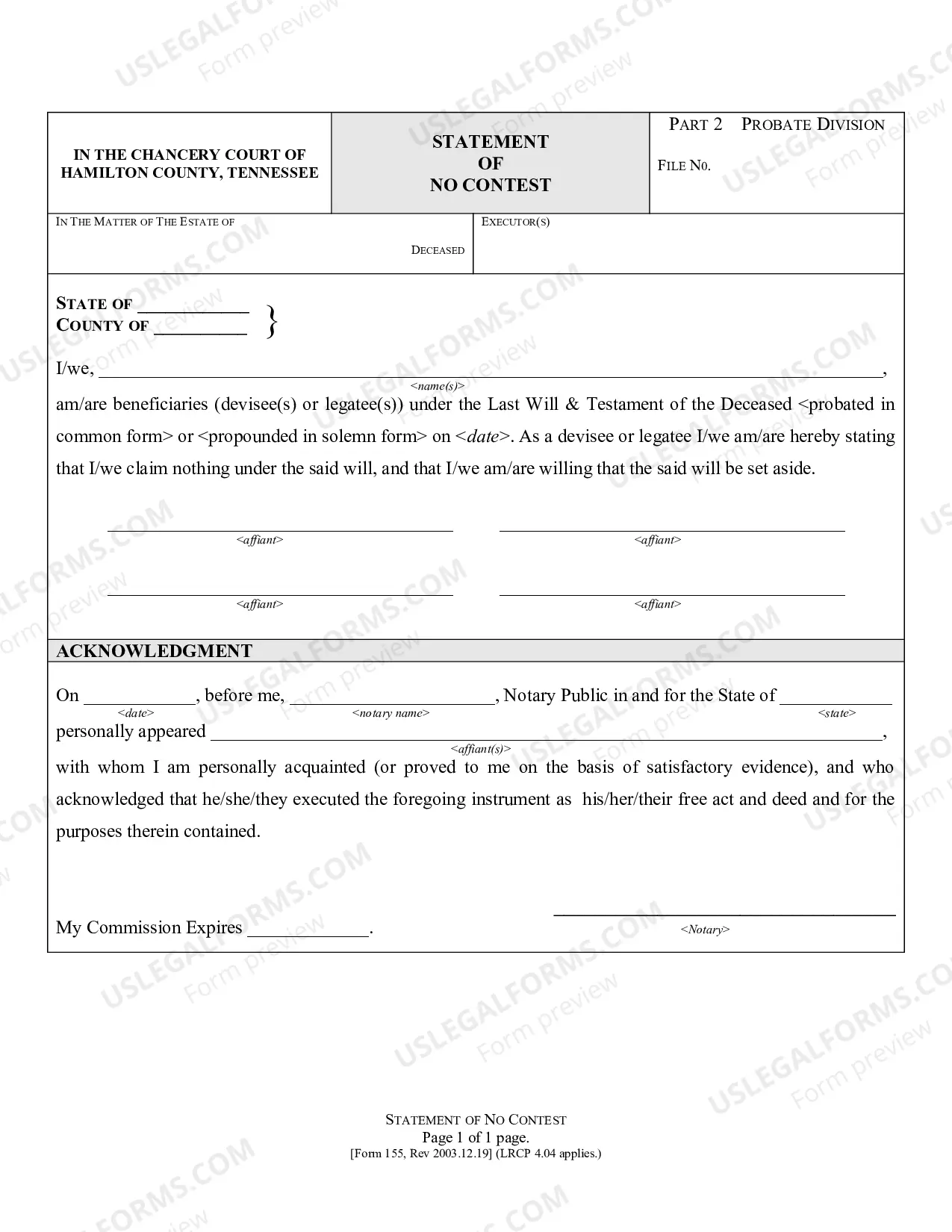
Form popularity
FAQ
How Long Does it Take to Become Executor of a New York Estate? The short answer: 2 to 6 months. Typically 3 months.
Getting started with probate in New York New York does not have a deadline for this, as other states do, but it is helpful to take this action as soon as possible to begin the process, especially if you will be going through full probate.
In New York, living trusts can prevent probate on nearly any type of asset you own—from funds in bank accounts to vehicles and real estate. While trusts offer an easy way to control which assets will go through probate, New York law allows certain assets to pass directly to a joint owner or beneficiary.
How long does it take to get letters of administration in New York. From a couple of weeks to several months. I'll give you a few examples. If the surviving family is a spouse, adult children and they all get along, then just a few weeks, because there are no court dates and no conflict.
CLOSING THE ESTATE: FORM 207.42 must be prepared and executed by the fiduciary and the attorney and filed after 7 months or by the end of 2 years from the date of fiduciary appointment. RELEASES from all beneficiaries of the estate must be executed and filed at this time, if not already filed.
New York law allows for the revocation or termination of an irrevocable living trust if all required parties consent in writing to the revocation or termination. Typically, this means that the Settlor, Trustee(s), and all qualified beneficiaries must consent to the revocation or termination of the trust.
Bank Accounts Held in Trust After your death, when the person you chose to be your successor trustee takes over, the funds will be transferred to the beneficiary you named in your trust document. No probate will be necessary. To transfer the account to your trust, tell the bank what you want to do.
Respected Sir/Madam, I am writing to you with a heavy heart to inform you of the demise of my husband, Mr. Rajeev Singh, who had a savings account in your esteemed bank. It is a difficult time for our family, and I need to settle his financial affairs.
A good letter of instruction should contain the following information: A complete list of all assets. The whereabouts of any tangible assets that are not readily accessible. Necessary information about all liquid assets, including bank, brokerage, retirement, and investment accounts.
