Decedent Account Bank With Online In Nassau
Description


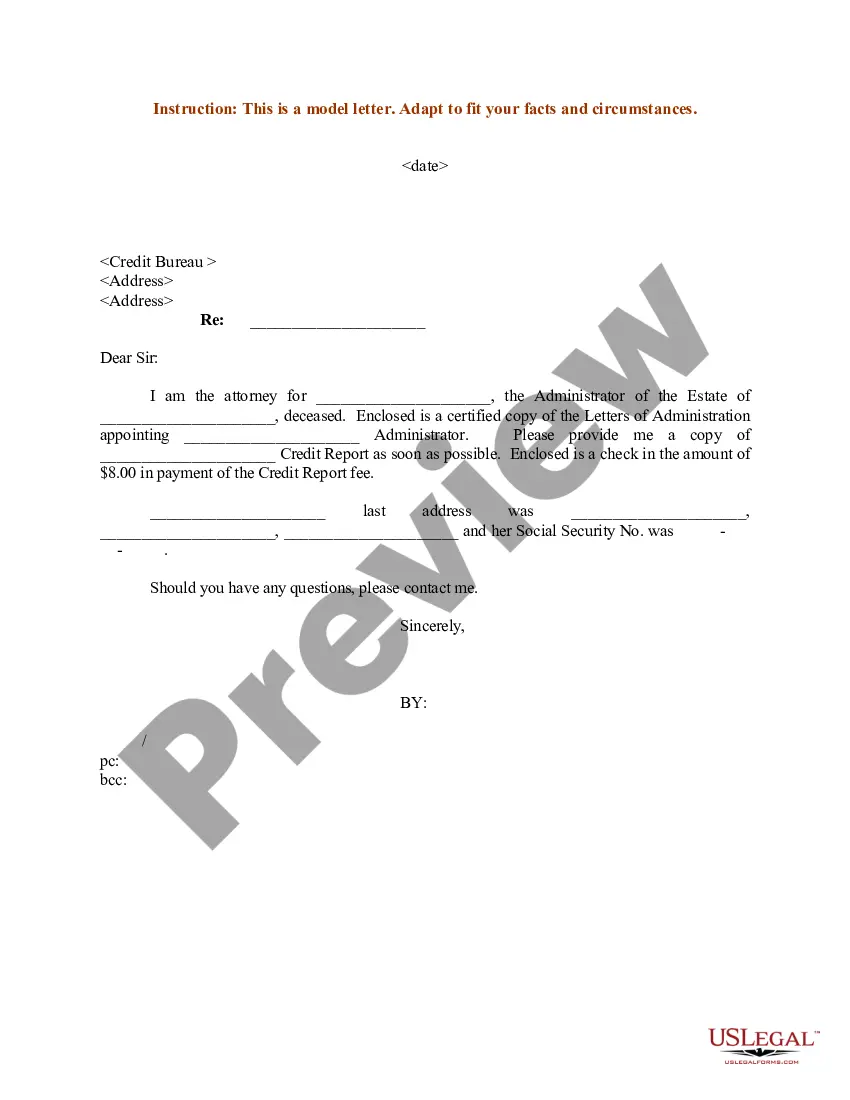

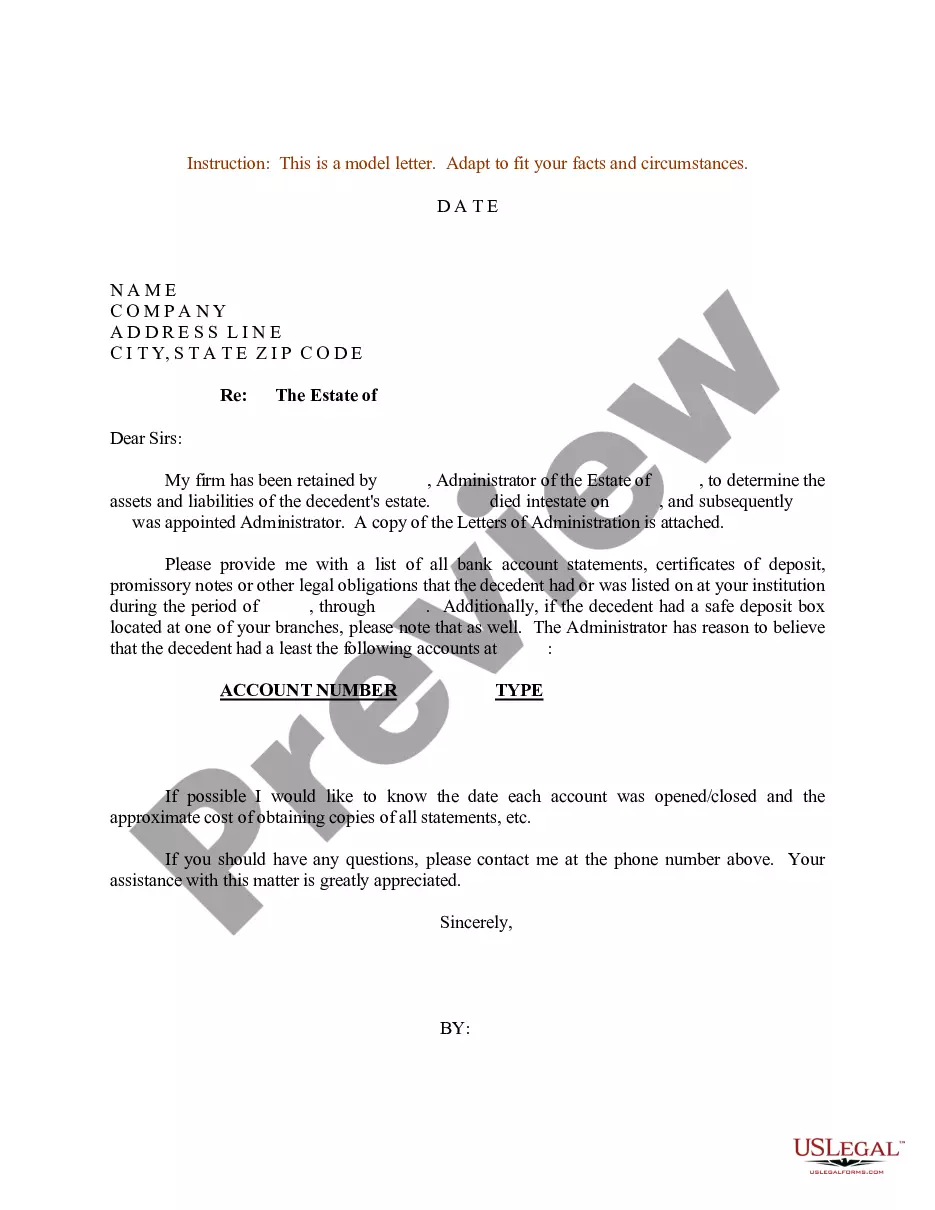
Get your form ready online
Our built-in tools help you complete, sign, share, and store your documents in one place.
Make edits, fill in missing information, and update formatting in US Legal Forms—just like you would in MS Word.
Download a copy, print it, send it by email, or mail it via USPS—whatever works best for your next step.
Sign and collect signatures with our SignNow integration. Send to multiple recipients, set reminders, and more. Go Premium to unlock E-Sign.
If this form requires notarization, complete it online through a secure video call—no need to meet a notary in person or wait for an appointment.
We protect your documents and personal data by following strict security and privacy standards.

Make edits, fill in missing information, and update formatting in US Legal Forms—just like you would in MS Word.

Download a copy, print it, send it by email, or mail it via USPS—whatever works best for your next step.

Sign and collect signatures with our SignNow integration. Send to multiple recipients, set reminders, and more. Go Premium to unlock E-Sign.

If this form requires notarization, complete it online through a secure video call—no need to meet a notary in person or wait for an appointment.

We protect your documents and personal data by following strict security and privacy standards.
Looking for another form?

Form popularity
FAQ
In these cases, simply visit the bank with a valid ID and a certified copy of the death certificate. You will then have access to the account, allowing you to withdraw the funds as needed.
When a bank account owner dies, the process is fairly straightforward if the account has a joint owner or beneficiary. Otherwise, the account typically becomes part of the owner's estate or is eventually turned over to the state government and the disbursement of funds is handled in probate court.
Getting started with probate in New York New York does not have a deadline for this, as other states do, but it is helpful to take this action as soon as possible to begin the process, especially if you will be going through full probate.
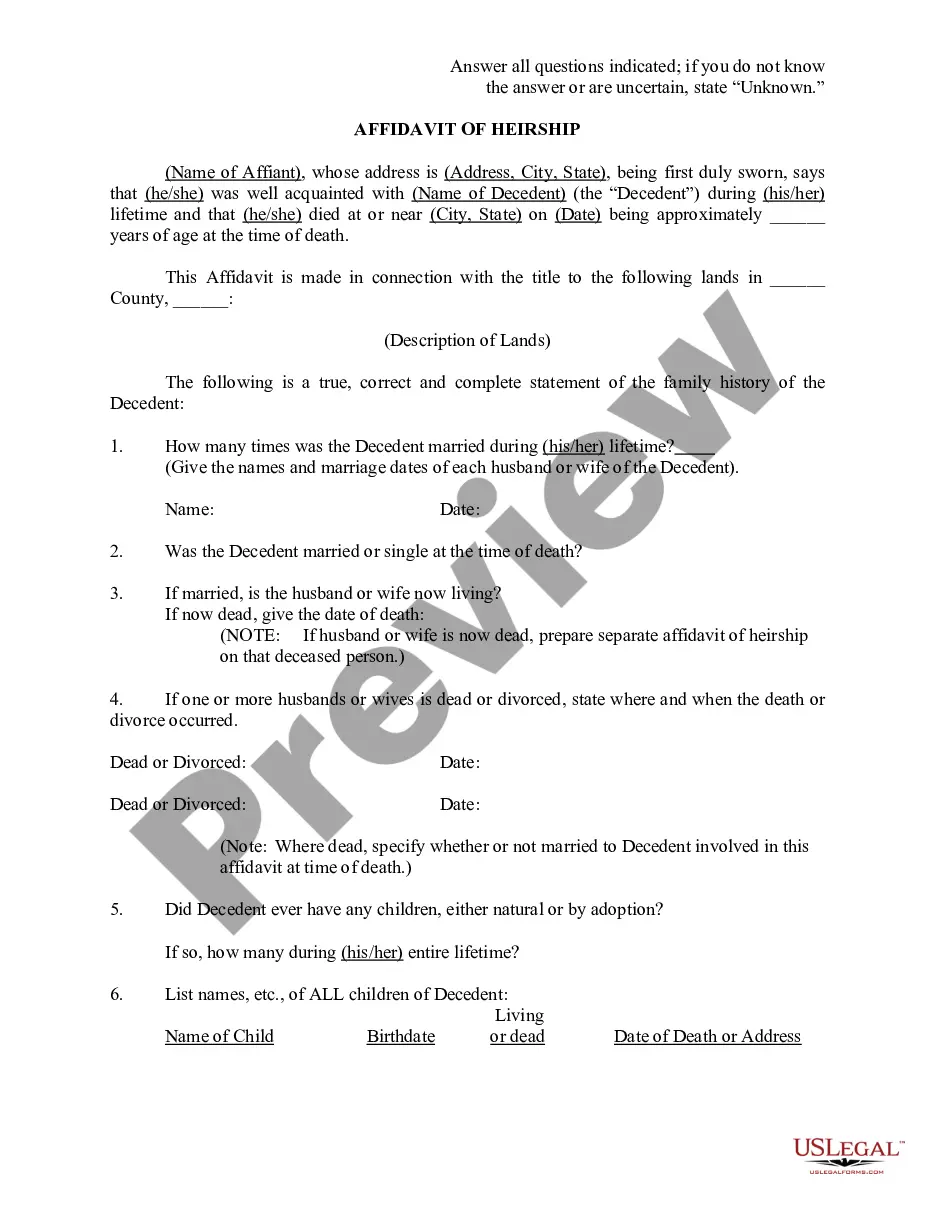
The form is fairly straightforward and requires the following information: Name, address, and date of death of the decedent. Whether the deceased person was ever married. Names of the surviving heirs. Statement that the deceased did not leave a will. Statement that you are an heir under your state intestacy law.
However, small estate affidavits are meant to offer a simple alternative to probate, and many people may use them to claim property quickly and easily without having to involve a probate lawyer.
What's Included in A Small Estate Affidavit? Provide the name of the person who died and the date of the death. State that the value of the assets in the estate is less than $50,000. State that at least 60 days have passed since the death. State that no application to appoint a personal representative has been granted.
Complete the affidavit: Fill out the form with the decedent's information, a list of their assets and the names and addresses of all heirs or beneficiaries. Notarize the affidavit: Sign the completed affidavit in front of a notary public. Some states might also require additional witnesses.
Here are the steps you need to take to successfully write a general affidavit: Title your affidavit. Don't forget to list any relevant contact or identification information that you may need to include in the heading. Write your statement. Verify that your information is true. Finalize and notarize.
