Decedent Account Bank For Business In Maricopa
Description


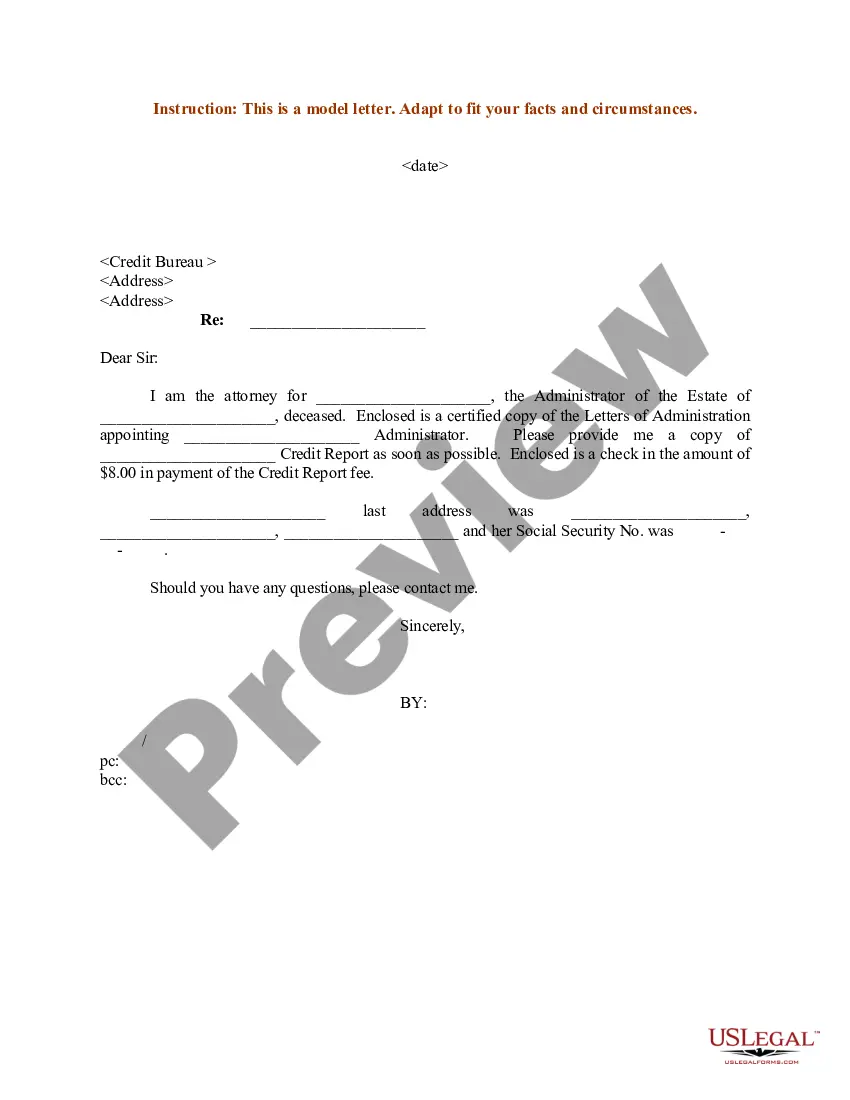

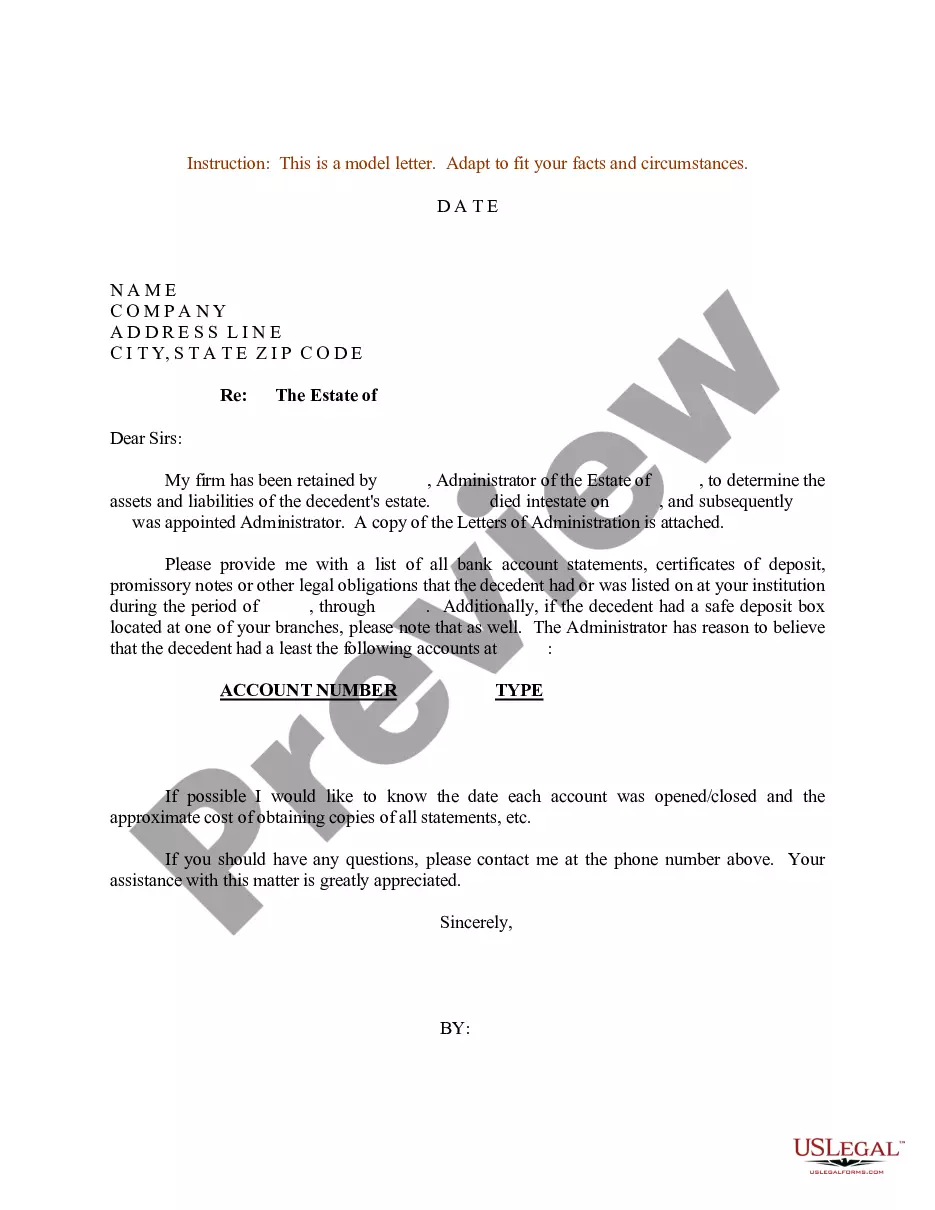
Get your form ready online
Our built-in tools help you complete, sign, share, and store your documents in one place.
Make edits, fill in missing information, and update formatting in US Legal Forms—just like you would in MS Word.
Download a copy, print it, send it by email, or mail it via USPS—whatever works best for your next step.
Sign and collect signatures with our SignNow integration. Send to multiple recipients, set reminders, and more. Go Premium to unlock E-Sign.
If this form requires notarization, complete it online through a secure video call—no need to meet a notary in person or wait for an appointment.
We protect your documents and personal data by following strict security and privacy standards.

Make edits, fill in missing information, and update formatting in US Legal Forms—just like you would in MS Word.

Download a copy, print it, send it by email, or mail it via USPS—whatever works best for your next step.

Sign and collect signatures with our SignNow integration. Send to multiple recipients, set reminders, and more. Go Premium to unlock E-Sign.

If this form requires notarization, complete it online through a secure video call—no need to meet a notary in person or wait for an appointment.

We protect your documents and personal data by following strict security and privacy standards.
Looking for another form?






Form popularity
FAQ
3: Financial Assets Bank accounts and brokerage accounts, business ownership interests, stocks, bonds, and other financial assets are also subject to probate. However, bank accounts, life insurance policies, and retirement accounts that have a designated beneficiary are not considered probate assets.
Opening Probate While some states allow up to six years to probate an estate, the state of Arizona will only accept probate cases that are opened within two years of the decedent's passing (ARS 14-3108).
Once signed and notarized, the affidavits must be filed with the probate court in the county where the property is physically located. A certified copy of the death certificate and a copy of the will, if any, must be attached to each affidavit, along with title documents for real estate and other large assets.
An estate account will remain open until the funds have been distributed in ance with the distribution and/or probate order.
An estate checking account serves as a temporary account to manage the estate's financial affairs. A personal representative must request an employer identification number (EIN) from the IRS to open a checking account with a financial institution.
Eligible accounts include checking, savings, certificate of deposit (CD), investment and individual retirement accounts (IRA). These accounts can be individual or co-owned personal accounts and/ or sole proprietor small business accounts, but only the account owner can designate POD beneficiaries.
How to open an estate account Step 1: Begin the probate process. The steps for beginning this process depend on the state in which the deceased person resided. Step 2: Obtain a tax ID number for the estate account. Step 3: Bring all required documents to the bank. Step 4: Open the estate account.
Eligible accounts include checking, savings, certificate of deposit (CD), investment and individual retirement accounts (IRA). These accounts can be individual or co-owned personal accounts and/ or sole proprietor small business accounts, but only the account owner can designate POD beneficiaries.
