Account Estate Bank Withdrawal In Maricopa
Description


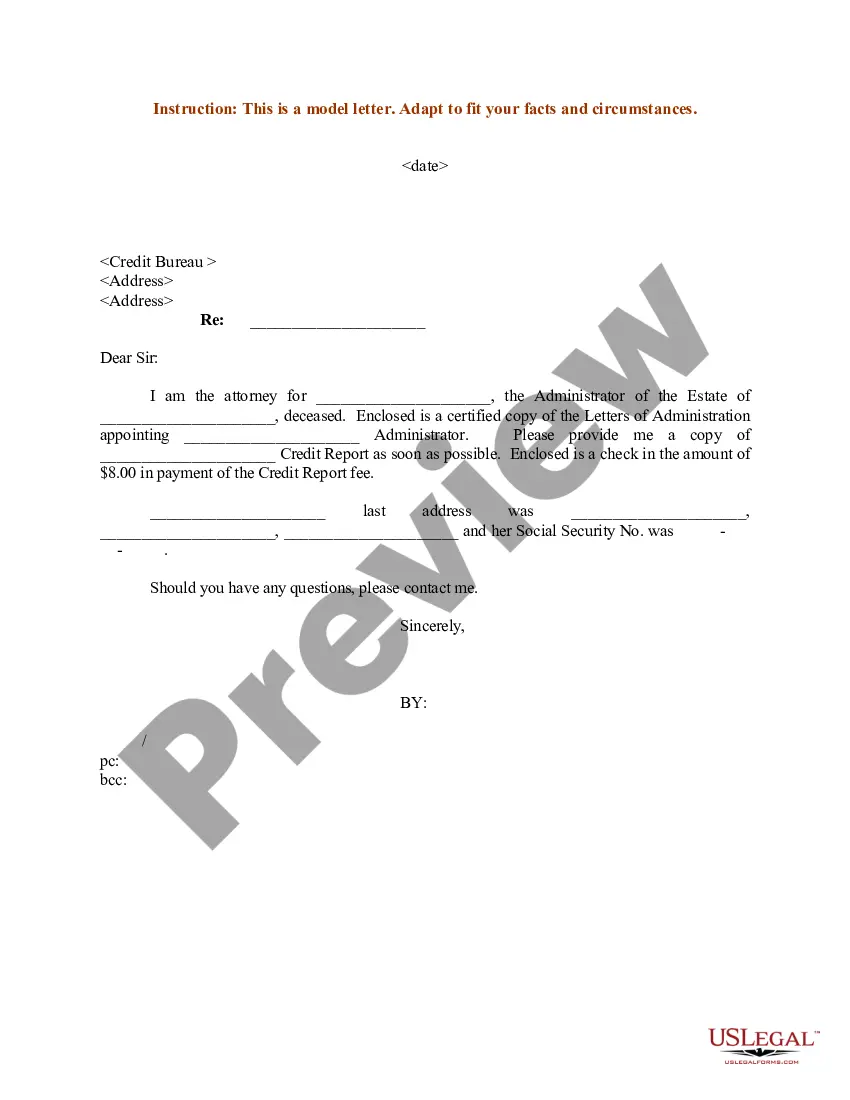

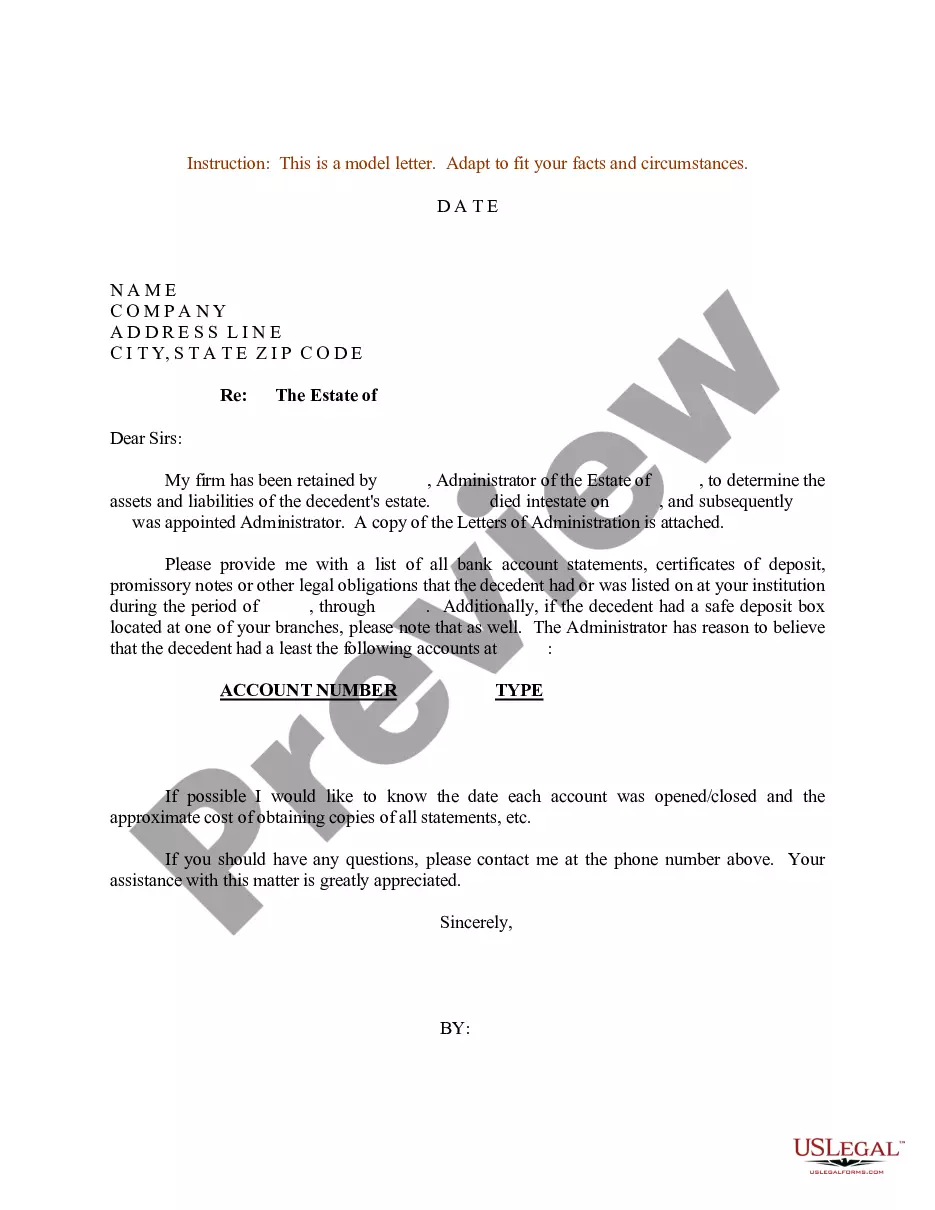
Get your form ready online
Our built-in tools help you complete, sign, share, and store your documents in one place.
Make edits, fill in missing information, and update formatting in US Legal Forms—just like you would in MS Word.
Download a copy, print it, send it by email, or mail it via USPS—whatever works best for your next step.
Sign and collect signatures with our SignNow integration. Send to multiple recipients, set reminders, and more. Go Premium to unlock E-Sign.
If this form requires notarization, complete it online through a secure video call—no need to meet a notary in person or wait for an appointment.
We protect your documents and personal data by following strict security and privacy standards.

Make edits, fill in missing information, and update formatting in US Legal Forms—just like you would in MS Word.

Download a copy, print it, send it by email, or mail it via USPS—whatever works best for your next step.

Sign and collect signatures with our SignNow integration. Send to multiple recipients, set reminders, and more. Go Premium to unlock E-Sign.

If this form requires notarization, complete it online through a secure video call—no need to meet a notary in person or wait for an appointment.

We protect your documents and personal data by following strict security and privacy standards.
Looking for another form?





Form popularity
FAQ
There is no statutory requirement to do this. You should engage with the residuary beneficiary to establish why they are refusing to approve the estate accounts and seek to resolve the matter.
The procedure for using a small estate affidavit involves submitting a sworn statement verifying that the estate qualifies as a small estate ing to Arizona law. This affidavit enables the designated affiant, who is often a close relative or legal representative, to collect and distribute the deceased's assets.
DEATH OF AN ACCOUNT OWNER (12 C.F.R. § 330.3(j)) To ensure that families dealing with the death of a family member have adequate time to review and restructure their accounts if necessary, the FDIC will insure the deceased owner's accounts as if he or she were still alive for six months after his or her death.
State laws typically govern the specific timeframe for keeping an estate open after death, but the average is about two years. The duration an estate remains open depends on how fast it goes through the probate process, how quickly the executor can fulfill their responsibilities, and the complexity of the estate.
Completing a small estate affidavit in Arizona can speed up and simplify the process of managing a deceased person's estate without the need for formal probate. It can be used only for estates with a relatively low total value, and also has to meet other criteria.
Complete the affidavit: Fill out the form with the decedent's information, a list of their assets and the names and addresses of all heirs or beneficiaries. Notarize the affidavit: Sign the completed affidavit in front of a notary public. Some states might also require additional witnesses.
State laws typically govern the specific timeframe for keeping an estate open after death, but the average is about two years. The duration an estate remains open depends on how fast it goes through the probate process, how quickly the executor can fulfill their responsibilities, and the complexity of the estate.
Opening Probate While some states allow up to six years to probate an estate, the state of Arizona will only accept probate cases that are opened within two years of the decedent's passing (ARS 14-3108).
Any time someone dies with more than $100,000 in real property or $75,000 in personal property, their estate must go through probate ing to Arizona probate law. Even if the person has a will, the court must still decide whether or not the will is valid.
