Letter For Closing Bank Account After Death With Joint
Description

Get your form ready online
Our built-in tools help you complete, sign, share, and store your documents in one place.
Make edits, fill in missing information, and update formatting in US Legal Forms—just like you would in MS Word.
Download a copy, print it, send it by email, or mail it via USPS—whatever works best for your next step.
Sign and collect signatures with our SignNow integration. Send to multiple recipients, set reminders, and more. Go Premium to unlock E-Sign.
If this form requires notarization, complete it online through a secure video call—no need to meet a notary in person or wait for an appointment.
We protect your documents and personal data by following strict security and privacy standards.

Make edits, fill in missing information, and update formatting in US Legal Forms—just like you would in MS Word.

Download a copy, print it, send it by email, or mail it via USPS—whatever works best for your next step.

Sign and collect signatures with our SignNow integration. Send to multiple recipients, set reminders, and more. Go Premium to unlock E-Sign.

If this form requires notarization, complete it online through a secure video call—no need to meet a notary in person or wait for an appointment.

We protect your documents and personal data by following strict security and privacy standards.
Looking for another form?
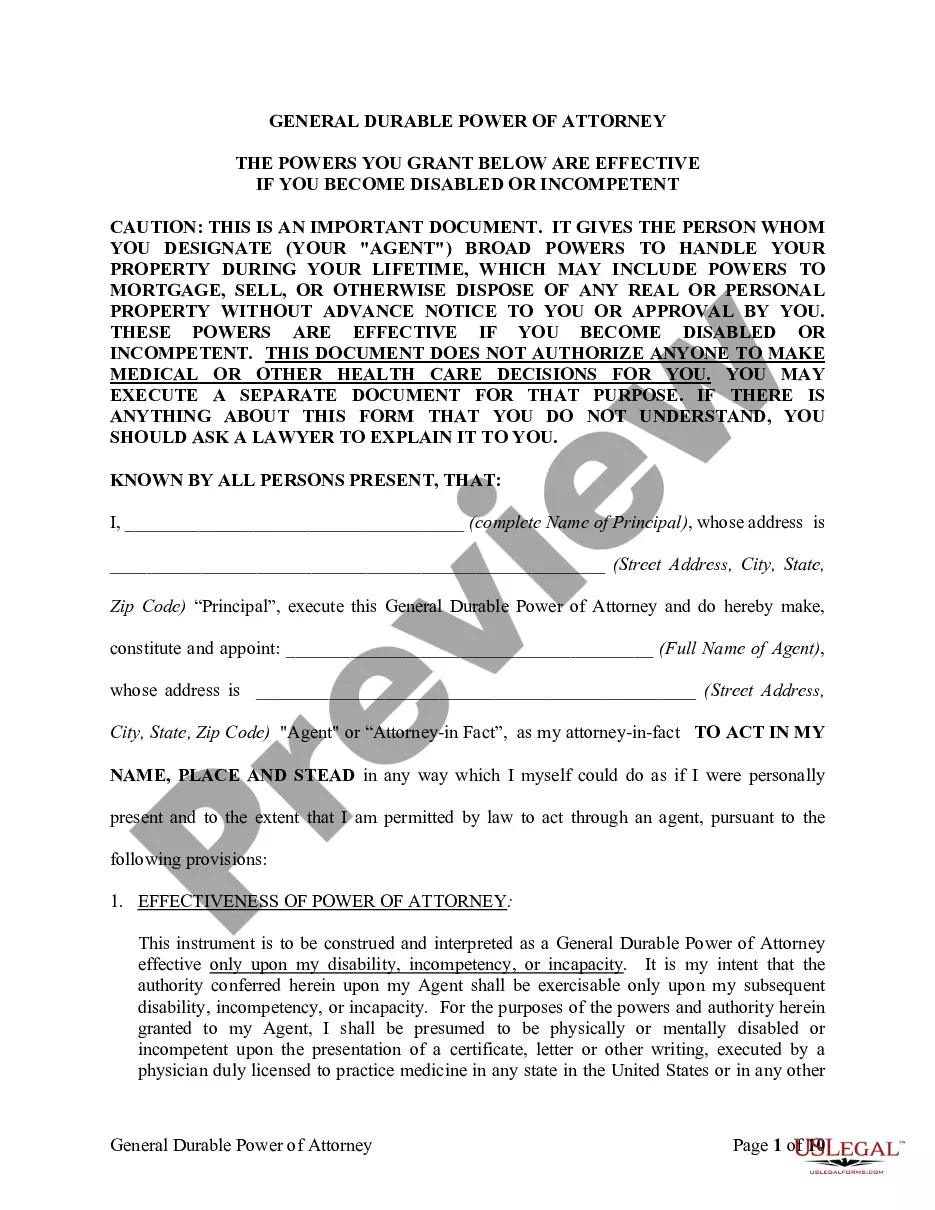
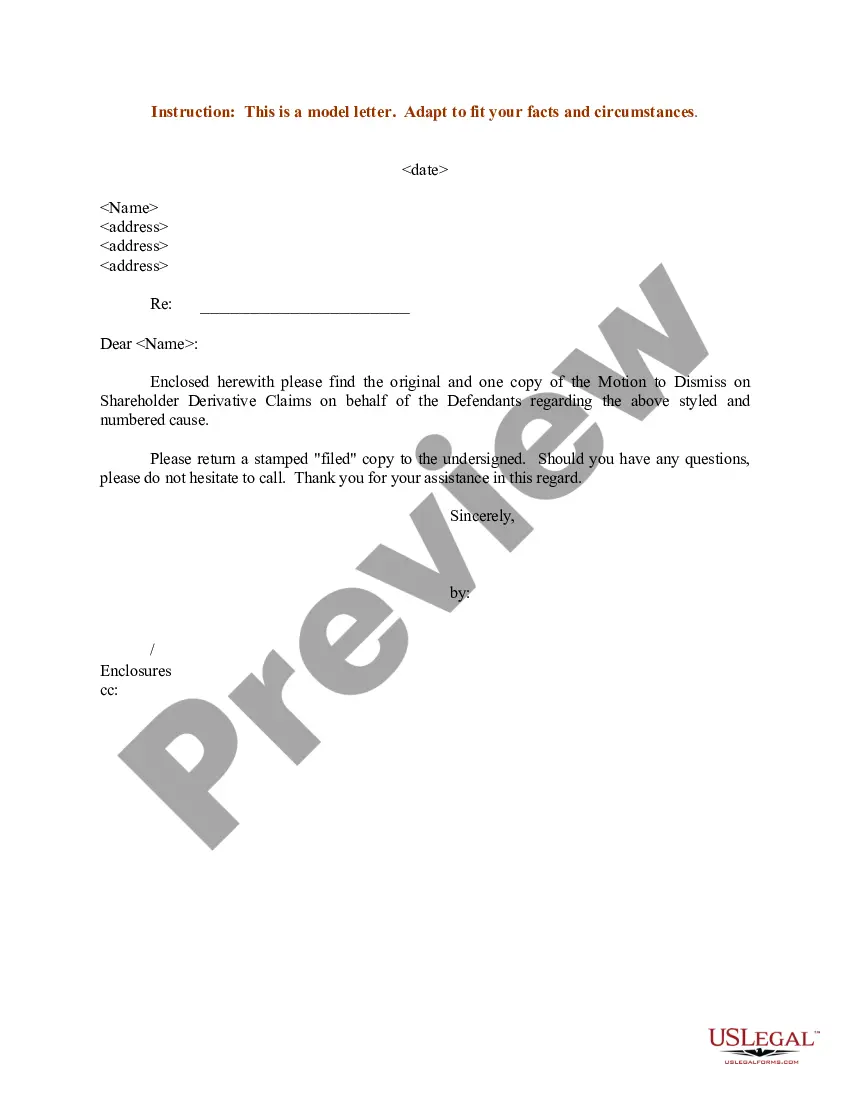
How to fill out Sample Letter To Bank Concerning Accounts Of Decedent?
Managing legal documents and activities can be a labor-intensive addition to your day.
Correspondence for Terminating Bank Account After Demise With Joint and similar forms generally necessitate searching for them and figuring out how to fill them out correctly.
Consequently, if you are managing financial, legal, or personal issues, utilizing a thorough and functional online repository of forms at your disposal will greatly assist you.
US Legal Forms stands as the leading online resource for legal templates, featuring more than 85,000 state-specific documents and an array of tools designed to help you complete your paperwork with ease.
Simply Log In to your account, find the Correspondence for Terminating Bank Account After Demise With Joint, and download it promptly from the My documents section. You can also retrieve previously stored forms.
- Browse through the repository of suitable documents accessible to you with just one click.
- US Legal Forms provides you with state- and county-specific documents available at any time for download.
- Safeguard your document management process using a premium service that enables you to create any form in minutes without any additional or concealed fees.
Form popularity
FAQ
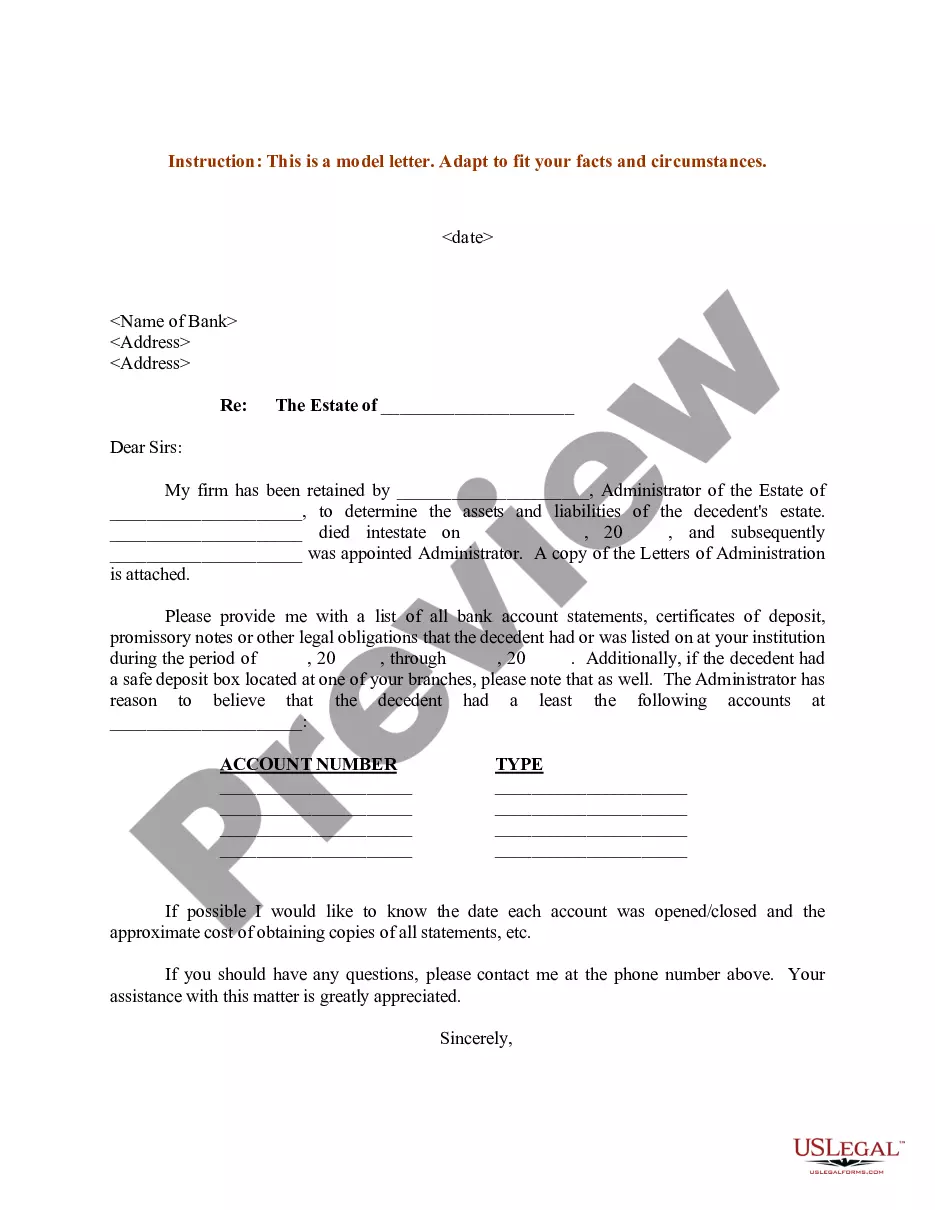
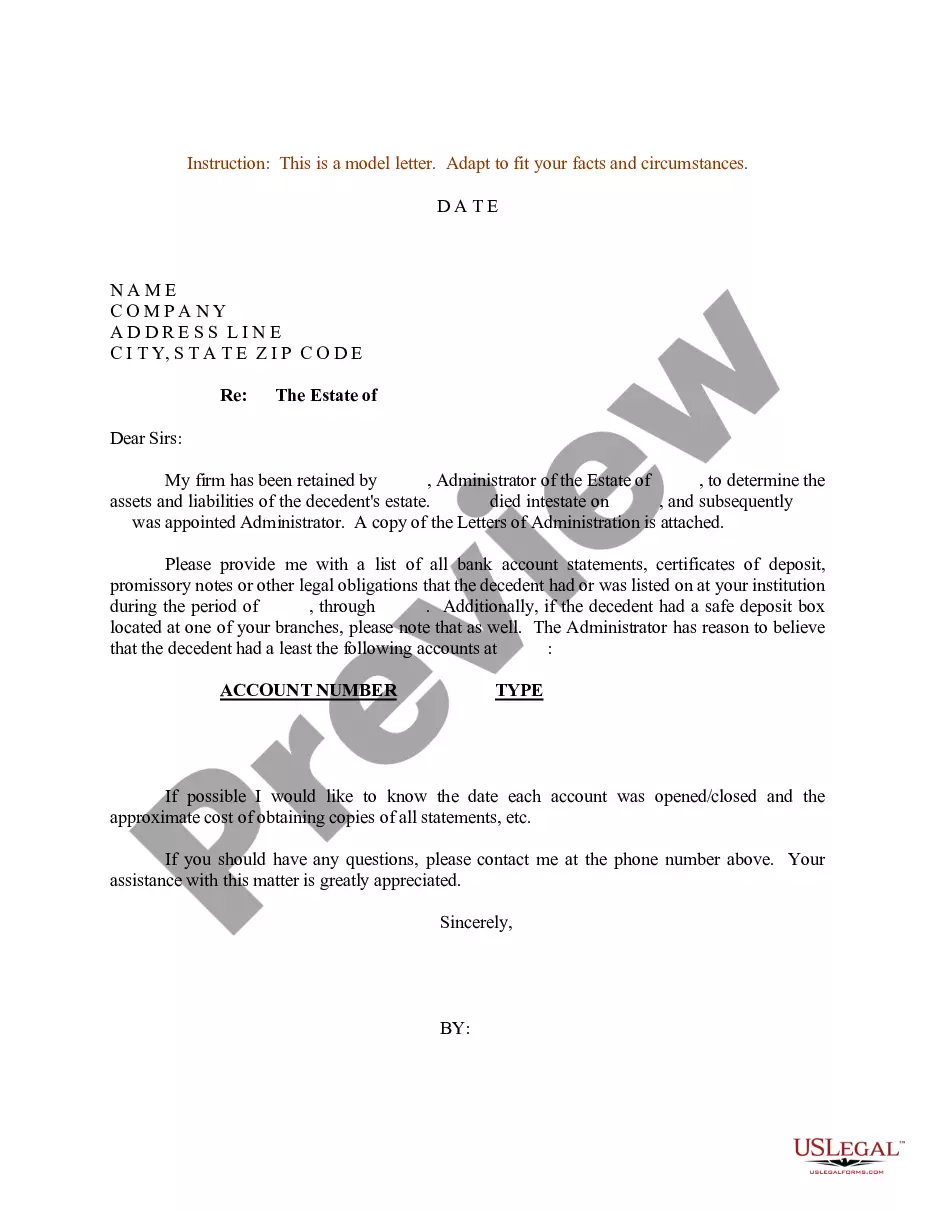
To close a joint bank account after death, first gather the necessary documents, including a death certificate and identification. Visit the bank with the required paperwork, or send a letter for closing bank account after death with joint if visiting is not possible. Bank representatives will guide you through their procedures to ensure the account closing process is handled properly. This method can alleviate some of the stress during a tough time.
When writing a letter to close a joint bank account, clearly state your intention and include the account details. Specify the reason for closure and provide your identification and the identity of the joint account holder. A letter for closing bank account after death with joint can be utilized to inform the bank of significant changes, ensuring they process your request efficiently. Keep the tone professional and respectful.
To write a letter for closing the bank account of a deceased person, start by including essential details like the account number and the deceased's name. Mention that you wish to close the account due to their passing and attach a copy of the death certificate. Be sure to include your contact information for any necessary follow-up. Utilizing a well-crafted letter for closing bank account after death with joint can streamline this sensitive process.
Yes, you typically need a death certificate to close a joint bank account. Banks require this document to establish the account owner's death and to follow legal protocols. Additionally, presenting a death certificate along with a letter for closing bank account after death with joint ensures a smooth process. It helps clarify any uncertainties the bank might have regarding account ownership.
To write a letter for removing one name from a joint bank account after death, start by addressing the bank and including account details. Clearly mention the name of the deceased and the request to remove it from the account, attaching relevant documentation such as the death certificate. Ensure you also request a confirmation once the name has been successfully removed, which can help maintain your records.
Closing a joint bank account when one person dies typically requires a letter for closing bank account after death with joint ownership. You will need to prepare a letter that identifies both account owners, specifies the decision to close the account due to the death, and includes supporting documents like the death certificate. Be sure to ask the bank for confirmation once the process is complete.
To write a letter for closing a joint account, begin with your name and account details. State the reason for the closure, especially if it’s due to the death of a co-holder, and emphasize the need to provide accompanying documents, such as a death certificate. Wrap up the letter by requesting feedback regarding the closure and thanking them for their services.
When preparing a letter for closing a joint bank account after death, start by addressing the bank and including both account holder names. Mention the deceased’s name clearly, explain that the account needs closure due to their passing, and attach required documents like the death certificate. Finally, request a written confirmation of the closure for your records and express appreciation for their prompt attention.
To write an effective letter for closing a bank account after death with joint ownership, start by including your name, address, and contact information at the top. Clearly state the account details, the reason for the closure, and offer the necessary documents, such as the death certificate. Conclude the letter by requesting confirmation of the account closure and thanking the bank for their assistance.
To close a deceased bank account, you generally need several key documents. First, you will need a letter for closing bank account after death with joint, which outlines your request. Additionally, you must provide a death certificate and possibly identification for the surviving account holder. Each bank may have distinct requirements, so it's wise to reach out and confirm what you need to complete the process efficiently.