Sample Letter To Close Trust Account For A Minor In Kings
Description


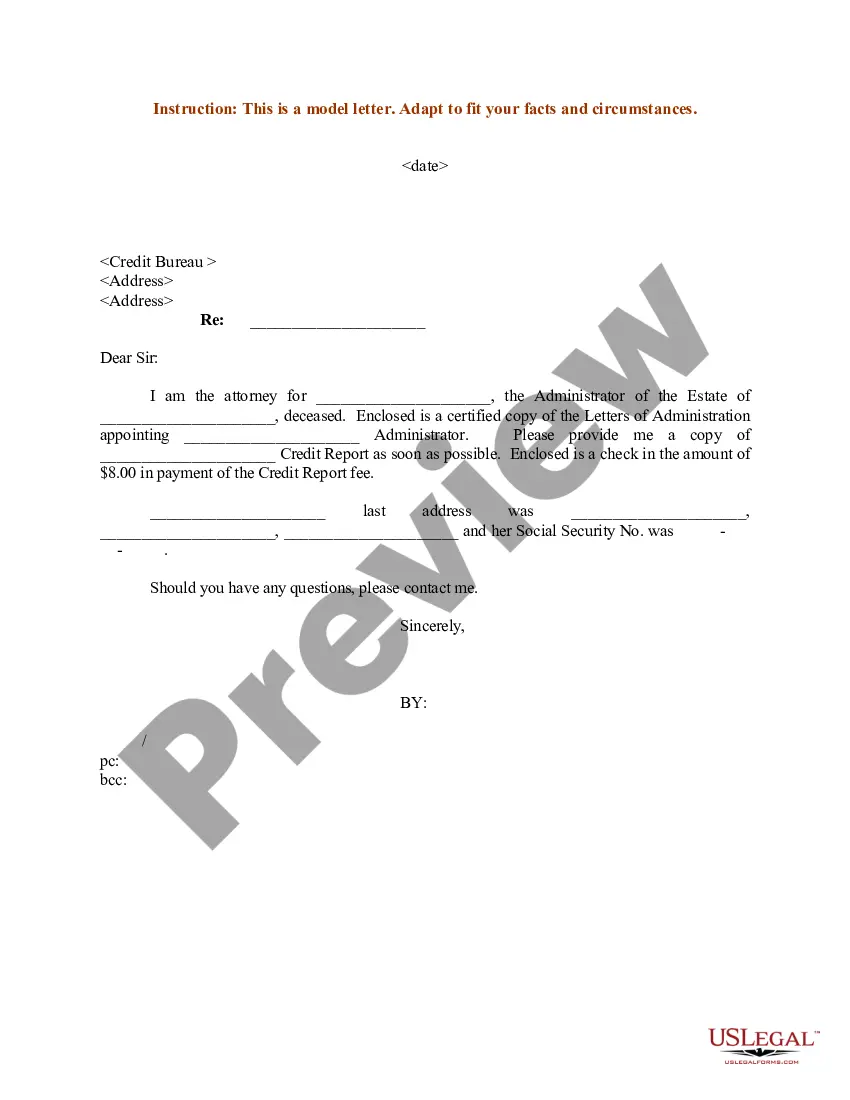

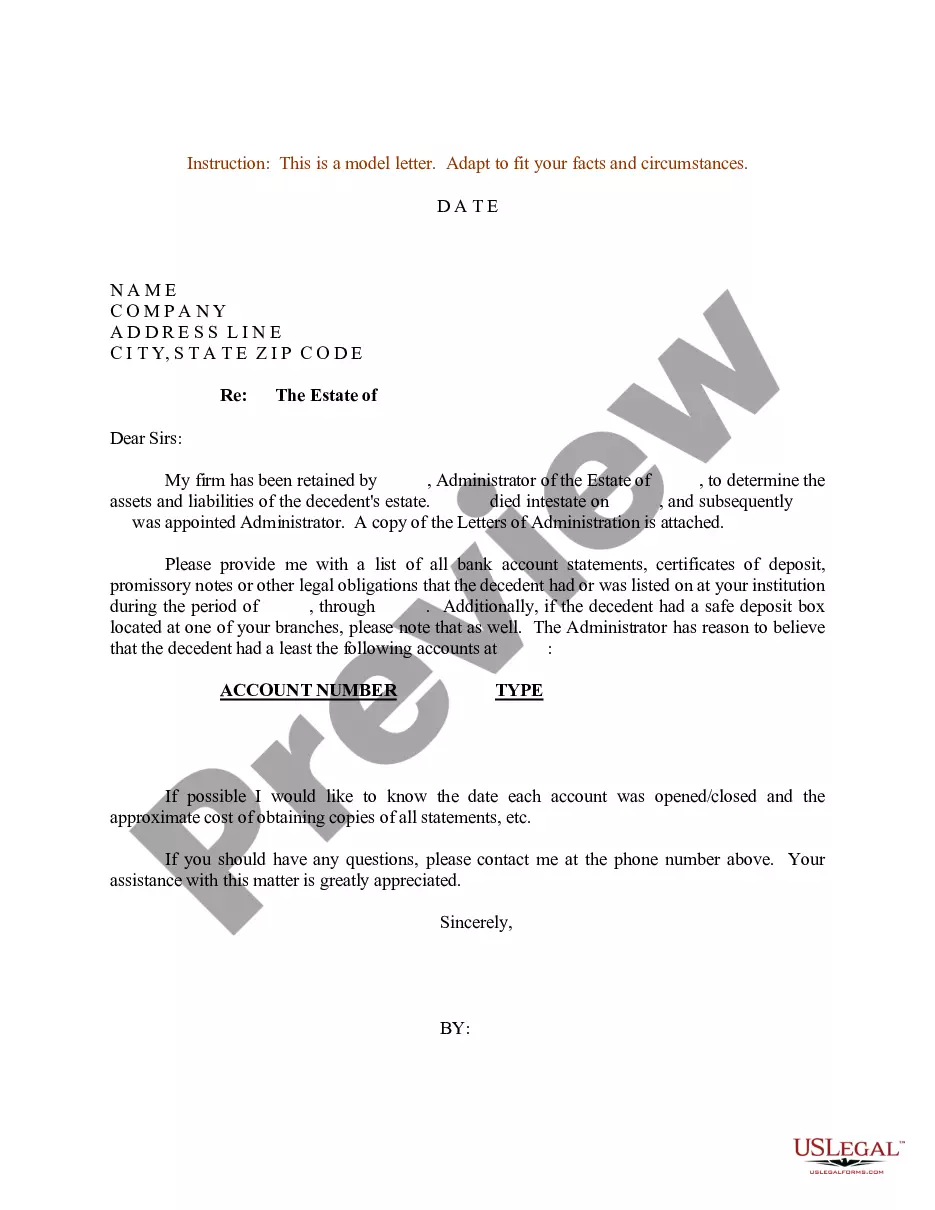
Get your form ready online
Our built-in tools help you complete, sign, share, and store your documents in one place.
Make edits, fill in missing information, and update formatting in US Legal Forms—just like you would in MS Word.
Download a copy, print it, send it by email, or mail it via USPS—whatever works best for your next step.
Sign and collect signatures with our SignNow integration. Send to multiple recipients, set reminders, and more. Go Premium to unlock E-Sign.
If this form requires notarization, complete it online through a secure video call—no need to meet a notary in person or wait for an appointment.
We protect your documents and personal data by following strict security and privacy standards.

Make edits, fill in missing information, and update formatting in US Legal Forms—just like you would in MS Word.

Download a copy, print it, send it by email, or mail it via USPS—whatever works best for your next step.

Sign and collect signatures with our SignNow integration. Send to multiple recipients, set reminders, and more. Go Premium to unlock E-Sign.

If this form requires notarization, complete it online through a secure video call—no need to meet a notary in person or wait for an appointment.

We protect your documents and personal data by following strict security and privacy standards.
Looking for another form?



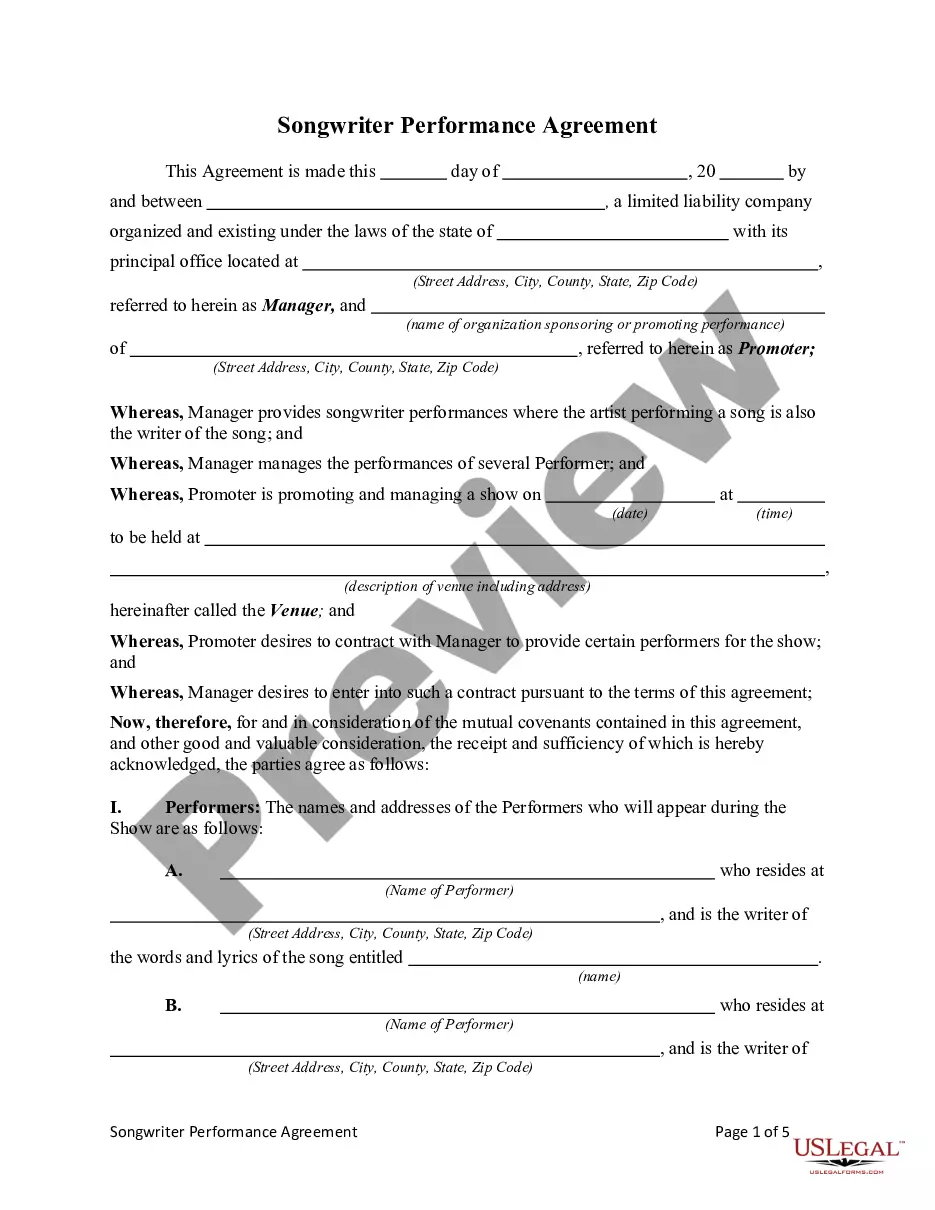

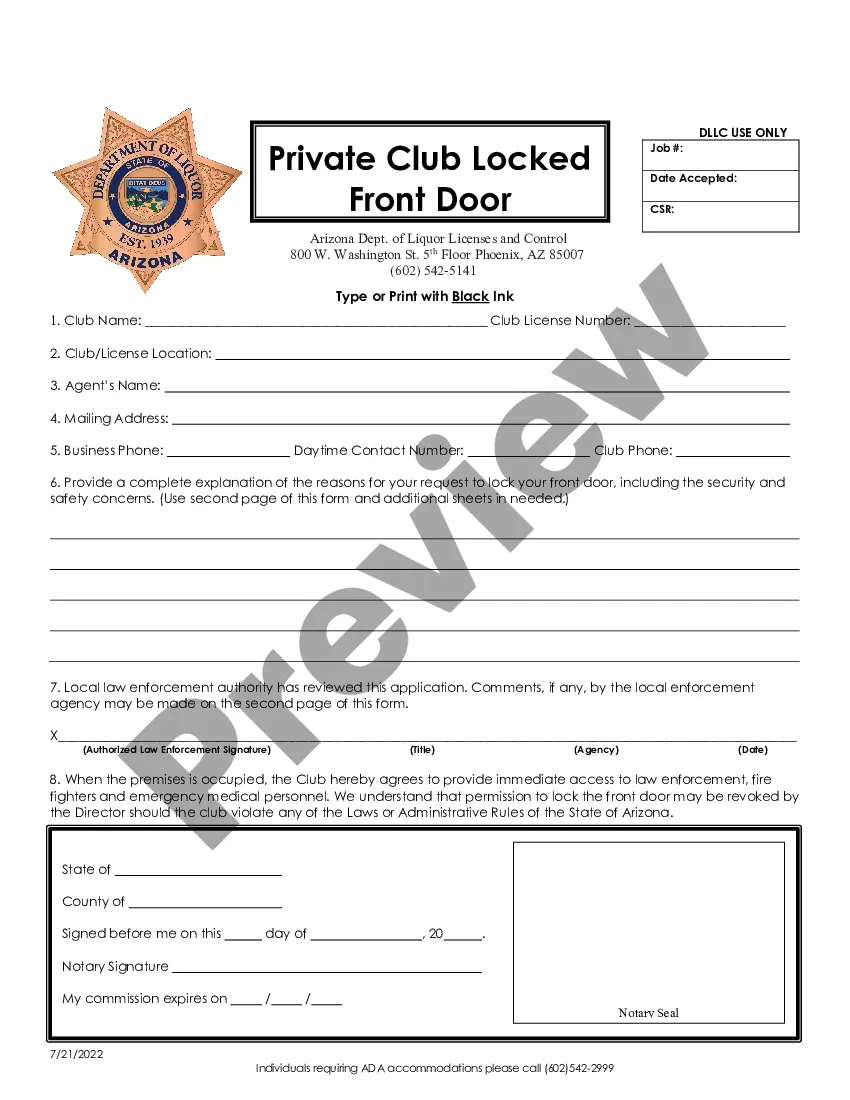



Form popularity
FAQ
A beneficiary letter of instruction should include the names and contact information of your beneficiaries, as well as their relationship to you. It should also specify how you would like the assets in your bank account to be distributed and any other instructions or wishes you may have.
Send notice in writing to all of the trust beneficiaries and any other interested parties providing them with the effective date of the trust dissolution. Obtain signed documents from the beneficiaries acknowledging their receipt of trust distributions.
It's a good way to let to those trusted to take care of your affairs know what you would want them to know. Since the letter of instruction is not a legal document, it does not need to be notarized or signed in the presence of witnesses or with any other special formality.
A good letter of instruction should contain the following information: A complete list of all assets. The whereabouts of any tangible assets that are not readily accessible. Necessary information about all liquid assets, including bank, brokerage, retirement, and investment accounts.
A letter of instruction is a cheat sheet for anyone involved in settling your affairs. Unlike a will, this letter has no legal authority. However, it can provide an easy-to-understand explanation of your overall estate plan to your executor and lay out your wishes to your family for things not covered by the will.
It's not a replacement for a will, and in fact it's not even a legal document. But it can be incorporated into the necessary legal documents as a guide and the key to making sure everything is accounted for and accessible to the family members left behind.
Terminating an active trust requires court intervention or unanimous beneficiary consent. A party with legal standing must demonstrate compelling reasons for a judge to order dissolution, or alternatively, all beneficiaries must concur on ending the trust, ensuring adherence to the trust's purpose and legal procedures.
