Decedent Account Bank For Union In Illinois
Description




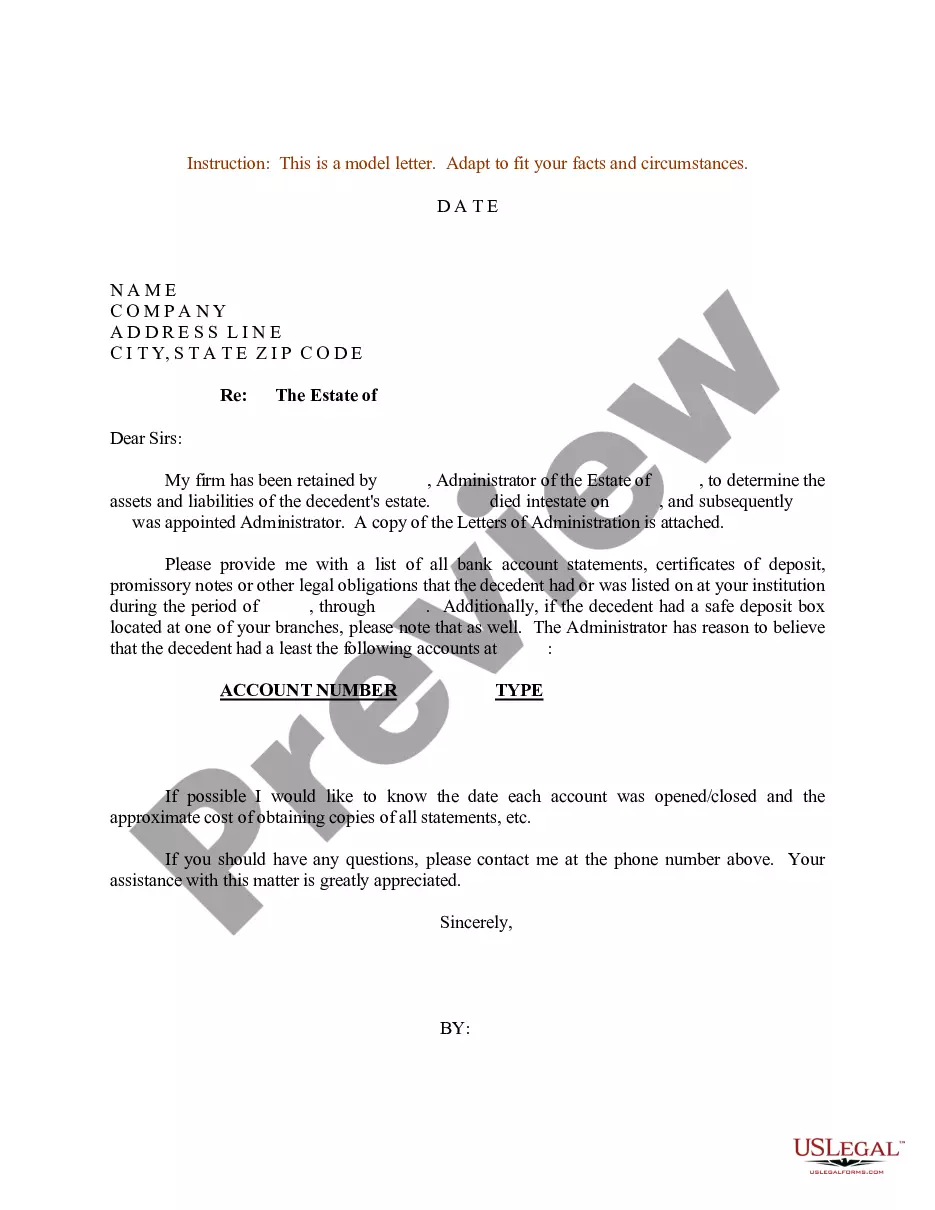
Get your form ready online
Our built-in tools help you complete, sign, share, and store your documents in one place.
Make edits, fill in missing information, and update formatting in US Legal Forms—just like you would in MS Word.
Download a copy, print it, send it by email, or mail it via USPS—whatever works best for your next step.
Sign and collect signatures with our SignNow integration. Send to multiple recipients, set reminders, and more. Go Premium to unlock E-Sign.
If this form requires notarization, complete it online through a secure video call—no need to meet a notary in person or wait for an appointment.
We protect your documents and personal data by following strict security and privacy standards.

Make edits, fill in missing information, and update formatting in US Legal Forms—just like you would in MS Word.

Download a copy, print it, send it by email, or mail it via USPS—whatever works best for your next step.

Sign and collect signatures with our SignNow integration. Send to multiple recipients, set reminders, and more. Go Premium to unlock E-Sign.

If this form requires notarization, complete it online through a secure video call—no need to meet a notary in person or wait for an appointment.

We protect your documents and personal data by following strict security and privacy standards.
Looking for another form?

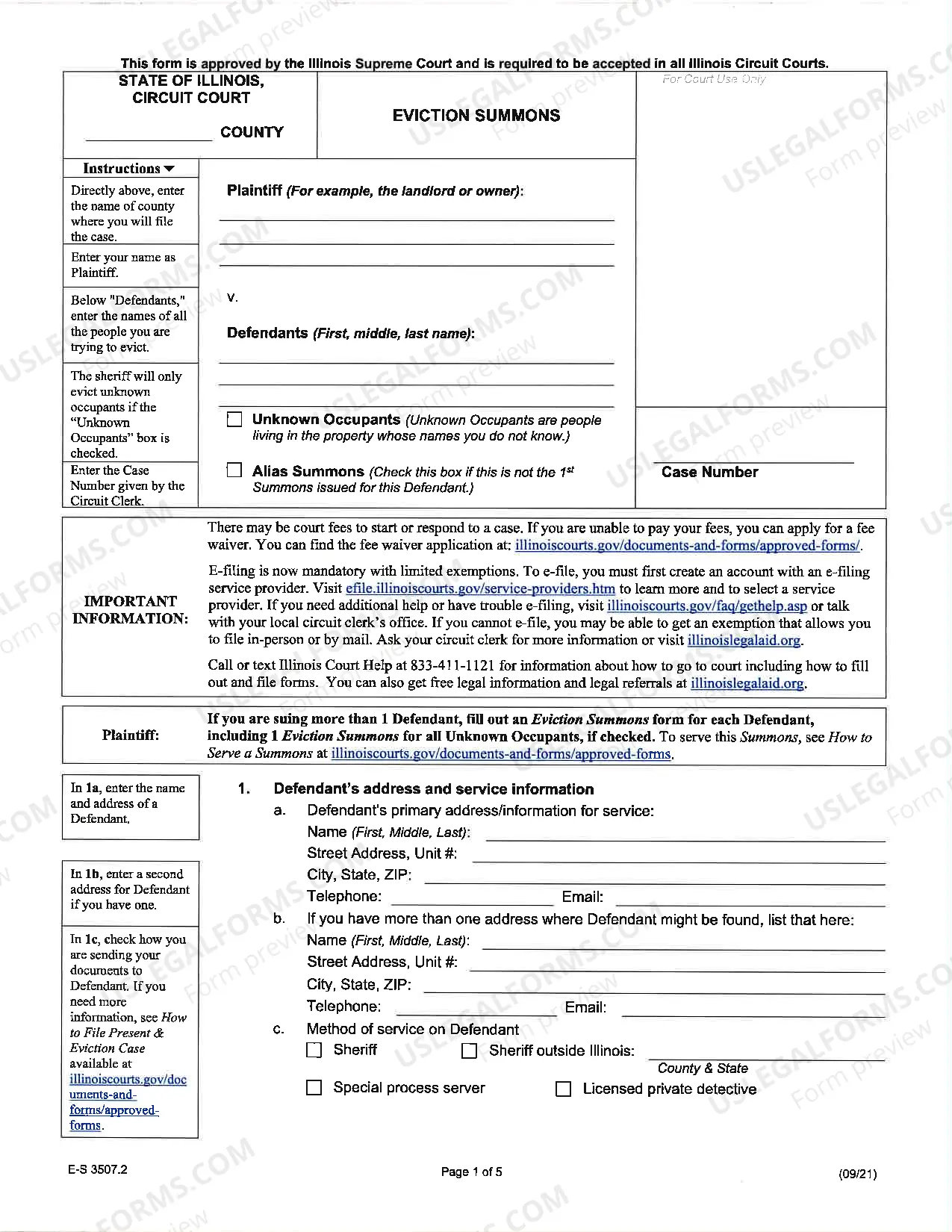
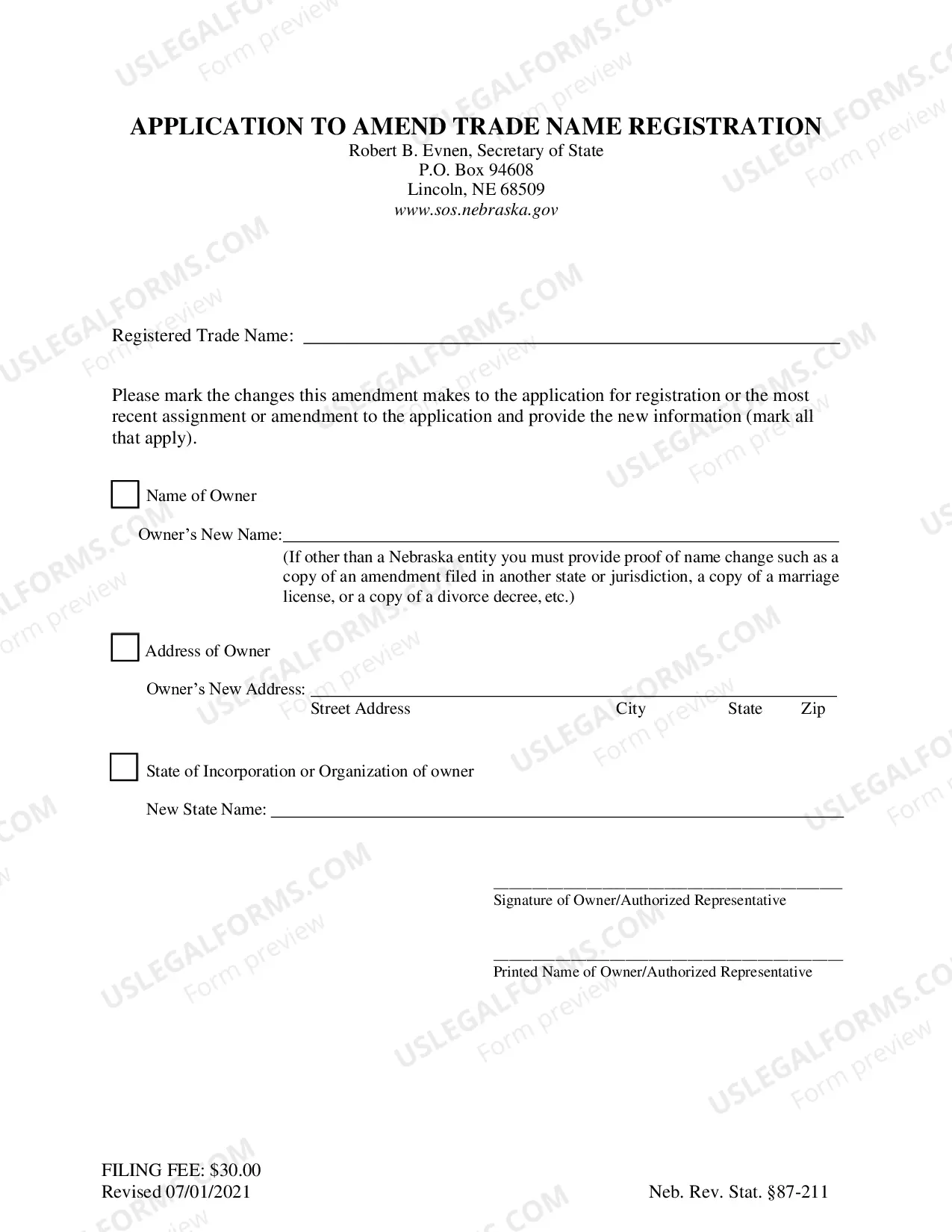
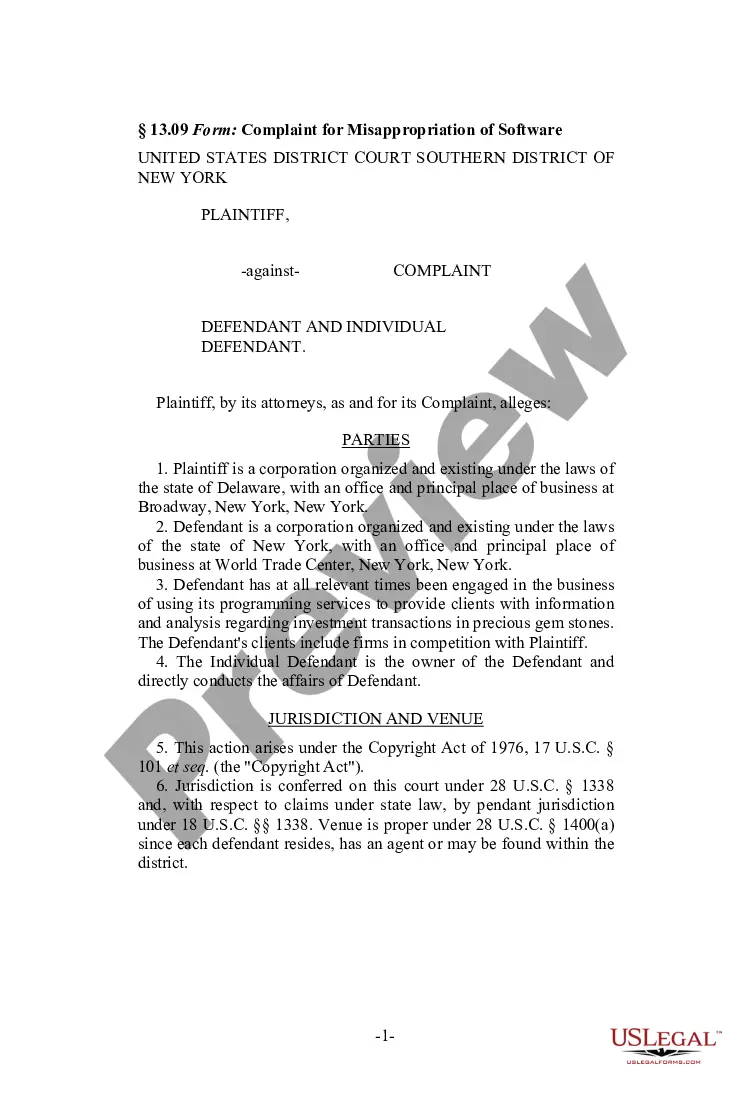

Form popularity
FAQ
In these cases, simply visit the bank with a valid ID and a certified copy of the death certificate. You will then have access to the account, allowing you to withdraw the funds as needed.
How to Register a Beneficiary in Union Bank of India Visit the Union Bank portal and log in to the internet banking facility by providing username and password. Go to the 'Transfers' option and click on 'NEFT/RTGS Transfers' Click on 'Register Beneficiary'
How to Register a Beneficiary in Union Bank of India Visit the Union Bank portal and log in to the internet banking facility by providing username and password. Go to the 'Transfers' option and click on 'NEFT/RTGS Transfers' Click on 'Register Beneficiary'
Most financial institutions will require you to contact your local branch or call customer service to add a beneficiary. However, some may also let you make changes to your account through online banking. Bank account beneficiaries may be added at any time.
Via NetBanking Step1. Login to NetBanking using your NetBanking ID and Password and then go to > Funds Transfer > Request > Add a Beneficiary. Step2. Select the “Transaction Type” from Funds Transfer section in NetBanking and click on the “GO” icon. Step3. Select account, beneficiary and enter the relevant details. Step4.
In new version, beneficiaries are confirmed immediately at the time of registration using OTP and funds can be transfered after cooling period of 24 hrs.
Contact the bank in advance to ensure you arrive with the appropriate documents, but you'll likely need to bring a notarized or certified copy of the death certificate and proof of your identity, such as a driver's license or passport. You'll also need the decedent's legal name and Social Security number.
A deceased account is a bank account owned by a deceased person. Banks freeze access to deceased accounts, such as savings or checking accounts, pending direction from an authorized court. Banks generally cannot close a deceased account until after the person's estate has gone through probate or has otherwise settled.
The best banks to open an estate account Schwab One Estate Account. Fidelity Estate Account. Estate Services. USAA Survivor Relations.
