Account Estate Bank Foreclosure List In Illinois
Description




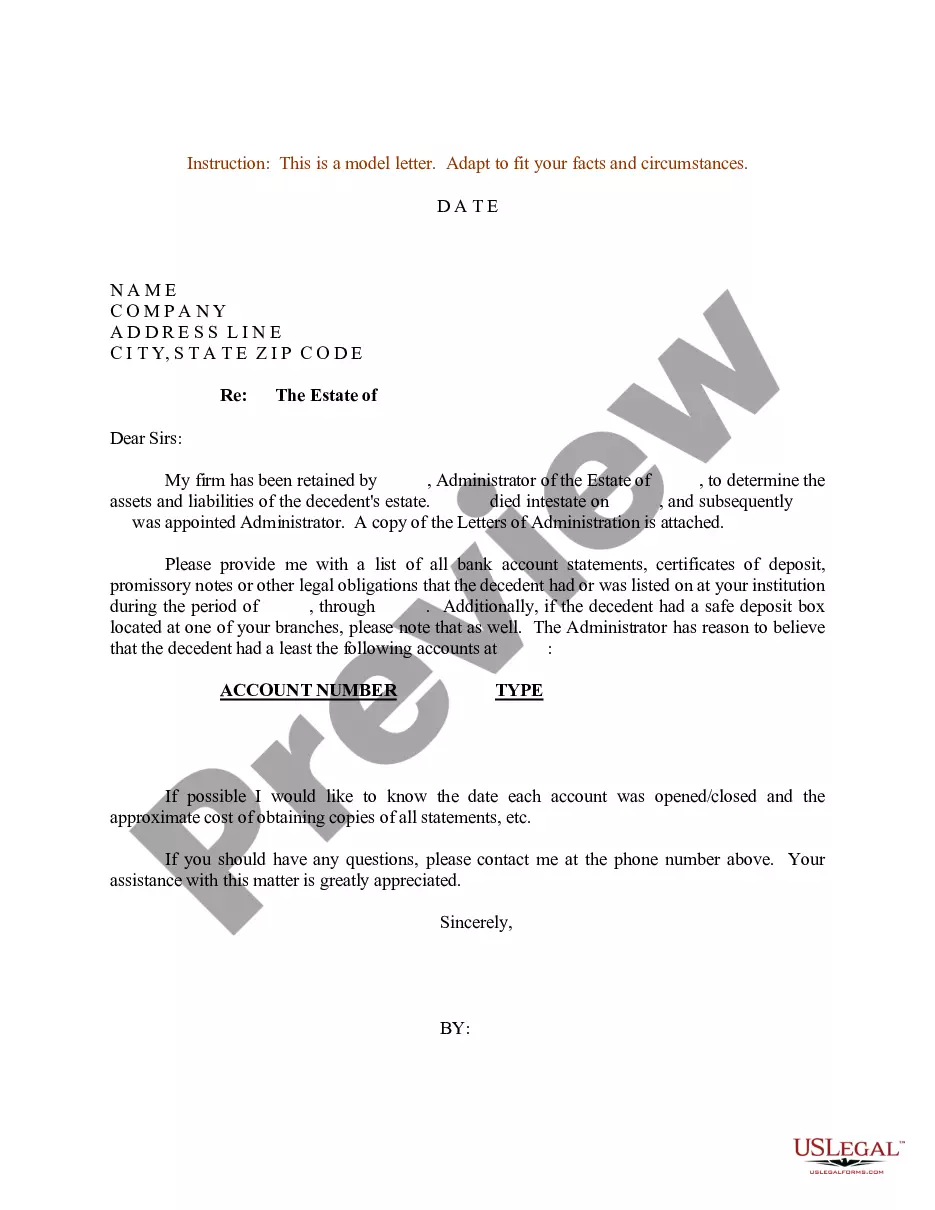
Get your form ready online
Our built-in tools help you complete, sign, share, and store your documents in one place.
Make edits, fill in missing information, and update formatting in US Legal Forms—just like you would in MS Word.
Download a copy, print it, send it by email, or mail it via USPS—whatever works best for your next step.
Sign and collect signatures with our SignNow integration. Send to multiple recipients, set reminders, and more. Go Premium to unlock E-Sign.
If this form requires notarization, complete it online through a secure video call—no need to meet a notary in person or wait for an appointment.
We protect your documents and personal data by following strict security and privacy standards.

Make edits, fill in missing information, and update formatting in US Legal Forms—just like you would in MS Word.

Download a copy, print it, send it by email, or mail it via USPS—whatever works best for your next step.

Sign and collect signatures with our SignNow integration. Send to multiple recipients, set reminders, and more. Go Premium to unlock E-Sign.

If this form requires notarization, complete it online through a secure video call—no need to meet a notary in person or wait for an appointment.

We protect your documents and personal data by following strict security and privacy standards.
Looking for another form?







Form popularity
FAQ
Claiming a surplus involves filing a Motion, mailing or serving Notice of Motion and a copy of your Motion to all parties involved in the case, scheduling a court date and appearing before the judge to request an Order to have your surplus funds released.
This is called your right to redeem, and the 7-month period is called the redemption period. Sometimes you can have longer. The redemption period also runs for 3 months after a foreclosure judgment is entered, so, depending on when a judgment is entered, the redemption period can run longer than 7 months from service.
At least 30 days after the sale - It typically takes at least 30 days for the tax sale to be finalized. The exact timeline can vary depending on the state you live in. Within 2 weeks of the sale - You should receive a Notice of Surplus Funds from the county treasurer or tax collector within a few weeks of the sale.
MLS: Most lenders list their REO properties on a Multiple Listing Service (MLS), so any real estate agent can help you identify REO offerings in your area. Bank websites: Some banks and credit unions have an entire department set up to sell REOs, and sections of their websites are dedicated to their listings.
You'll need to act quickly to claim surplus funds after the foreclosure sale. A limited amount of time will be available for you to get the funds. The exact amount of time you'll get depends on state procedures. You can apply to either the foreclosure trustee or the court to get the foreclosure excess proceeds.
How Can You Max Out Your Chances of Working It Out? Explain your financial hardship and why it is/was temporary. Demonstrate that you have tried to improve your situation. Make a specific proposal or specific alternative proposals. Demonstrate that you are financially able to keep your end of the bargain.
For example, go to a County Recorder website and search their documents for Deed of Trust to find property owner and lien information.
