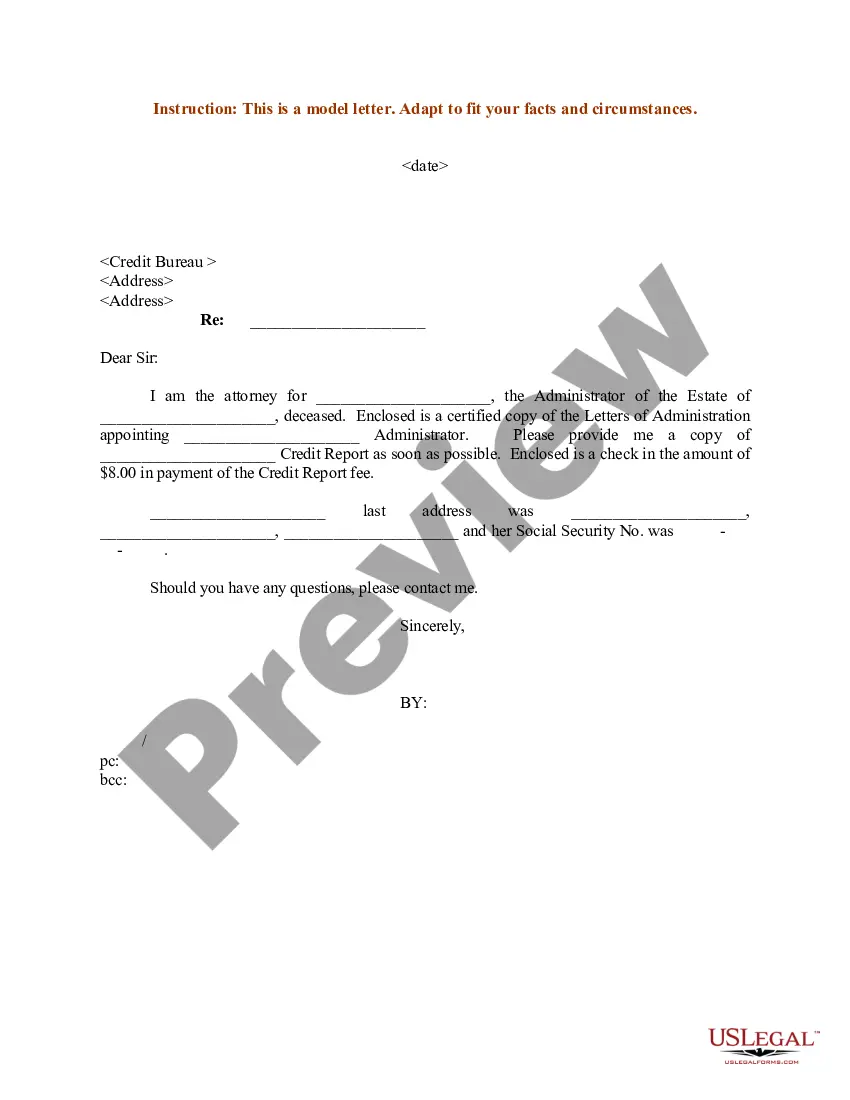
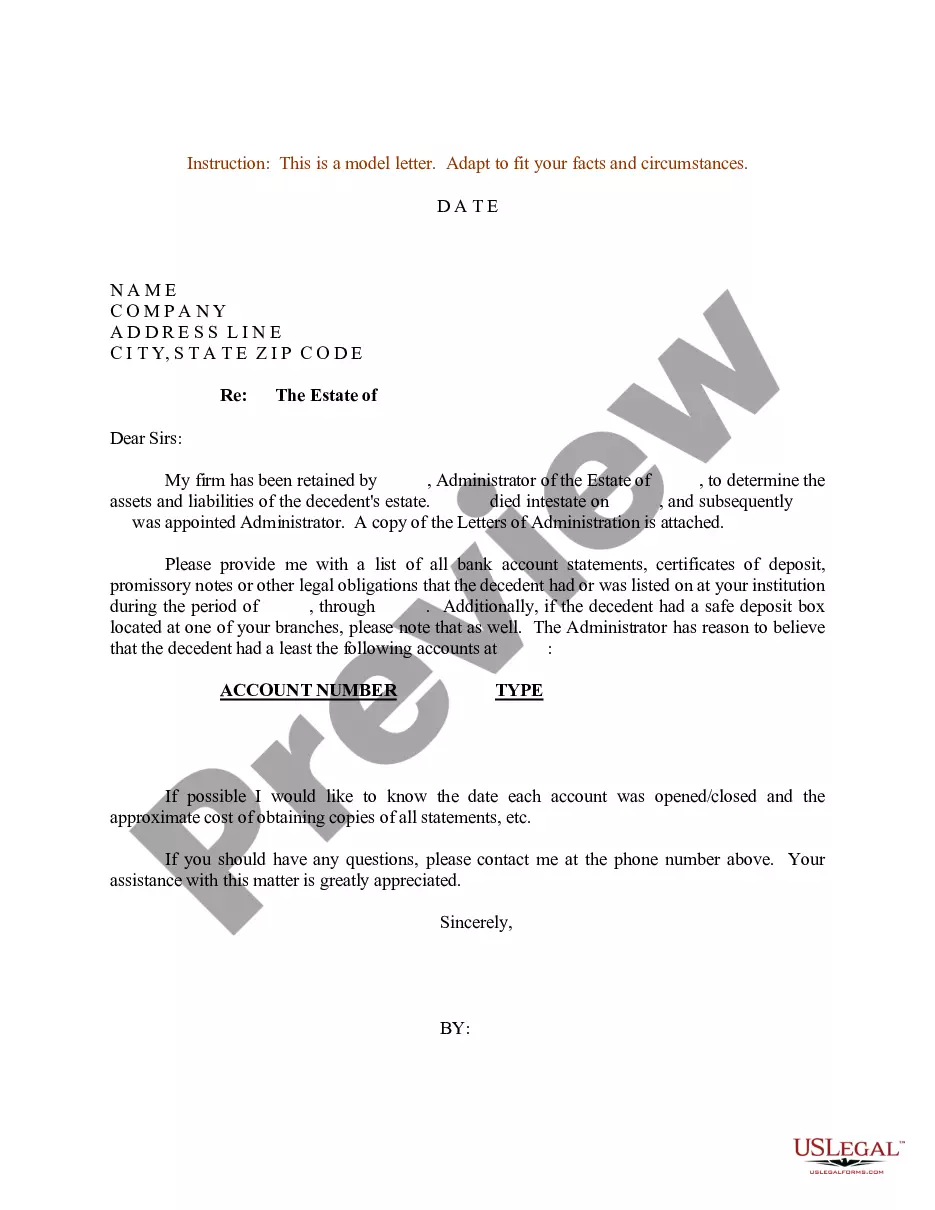
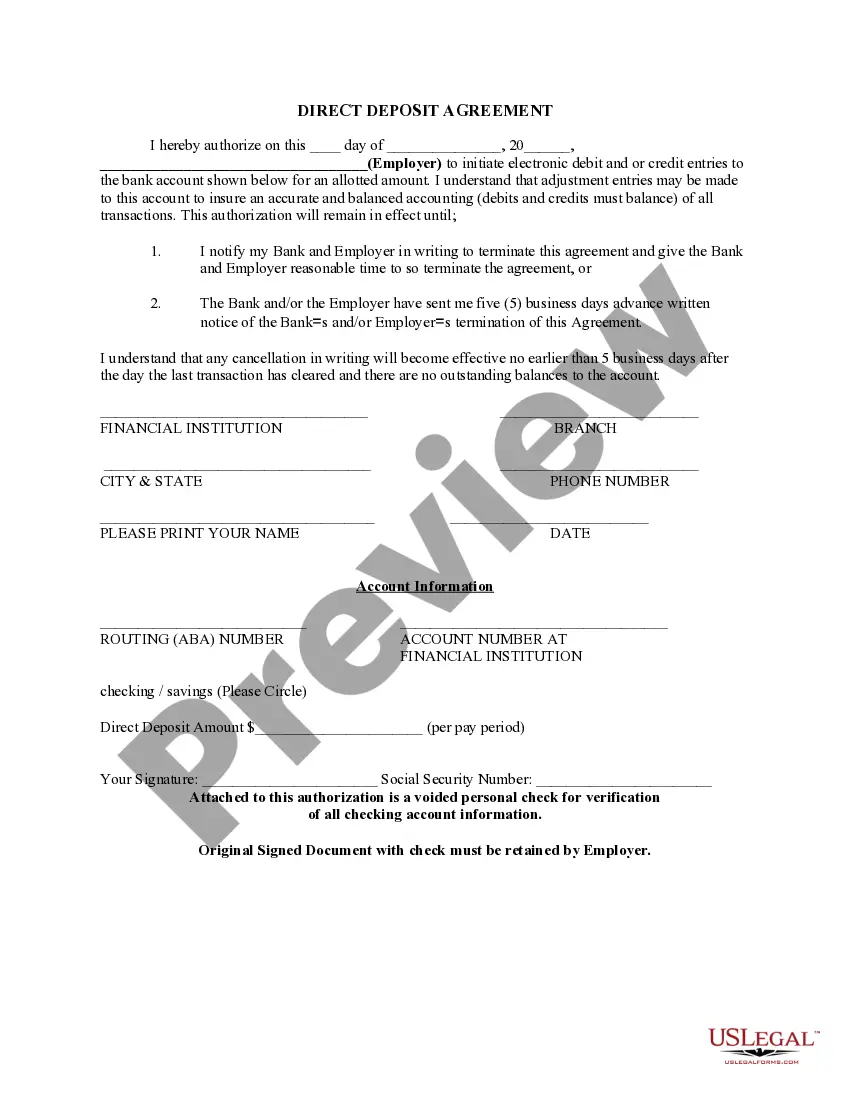
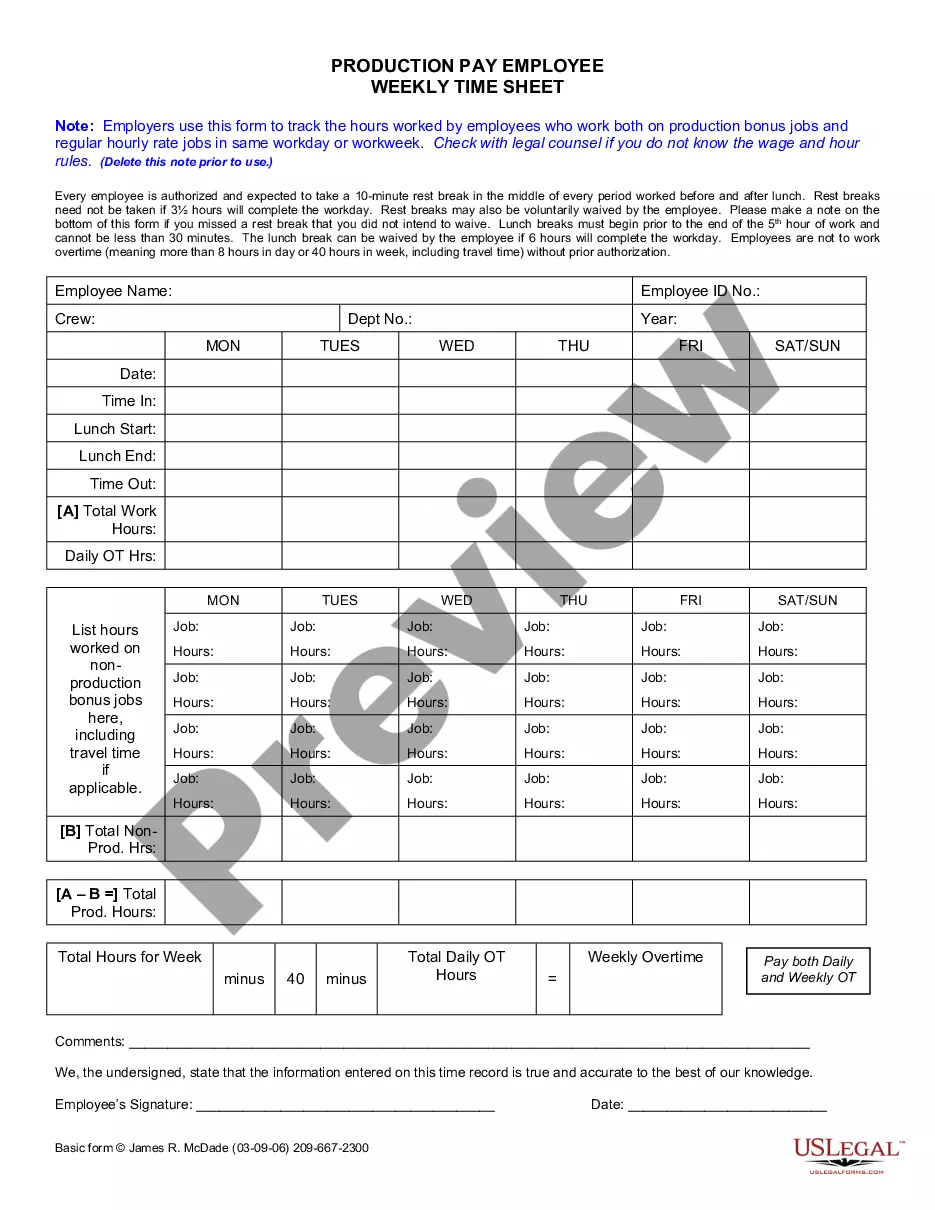
Decedent Account Bank Withholding In Fulton
Description



Get your form ready online
Our built-in tools help you complete, sign, share, and store your documents in one place.
Make edits, fill in missing information, and update formatting in US Legal Forms—just like you would in MS Word.
Download a copy, print it, send it by email, or mail it via USPS—whatever works best for your next step.
Sign and collect signatures with our SignNow integration. Send to multiple recipients, set reminders, and more. Go Premium to unlock E-Sign.
If this form requires notarization, complete it online through a secure video call—no need to meet a notary in person or wait for an appointment.
We protect your documents and personal data by following strict security and privacy standards.

Make edits, fill in missing information, and update formatting in US Legal Forms—just like you would in MS Word.

Download a copy, print it, send it by email, or mail it via USPS—whatever works best for your next step.

Sign and collect signatures with our SignNow integration. Send to multiple recipients, set reminders, and more. Go Premium to unlock E-Sign.

If this form requires notarization, complete it online through a secure video call—no need to meet a notary in person or wait for an appointment.

We protect your documents and personal data by following strict security and privacy standards.
Looking for another form?





Form popularity
FAQ
How to add or change a beneficiary Speak to a banker and let them know the following. Provide the beneficiary's name, date of birth, address, phone number and SSN. A form will be created with this information and mailed to you. After you get the form, review it for accuracy.
To stop a payment on a check, login into online banking and click on the “Additional Services” menu. You'll find a steps for stop payment. Or you can 1.800. FULTON.
The account holder only needs to notify their bank of who the beneficiary should be. The bank, on its end, will give the account owner a beneficiary designation form to fill out. The completed form gives the bank authorization to convert the account to a POD.
Within 90 days of account opening: Daily Deposit Limit: $1,000 Monthly Deposit Limit: $2,500 After 90 days of account opening, limits are based on deposit account and is displayed within the mobile deposit feature. Most customers will have a monthly deposit limit of $15,000. How can I download Fulton Bank's mobile app?
Bottom Line. Beneficiaries are named people who take ownership of a financial account after you die. If you die without naming a beneficiary, your bank account will transfer through your will and through probate law, as appropriate.
A deceased account is a bank account owned by a deceased person. Banks freeze access to deceased accounts, such as savings or checking accounts, pending direction from an authorized court. Banks generally cannot close a deceased account until after the person's estate has gone through probate or has otherwise settled.
A deceased person's bank account is inaccessible unless you're a joint owner, a beneficiary of the account or the estate executor.
A payable on death (POD) designation means your bank account automatically transfers to a beneficiary upon the death of all account owners and co-owners. Setting up a POD beneficiary allows you to plan for the future and make your financial wishes clear.
The bank account will be frozen until the probate process is complete. If the bank isn't informed of the owner's passing and the account goes dormant, the account may be subject to escheatment, which turns the funds over to the state government. Escheatment generally occurs after a few years of abandonment.
Bottom Line. Beneficiaries are named people who take ownership of a financial account after you die. If you die without naming a beneficiary, your bank account will transfer through your will and through probate law, as appropriate.
