Decedent Account Bank For Union In Fairfax
Description




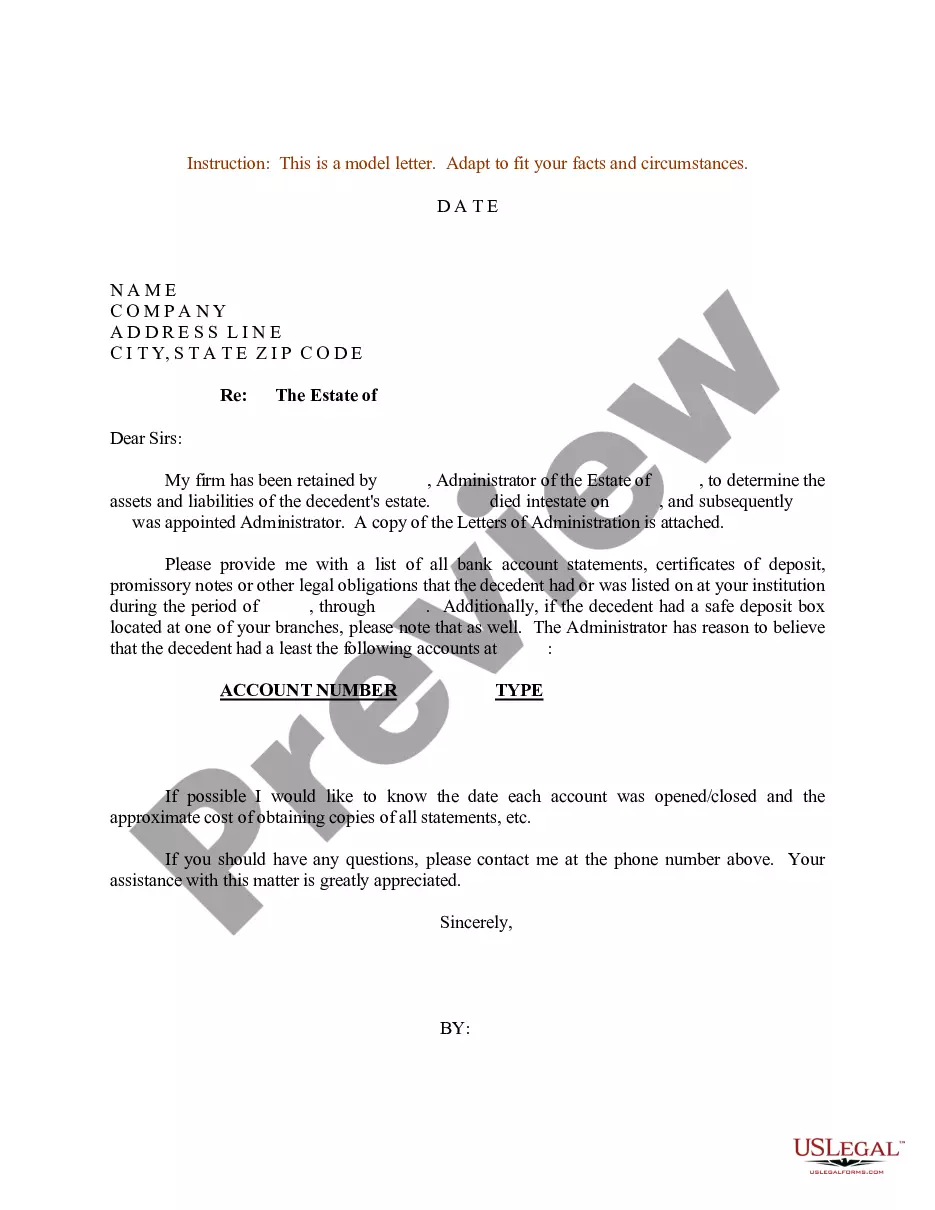
Get your form ready online
Our built-in tools help you complete, sign, share, and store your documents in one place.
Make edits, fill in missing information, and update formatting in US Legal Forms—just like you would in MS Word.
Download a copy, print it, send it by email, or mail it via USPS—whatever works best for your next step.
Sign and collect signatures with our SignNow integration. Send to multiple recipients, set reminders, and more. Go Premium to unlock E-Sign.
If this form requires notarization, complete it online through a secure video call—no need to meet a notary in person or wait for an appointment.
We protect your documents and personal data by following strict security and privacy standards.

Make edits, fill in missing information, and update formatting in US Legal Forms—just like you would in MS Word.

Download a copy, print it, send it by email, or mail it via USPS—whatever works best for your next step.

Sign and collect signatures with our SignNow integration. Send to multiple recipients, set reminders, and more. Go Premium to unlock E-Sign.

If this form requires notarization, complete it online through a secure video call—no need to meet a notary in person or wait for an appointment.

We protect your documents and personal data by following strict security and privacy standards.
Looking for another form?

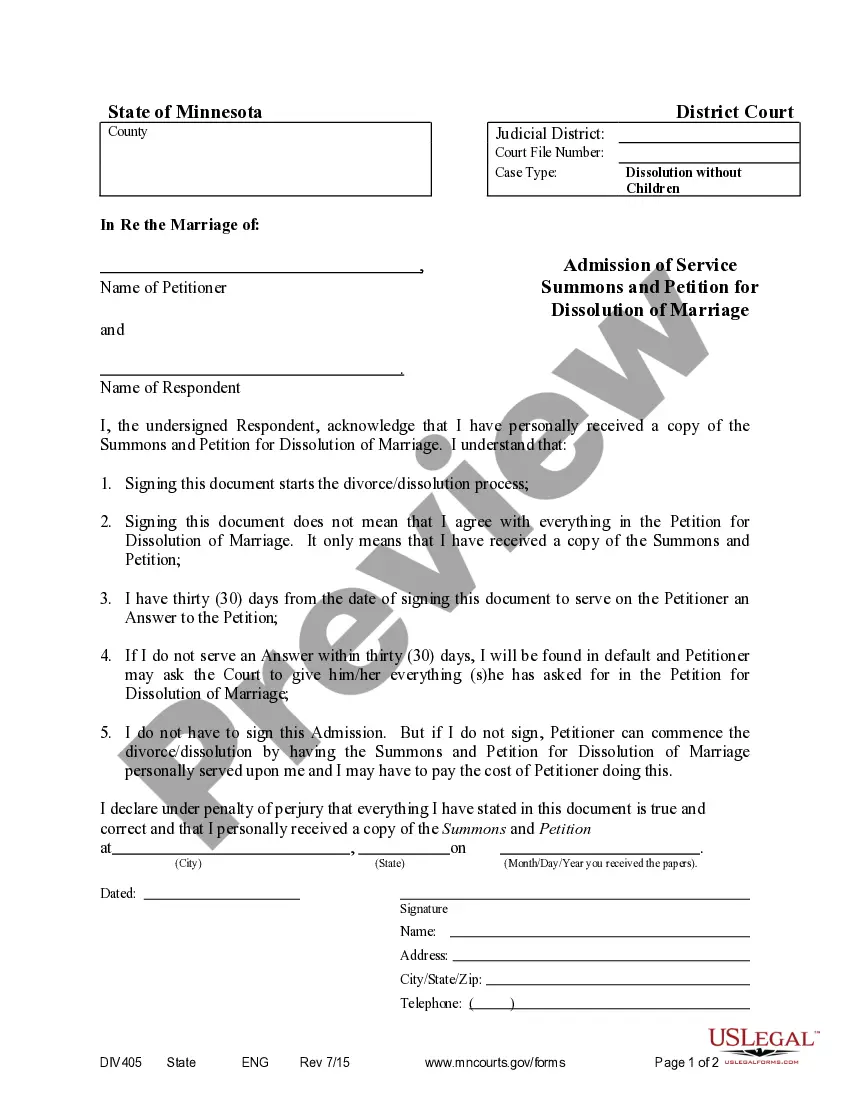








Form popularity
FAQ
Setting up a TOD account is relatively easy, and it's usually as simple as filling out a TOD designation form provided by your broker or financial institution. This form will ask you to name the beneficiaries and specify the proportions of assets each will receive upon your death.
Yes. Any and all bank accounts that the decedent owned must be listed on the inventory. This is true even if the bank accounts were held with payable-on-death (POD) designations or if the bank accounts were jointly held with the right of survivorship.
There are various components to the titling of assets: One is using a transfer on death (TOD) designation, generally used for investment accounts, or a payable on death (POD) designation, used for bank accounts, which act as beneficiary designations, stating to whom account assets are to pass when the owner dies.
This inventory must include all of the decedent's (i) personal estate under your supervision and control, (ii) interest in any multiple party account (which is defined in Part 2) in any financial institution, (iii) real estate over which you have a power of sale, and (iv) other real estate that is an asset of the ...
Transfer-on-death accounts are allowed in many states, including California. Using these accounts can make it possible for the loved ones of deceased individuals to avoid probate court.
Some potential problems include: Paying estate debt. Accidentally disinheriting someone. Jeopardizing your beneficiary's government benefits. Conflict with your will. No plan for incapacity.
How to Register a Beneficiary in Union Bank of India Visit the Union Bank portal and log in to the internet banking facility by providing username and password. Go to the 'Transfers' option and click on 'NEFT/RTGS Transfers' Click on 'Register Beneficiary'
In new version, beneficiaries are confirmed immediately at the time of registration using OTP and funds can be transfered after cooling period of 24 hrs.
