Decedent Account Bank Forgot In Cuyahoga
Description


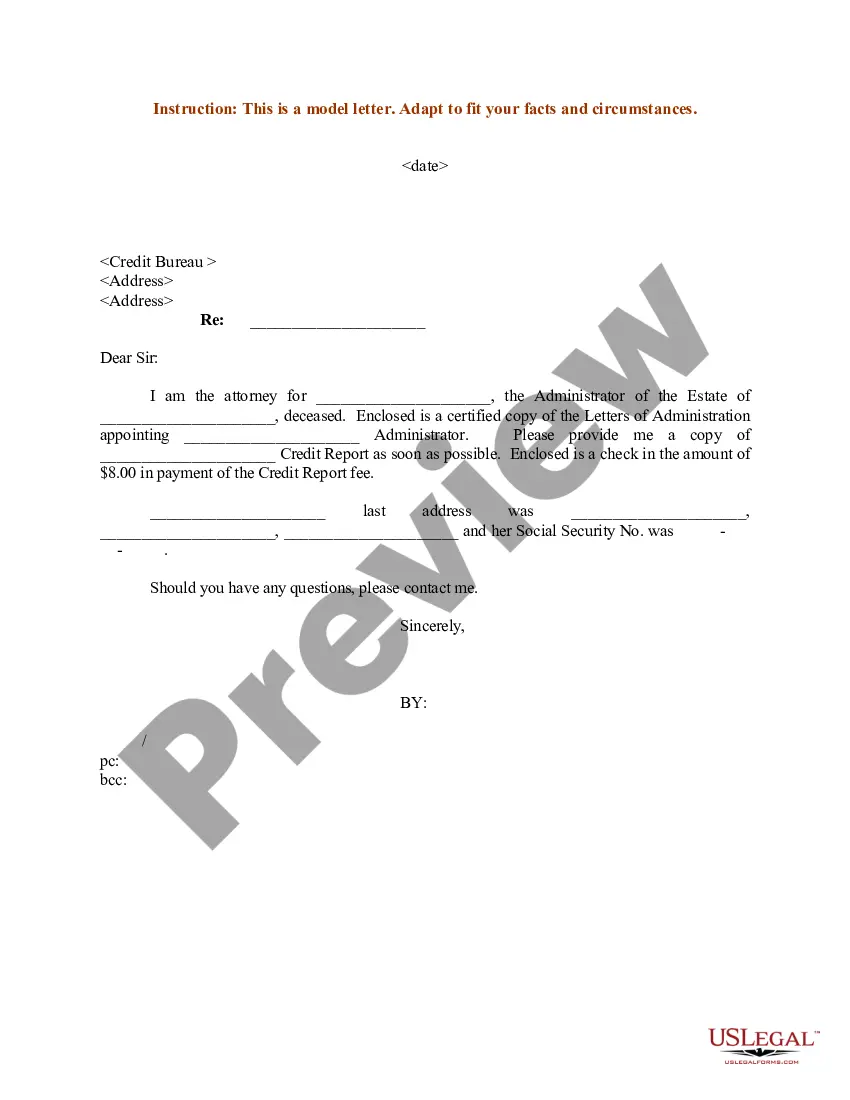

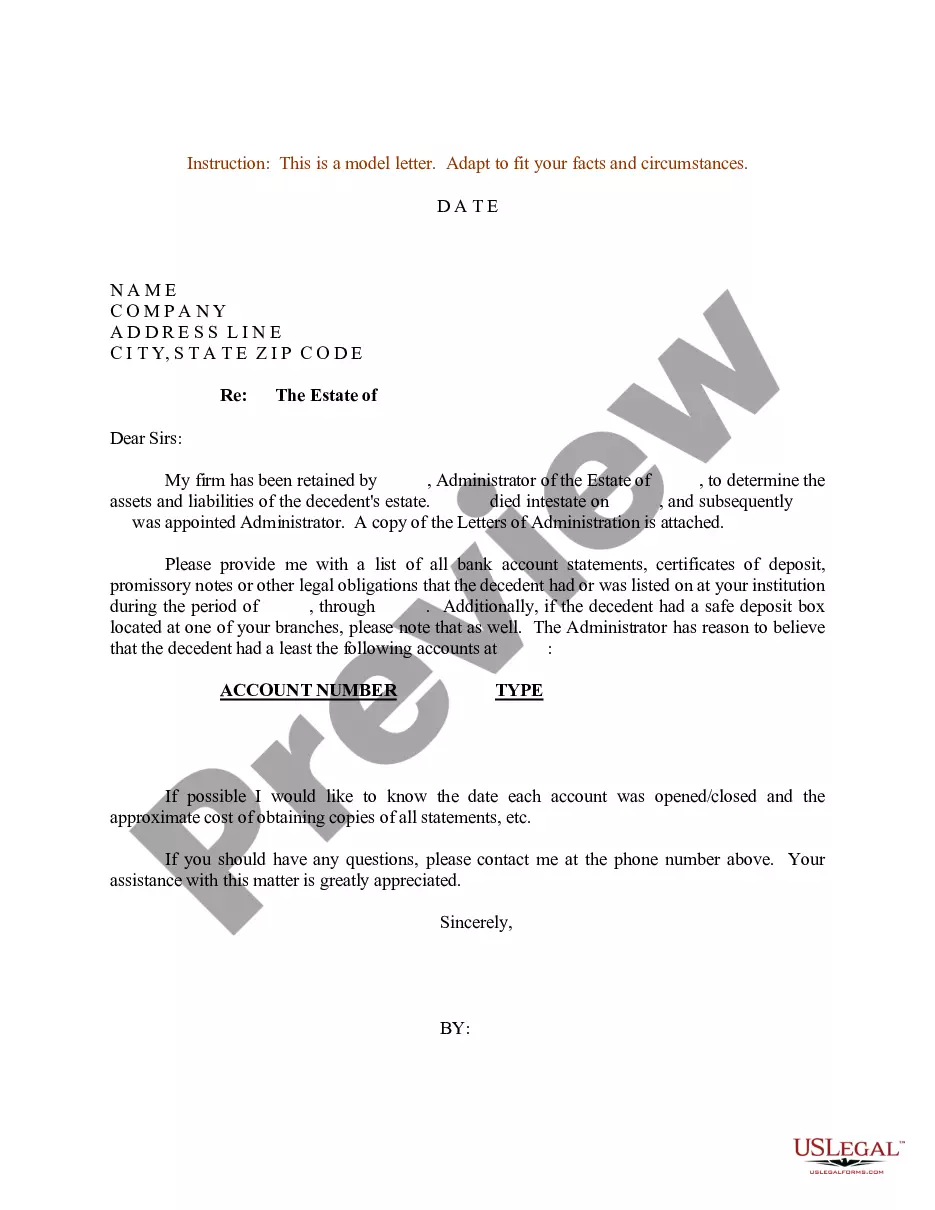
Get your form ready online
Our built-in tools help you complete, sign, share, and store your documents in one place.
Make edits, fill in missing information, and update formatting in US Legal Forms—just like you would in MS Word.
Download a copy, print it, send it by email, or mail it via USPS—whatever works best for your next step.
Sign and collect signatures with our SignNow integration. Send to multiple recipients, set reminders, and more. Go Premium to unlock E-Sign.
If this form requires notarization, complete it online through a secure video call—no need to meet a notary in person or wait for an appointment.
We protect your documents and personal data by following strict security and privacy standards.

Make edits, fill in missing information, and update formatting in US Legal Forms—just like you would in MS Word.

Download a copy, print it, send it by email, or mail it via USPS—whatever works best for your next step.

Sign and collect signatures with our SignNow integration. Send to multiple recipients, set reminders, and more. Go Premium to unlock E-Sign.

If this form requires notarization, complete it online through a secure video call—no need to meet a notary in person or wait for an appointment.

We protect your documents and personal data by following strict security and privacy standards.
Looking for another form?





Form popularity
FAQ
They generally will need to present to the bank with a certified copy of the decedent's death certificate, their own government-issued ID, and the trust instrument (or a certification of trust) in order for the asset to be released to them, although the documentation needed can vary from bank to bank, so it is best to ...
If the account becomes part of the owner's estate, the legally designated executor can collect the funds and place them into an estate account. The joint owner, beneficiary or executor must provide a copy of the death certificate when taking action on the owner's account.
A deceased person's bank account is inaccessible unless you're a joint owner, a beneficiary of the account or the estate executor. Because joint ownership and beneficiaries can make a difference in how your bank account funds are distributed, planning is key.
How To Find Out The Accounts That A Deceased Person Owned Search Personal Records and Documents. Review the Will or Trust Documents. Contact Financial Institutions. Use a Credit Report. Check Unclaimed Property Registries. Monitor Mail for Clues. Look Through Digital Accounts. Consult the Executor or Administrator.
A probate clerk can help you locate deeds, titles, or other property the decedent filed through the court. Most records in probate court are accessible to the public, so getting this information should not be difficult. For private records, you may have to provide a death certificate.
How to Find the Bank Accounts of a Deceased Person Search Their Home and Mail. Visit Banks in Their Area. Call Their Employer. Search Online Databases. Consult With an Experienced Probate Attorney.
By having the names of any pension companies and banks, you can then use a service such as the Death Notification Service, or you could contact the companies directly to let them know about the death and request details of any pension pots/ bank balances.
Searches for unclaimed assets can only be done by a legally entitled person, such as someone who holds the appropriate Power of Attorney or the Executor or Administrator of an estate. Separate applications must be made for every individual whose assets may be missing.
Upload your Claim Form & Document to send us your signed claim form and supporting documents on our website. Or, you can mail them to us at Ohio Division of Unclaimed Funds 77 S. High Street, 20th floor Columbus, OH 43215-6108.
If you are unsure where the decedent banked, you may consider asking the decedent's family members, the executor/administrator of their estate or the trustee of their trust. You also could try visiting banks in the vicinity of where the decedent had resided to ask them about your beneficiary status in person.
