Decedent Account Bank Forgot In Collin
Description


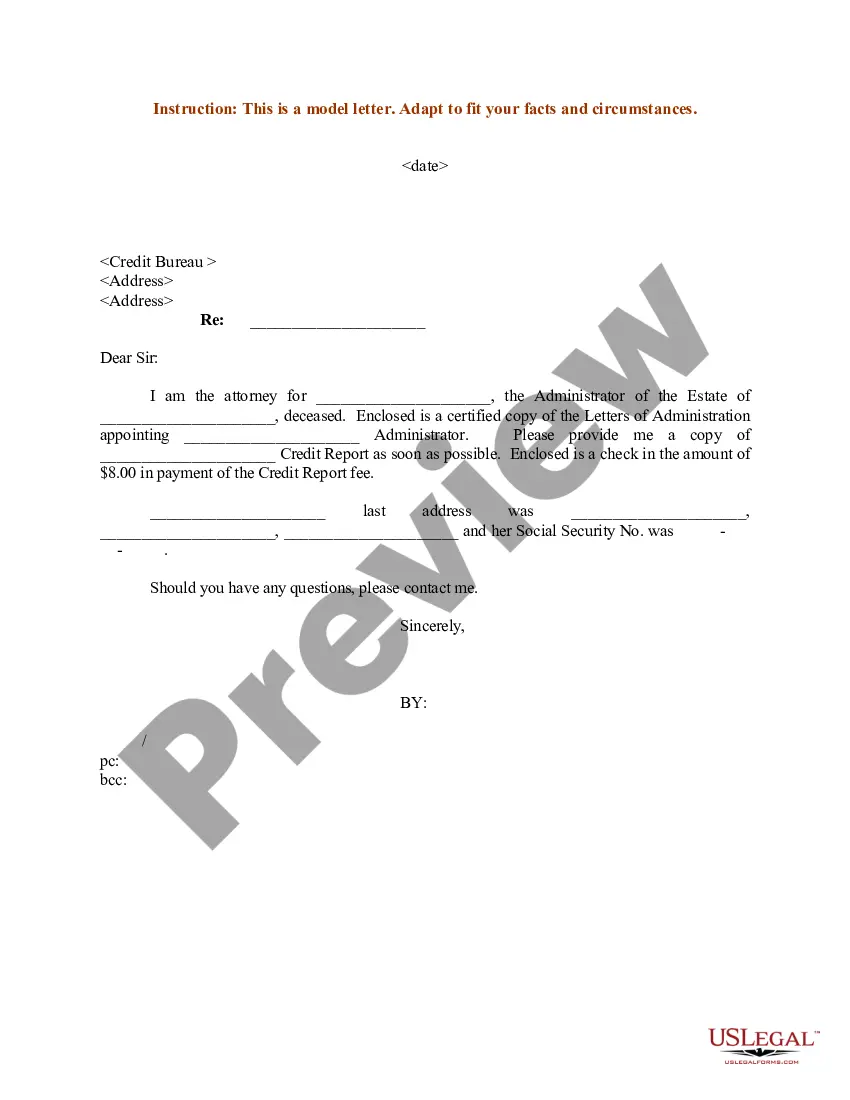

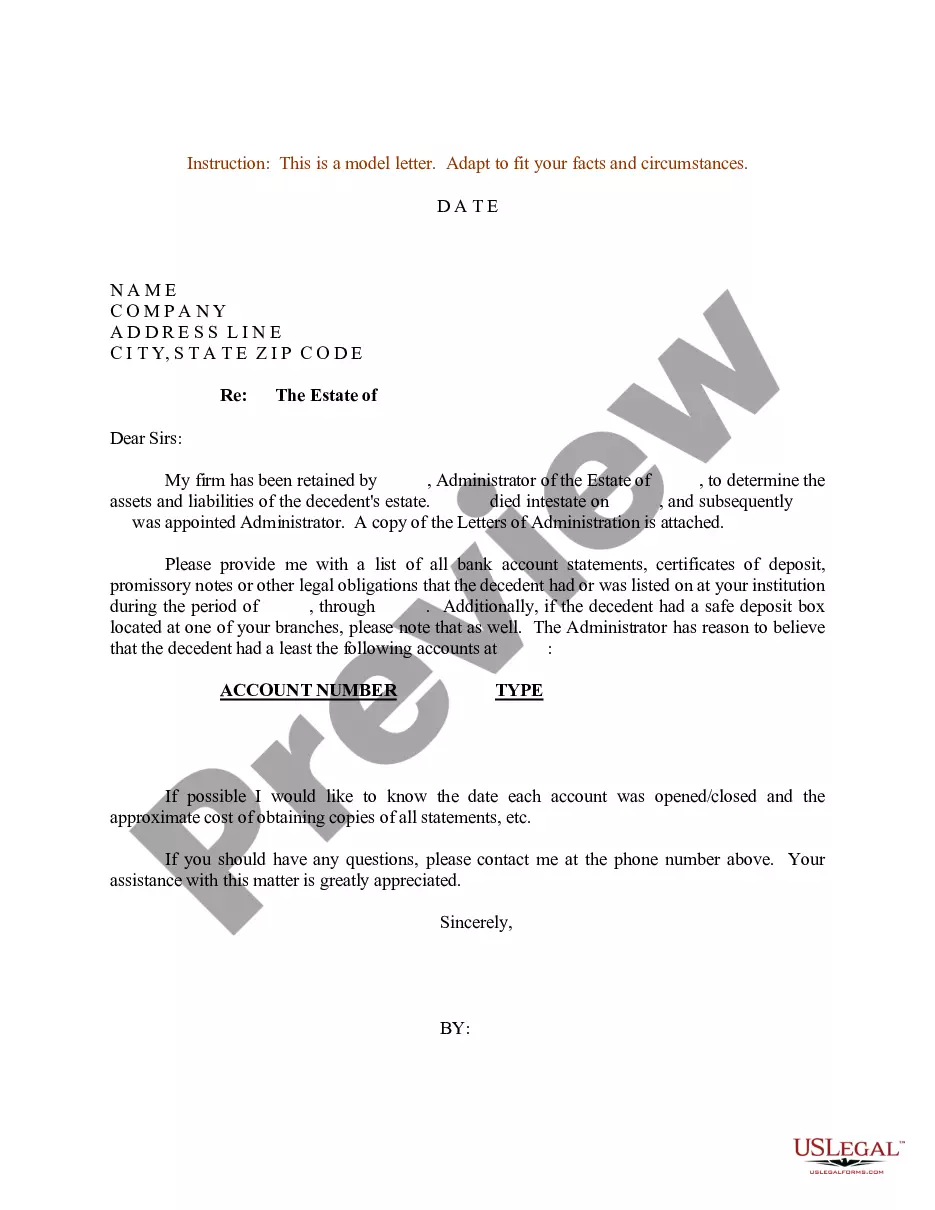
Get your form ready online
Our built-in tools help you complete, sign, share, and store your documents in one place.
Make edits, fill in missing information, and update formatting in US Legal Forms—just like you would in MS Word.
Download a copy, print it, send it by email, or mail it via USPS—whatever works best for your next step.
Sign and collect signatures with our SignNow integration. Send to multiple recipients, set reminders, and more. Go Premium to unlock E-Sign.
If this form requires notarization, complete it online through a secure video call—no need to meet a notary in person or wait for an appointment.
We protect your documents and personal data by following strict security and privacy standards.

Make edits, fill in missing information, and update formatting in US Legal Forms—just like you would in MS Word.

Download a copy, print it, send it by email, or mail it via USPS—whatever works best for your next step.

Sign and collect signatures with our SignNow integration. Send to multiple recipients, set reminders, and more. Go Premium to unlock E-Sign.

If this form requires notarization, complete it online through a secure video call—no need to meet a notary in person or wait for an appointment.

We protect your documents and personal data by following strict security and privacy standards.
Looking for another form?






Form popularity
FAQ
Some banks or building societies will allow the executors or administrators to access the account of someone who has died without a Grant of Probate.
You will need to provide documentation to prove both that the account holder died and you have the legal authority (as a designated beneficiary, joint account holder or executor/administrator) to access the account.
The beneficiary generally does not need to hire a lawyer or file anything in court to access the funds. They should be able to simply present the bank with proof of the death (e.g. a death certificate) as well as proof of their own identity, and the bank should release the funds directly to them.
Since payable-on-death accounts (PODs) and transfer-on-death accounts (TODs) must designate a beneficiary, they are not subject to the California probate process. The payable-on-death beneficiary can claim the bank account proceeds by going to the bank with a copy of the death certificate and proof of identification.
If you believe you are entitled to an unclaimed financial asset of a deceased relative, you can file a claim with the state government or business that is holding it. If you are specifically named as a beneficiary in the deceased relative's will, the claim process can be relatively smooth.
The purpose of the six-month rule is to allow the surviving owner the opportunity to restructure a deposit if necessary to ensure that all funds remain fully insured.
In these cases, simply visit the bank with a valid ID and a certified copy of the death certificate. You will then have access to the account, allowing you to withdraw the funds as needed.
