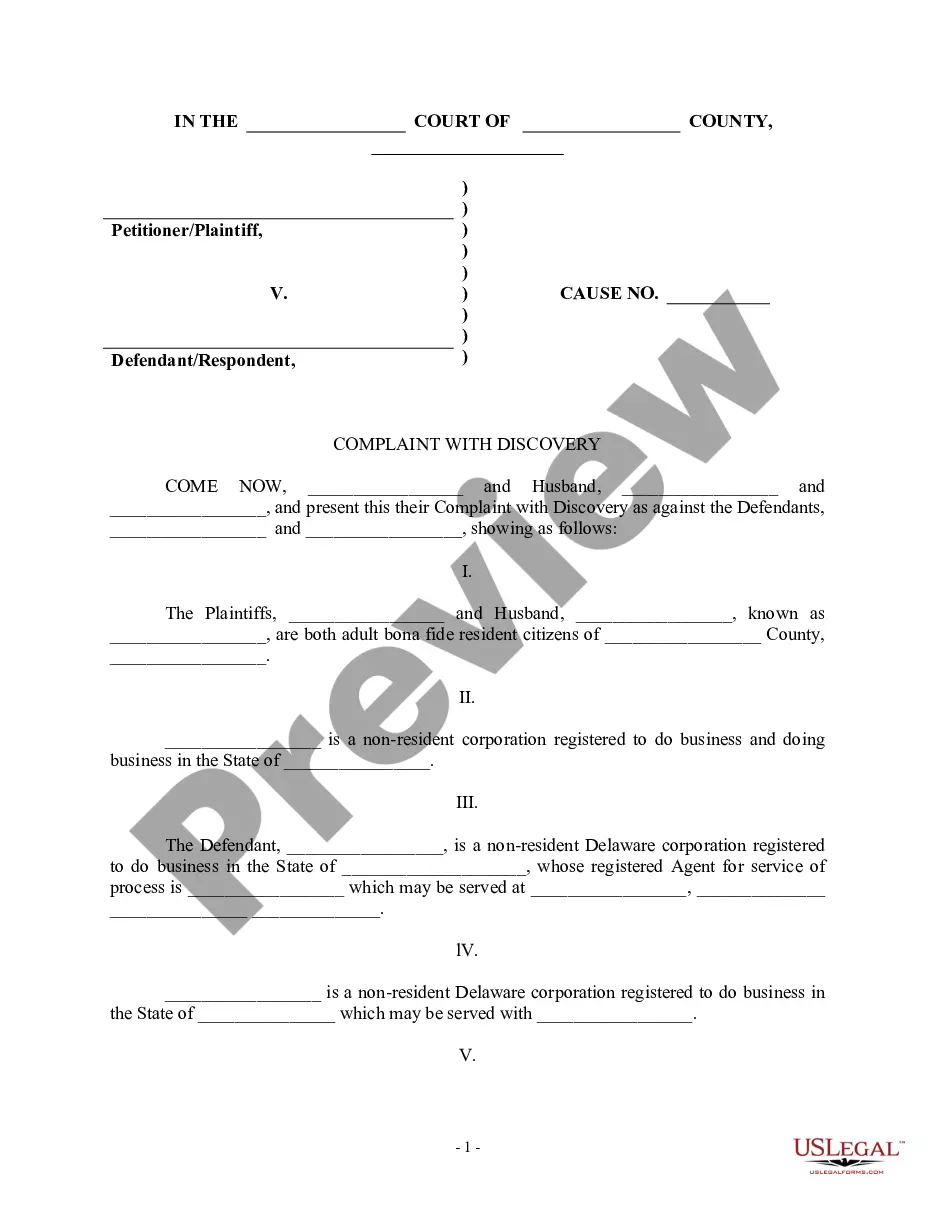
Bank Letter For Wire Transfer In Collin
Description




Get your form ready online
Our built-in tools help you complete, sign, share, and store your documents in one place.
Make edits, fill in missing information, and update formatting in US Legal Forms—just like you would in MS Word.
Download a copy, print it, send it by email, or mail it via USPS—whatever works best for your next step.
Sign and collect signatures with our SignNow integration. Send to multiple recipients, set reminders, and more. Go Premium to unlock E-Sign.
If this form requires notarization, complete it online through a secure video call—no need to meet a notary in person or wait for an appointment.
We protect your documents and personal data by following strict security and privacy standards.

Make edits, fill in missing information, and update formatting in US Legal Forms—just like you would in MS Word.

Download a copy, print it, send it by email, or mail it via USPS—whatever works best for your next step.

Sign and collect signatures with our SignNow integration. Send to multiple recipients, set reminders, and more. Go Premium to unlock E-Sign.

If this form requires notarization, complete it online through a secure video call—no need to meet a notary in person or wait for an appointment.

We protect your documents and personal data by following strict security and privacy standards.
Looking for another form?
Form popularity
FAQ
You can usually initiate a bank-to-bank wire transfer in person at your bank or financial institution's local branch or through your online bank account. You'll usually need to provide the recipient's full name, contact information, and bank account details such as routing and transfer numbers.
Specific details may vary depending on the recipient's country and bank, but the following is typically required. The receiver's full name. The recipient's physical address. Bank name and address. The bank account number and type (e.g., checking, savings, etc.) ... The bank routing number.
A bank account transfer letter is written to the branch manager of your bank to transfer your existing bank account from a certain branch of that bank to another branch in some other city.
Outgoing Wire Transfer Request Form. This form is to be used as a written letter of authorization to request a one-time outgoing Fed Funds wire transfer.
The information you'll need to make a wire transfer may depend based on the bank you use, but usually, it's as follows: The recipient's account number. Recipient's name and address. Name and address of recipient's bank. Recipient's wire transfer routing number. SWIFT code for international transfers.
Bank and wire transfers can be sent nationally, but only wire transfers can be made internationally. You can set up a bank transfer to send internationally, but it will require tapping into the SWIFT network that wire transfers rely on for the transaction to be completed.
Utilise online banking: If you have online banking access, log in to your account and navigate to the section for wire transfers. Check for any tracking features or options available. Some banks provide real-time tracking updates for international wire transfers.