Sample Letter To Close Trust Account With The Same Email In Clark
Description


Get your form ready online
Our built-in tools help you complete, sign, share, and store your documents in one place.
Make edits, fill in missing information, and update formatting in US Legal Forms—just like you would in MS Word.
Download a copy, print it, send it by email, or mail it via USPS—whatever works best for your next step.
Sign and collect signatures with our SignNow integration. Send to multiple recipients, set reminders, and more. Go Premium to unlock E-Sign.
If this form requires notarization, complete it online through a secure video call—no need to meet a notary in person or wait for an appointment.
We protect your documents and personal data by following strict security and privacy standards.

Make edits, fill in missing information, and update formatting in US Legal Forms—just like you would in MS Word.

Download a copy, print it, send it by email, or mail it via USPS—whatever works best for your next step.

Sign and collect signatures with our SignNow integration. Send to multiple recipients, set reminders, and more. Go Premium to unlock E-Sign.

If this form requires notarization, complete it online through a secure video call—no need to meet a notary in person or wait for an appointment.

We protect your documents and personal data by following strict security and privacy standards.
Looking for another form?






Form popularity
FAQ
Sample Estate Closing Letter to Beneficiaries I am writing to inform you of the finalization of Deceased's Name's estate, for which I have served as the executor. Asset Distribution: You will receive Description of Assets as part of your inheritance. These assets will be transferred to you by Transfer Date.
All of those are acceptable in either a formal or an informal context, though “Best regards” would be the most appropriate to use in a formal context. “Yours truly” is the classic closing for letters, which is sometimes used in emails, though not as often.
End a letter with a respectful word or short phrase that signs off your message and signals your letter is complete. Common ways to end a letter include “Sincerely,” “Respectfully,” “Regards,” “Best,” and “Appreciatively.” Effective formal letter closings are polite, professional, and clear.
If it is about a Court matter than your letter should not be addressed to the judge but to the Court and start with “Dear Sir” and end with “Yours faithfully”.
One of the teaching points is to end correspondence with “Yours sincerely” or a similar phrase when writing to someone by name. “Yours sincerely”, “Sincerely yours” and “Sincerely” are all possible. “Yours sincerely” is the most common. “Sincerely” is one often used by lawyers.
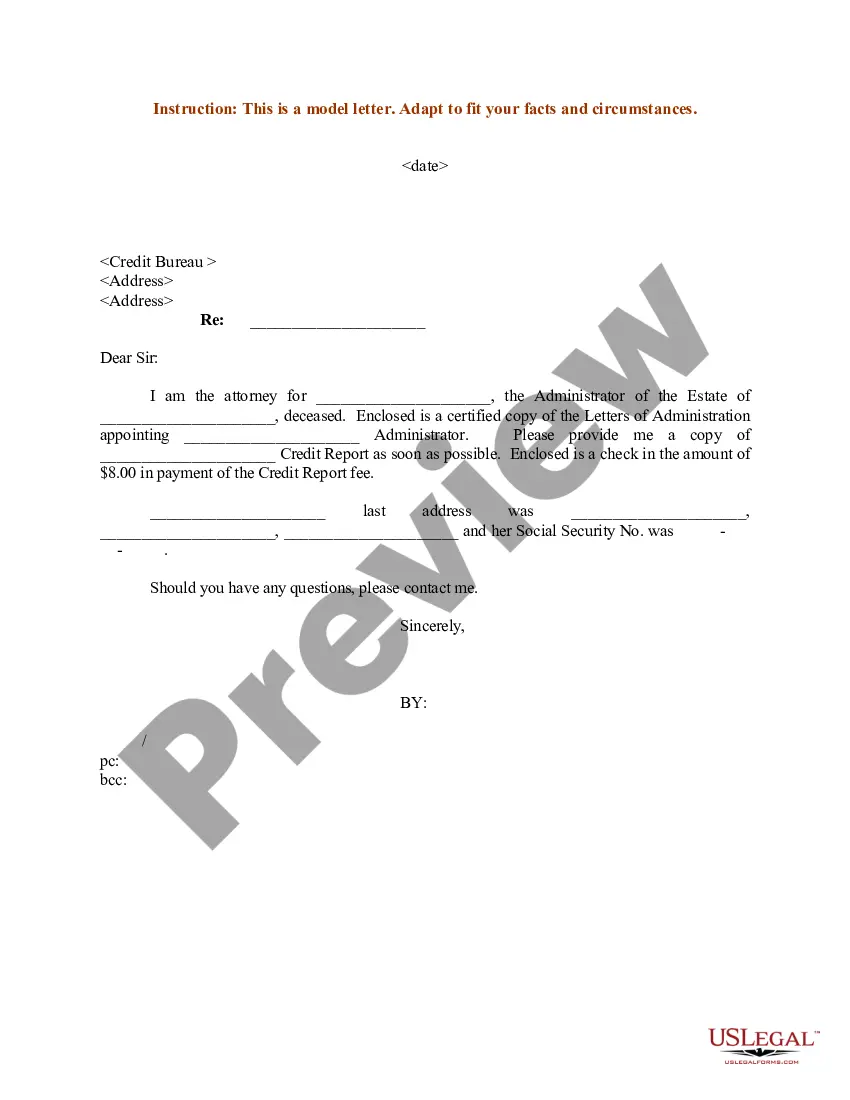
Thank you for allowing our firm to represent you in this matter. Our representation for this matter is now concluded and we are closing our file. We will give you your original file. Please make arrangements with our office to pick up your file within 60 days of the date of this letter.
Sincerely (or sincerely yours) is often the go-to sign off for formal letters, and with good reason.
In this case, the conclusion is typically no more than one sentence and simply asks the court for the relief being sought. ► Example: Considering the facts and law stated above, Plaintiff respectfully urges the Court to grant Plaintiff's motion for summary judgment.