Sample Letter To Close Trust Account For A Minor In California
Description


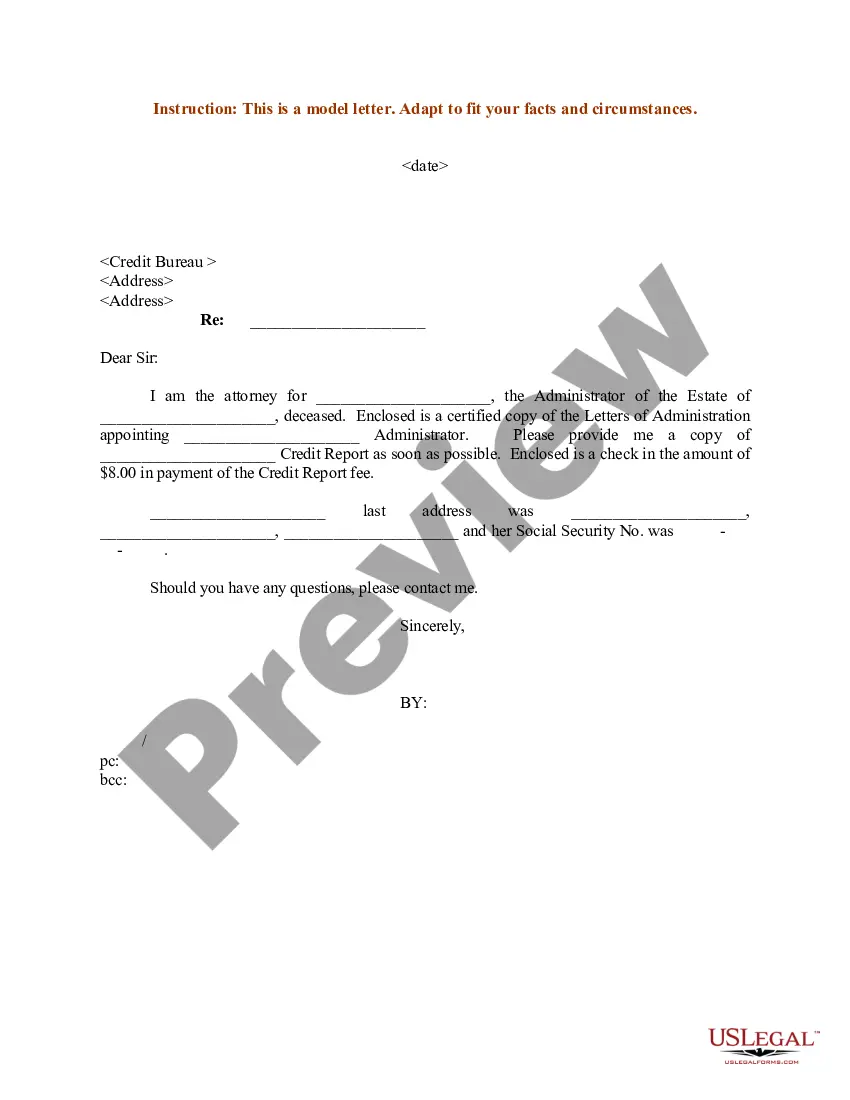

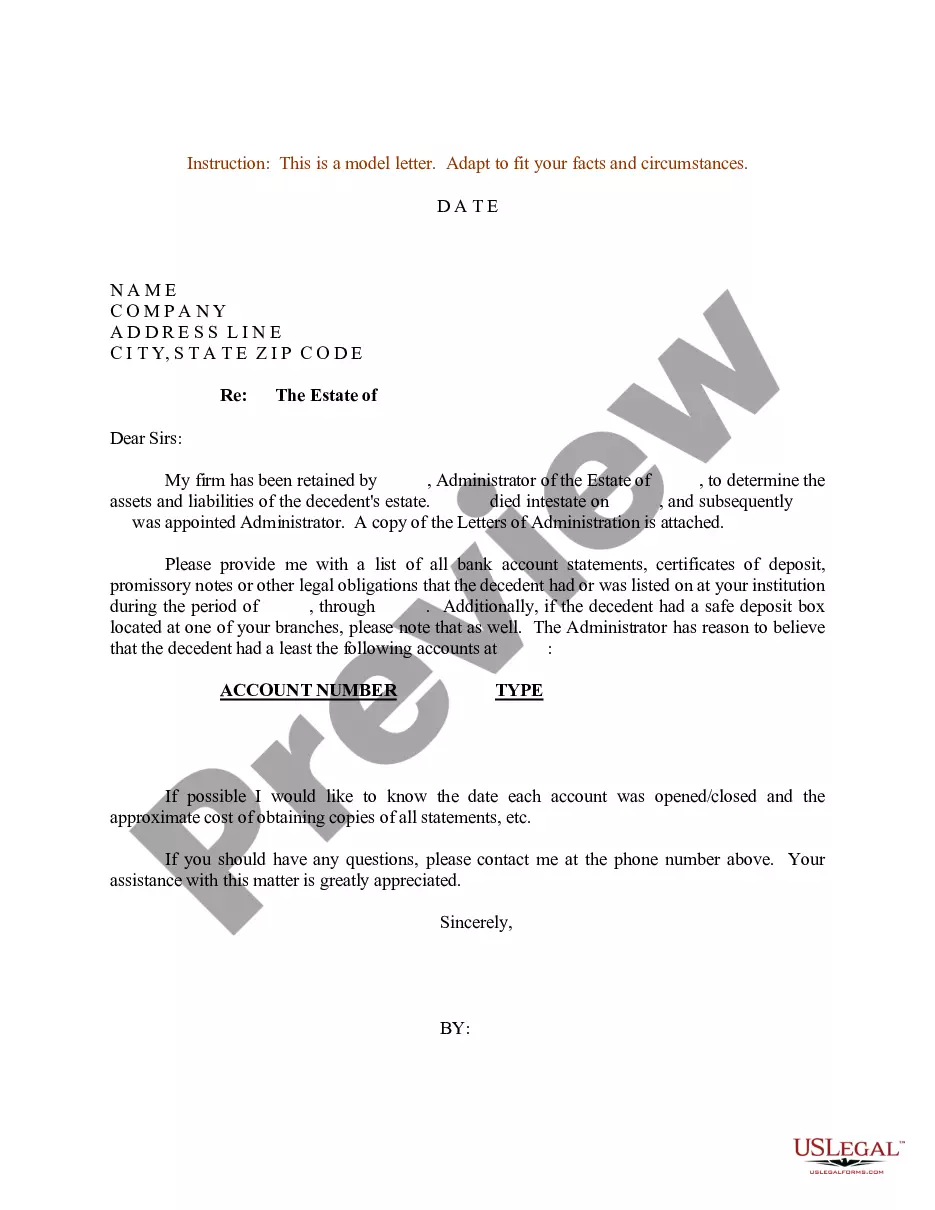
Get your form ready online
Our built-in tools help you complete, sign, share, and store your documents in one place.
Make edits, fill in missing information, and update formatting in US Legal Forms—just like you would in MS Word.
Download a copy, print it, send it by email, or mail it via USPS—whatever works best for your next step.
Sign and collect signatures with our SignNow integration. Send to multiple recipients, set reminders, and more. Go Premium to unlock E-Sign.
If this form requires notarization, complete it online through a secure video call—no need to meet a notary in person or wait for an appointment.
We protect your documents and personal data by following strict security and privacy standards.

Make edits, fill in missing information, and update formatting in US Legal Forms—just like you would in MS Word.

Download a copy, print it, send it by email, or mail it via USPS—whatever works best for your next step.

Sign and collect signatures with our SignNow integration. Send to multiple recipients, set reminders, and more. Go Premium to unlock E-Sign.

If this form requires notarization, complete it online through a secure video call—no need to meet a notary in person or wait for an appointment.

We protect your documents and personal data by following strict security and privacy standards.
Looking for another form?
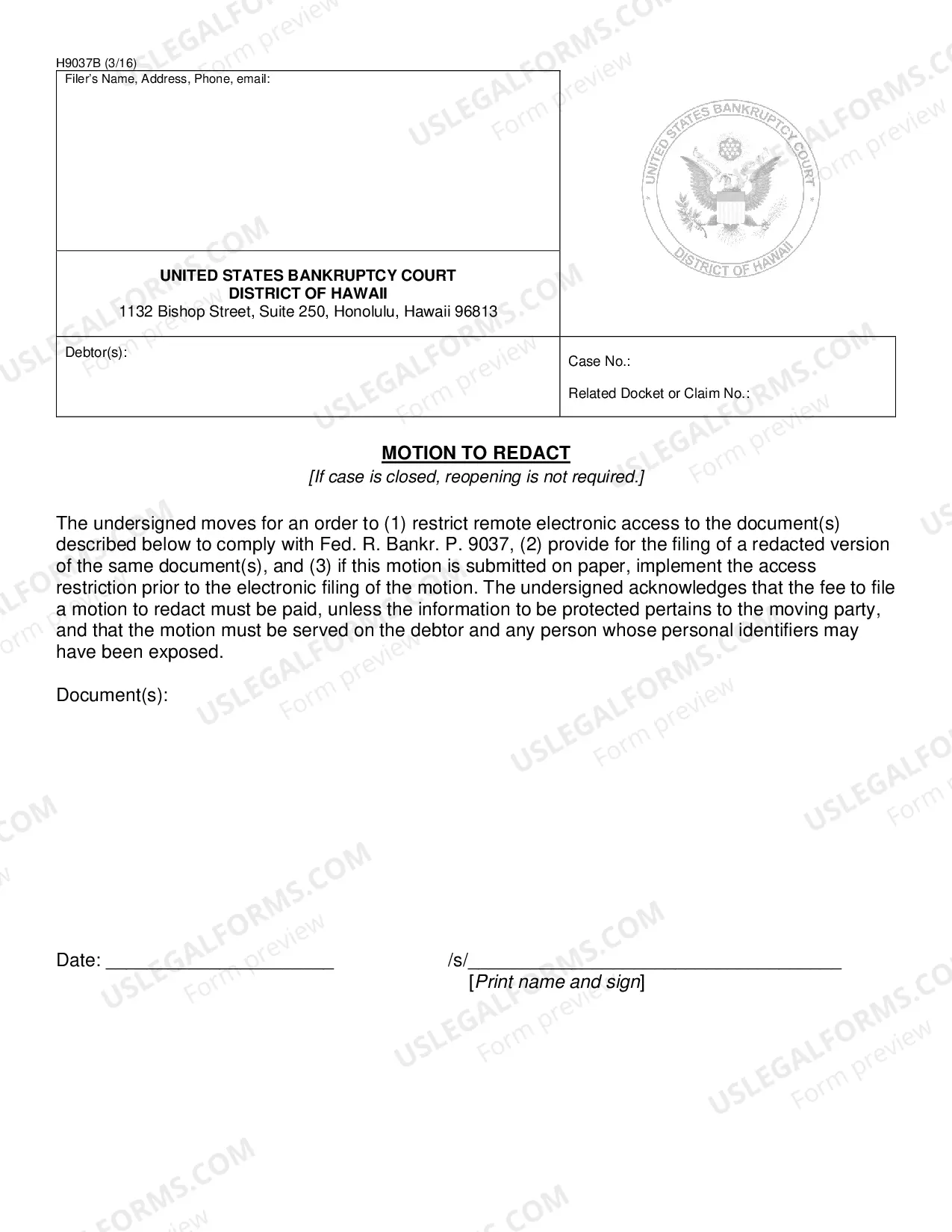

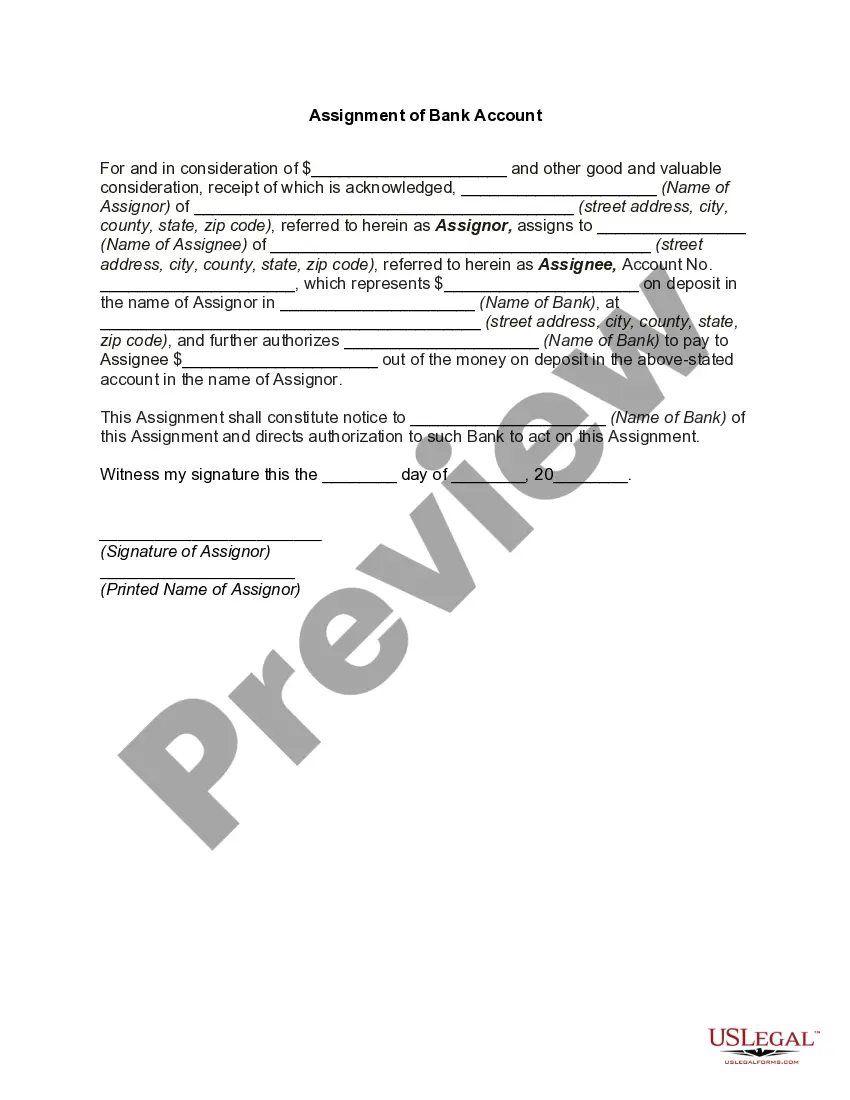




Form popularity
FAQ
Trusts can be ended by an event, for example: the coming of age of the beneficiary. the death of the beneficiary. as a result of a decision by the trustees.
Terminating an active trust requires court intervention or unanimous beneficiary consent. A party with legal standing must demonstrate compelling reasons for a judge to order dissolution, or alternatively, all beneficiaries must concur on ending the trust, ensuring adherence to the trust's purpose and legal procedures.
The trust deed may stipulate that a simple resolution will suffice for winding up the trust, but more commonly a new deed is necessary to close the trust and distribute the trust assets. The deed should be drawn up by a solicitor and signatures must be witnessed.
To invalidate a trust, the first step is to retract all assets that have been transferred into it. Following this, you should fill out a revocation form, clearly stating the reasons for wanting to revoke the trust, often due to changes in circumstances.
A trust can break when it essentially no longer serves the purpose for which it was created. This can happen at different times during the lifetime of a trust, from its inception to the final distribution of all assets and the filing of a tax return.
If the beneficiaries want to modify or terminate the trust without the settlor's approval, they will have to go to court and present their case. A judge will have to weight their interest against the purposes of the trust and determine which side should prevail.
A minor beneficiary can be named in a Will or a Trust or, by default, be entitled to an inheritance through intestate succession. However, in California, a minor cannot legally own property until they are 18 years of age and must wait until the age of majority to take possession of it.
Dissolving a trust requires planning and paperwork. The trustee will be required to: determine all the assets of the trust; determine how to deal with each asset (for example, an asset could be transferred to a beneficiary or alternatively it could be sold and the net proceeds distributed to beneficiaries);
Electronically at the courthouse. Online. You may use the court's public portal to view and copy court records. In person for all cases types including conservatorships and guardianships. You may use the kiosk to view records and ask the court clerk to make copies. By mail or drop box.
