Sample Letter To Close Trust Account For Deceased Person In Bexar
Description


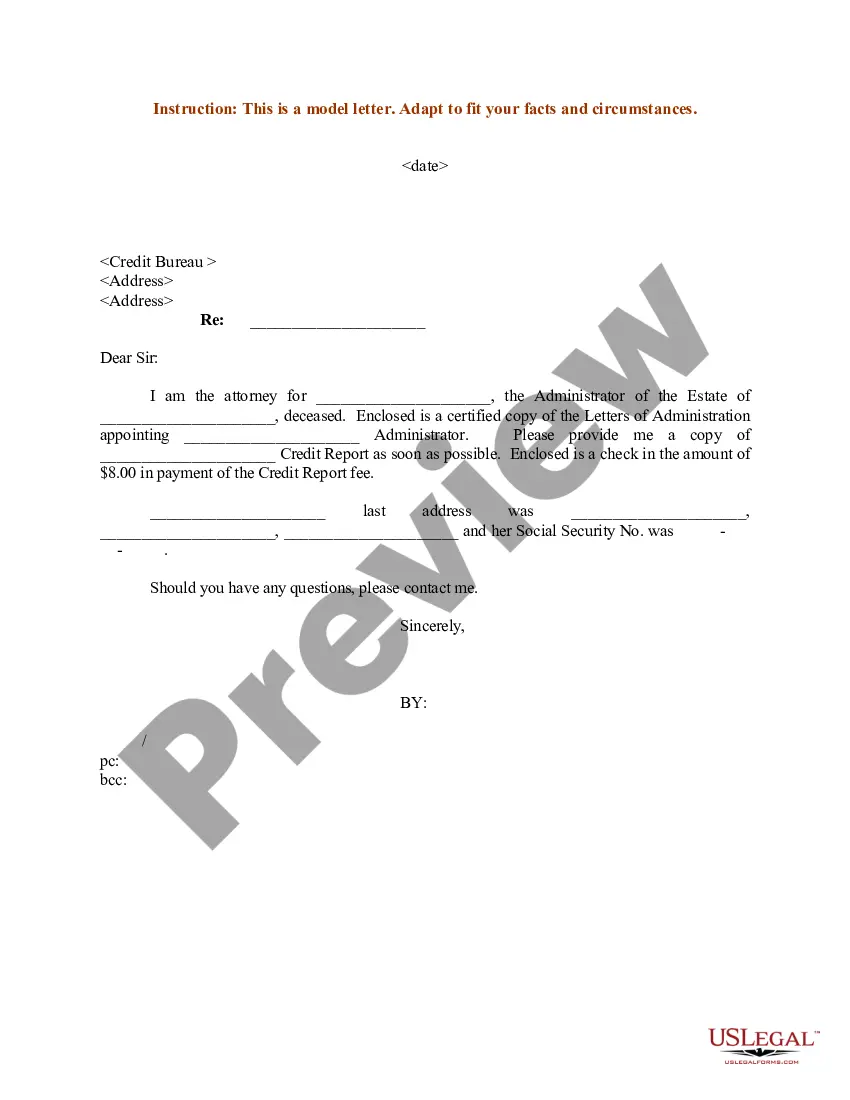

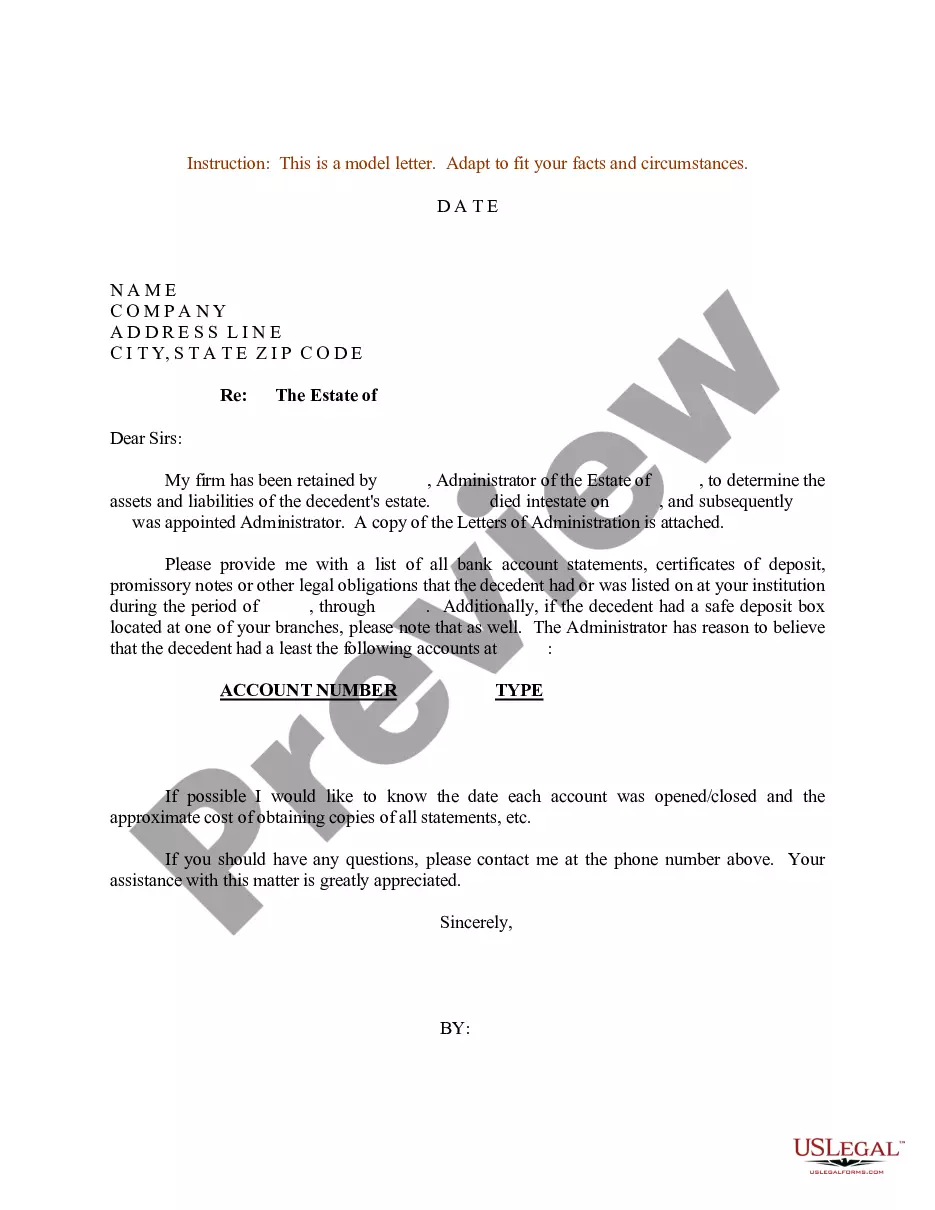
Get your form ready online
Our built-in tools help you complete, sign, share, and store your documents in one place.
Make edits, fill in missing information, and update formatting in US Legal Forms—just like you would in MS Word.
Download a copy, print it, send it by email, or mail it via USPS—whatever works best for your next step.
Sign and collect signatures with our SignNow integration. Send to multiple recipients, set reminders, and more. Go Premium to unlock E-Sign.
If this form requires notarization, complete it online through a secure video call—no need to meet a notary in person or wait for an appointment.
We protect your documents and personal data by following strict security and privacy standards.

Make edits, fill in missing information, and update formatting in US Legal Forms—just like you would in MS Word.

Download a copy, print it, send it by email, or mail it via USPS—whatever works best for your next step.

Sign and collect signatures with our SignNow integration. Send to multiple recipients, set reminders, and more. Go Premium to unlock E-Sign.

If this form requires notarization, complete it online through a secure video call—no need to meet a notary in person or wait for an appointment.

We protect your documents and personal data by following strict security and privacy standards.
Looking for another form?

Form popularity
FAQ
Procedures: Please e-file all appropriate documents for your case with the Bexar County Probate Clerk's office, including Proposed Orders, Judgments, Affidavits of Heirship, and Proof of Death for review.
Filing a closing report, notice of closing estate, or petition for judicial discharge. The court can order the probate closed if there is a demand for an accounting and distribution or a demand for closing is made. The court can order the probate closed on its own motion.
An estate may be exempt from the probate process in certain circumstances. Under Texas Estates Code, Title 2, Chapter 205, an estate need not pass through the probate process if there is no will and the total value of the estate (not counting any homestead real estate owned by the Decedent) is $75,000 or less.
A Will, by itself, is not effective to convey title, possession, or interest in property. A Will must first be admitted to probate. Generally, under Texas law, a Will must be admitted to probate within 4 years of a person's death.
In Texas, if an estate's value exceeds $75,000, it generally must go through probate because the law aims to ensure that significant assets are appropriately managed and distributed under court supervision. The reason an estate over $75,000 must go through probate is to protect the rights of heirs and creditors.
Without the legal validation of the will through probate, there is no official recognition of their right to inherit. Non-probated wills have no legal effect in Texas. This means that even if someone is named as a beneficiary in the will, they have no legal claim to the assets without going through the probate process.
Under Texas law, the paperwork to begin a probate, which includes applications and the will, must be filed in court within four years after the testator died.
The person who wants to serve as an executor (or an administrator) must apply with the court for letters testamentary (or letters of administration). Even if the will nominates an executor, they must still apply and go through the approval process.
A final distribution of estate letter is a document that marks the end of probate. This letter officially communicates to beneficiaries about how the deceased person's property has been shared among them. The executor or personal representative usually drafts and hands out this letter.
A good letter of instruction should contain the following information: A complete list of all assets. The whereabouts of any tangible assets that are not readily accessible. Necessary information about all liquid assets, including bank, brokerage, retirement, and investment accounts.
