This is a multi-state form covering the subject matter of the title.
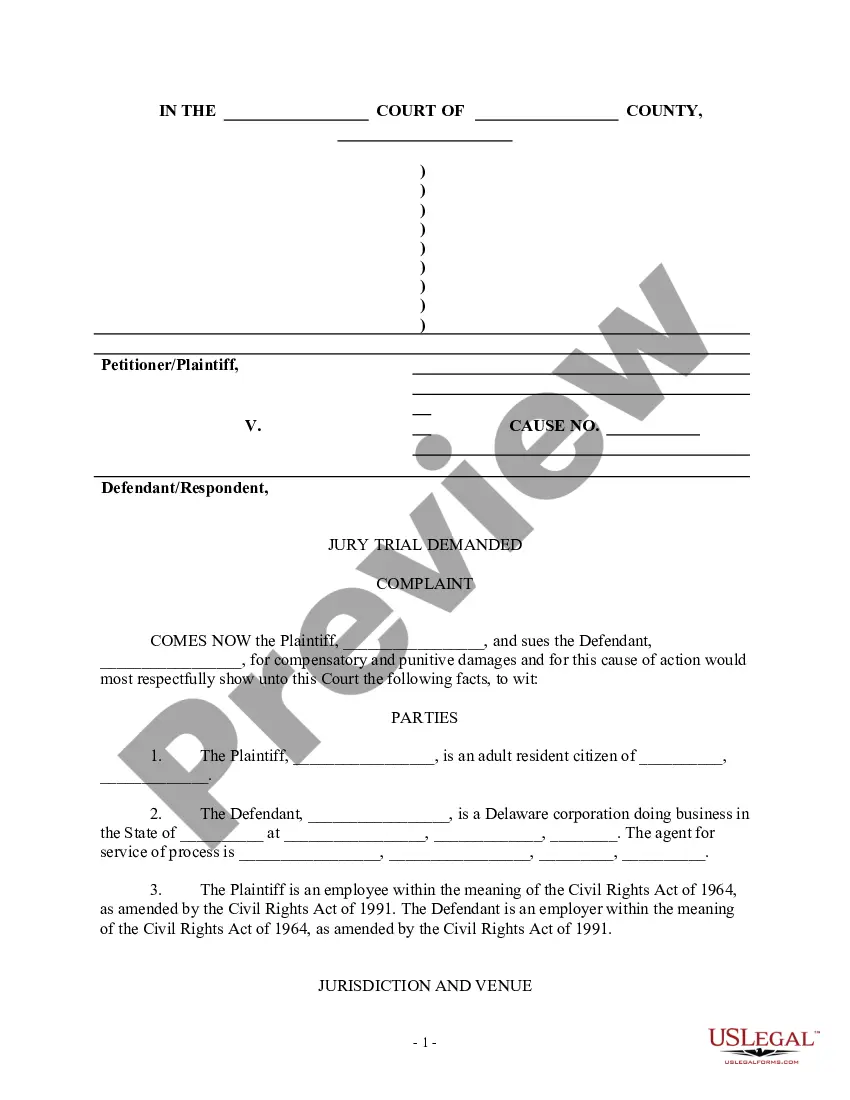
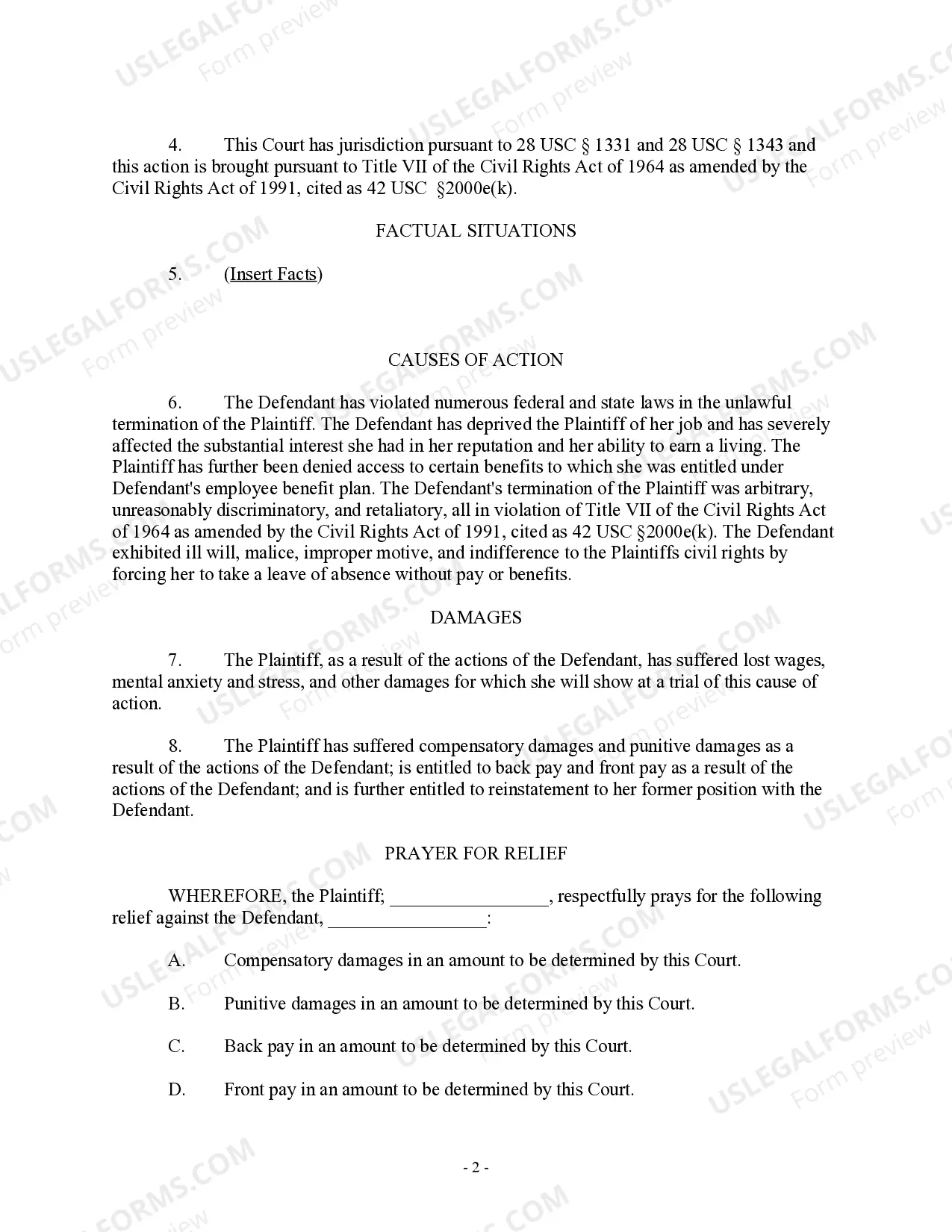
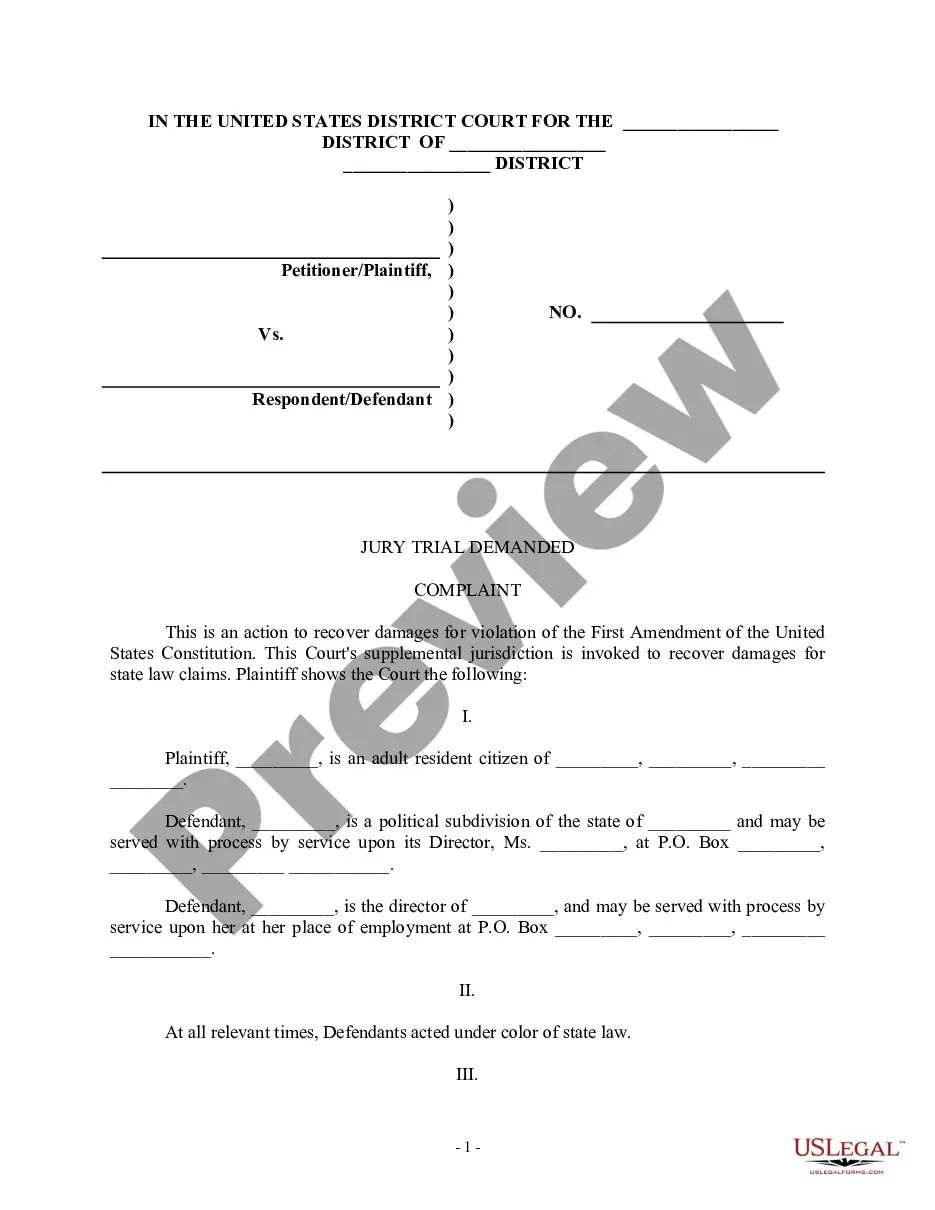
Human Rights Court In District In San Diego
State:
Multi-State
Category:
County:
San Diego
Control #:
US-000291
Format:
Word;
Rich Text
93 downloads
Description
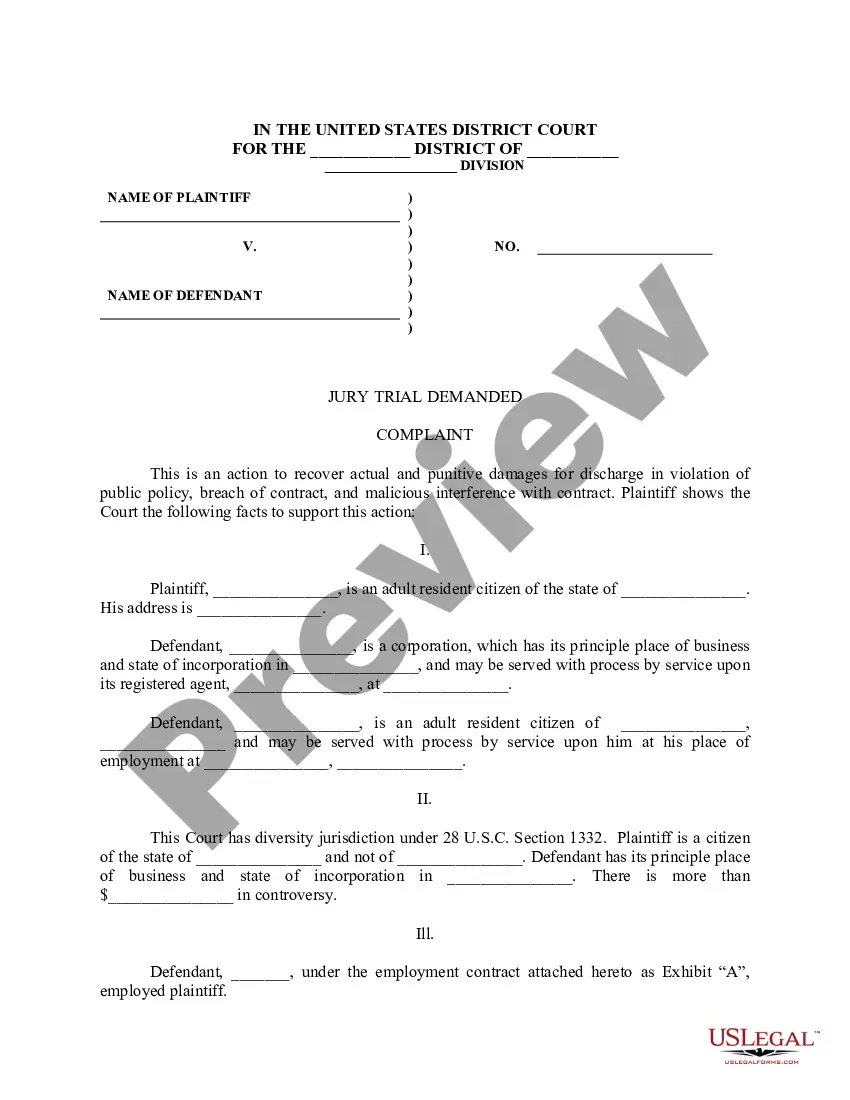
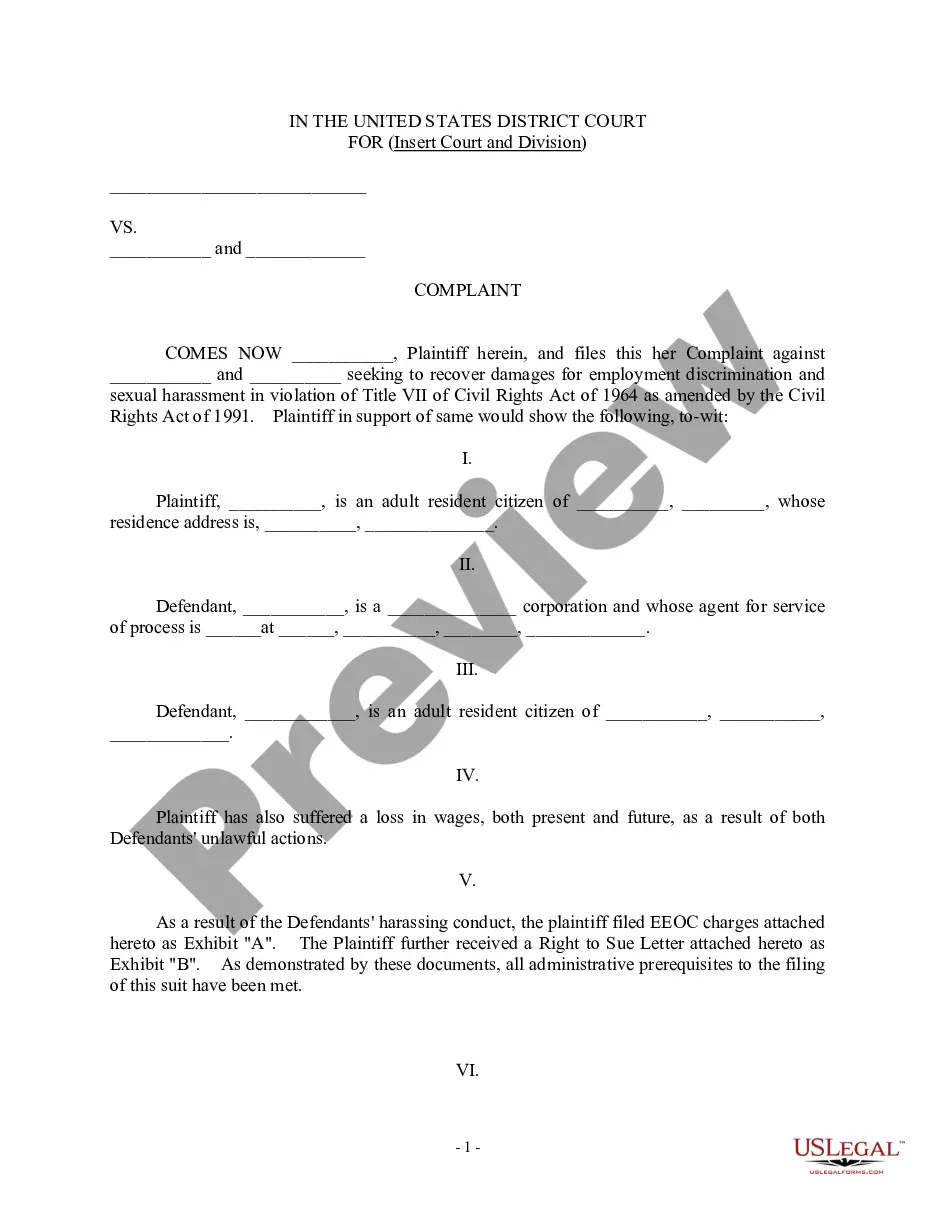
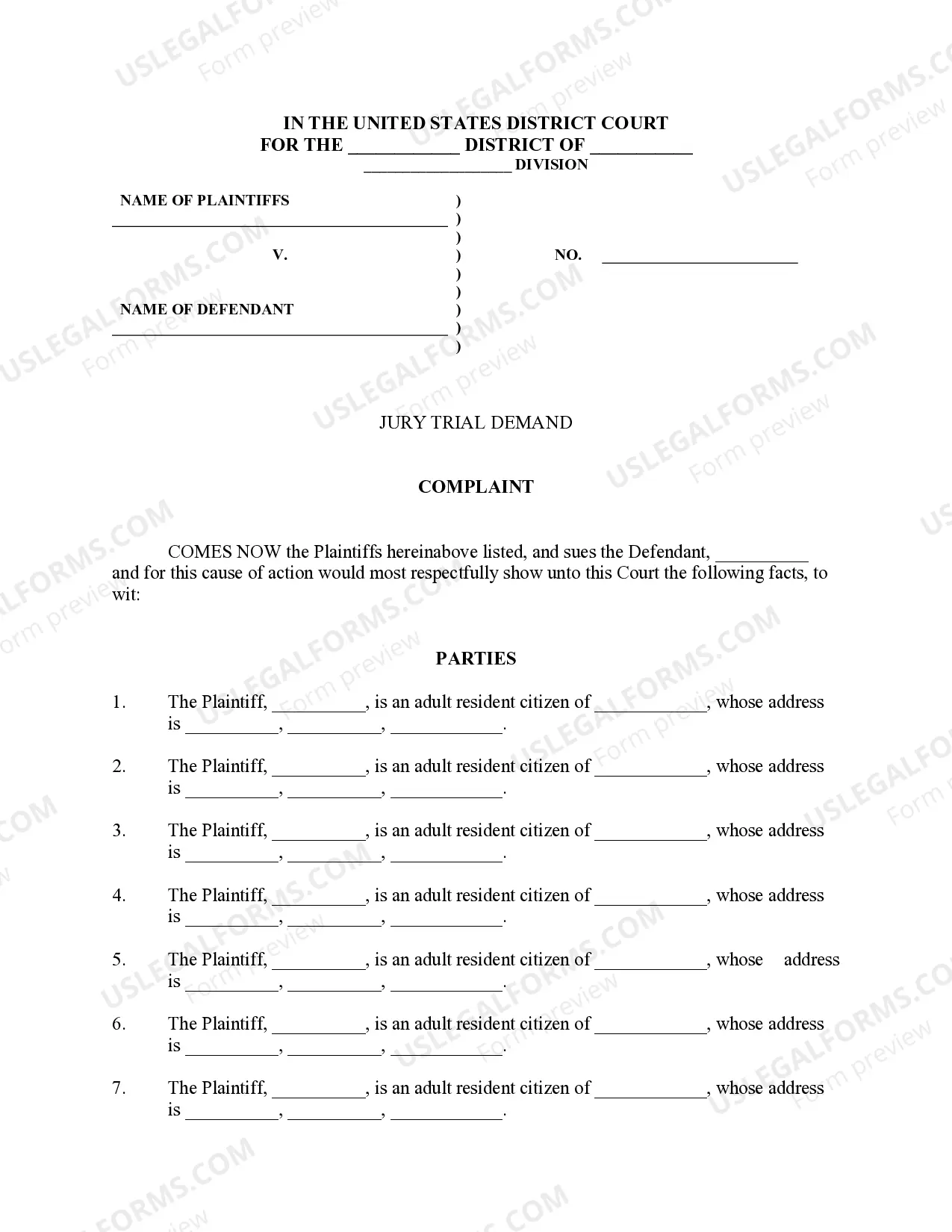
Free preview
Get your form ready online
Our built-in tools help you complete, sign, share, and store your documents in one place.
Built-in online Word editor
Make edits, fill in missing information, and update formatting in US Legal Forms—just like you would in MS Word.
Export easily
Download a copy, print it, send it by email, or mail it via USPS—whatever works best for your next step.
E-sign your document
Sign and collect signatures with our SignNow integration. Send to multiple recipients, set reminders, and more. Go Premium to unlock E-Sign.
Notarize online 24/7
If this form requires notarization, complete it online through a secure video call—no need to meet a notary in person or wait for an appointment.
Store your document securely
We protect your documents and personal data by following strict security and privacy standards.

Make edits, fill in missing information, and update formatting in US Legal Forms—just like you would in MS Word.

Download a copy, print it, send it by email, or mail it via USPS—whatever works best for your next step.

Sign and collect signatures with our SignNow integration. Send to multiple recipients, set reminders, and more. Go Premium to unlock E-Sign.

If this form requires notarization, complete it online through a secure video call—no need to meet a notary in person or wait for an appointment.

We protect your documents and personal data by following strict security and privacy standards.
Looking for another form?


Form popularity
FAQ
The federal False Claims Act allows individuals to file “qui tam” or “whistleblower” lawsuits against organizations that have defrauded the government. In a qui tam action, an individual with direct knowledge of fraud files a lawsuit on behalf of the government.
A claim against the County must be made in writing. Claims filed against the County must be completed in ance with the California Government Code, sections 900-915.4. No claim form is required; however, the County does provide claim forms for the convenience of the general public.
All Superior Courts in California have authority over a wide variety of case types: Civil Cases - Includes both limited civil cases ($35,000 or less) and unlimited civil cases (over $35,000). Criminal Cases - Both felony and misdemeanor crimes (including such offenses as driving under the influence).
A claim against the County must be made in writing. Claims filed against the County must be completed in ance with the California Government Code, sections 900-915.4. No claim form is required; however, the County does provide claim forms for the convenience of the general public.
The San Diego Superior Court now accepts e-Filing for Civil, Probate, Family Law and Family Support Division case types as well as Requests for Domestic Violence Restraining Orders and Gun Violence Restraining Orders.
It is an autonomous legal institution whose objective is to interpret and apply the American Convention. The Inter-American Court exercises a contentious function, in which it resolves contentious cases and supervises judgments; an advisory function; and a function wherein it can order provisional measures.
A claim against the County must be made in writing. Claims filed against the County must be completed in ance with the California Government Code, sections 900-915.4. No claim form is required; however, the County does provide claim forms for the convenience of the general public.
San Diego and Imperial Counties were designated the Southern Division of the Southern District of California, holding semi-annual sessions in July and January.
Timeline of How to File a Lawsuit Step 1: File a Complaint. Plaintiff files a complaint and summons with the local county court. Step 2: Answer Complaint. Step 3: Discovery. Step 4: Failing to Respond to Discovery. Step 5: Conclusion of Lawsuit.