Decedent Account Bank Withdrawal In Arizona
Description





Get your form ready online
Our built-in tools help you complete, sign, share, and store your documents in one place.
Make edits, fill in missing information, and update formatting in US Legal Forms—just like you would in MS Word.
Download a copy, print it, send it by email, or mail it via USPS—whatever works best for your next step.
Sign and collect signatures with our SignNow integration. Send to multiple recipients, set reminders, and more. Go Premium to unlock E-Sign.
If this form requires notarization, complete it online through a secure video call—no need to meet a notary in person or wait for an appointment.
We protect your documents and personal data by following strict security and privacy standards.

Make edits, fill in missing information, and update formatting in US Legal Forms—just like you would in MS Word.

Download a copy, print it, send it by email, or mail it via USPS—whatever works best for your next step.

Sign and collect signatures with our SignNow integration. Send to multiple recipients, set reminders, and more. Go Premium to unlock E-Sign.

If this form requires notarization, complete it online through a secure video call—no need to meet a notary in person or wait for an appointment.

We protect your documents and personal data by following strict security and privacy standards.
Looking for another form?


Form popularity
FAQ
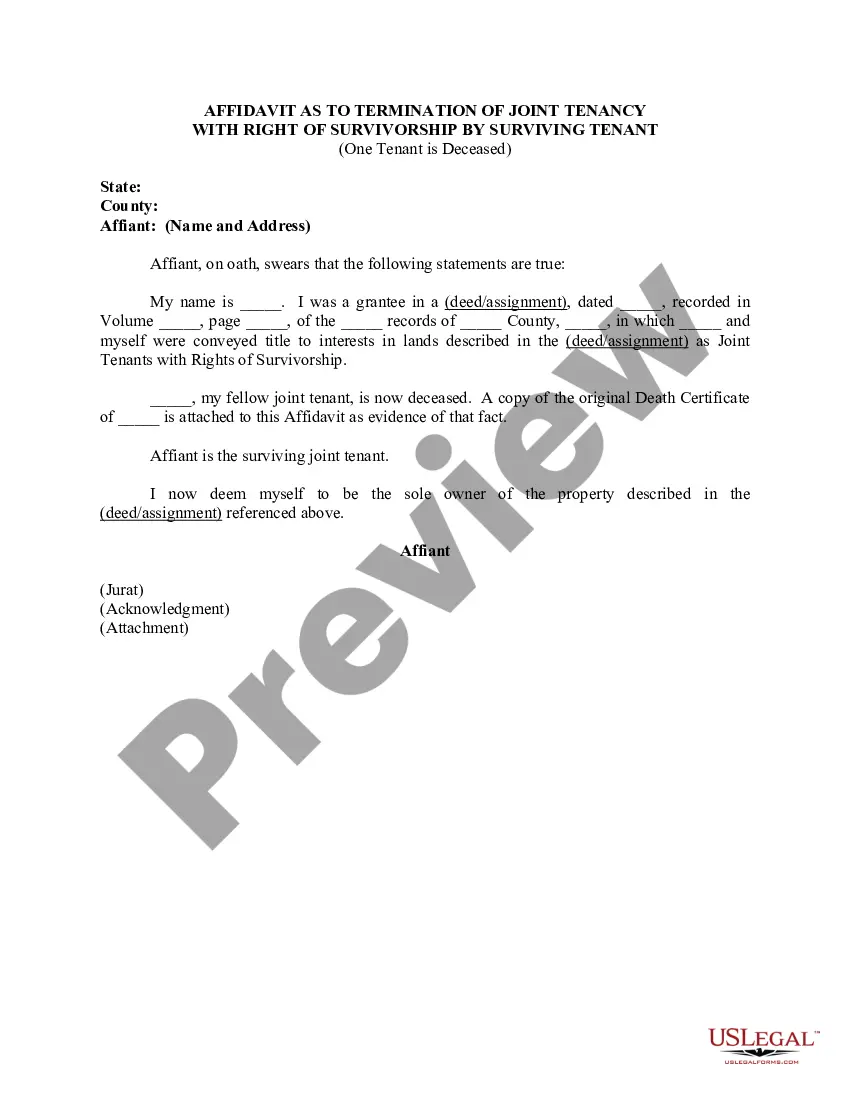
The procedure for using a small estate affidavit involves submitting a sworn statement verifying that the estate qualifies as a small estate ing to Arizona law. This affidavit enables the designated affiant, who is often a close relative or legal representative, to collect and distribute the deceased's assets.
When a bank account owner dies, the process is fairly straightforward if the account has a joint owner or beneficiary. Otherwise, the account typically becomes part of the owner's estate or is eventually turned over to the state government and the disbursement of funds is handled in probate court.
At least 40 days have elapsed since the death of the decedent, as shown in a certified copy of the decedent's Death Certificate attached to this affidavit or declaration.
Only joint owners, beneficiaries or executors can access a deceased person's bank account.
3: Financial Assets Bank accounts and brokerage accounts, business ownership interests, stocks, bonds, and other financial assets are also subject to probate. However, bank accounts, life insurance policies, and retirement accounts that have a designated beneficiary are not considered probate assets.
DOCUMENTS REQUIRED: As a matter of general rule following documents are required in all cases of death claim: i. Death Certificate. ii. Application for Deceased claim(Annexure I) /Estate claim form (Annexure II) duly filled in by the legal heirs/claimants.
"The surviving owner will be able to withdraw funds from the account," says David Doehring, probate attorney and managing partner of Doehring & Doehring Attorneys at Law. If the account has a payable on death beneficiary, the bank account balance goes to the beneficiary after the last account owner dies.
3: Financial Assets Bank accounts and brokerage accounts, business ownership interests, stocks, bonds, and other financial assets are also subject to probate. However, bank accounts, life insurance policies, and retirement accounts that have a designated beneficiary are not considered probate assets.
