Account Estate Bank Foreclosure In Allegheny
Description


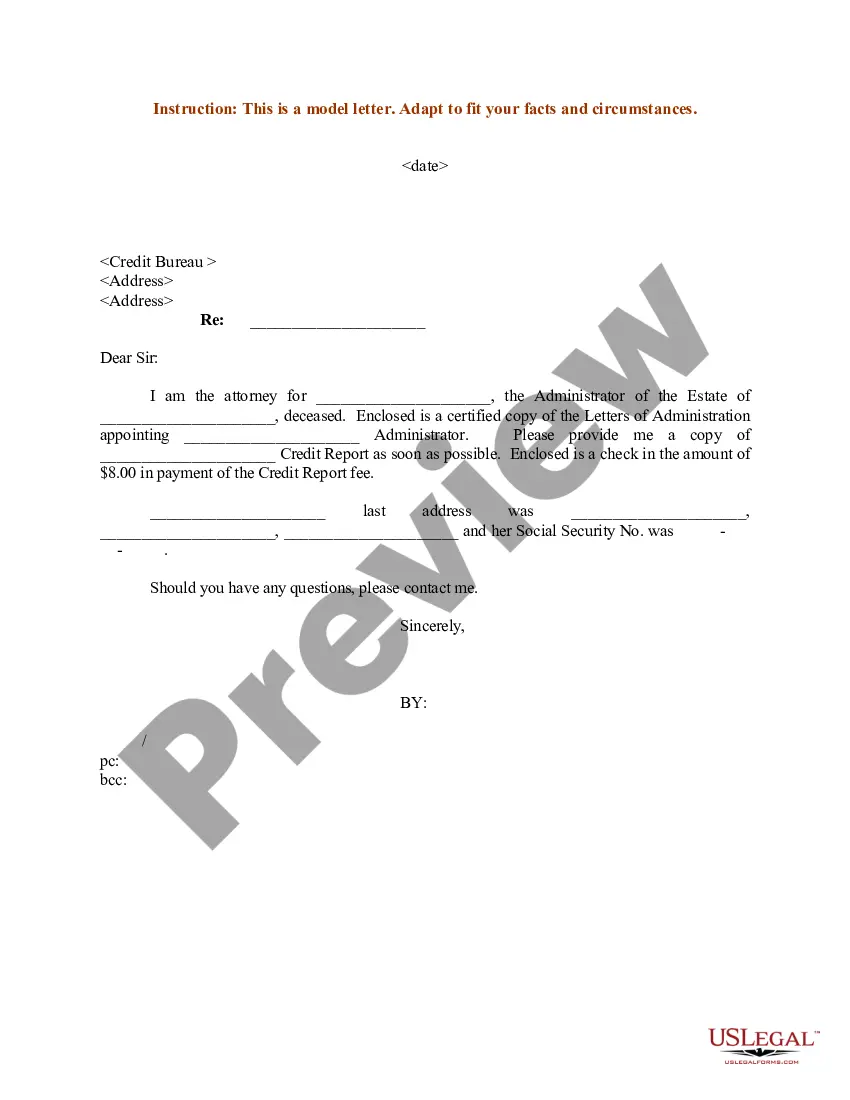

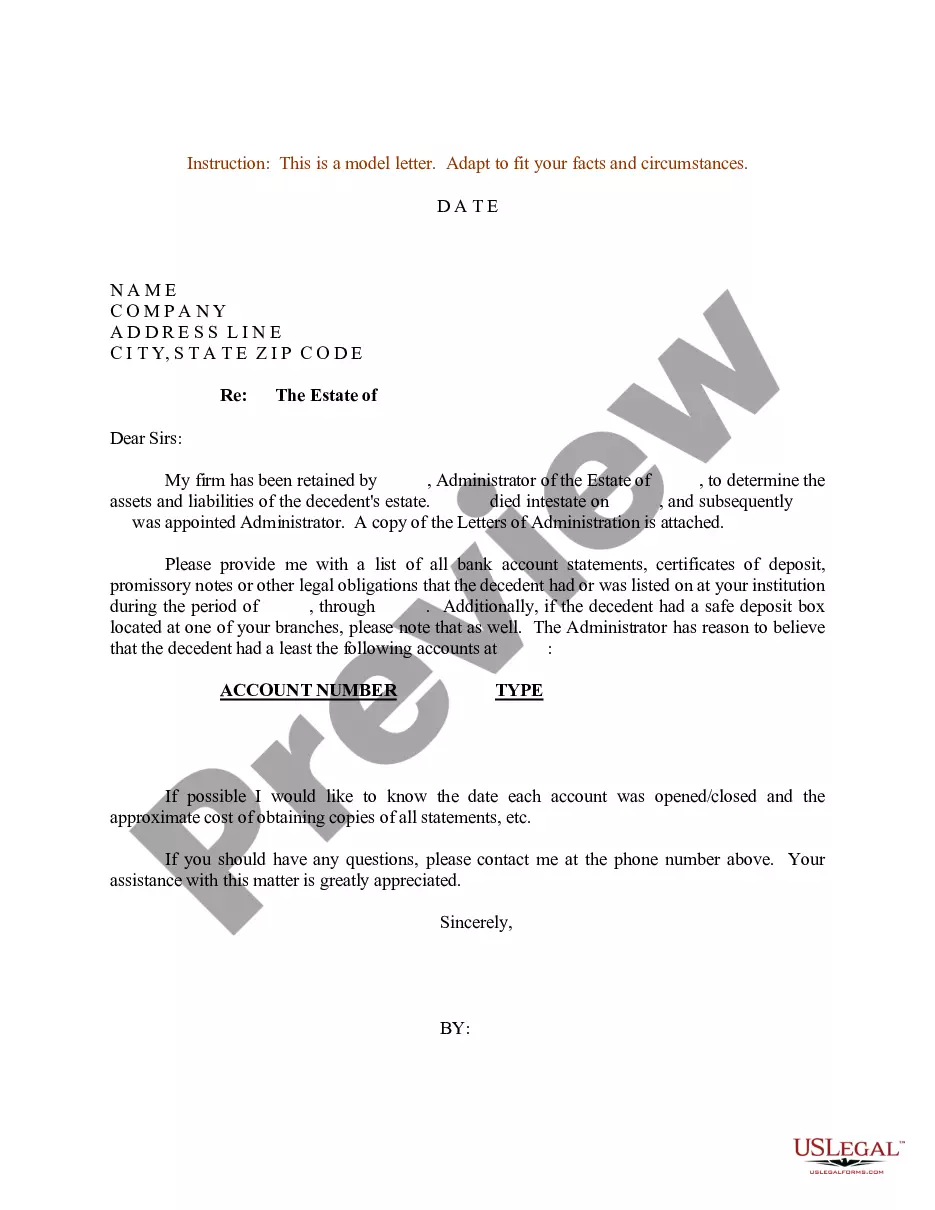
Get your form ready online
Our built-in tools help you complete, sign, share, and store your documents in one place.
Make edits, fill in missing information, and update formatting in US Legal Forms—just like you would in MS Word.
Download a copy, print it, send it by email, or mail it via USPS—whatever works best for your next step.
Sign and collect signatures with our SignNow integration. Send to multiple recipients, set reminders, and more. Go Premium to unlock E-Sign.
If this form requires notarization, complete it online through a secure video call—no need to meet a notary in person or wait for an appointment.
We protect your documents and personal data by following strict security and privacy standards.

Make edits, fill in missing information, and update formatting in US Legal Forms—just like you would in MS Word.

Download a copy, print it, send it by email, or mail it via USPS—whatever works best for your next step.

Sign and collect signatures with our SignNow integration. Send to multiple recipients, set reminders, and more. Go Premium to unlock E-Sign.

If this form requires notarization, complete it online through a secure video call—no need to meet a notary in person or wait for an appointment.

We protect your documents and personal data by following strict security and privacy standards.
Looking for another form?



Form popularity
FAQ
HEMAP was created by Act 91 of 1983, and was designed to protect Pennsylvanians who, through no fault of their own, are financially unable to make their mortgage payments and are in danger of losing their homes to foreclosure.
If you do not challenge a foreclosure, it may be completed about 120 days from your initial notice. Under 12 C.F.R. § 1024.41(f), the bank may not legally foreclose on someone's property unless they are more than 120 days delinquent with mortgage payments.
Public records Throughout the foreclosure process, various legal notices must be filed in your County Recorder's Office. This information is public record and available to anyone.
Tenants who live in recently foreclosed-upon properties can typically stay there until their leases are over in Pennsylvania. If the new owner has standing to evict residents after a sheriff's sale, they must give residents a 90-day notice to vacate.
How Can You Max Out Your Chances of Working It Out? Explain your financial hardship and why it is/was temporary. Demonstrate that you have tried to improve your situation. Make a specific proposal or specific alternative proposals. Demonstrate that you are financially able to keep your end of the bargain.
Banks almost always negotiate on the bids they receive – they rarely accept them on the first go-around. They'll review the bids and take the highest offers, negotiating with buyers to get the dollar amount they want for the home.
MLS: Most lenders list their REO properties on a Multiple Listing Service (MLS), so any real estate agent can help you identify REO offerings in your area. Bank websites: Some banks and credit unions have an entire department set up to sell REOs, and sections of their websites are dedicated to their listings.
What Happens After a Sheriff Sale in PA? Under limited circumstances you can challenge the sheriff sale by filing a motion to set aside the sale before transfer of the deed to the buyer. Otherwise the deed is transferred after 21 days in Pennsylvania.
A: In Pennsylvania, federal tax liens, municipal claims, mechanics' liens, and judgment liens may survive foreclosure, depending on the circumstances. You may still be liable for these.
