Sample Letter To Close Trust Account For A Minor In Alameda
Description




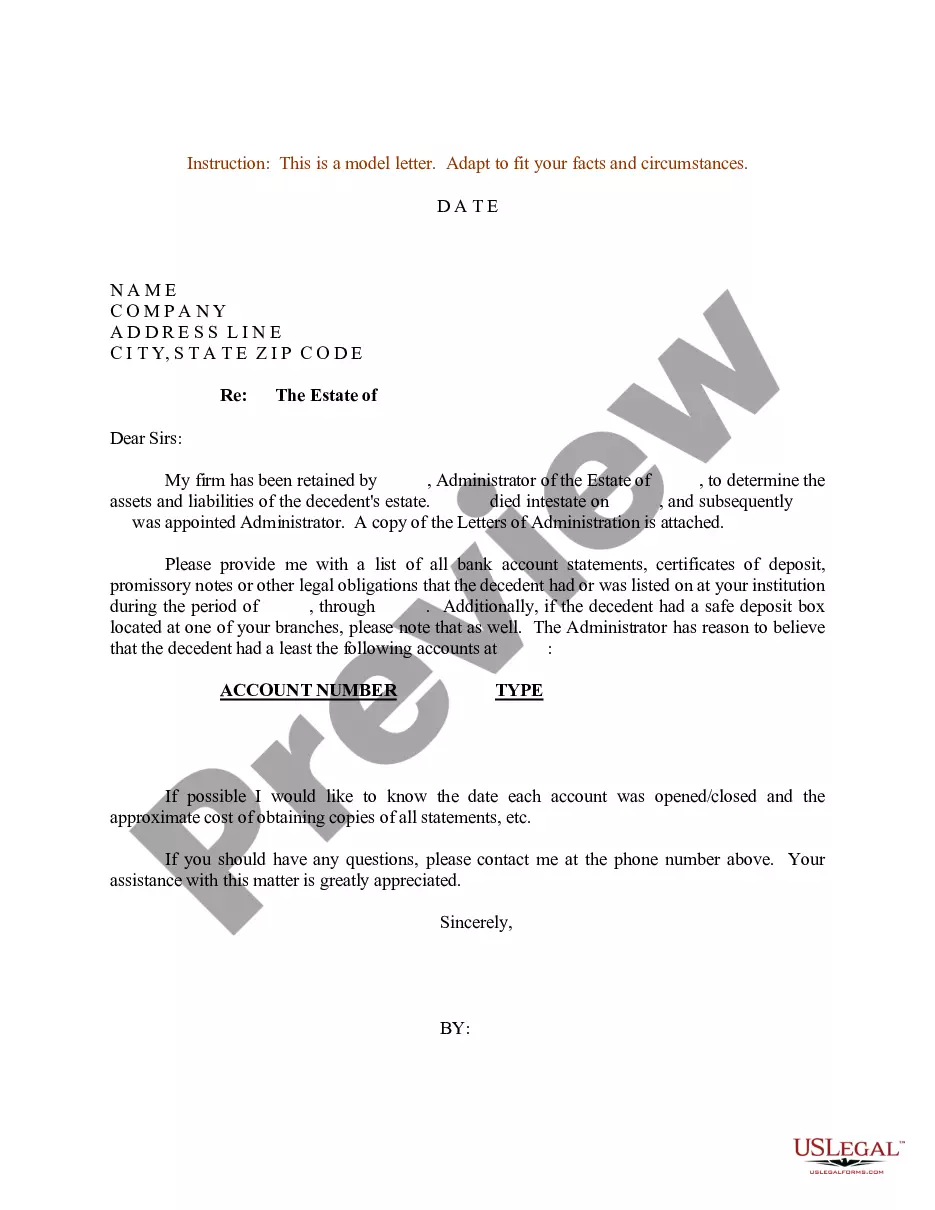
Get your form ready online
Our built-in tools help you complete, sign, share, and store your documents in one place.
Make edits, fill in missing information, and update formatting in US Legal Forms—just like you would in MS Word.
Download a copy, print it, send it by email, or mail it via USPS—whatever works best for your next step.
Sign and collect signatures with our SignNow integration. Send to multiple recipients, set reminders, and more. Go Premium to unlock E-Sign.
If this form requires notarization, complete it online through a secure video call—no need to meet a notary in person or wait for an appointment.
We protect your documents and personal data by following strict security and privacy standards.

Make edits, fill in missing information, and update formatting in US Legal Forms—just like you would in MS Word.

Download a copy, print it, send it by email, or mail it via USPS—whatever works best for your next step.

Sign and collect signatures with our SignNow integration. Send to multiple recipients, set reminders, and more. Go Premium to unlock E-Sign.

If this form requires notarization, complete it online through a secure video call—no need to meet a notary in person or wait for an appointment.

We protect your documents and personal data by following strict security and privacy standards.
Looking for another form?
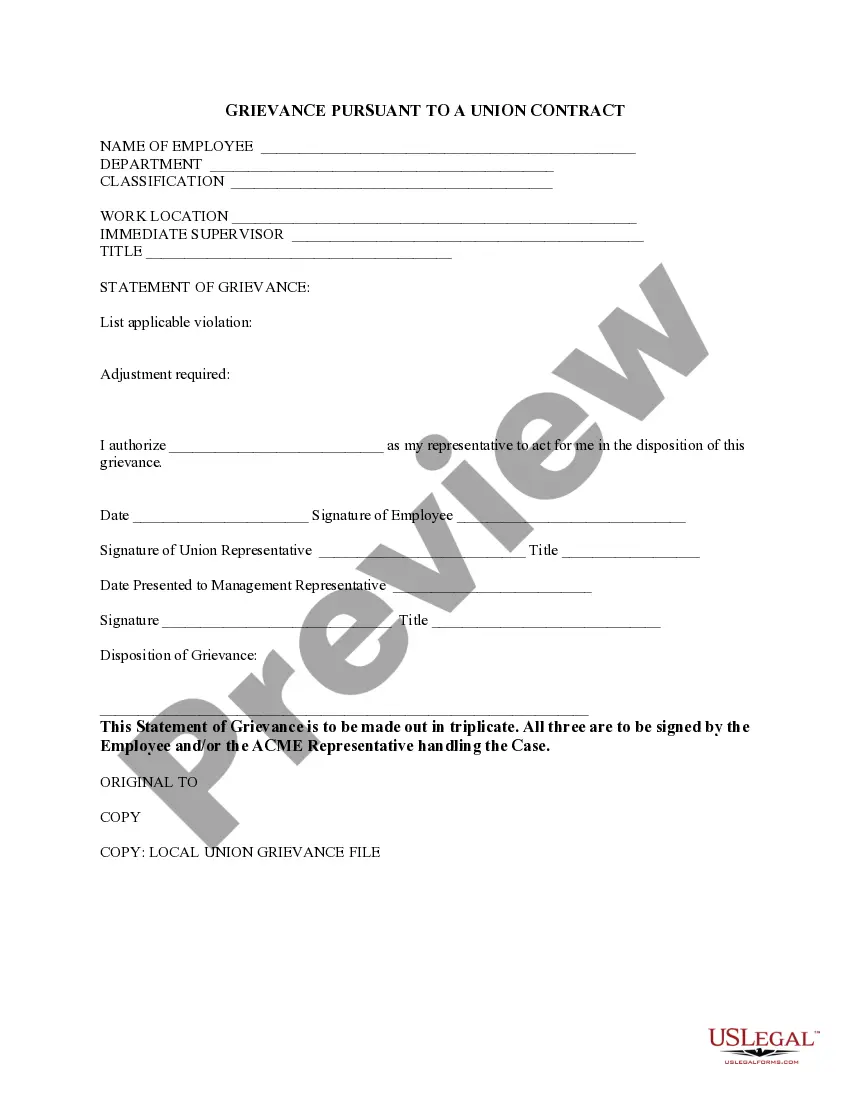


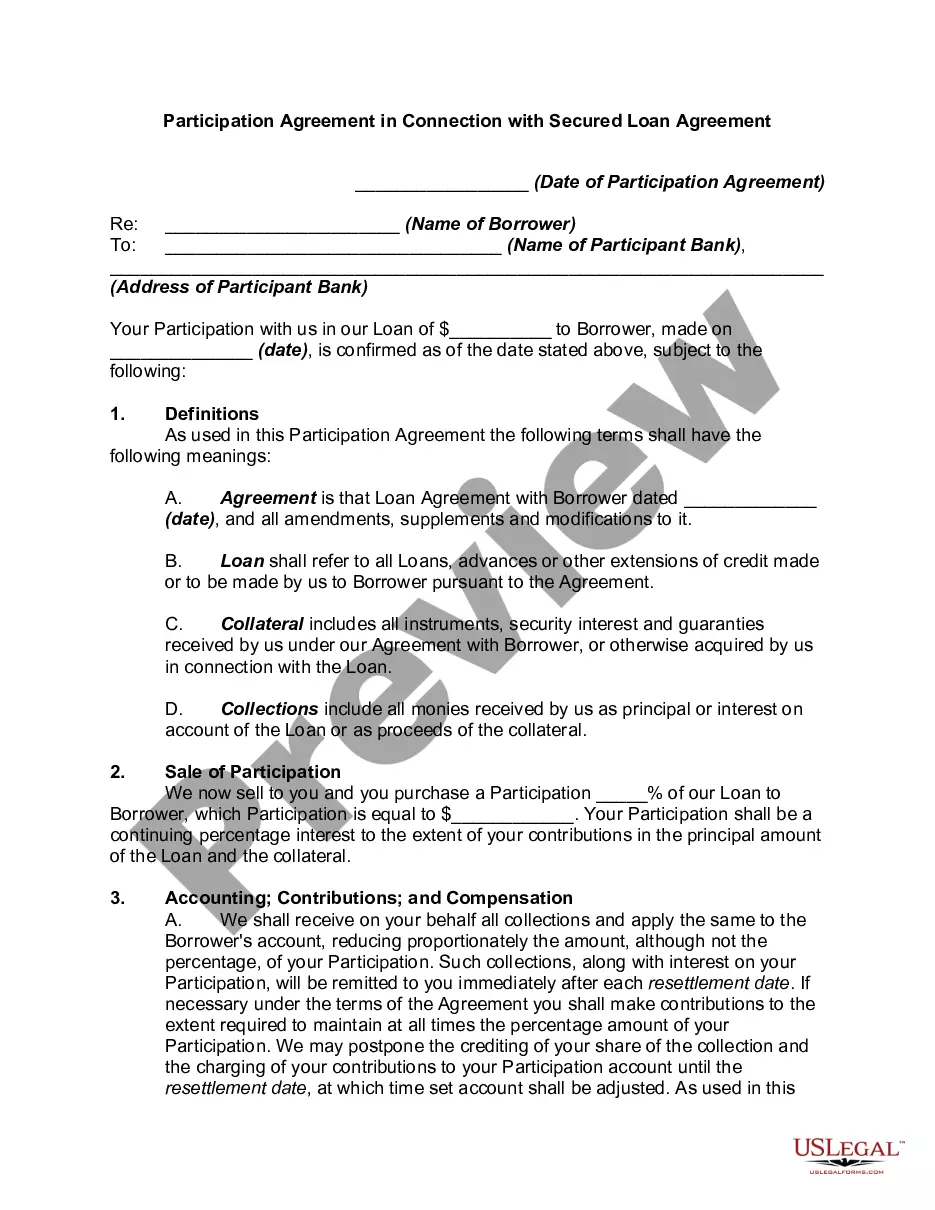





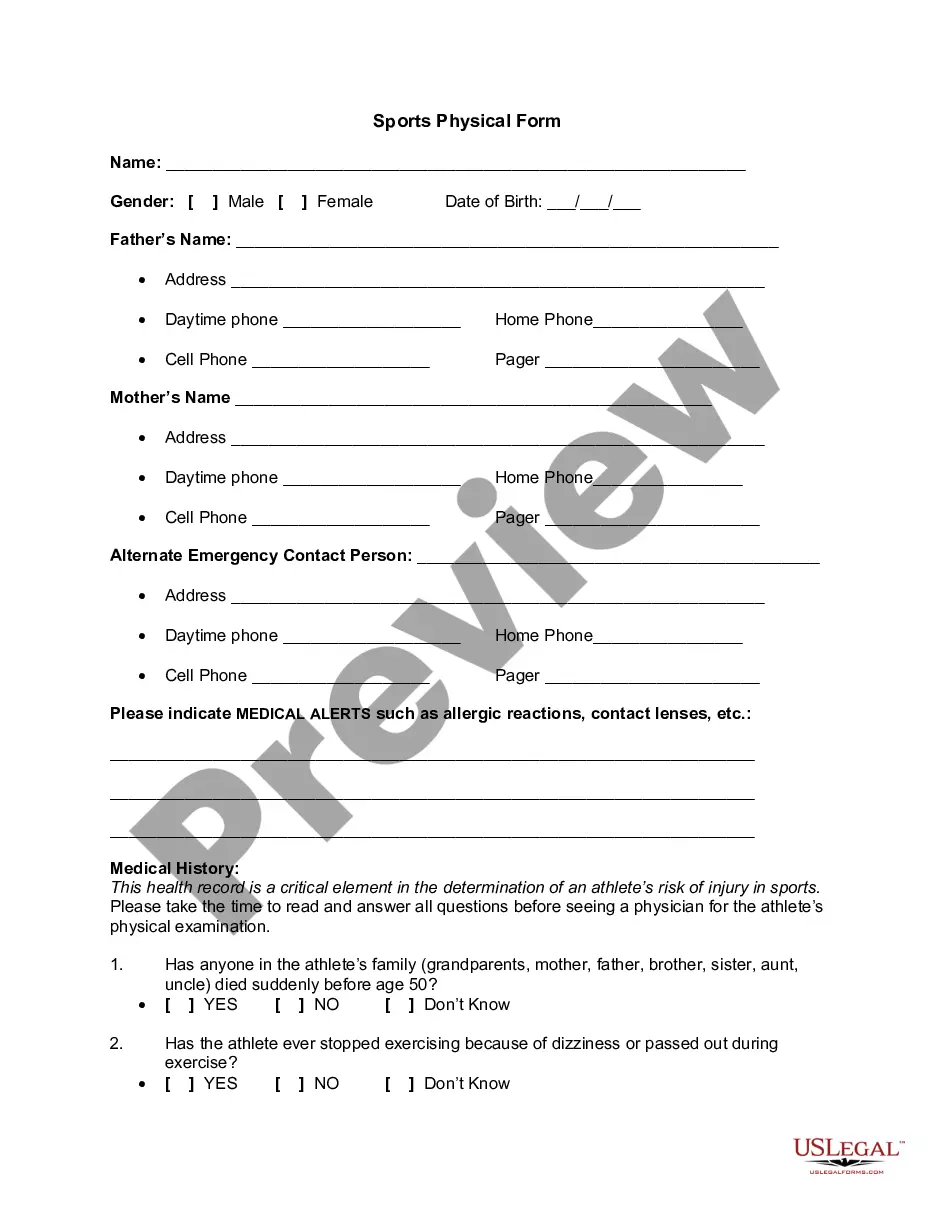
Form popularity
FAQ
A trust dissolution form is a legal document used to dissolve a trust. It outlines the terms of the trust and states that all trust assets will be distributed ing to the trust provisions. The form is typically signed by all parties involved in creating the trust, including the trustee, beneficiaries, and settlor.
The final account report for an estate is a comprehensive document that summarizes all financial activities during the probate process. It details the distribution of the estate's assets, showing a zero balance, meaning all assets have been distributed, and no funds remain.
Trusts are not filed or registered with the Court. You may wish to contact the County Recorder or the attorney who prepared the trust to obtain copies.
Notice of Hearing—Decedent's Estate or Trust (DE-120) If you file a paper in court relating to an estate or a trust, tell all interested persons about the date, time, and place of a hearing relating to that paper. Get form DE-120.
What must I do to close the estate? The Personal Representative must file a final account, report and petition for final distribution, have the petition set for hearing, give notice of the hearing to interested persons, and obtain a court order approving the final distribution.
The final estate distribution letter is a critical document in the estate settlement process. By following the guidelines outlined above, executors can ensure a smooth, transparent, and legally sound distribution of assets, bringing closure to the process and providing peace of mind to all involved.
The Judicial Council form, Ex Parte Petition for Final Discharge and Order (DE-295/GC-395) should be filed with the Clerk's Office, who will arrange to have the petition submitted to the judge for signature.
Irrevocable trusts generally end after the death of the grantor, when all of the assets are distributed by the trustee to the beneficiaries. The grantor can also specify an end date or a condition that must be met before the assets can be distributed.
Seeking Legal Counsel The trustee should have a trust lawyer to guide them through how to dissolve a trust after the grantor's death. Your trust lawyer can help to identify any dissolving trust tax implications. A trust lawyer can help you understand can a trustee revoke a revocable trust.
