Format Of Board Resolution For Investment In Shares In Travis
Description

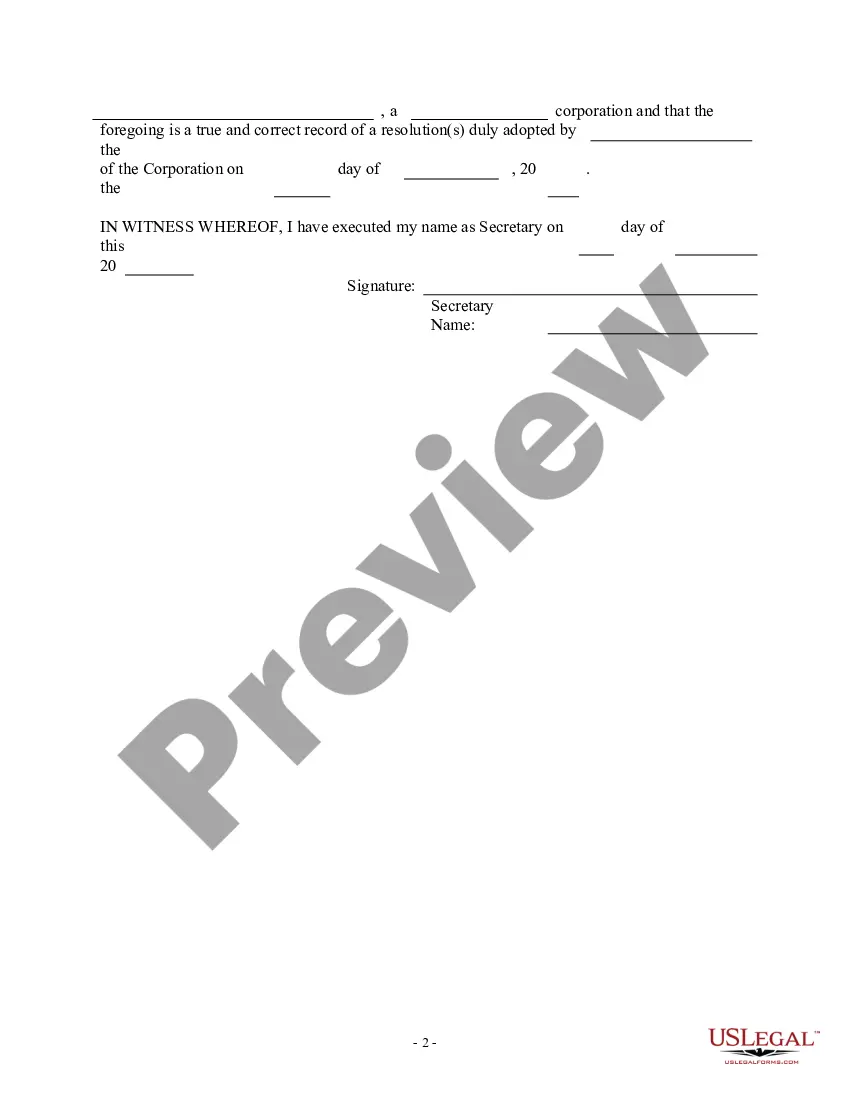

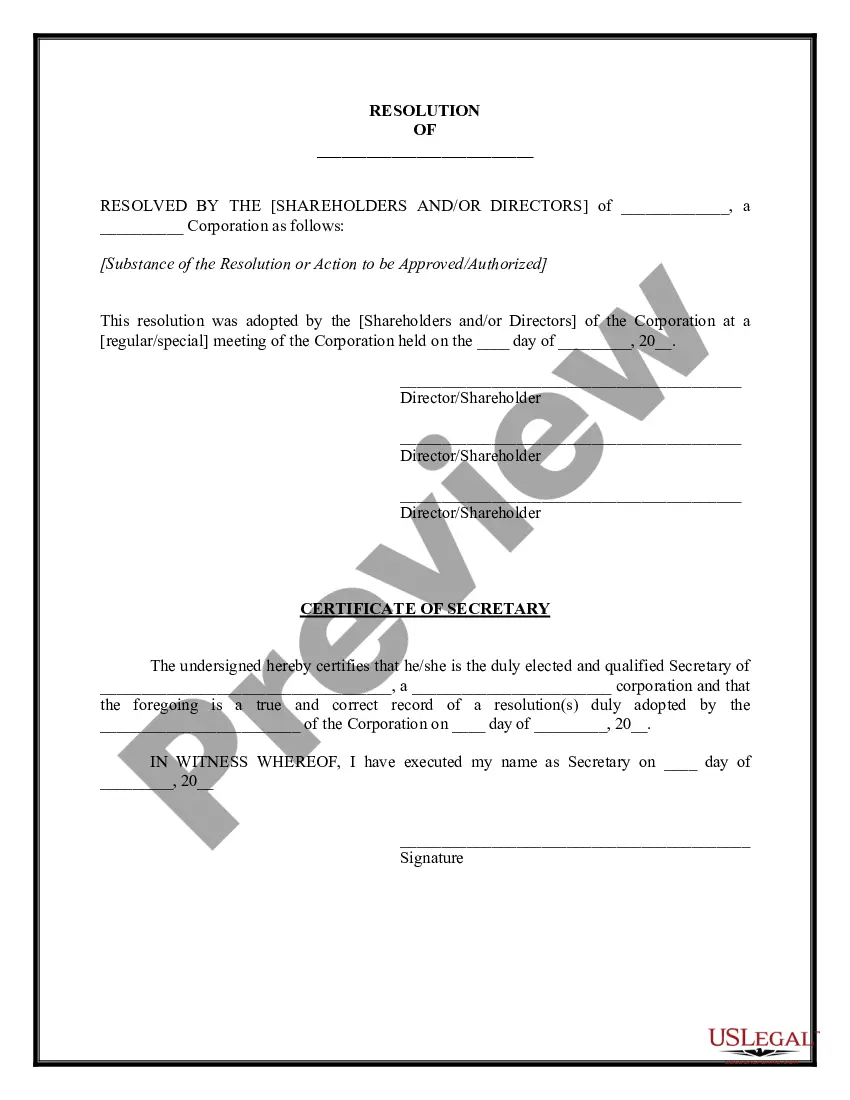
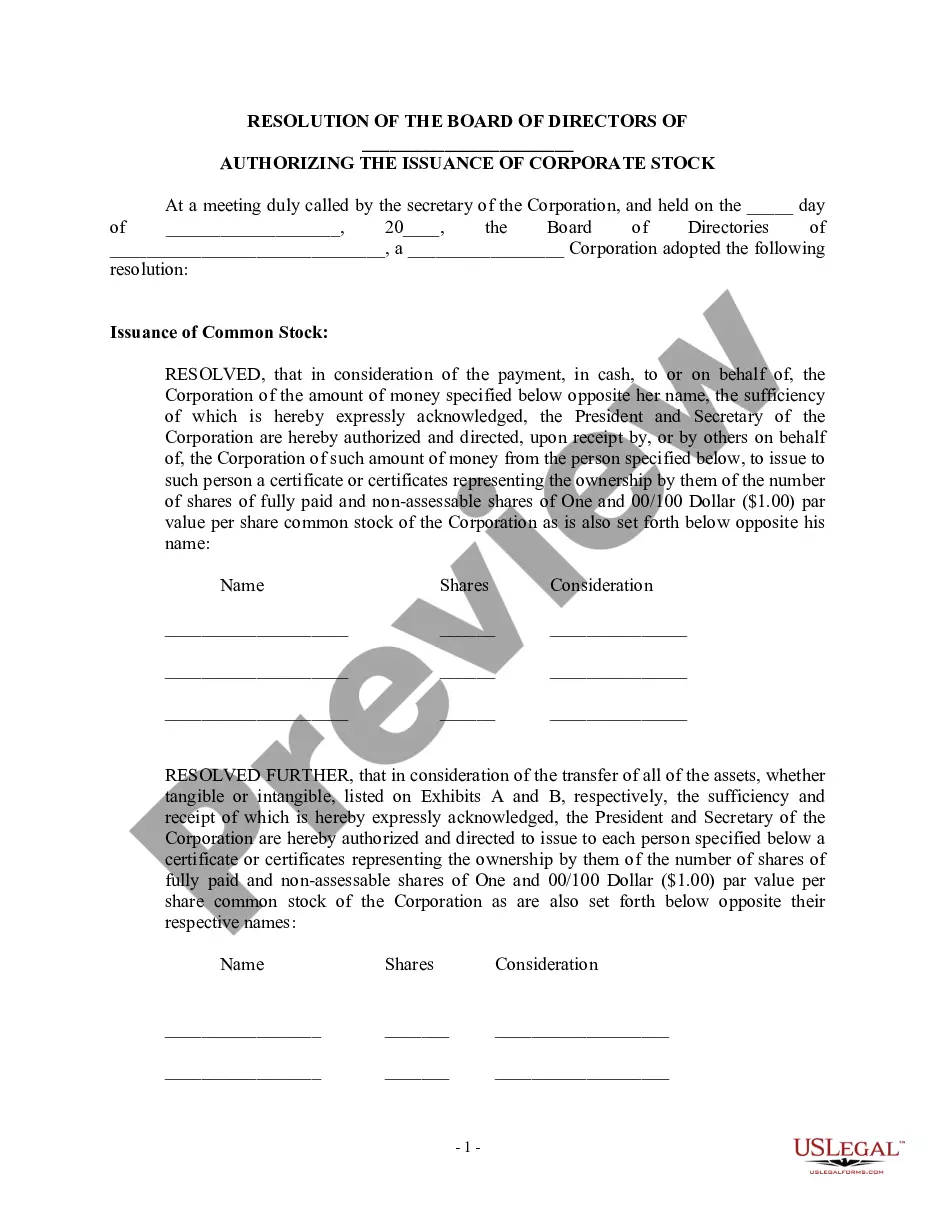
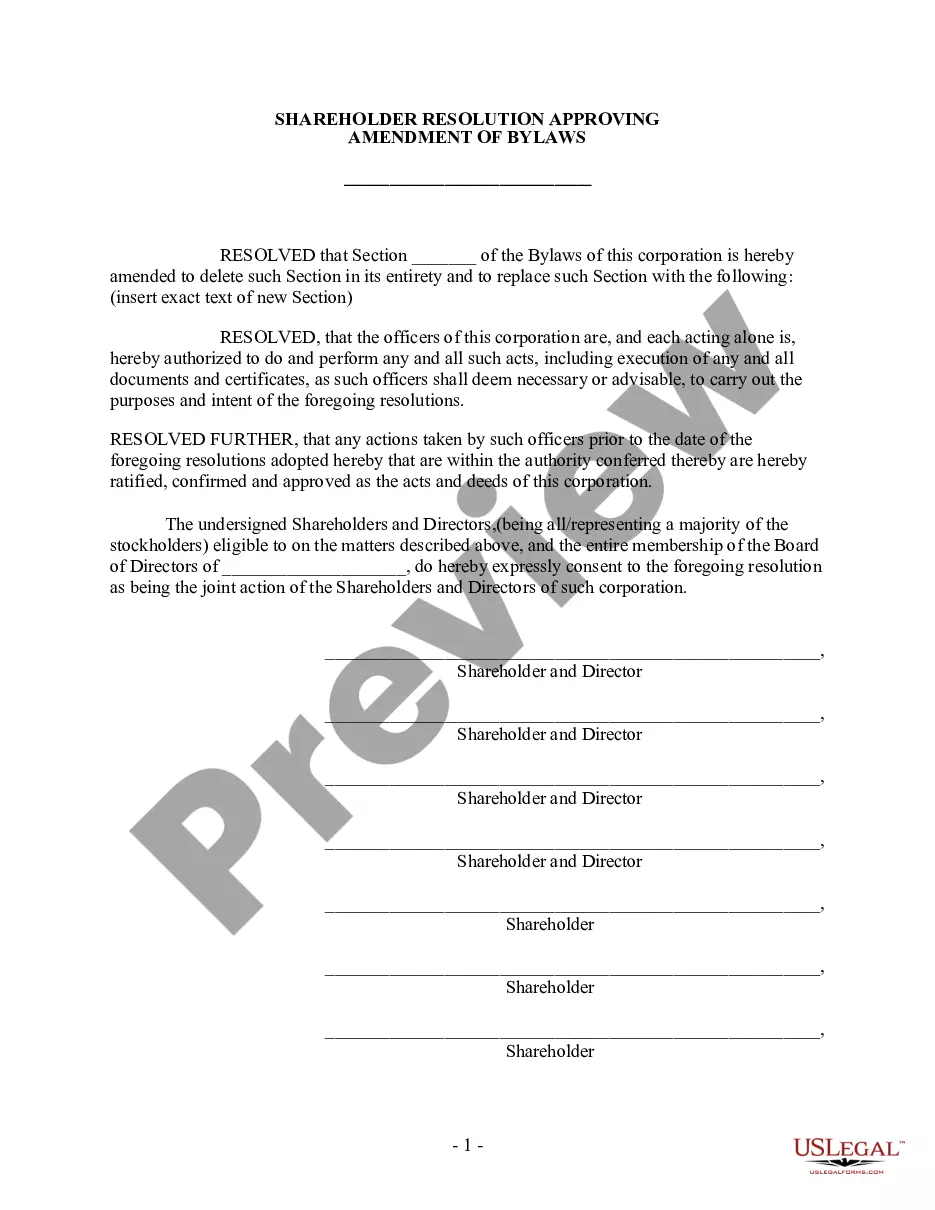
Get your form ready online
Our built-in tools help you complete, sign, share, and store your documents in one place.
Make edits, fill in missing information, and update formatting in US Legal Forms—just like you would in MS Word.
Download a copy, print it, send it by email, or mail it via USPS—whatever works best for your next step.
Sign and collect signatures with our SignNow integration. Send to multiple recipients, set reminders, and more. Go Premium to unlock E-Sign.
If this form requires notarization, complete it online through a secure video call—no need to meet a notary in person or wait for an appointment.
We protect your documents and personal data by following strict security and privacy standards.

Make edits, fill in missing information, and update formatting in US Legal Forms—just like you would in MS Word.

Download a copy, print it, send it by email, or mail it via USPS—whatever works best for your next step.

Sign and collect signatures with our SignNow integration. Send to multiple recipients, set reminders, and more. Go Premium to unlock E-Sign.

If this form requires notarization, complete it online through a secure video call—no need to meet a notary in person or wait for an appointment.

We protect your documents and personal data by following strict security and privacy standards.
Looking for another form?





Form popularity
FAQ
Board resolutions deal with operational and management decisions, while shareholder resolutions address more significant, often strategic, matters affecting the company.
Board directors and shareholders are the only members of the company that can make company resolutions. When the board of directors make a formal decision, it is referred to as a board resolution, whereas when the company shareholders make a formal decision, it is referred to as a shareholder resolution.
A board resolution is a document that formalises important decisions made by the board of directors and the actions relating to them. It is legally binding and functions as a compliance record to provide evidence of decisions made by the board regarding pivotal company matters.
What should shareholder resolutions include? Your corporation's name. Date, time and location of meeting. Statement that all shareholders agree to the resolution. Confirmation of the necessary quorum for business to be conducted. Names of shareholders present or voting by proxy. Number of shares for each voting shareholder.
How to Write a Board Resolution (Step-by-Step) Establish Resolution Title. The resolution title should capture the board's name and a concise statement about the issue you want to record. Document Resolution. Use formal language to record the resolutions. Document Board of Director Votes.
“RESOLVED FURTHER THAT the consent of the Board be and is hereby ed for printing of ……………… equity share certificates consecutively machine-numbered …….. to …….. and that the blank share certificates be kept under the custody of Shri ……………………”
There are two options when using a Directors' Resolution to Issue Shares: if a meeting of the board of directors is convened to issue shares, use a Board Minutes to Issue Shares; or. if the board resolution will be passed by way of a written resolution, use a Board Resolution to Issue Shares.
If a company wishes to issue additional shares to a new shareholder, all existing shareholders within the company must pass a special board resolution to that effect.
How to fill out a resolution of the board of directors? Date, time, and location of the meeting. Title that describes the board's decision to be made. Statement of majority or unanimous decision. Resolution of the decision, including any necessary actions. Officers responsible for carrying out the resolution.
Use formal language to record the resolutions. You will write your board resolutions using “whereas” and “resolved” clauses. “Whereas” statements show the reason for the resolution while “resolved” clauses state the action that will be taken. Your “whereas” statement should lead the reader to the “resolved” clause.