Authorized Shares Formula In Santa Clara
Description

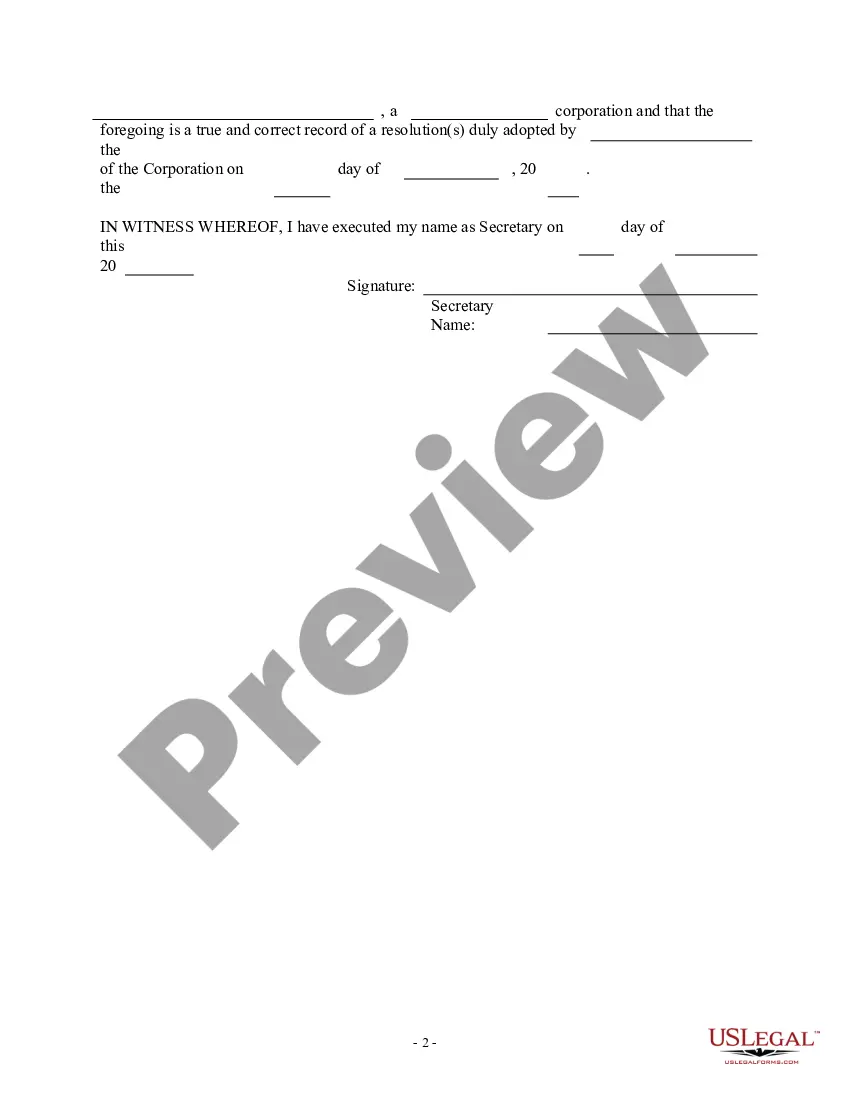


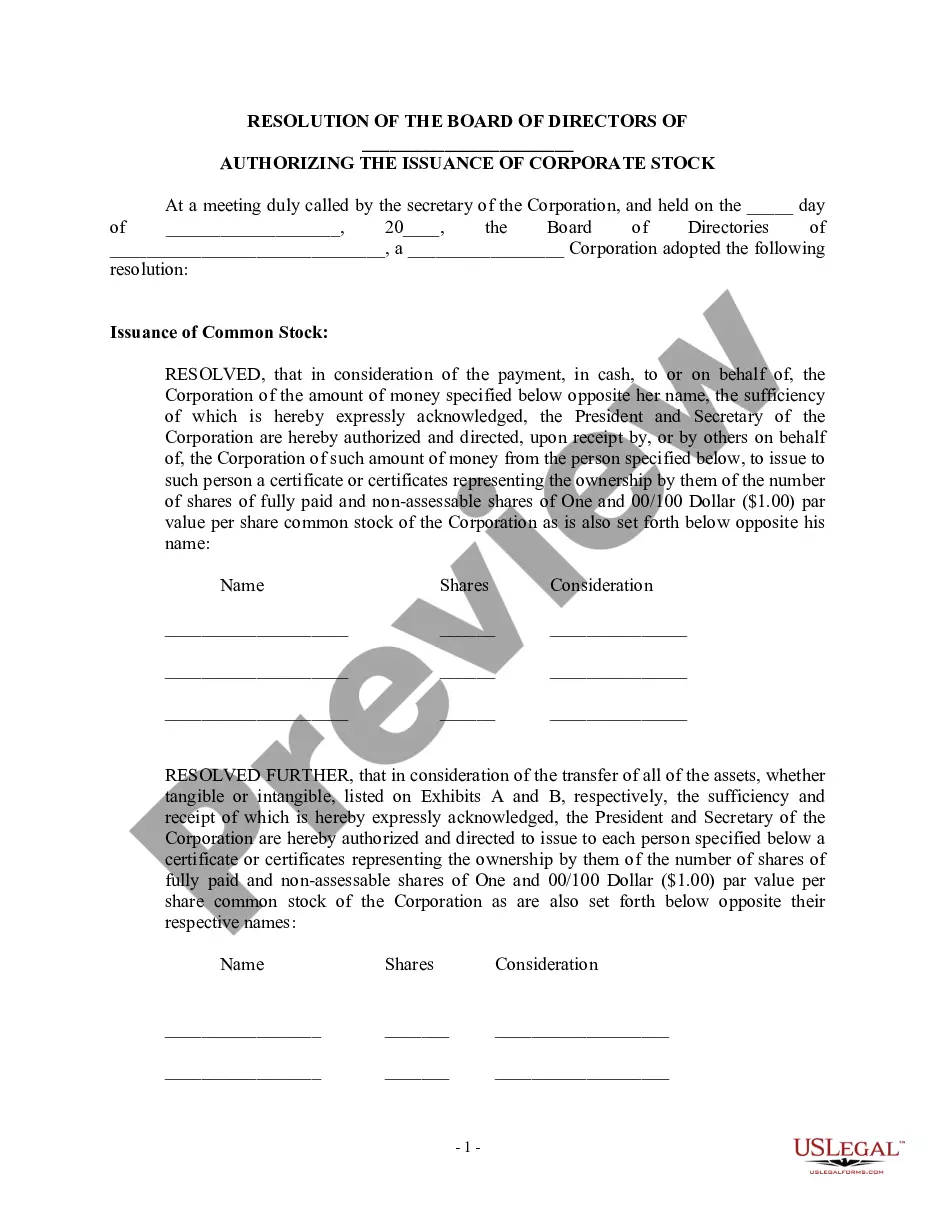
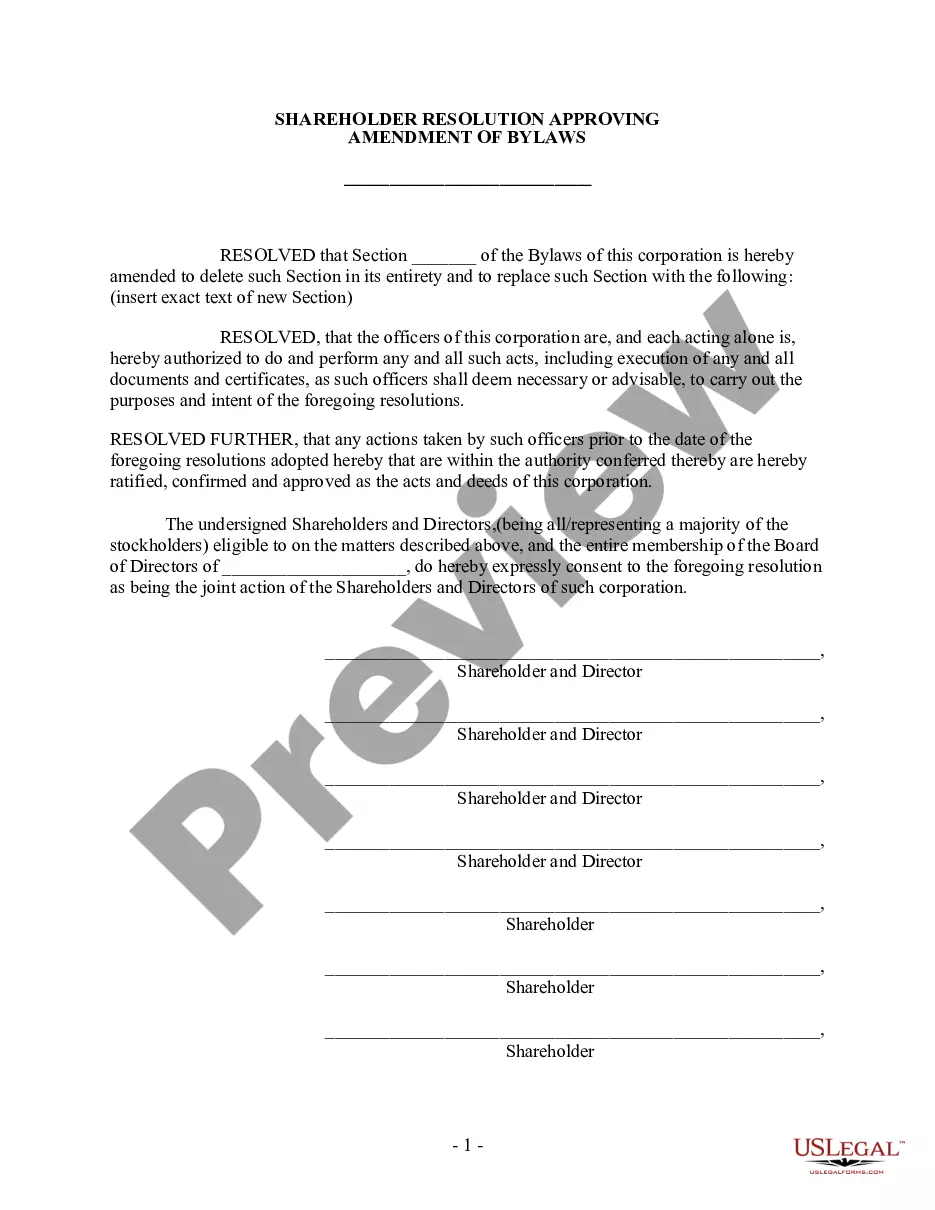
Get your form ready online
Our built-in tools help you complete, sign, share, and store your documents in one place.
Make edits, fill in missing information, and update formatting in US Legal Forms—just like you would in MS Word.
Download a copy, print it, send it by email, or mail it via USPS—whatever works best for your next step.
Sign and collect signatures with our SignNow integration. Send to multiple recipients, set reminders, and more. Go Premium to unlock E-Sign.
If this form requires notarization, complete it online through a secure video call—no need to meet a notary in person or wait for an appointment.
We protect your documents and personal data by following strict security and privacy standards.

Make edits, fill in missing information, and update formatting in US Legal Forms—just like you would in MS Word.

Download a copy, print it, send it by email, or mail it via USPS—whatever works best for your next step.

Sign and collect signatures with our SignNow integration. Send to multiple recipients, set reminders, and more. Go Premium to unlock E-Sign.

If this form requires notarization, complete it online through a secure video call—no need to meet a notary in person or wait for an appointment.

We protect your documents and personal data by following strict security and privacy standards.
Looking for another form?






Form popularity
FAQ
The formula to calculate authorized share capital is to multiply the number of authorized shares by the par value per share. This calculation gives you the nominal capital, combining the quantity of shares a company can issue and their individual value.
The number of authorized shares is specified in the company's articles of incorporation. You can also see the number in the capital accounts section on the balance sheet.
The calculation There should be a "common stock" section, which can tell you the number of issued shares as well as the number of authorized shares. Divide the number of issued shares by the number of authorized shares, and then multiply by 100 to convert to a percentage.
Authorized shares represent the total number of shares your startup is legally permitted to issue, as specified in its articles of incorporation. This number sets the upper limit for your company's potential stock issuance.
The number of authorized shares is specified in the company's articles of incorporation. You can also see the number in the capital accounts section on the balance sheet.
New profit sharing is determined by deducting the new partner's share from 1 and dividing the remaining share in the old profit sharing ratio among the old partners. The profit sharing ratio will remain the same among the old partners under this situation.
The number of issued shares is recorded on a company's balance sheet as capital stock or owners' equity, while the shares outstanding (issued shares minus any shares in the treasury) are listed on the company's quarterly filings with the Securities and Exchange Commission.
The formula to calculate authorized share capital is to multiply the number of authorized shares by the par value per share. This calculation gives you the nominal capital, combining the quantity of shares a company can issue and their individual value.
New shares issued: number of new shares to be issued for this partner to reach the target percentage. Formula: Existing shares / (1- Target Percentage /100 ) - Existing Shares.
