Change Share Rights In Sacramento
Description





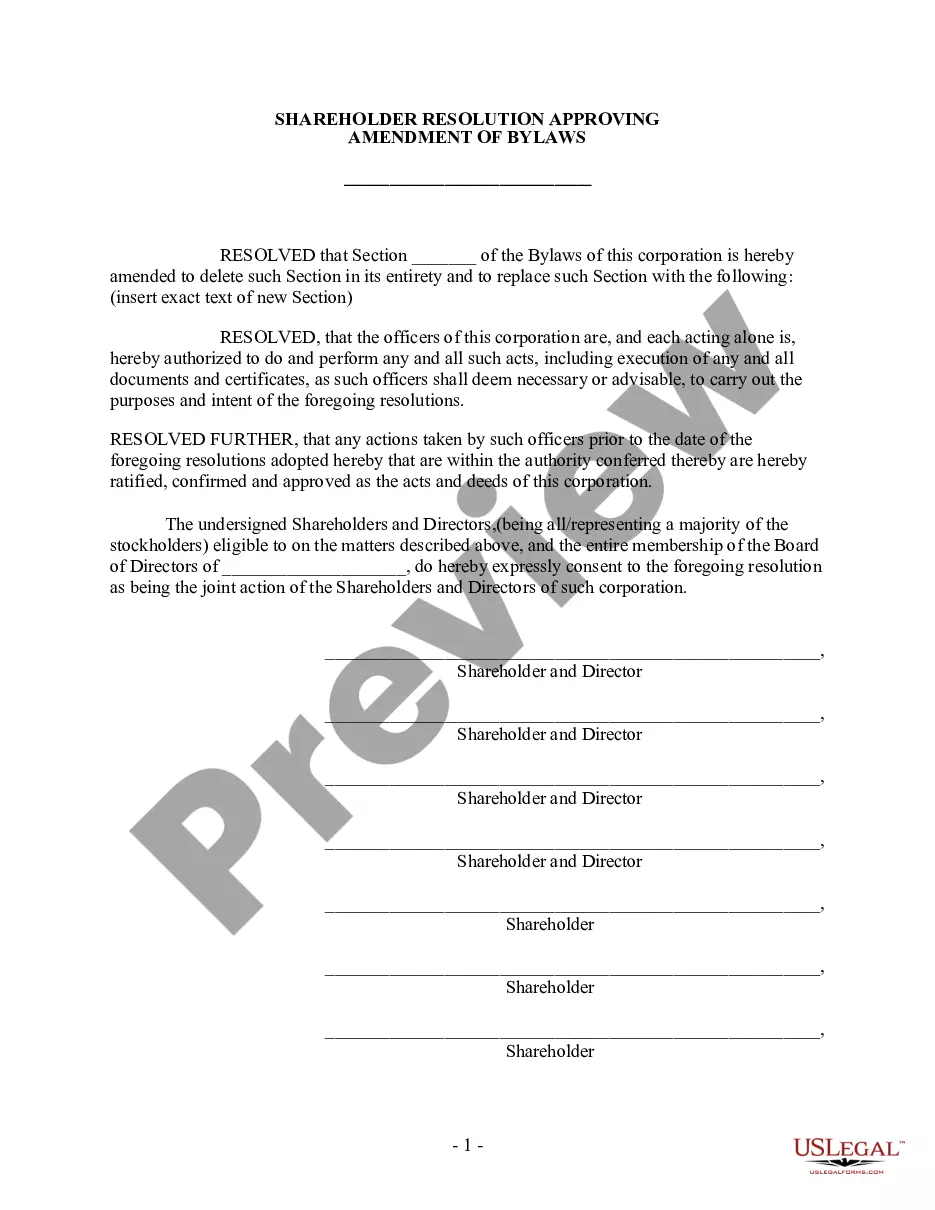
Get your form ready online
Our built-in tools help you complete, sign, share, and store your documents in one place.
Make edits, fill in missing information, and update formatting in US Legal Forms—just like you would in MS Word.
Download a copy, print it, send it by email, or mail it via USPS—whatever works best for your next step.
Sign and collect signatures with our SignNow integration. Send to multiple recipients, set reminders, and more. Go Premium to unlock E-Sign.
If this form requires notarization, complete it online through a secure video call—no need to meet a notary in person or wait for an appointment.
We protect your documents and personal data by following strict security and privacy standards.

Make edits, fill in missing information, and update formatting in US Legal Forms—just like you would in MS Word.

Download a copy, print it, send it by email, or mail it via USPS—whatever works best for your next step.

Sign and collect signatures with our SignNow integration. Send to multiple recipients, set reminders, and more. Go Premium to unlock E-Sign.

If this form requires notarization, complete it online through a secure video call—no need to meet a notary in person or wait for an appointment.

We protect your documents and personal data by following strict security and privacy standards.
Looking for another form?
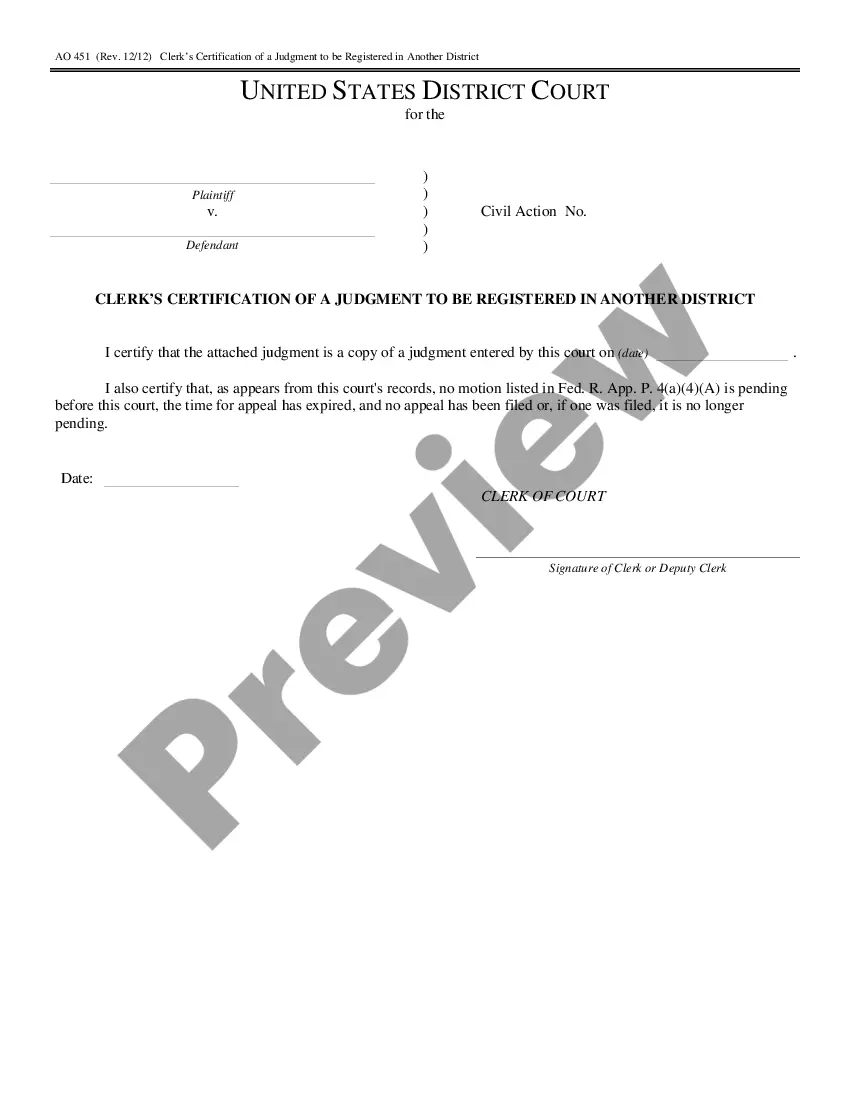



Form popularity
FAQ
Basic Rights of Shareholders In addition to California minority shareholder rights, investors generally have voting power, ownership, the right to transfer ownership, a claim to dividends, the right to inspect corporate documents and the right to sue for wrongful acts.
Adding A Family Member To A Property Title Choose the most appropriate deed. Prepare the deed. Complete the deed with accurate information about the property and the person being added. Sign the deed in the presence of a notary public. File the deed with the county recorder's office. Update the property records.
It usually takes four to six weeks to complete the legal processes involved in the transfer of title.
Ordinarily, when sales or transfers of property are recorded with the county recorder, a Preliminary Change of Ownership Report (PCOR) is also filed.
No, you cannot be removed from a deed without your express consent. If you hold title to a property and are listed as an owner on your deed, then your interest in the property cannot be transferred to another party without your knowledge.
If you wish to remove someone from a deed, you will need their consent. This can be done by recording a new deed, which will require their signature. If the person in question is deceased, you will need their death certificate and a notarized affidavit along with the new deed.
The person whose name is on the deed is the legal owner of the property. That means that they have the right to make decisions about the property – including selling it.
Your name on the deed means that you have title to the property, and as such, you have a “bundle of rights.” It is common for you to have the right of possession, which means you can possess the property, as well as the right of control, which means you can use the property; you also have the right to enjoy the ...
You can also submit a change of address by submitting a signed written request by mail or fax at (916) 653-7625 that includes: your old and new address, your new telephone numbers, your Safe at Home four-digit Authorization ID number, the effective date of the change, your name, and your signature.
