Issued With Shares In Orange
Description

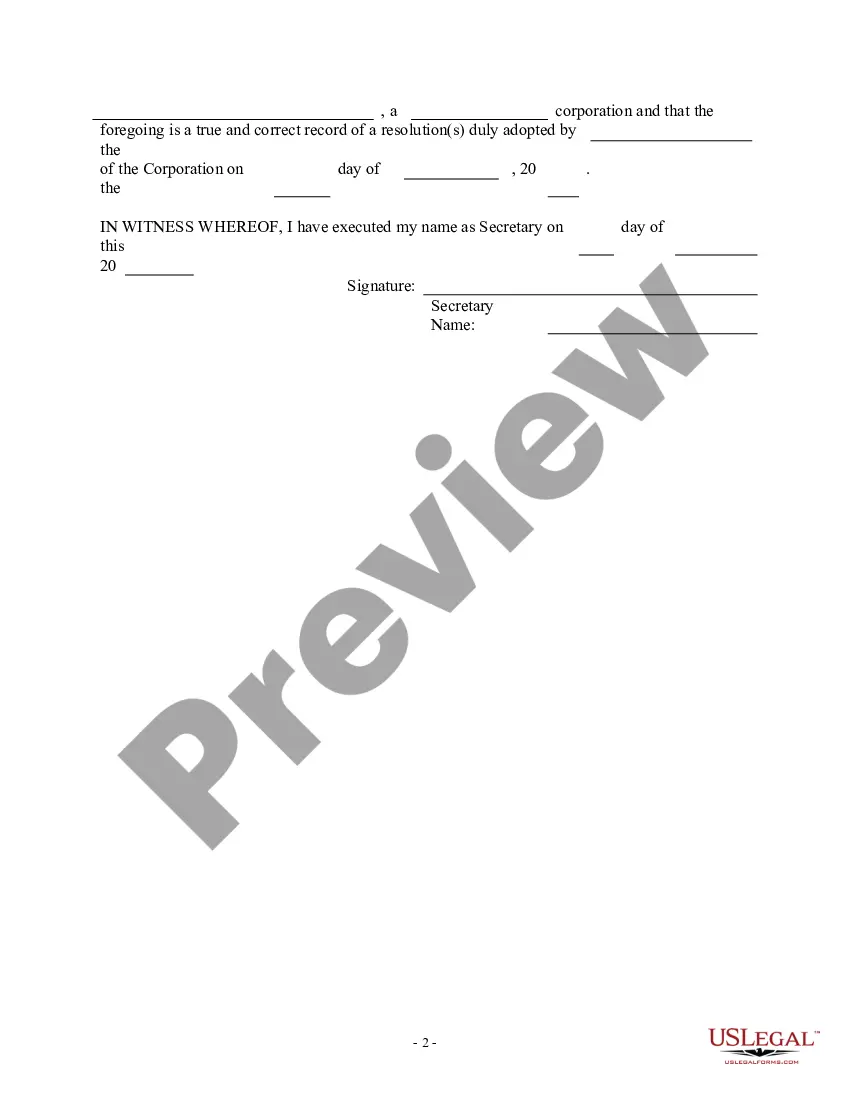

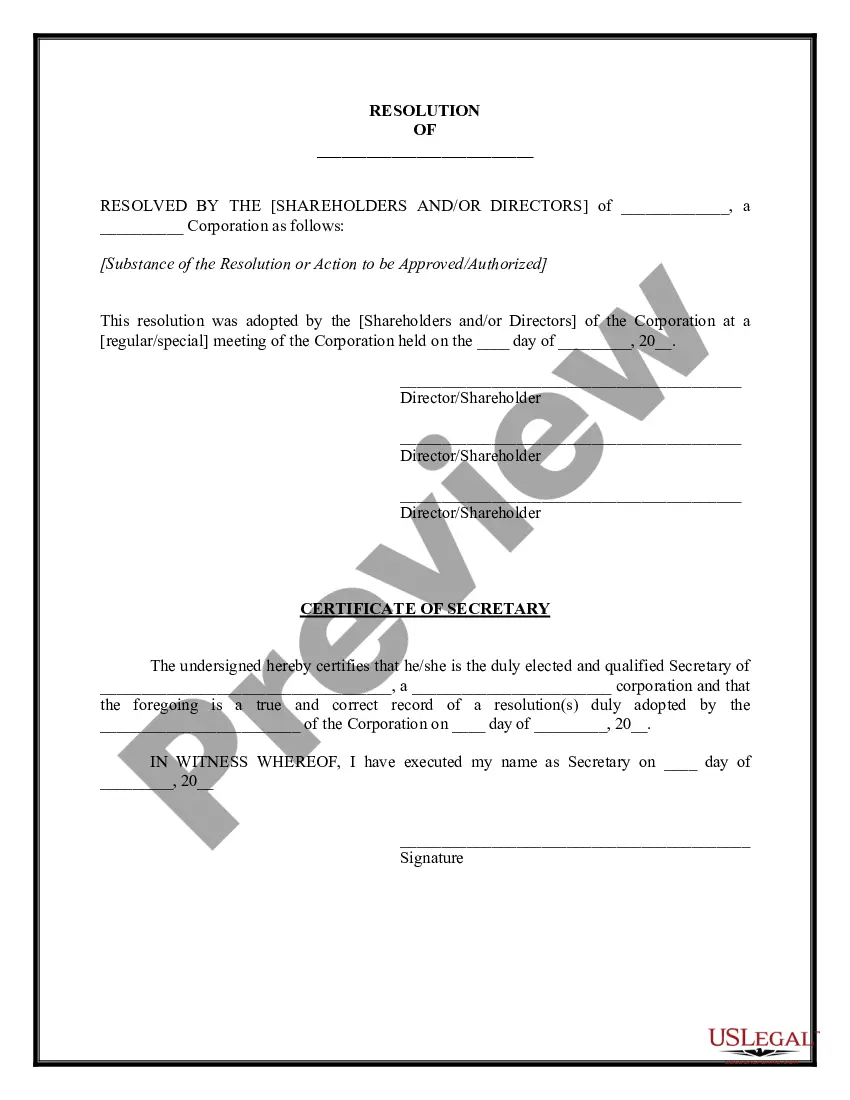
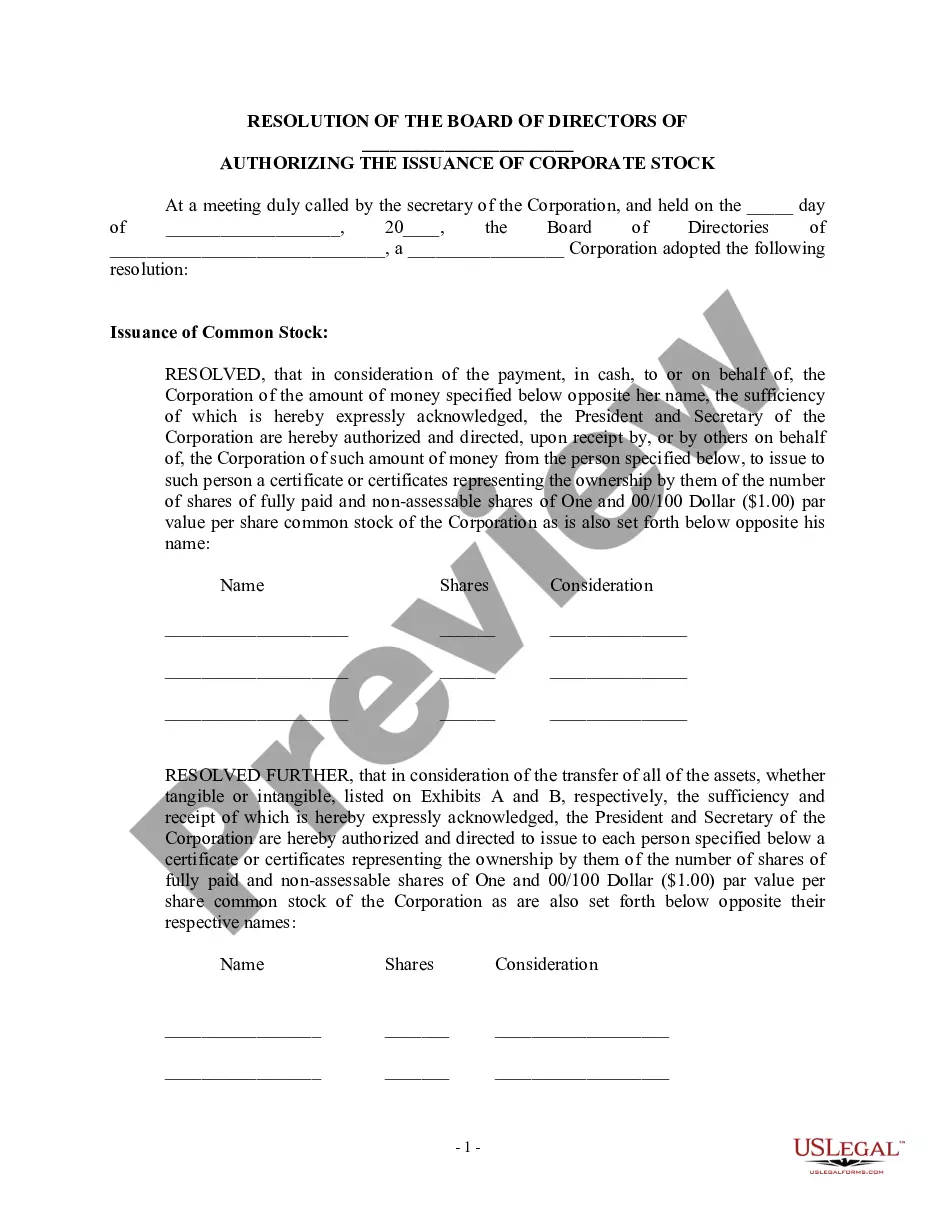
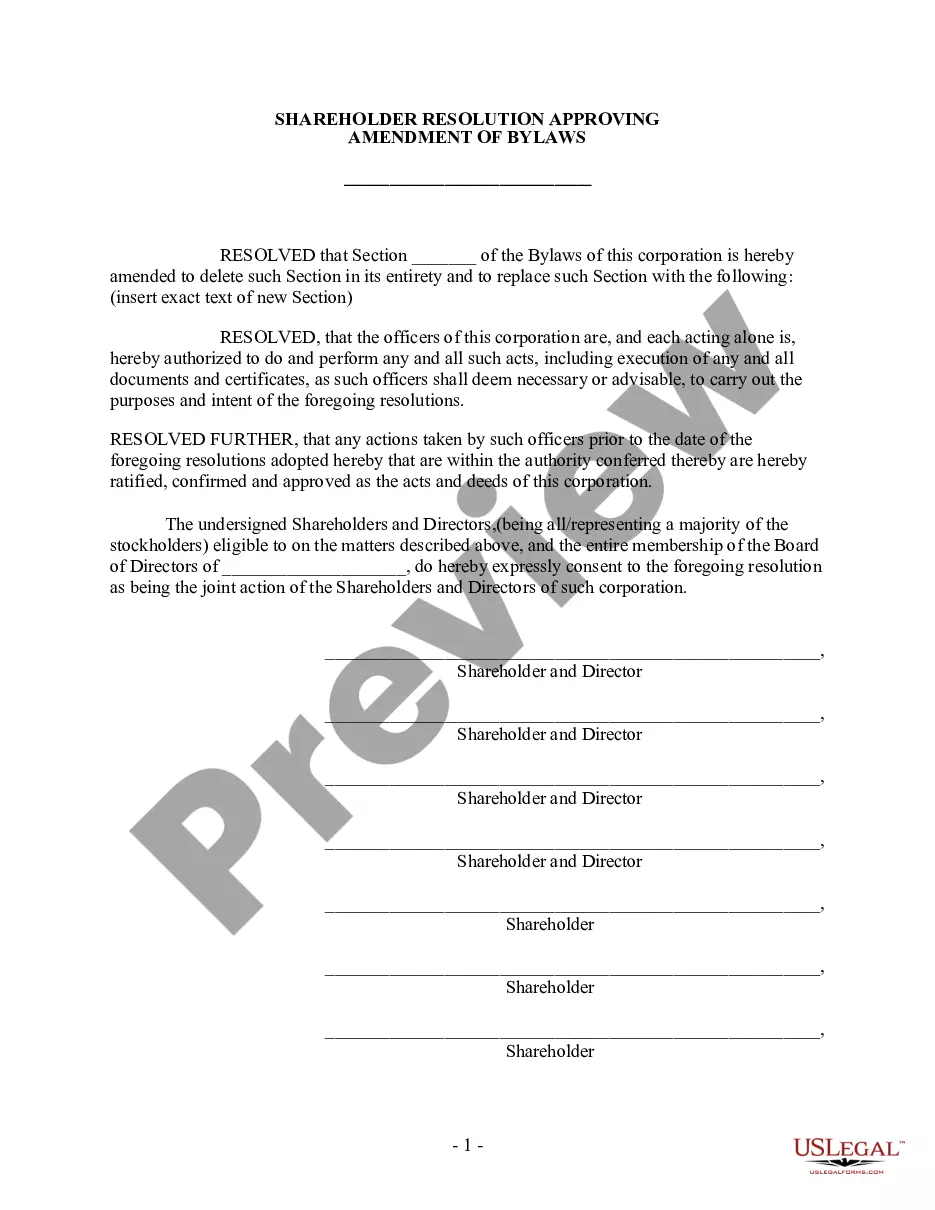
Get your form ready online
Our built-in tools help you complete, sign, share, and store your documents in one place.
Make edits, fill in missing information, and update formatting in US Legal Forms—just like you would in MS Word.
Download a copy, print it, send it by email, or mail it via USPS—whatever works best for your next step.
Sign and collect signatures with our SignNow integration. Send to multiple recipients, set reminders, and more. Go Premium to unlock E-Sign.
If this form requires notarization, complete it online through a secure video call—no need to meet a notary in person or wait for an appointment.
We protect your documents and personal data by following strict security and privacy standards.

Make edits, fill in missing information, and update formatting in US Legal Forms—just like you would in MS Word.

Download a copy, print it, send it by email, or mail it via USPS—whatever works best for your next step.

Sign and collect signatures with our SignNow integration. Send to multiple recipients, set reminders, and more. Go Premium to unlock E-Sign.

If this form requires notarization, complete it online through a secure video call—no need to meet a notary in person or wait for an appointment.

We protect your documents and personal data by following strict security and privacy standards.
Looking for another form?










Form popularity
FAQ
Shareholders: RTL Group S.A. NameEquities% Verlag Bertelsmann Stiftung 76.29 % 118,053,287 76.29 % Gané AG 0.5073 % 785,000 0.5073 % Discover Capital GmbH 0.0808 % 125,000 0.0808 % Cedar Street Asset Management LLC 0.0743 % 115,029 0.0743 %1 more row
The ownership structure of ORANGE SA (GB:0OQV) stock is a mix of institutional, retail, and individual investors. Approximately 19.08% of the company's stock is owned by Institutional Investors, 7.64% is owned by Insiders, and 73.28% is owned by Public Companies and Individual Investors.
What a share register needs to include member name and addresses. the dates on which entries on the register are made. the number of shares in each entry. the total number of shares held by each member. whether the member is holding the shares for its own benefit (beneficially held) or for the benefit of others.
Here are the steps to issue shares in a corporation: Decide how much capital to raise. Decide the number of shares to be issued. Decide corporation will be public or private. Set value for each share. Choose the type of stock. Prepare a shareholder agreement. Issue stock certificates.
It's simple to find a company's shareholders by searching the Companies House register for its latest confirmation statement. If the company hasn't filed any confirmation statements, its shareholders are listed in the incorporation document.
Shareholders. The major shareholders of Orange as of 31 December 2015 are the state of France through Agence des participations de l'État and Banque publique d'investissement (replacing Fonds stratégique d'investissement) for 23.04%. As of mid-2013, Orange employees owned 4.81%, and the company itself owned 0.58%.
How to Apply for a Rights Issue? The company will send a form to every shareholder entitled to receive the rights issue. The process is completed either in online or offline modes. Investors may receive a Rights Entitlement (RE) intimation in their email that is a temporary form of Demat securities.
The number of issued shares is recorded on a company's balance sheet as capital stock or owners' equity, while the shares outstanding (issued shares minus any shares in the treasury) are listed on the company's quarterly filings with the Securities and Exchange Commission.
By adding more shares, stock prices become diluted and there may be a downward trend in share valuation. Rights issue frequently result in increased interest in (and trading volume on) those shares, which frequently has a significant impact on trading activity on the day they are announced.
Even if one does not hold any shares, they are still eligible for the rights issue. They can apply for the rights shares either through the RTA's portal or via net banking ASBA if their bank permits it.
