Issued With Shares In Montgomery
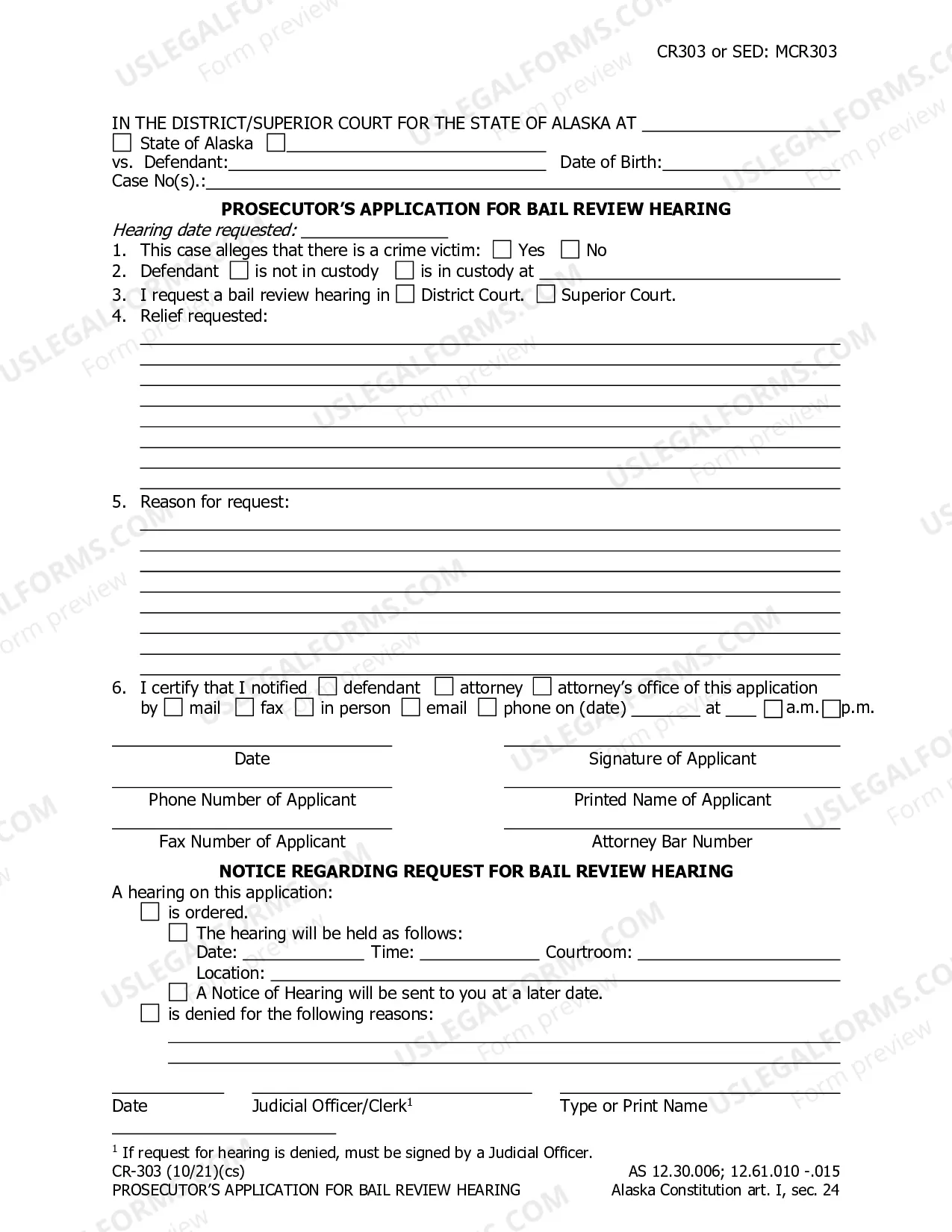
Description

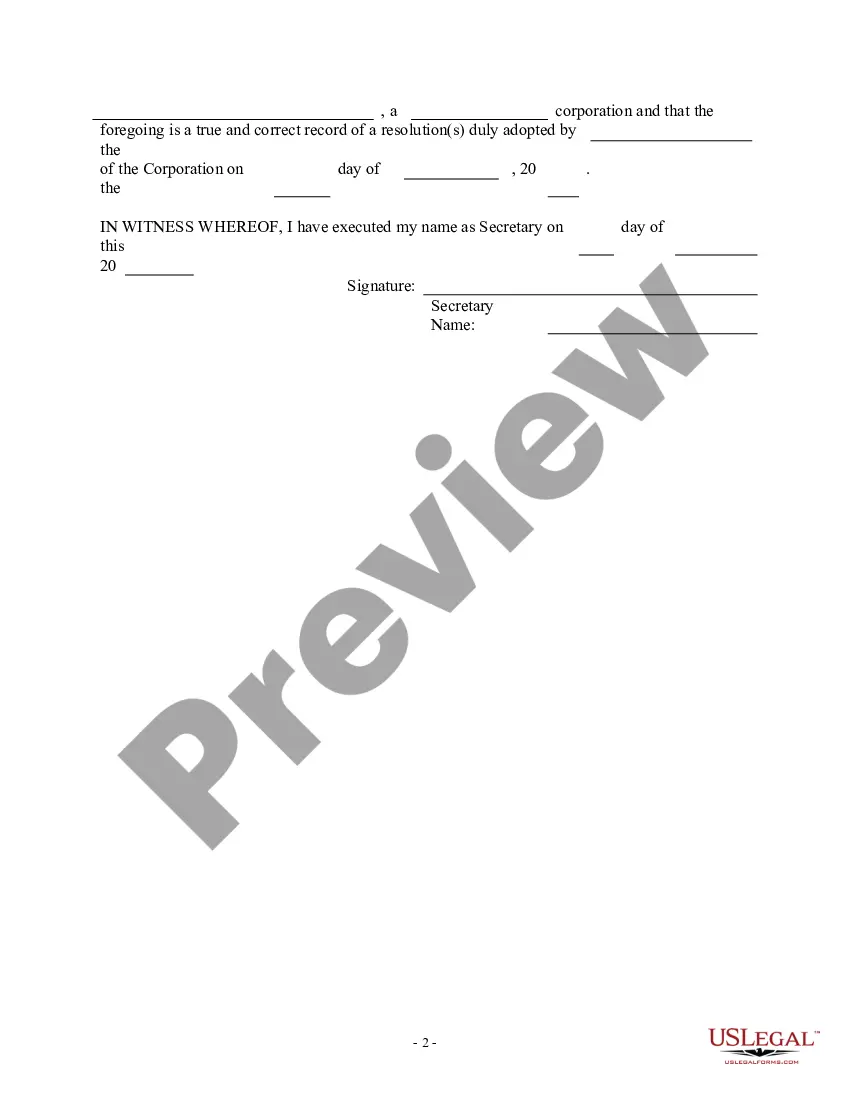

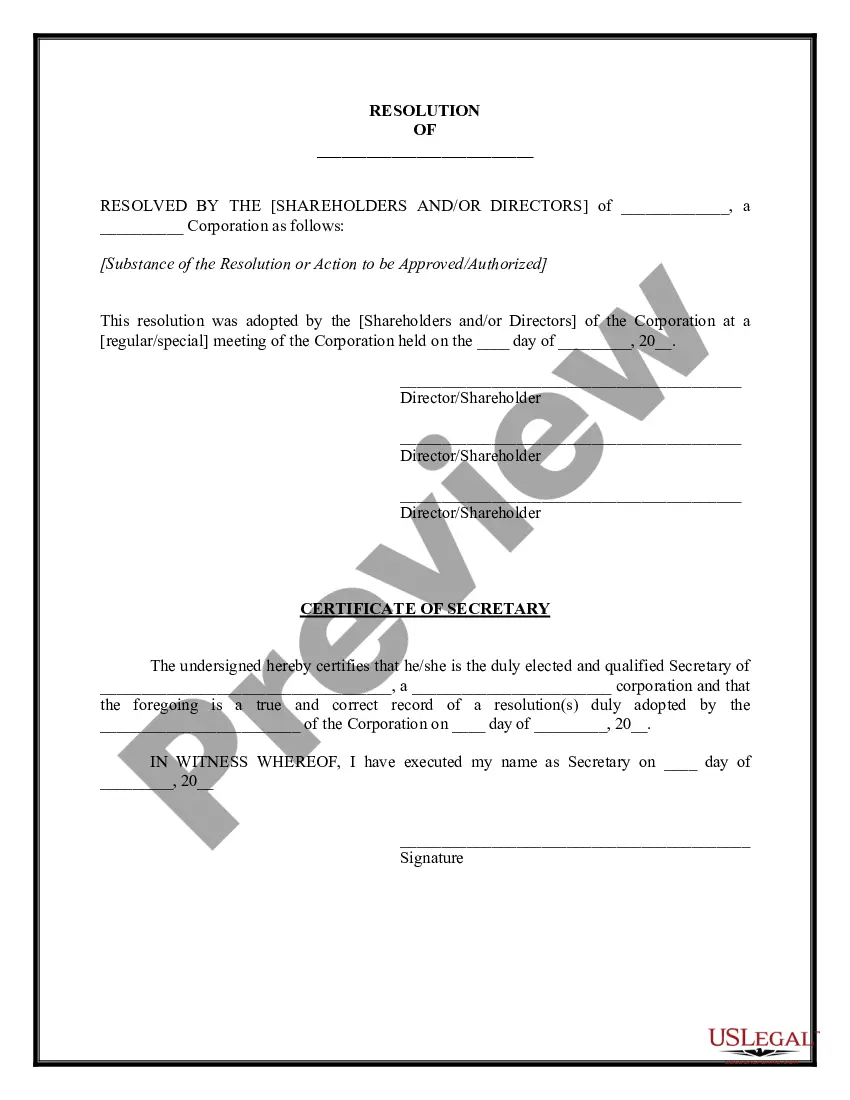
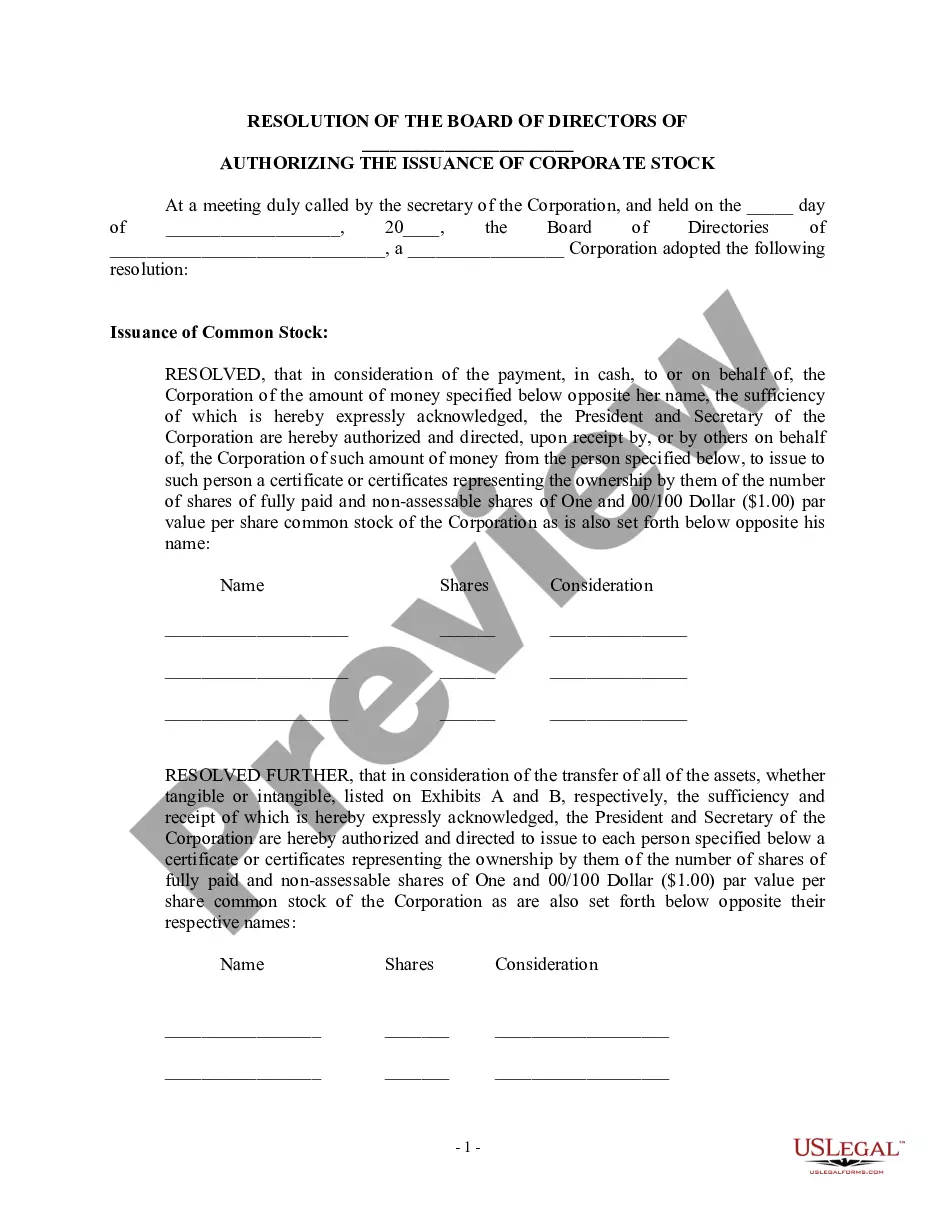
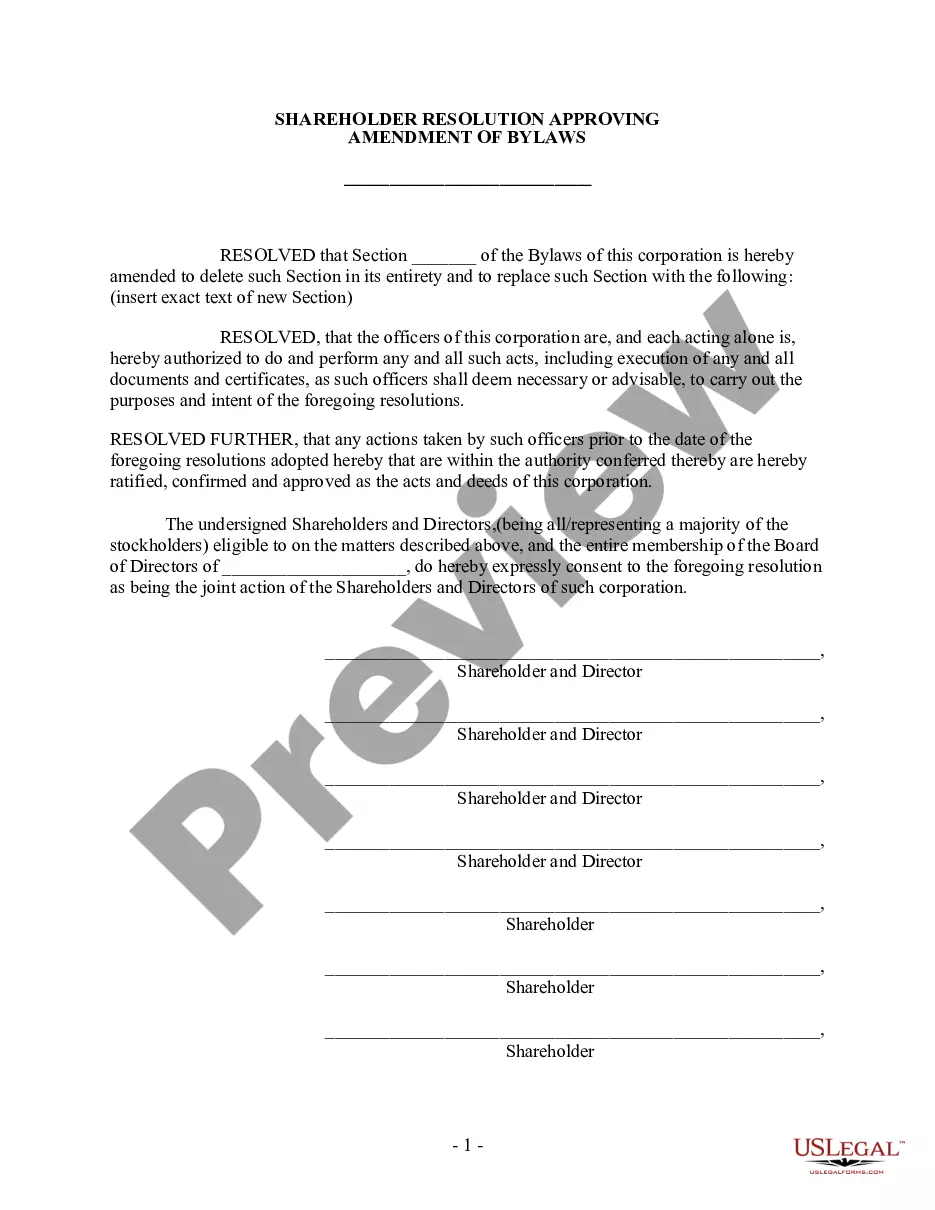
Get your form ready online
Our built-in tools help you complete, sign, share, and store your documents in one place.
Make edits, fill in missing information, and update formatting in US Legal Forms—just like you would in MS Word.
Download a copy, print it, send it by email, or mail it via USPS—whatever works best for your next step.
Sign and collect signatures with our SignNow integration. Send to multiple recipients, set reminders, and more. Go Premium to unlock E-Sign.
If this form requires notarization, complete it online through a secure video call—no need to meet a notary in person or wait for an appointment.
We protect your documents and personal data by following strict security and privacy standards.

Make edits, fill in missing information, and update formatting in US Legal Forms—just like you would in MS Word.

Download a copy, print it, send it by email, or mail it via USPS—whatever works best for your next step.

Sign and collect signatures with our SignNow integration. Send to multiple recipients, set reminders, and more. Go Premium to unlock E-Sign.

If this form requires notarization, complete it online through a secure video call—no need to meet a notary in person or wait for an appointment.

We protect your documents and personal data by following strict security and privacy standards.
Looking for another form?





Form popularity
FAQ
The simple answer is that you need to give your shareholders share certificates because part 21 of the Companies Act 2006 says so. In many ways, share certificates are a relic of a pre-digital age, when recordkeeping relied on a trail of physical paper.
If an investor doesn't have or loses their stock certificate, they are still the owner of their shares and entitled to all the rights that come with them. If an investor wants a stock certificate or if it is lost, stolen, or damaged, they can contact a company's transfer agent to receive a new one.
What do I need to sell my shares? In order to trade, you will need: Your share certificate. Your Shareholder Reference Number.
Because a stock certificate is your only legal proof of ownership, you can't sell or transfer the stock without it. Once the affidavit is completed, have your brokerage firm ask the company whose stock you hold to issue a new stock certificate, which you can then keep or use to sell or transfer the stock as you wish.
This is based on the value of the shares and is payable for each individual shareholding. In some instances, you may be able to proceed with selling the shares without the certificate. However, this is not possible if they are being transferred.
The number of shares of stock first determined at the time of incorporation is known as the authorized stock. The type of stock issue that involves an investment banking firm is typically referred to as a public offering or initial public offering (IPO) if it's the company's first time offering stock to the public.
Related Content. A company's own issued share which the company has purchased pursuant to a share buyback but which is not cancelled upon delivery back to the company.
Issued shares represent the portion of shares that a company has either sold or placed in the market. Treasury shares are the shares that a company repurchases from shareholders.
Sales Tax: State sales tax on unprepared foods and food ingredients: 6% (total rate 8.5%) State sales tax on all other tangible personal property unless specifically exempted: 7% (total rate 9.5%)
Sales of Exempt Items – Some of the more common items which are exempt are: prescription drugs, gasoline and motor oil (kerosene and fuel oil are taxable), fertilizer/insecticides/fungicides when used for agricultural purposes, seeds for planting purposes, feed for livestock and poultry (not including prepared food for ...
