Shareholders Resolution Vs Board Resolution In Minnesota
Description


Get your form ready online
Our built-in tools help you complete, sign, share, and store your documents in one place.
Make edits, fill in missing information, and update formatting in US Legal Forms—just like you would in MS Word.
Download a copy, print it, send it by email, or mail it via USPS—whatever works best for your next step.
Sign and collect signatures with our SignNow integration. Send to multiple recipients, set reminders, and more. Go Premium to unlock E-Sign.
If this form requires notarization, complete it online through a secure video call—no need to meet a notary in person or wait for an appointment.
We protect your documents and personal data by following strict security and privacy standards.

Make edits, fill in missing information, and update formatting in US Legal Forms—just like you would in MS Word.

Download a copy, print it, send it by email, or mail it via USPS—whatever works best for your next step.

Sign and collect signatures with our SignNow integration. Send to multiple recipients, set reminders, and more. Go Premium to unlock E-Sign.

If this form requires notarization, complete it online through a secure video call—no need to meet a notary in person or wait for an appointment.

We protect your documents and personal data by following strict security and privacy standards.
Looking for another form?






Form popularity
FAQ
Minnesota corporate bylaws are rules that define a corporation's internal structure and daily operations. They allow the first board of directors or the incorporators to nominate officers and identify their liabilities, duties, and rights within the corporation.
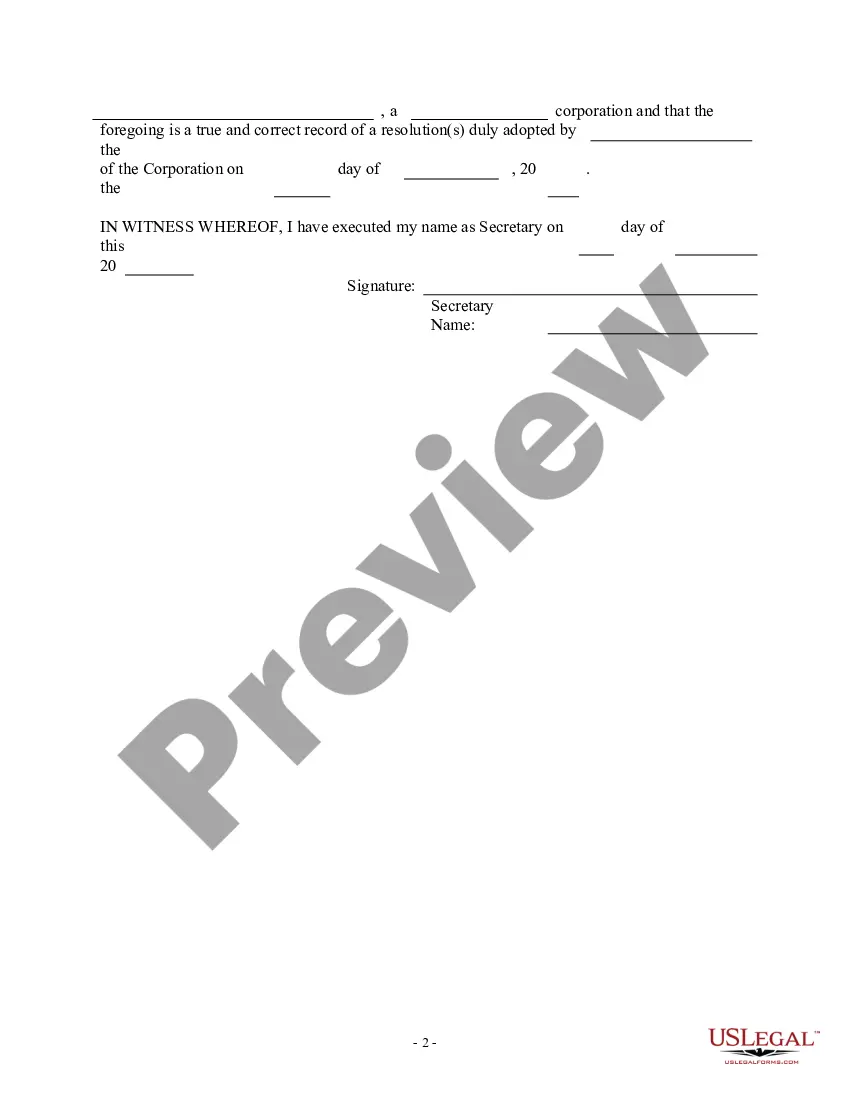
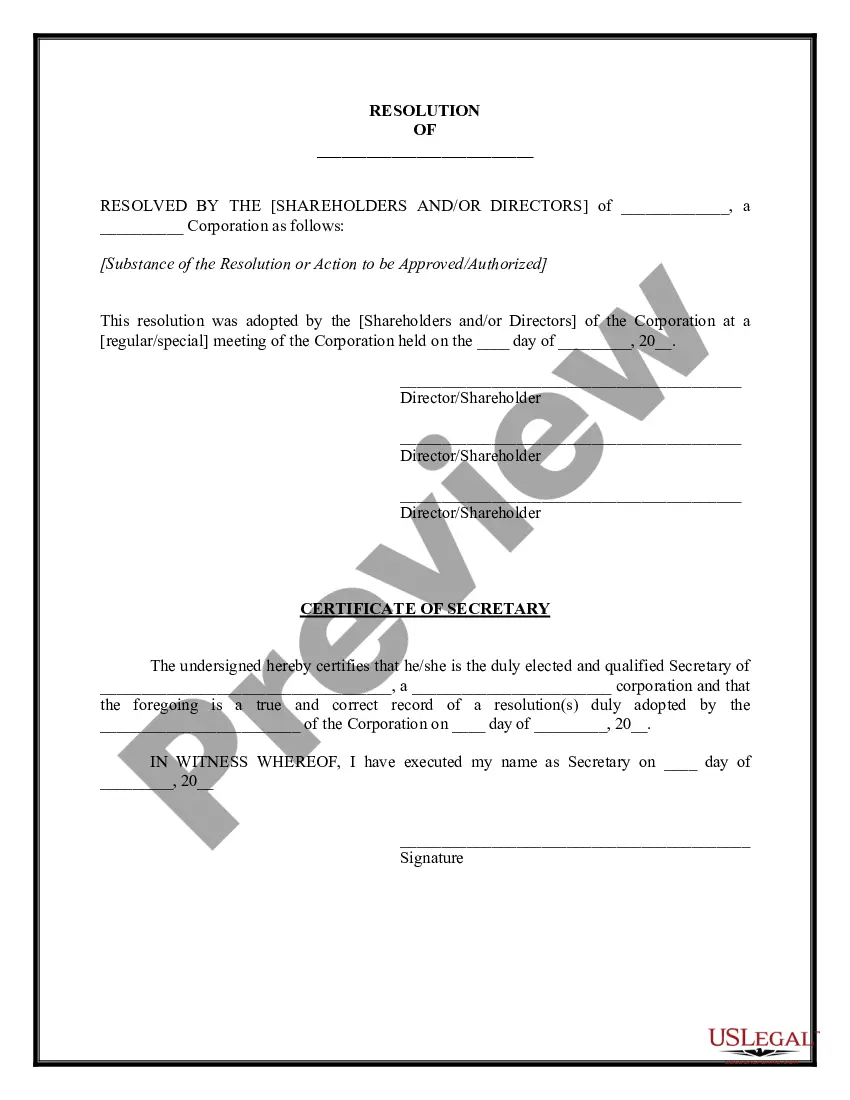
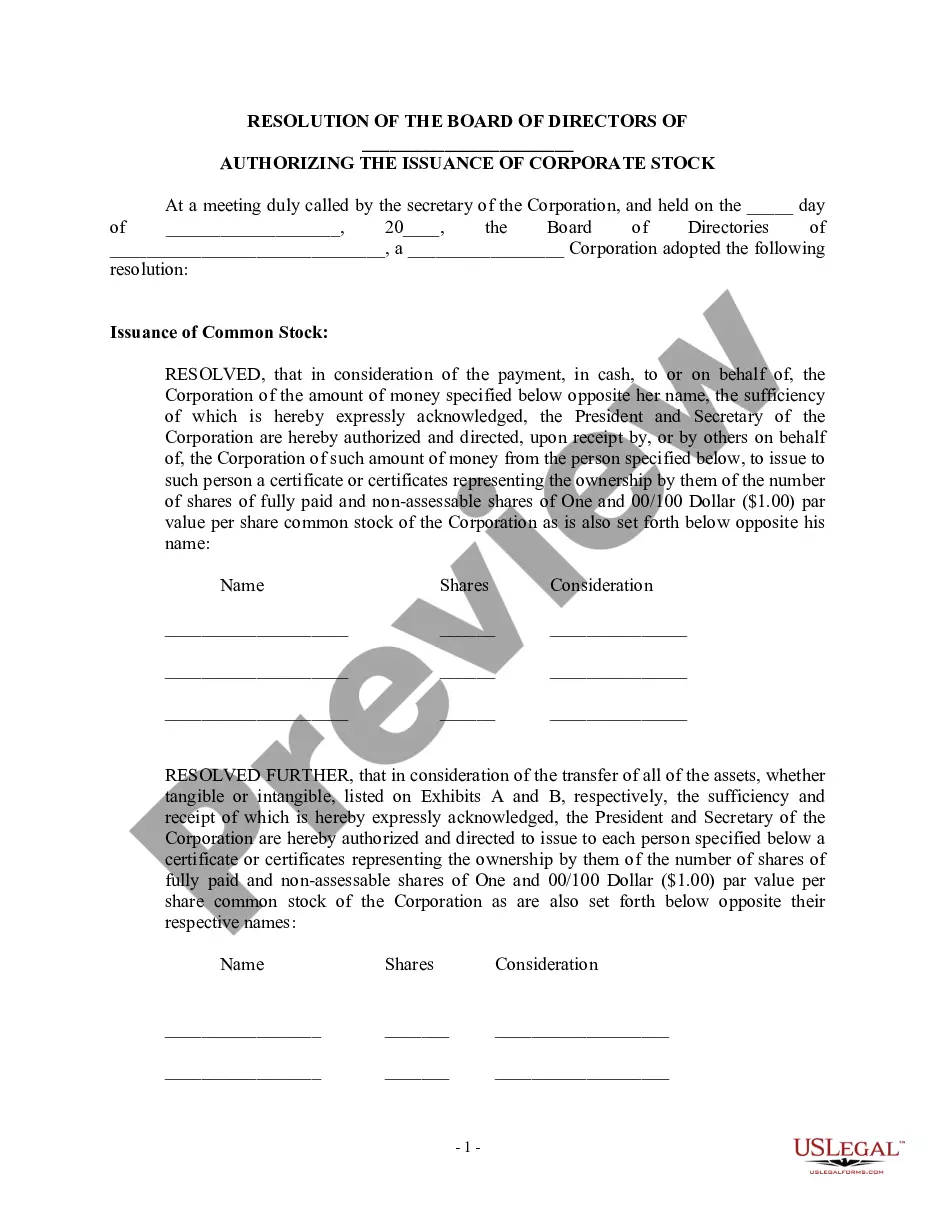
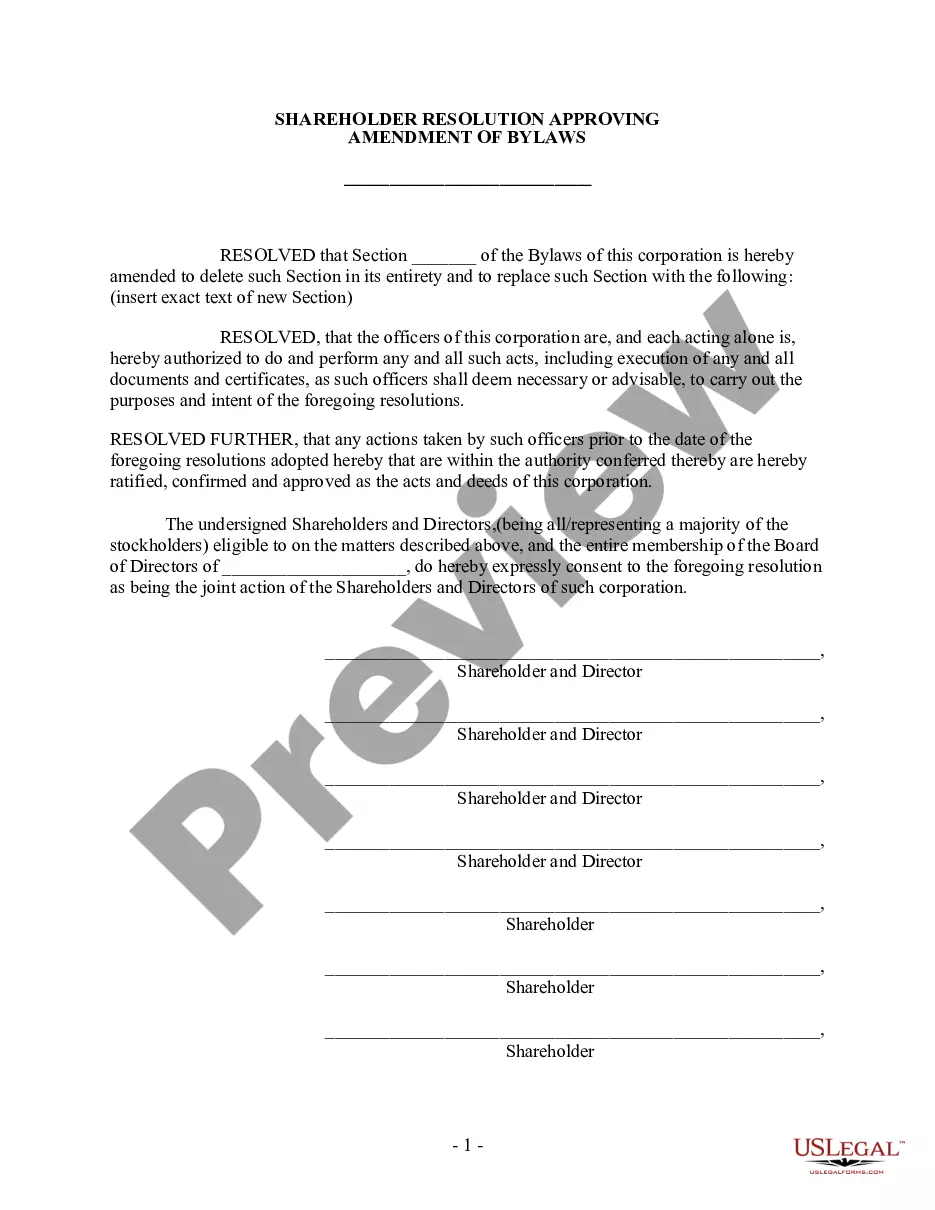
Board resolutions deal with operational and management decisions, while shareholder resolutions address more significant, often strategic, matters affecting the company.
DEFINITIONS. LEGAL RECOGNITION OF ELECTRONIC RECORDS AND SIGNATURES.
DEFINITIONS. LEGAL RECOGNITION OF ELECTRONIC RECORDS AND SIGNATURES.
7291 or 302A. 727 is used to dissolve a corporation that has issued shares. Articles of Dissolution are being filed pursuant to Minnesota Statutes, section 302A. 7291 for corporations that have NOT given notice to creditors and claimants.
Bylaws are not required, but they can help define the organization and its governance structure. Bylaws should also be tailored around whether your organization: Has members: voting members who will choose the board of directors and have voting input into the direction of the organization.
Corporate bylaws are a company's foundational governing document. They lay out how things should run day-to-day and the processes for making important decisions. They serve as a legal contract between the corporation and its shareholders, directors, and officers and set the protocol for how the organization operates.
As a minority shareholder in a corporation or member of a limited liability company, you have rights: Right to information. A reasonable expectation of lifetime employment. Right to an active say in the management of your company.
A motion becomes a resolution only after the requisite majority of members have adopted it. A motion should be in writing and signed by the mover and put to the vote at the meeting by the chairman. In case of company meetings, only such motions are proposed as are covered by the agenda.
There are two main types of resolutions in a limited company: ordinary and special. Shareholders use both in situations where the directors have no authority to make a decision. An ordinary resolution can be described as 'ordinary' or routine decisions made by the shareholders.
