Authorized Shares Of In Hillsborough
Description

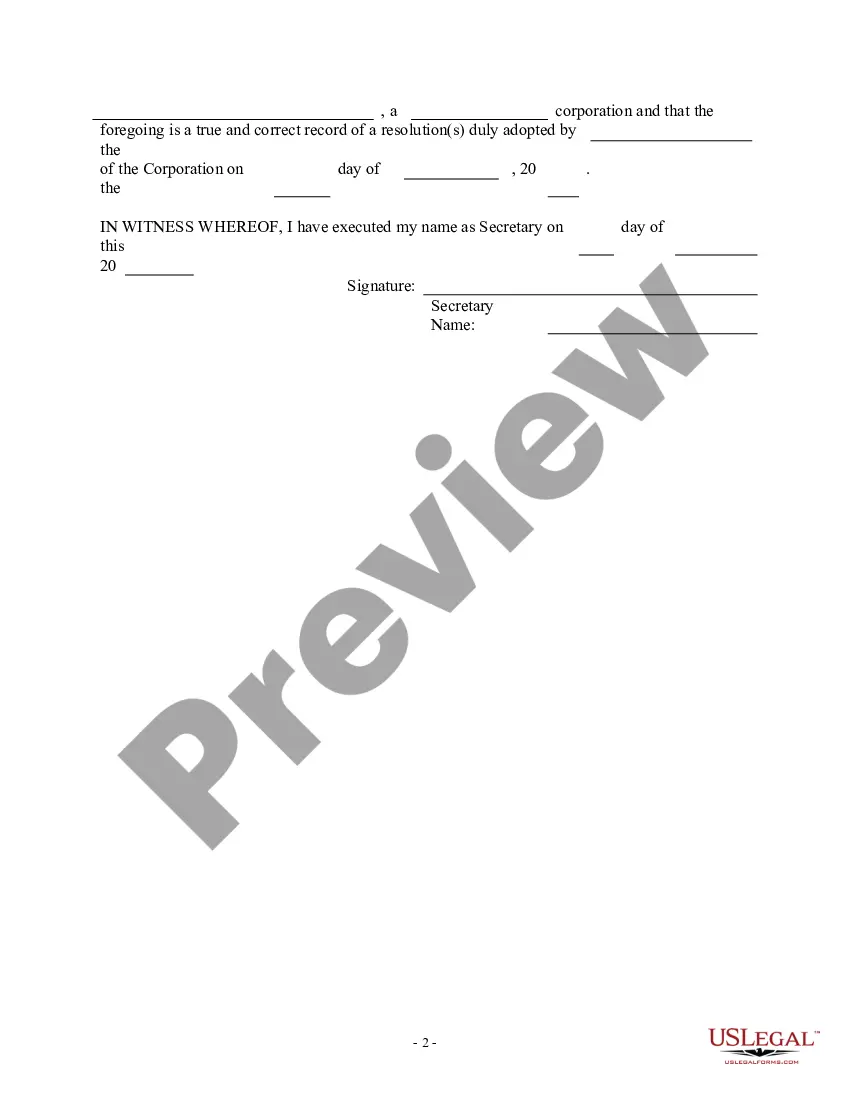



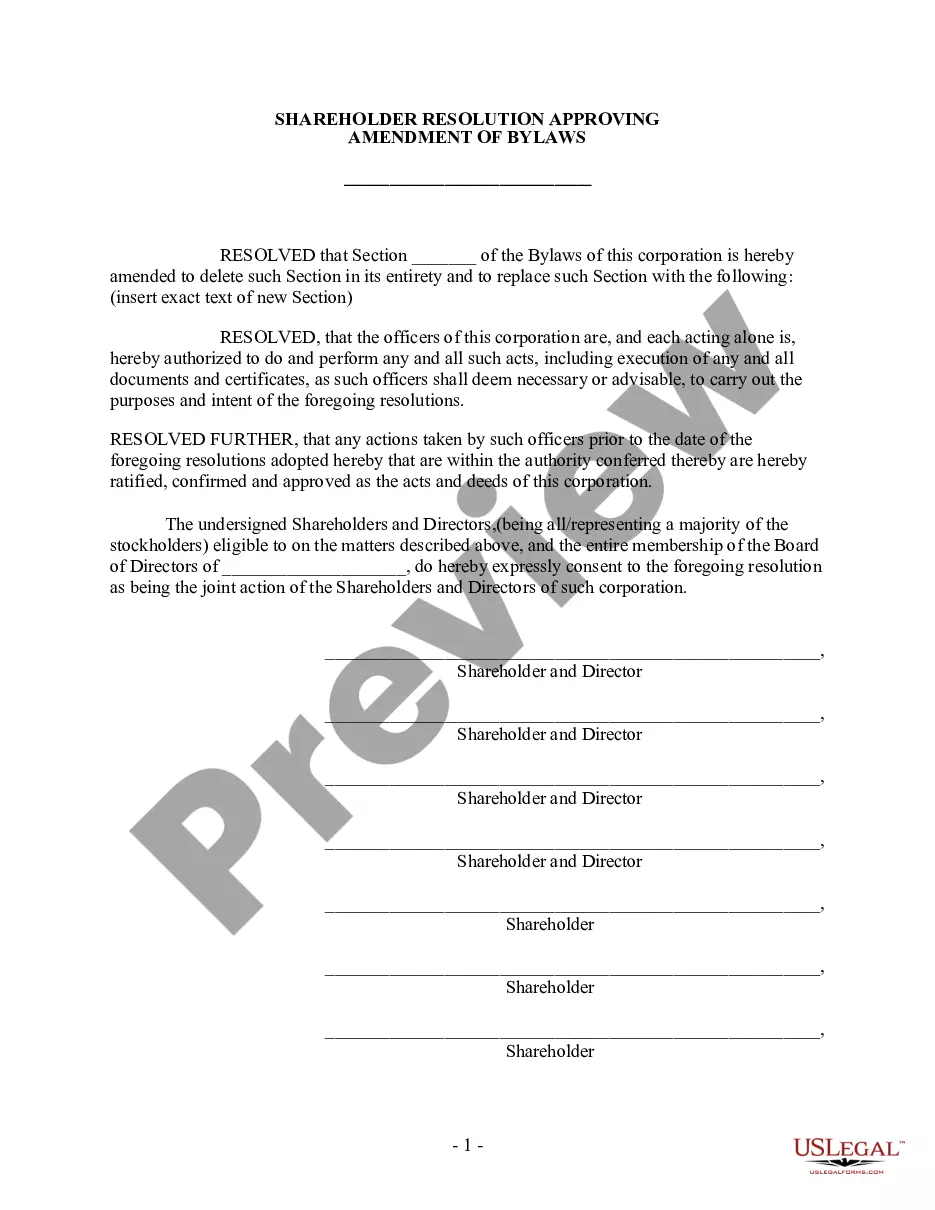
Get your form ready online
Our built-in tools help you complete, sign, share, and store your documents in one place.
Make edits, fill in missing information, and update formatting in US Legal Forms—just like you would in MS Word.
Download a copy, print it, send it by email, or mail it via USPS—whatever works best for your next step.
Sign and collect signatures with our SignNow integration. Send to multiple recipients, set reminders, and more. Go Premium to unlock E-Sign.
If this form requires notarization, complete it online through a secure video call—no need to meet a notary in person or wait for an appointment.
We protect your documents and personal data by following strict security and privacy standards.

Make edits, fill in missing information, and update formatting in US Legal Forms—just like you would in MS Word.

Download a copy, print it, send it by email, or mail it via USPS—whatever works best for your next step.

Sign and collect signatures with our SignNow integration. Send to multiple recipients, set reminders, and more. Go Premium to unlock E-Sign.

If this form requires notarization, complete it online through a secure video call—no need to meet a notary in person or wait for an appointment.

We protect your documents and personal data by following strict security and privacy standards.
Looking for another form?






Form popularity
FAQ
Authorized shares are shares of stock that can be issued by companies to investors. Outstanding shares are shares of stock that have been issued. In other words, authorized shares are the total number of shares that companies can legally issue or sell to investors.
Authorized shares, or authorized stock, are simply a legally allowed maximum number of shares that a company can issue to investors. The number of authorized shares is specified in the company's articles of incorporation. You can also see the number in the capital accounts section on the balance sheet.
You will likely only be able to find out the names of certain shareholders of a company if the company is publicly traded. If a company is privately held, you may not be able to find out the names of the shareholders without contacting the company and asking.
Most businesses and non-profits need to register their business name (operating name) with Registry of Joint Stock Companies if it's different than their legal name. Societies need to register their business name (operating name) with Registry of Joint Stock Companies if it's different than their legal name.
You will need a shareholders' agreement to protect yourself when you give someone shares in your company. The shareholders' agreement covers what happens to the equity in possible future situations, from a shareholder dying to when a shareholder wants to sell their shares to someone else.
It is the maximum amount of the capital for which shares can be issued by the Company to shareholders. The Authorised capital is mentioned in the Memorandum of Association of the Company under the heading of “Capital Clause”. It is even decided prior to incorporation of the Company.
Authorized shares refer to maximum number of shares that a corporation is allowed to issue. This number is usually referenced in a company's Articles of Incorporation. The only way to increase authorized shares is to make an amendment to the aforementioned document.
Capital stock issued is the number of shares of stock sold and issued to stockholders. Capital stock outstanding is the number of authorized shares of stock issued and currently held by stockholders. The total ownership of a corporation rests with the holders of the capital stock outstanding.
In financial markets, a share (sometimes referred to as stock or equity) is a unit of equity ownership in the capital stock of a corporation. It can refer to units of mutual funds, limited partnerships, and real estate investment trusts. Share capital refers to all of the shares of an enterprise.
