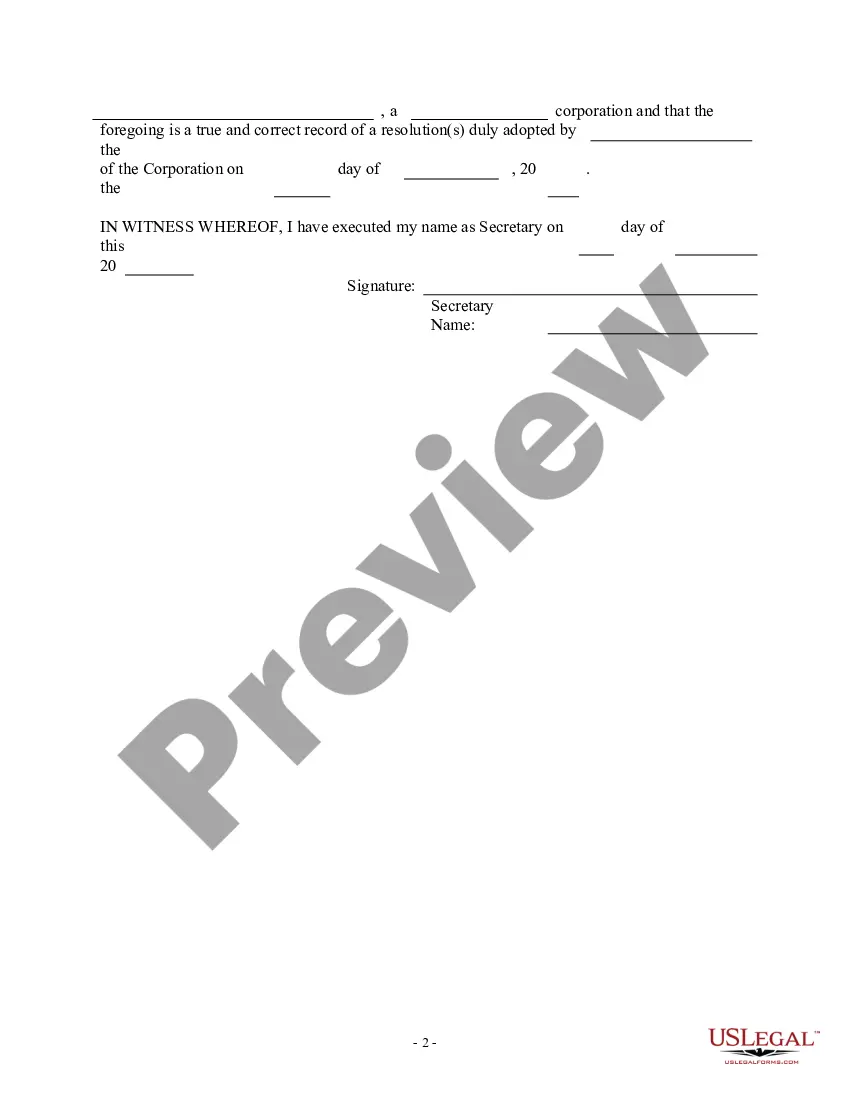
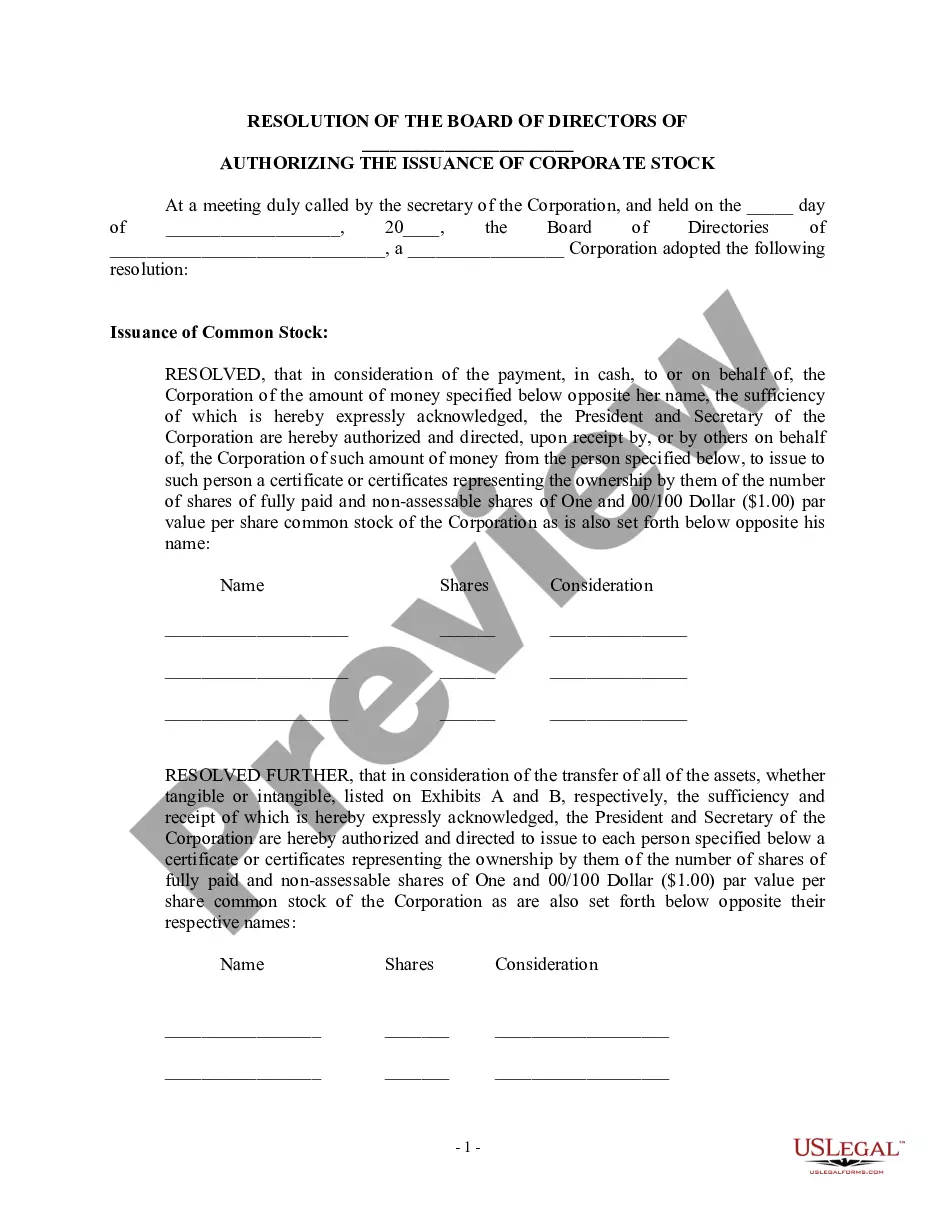
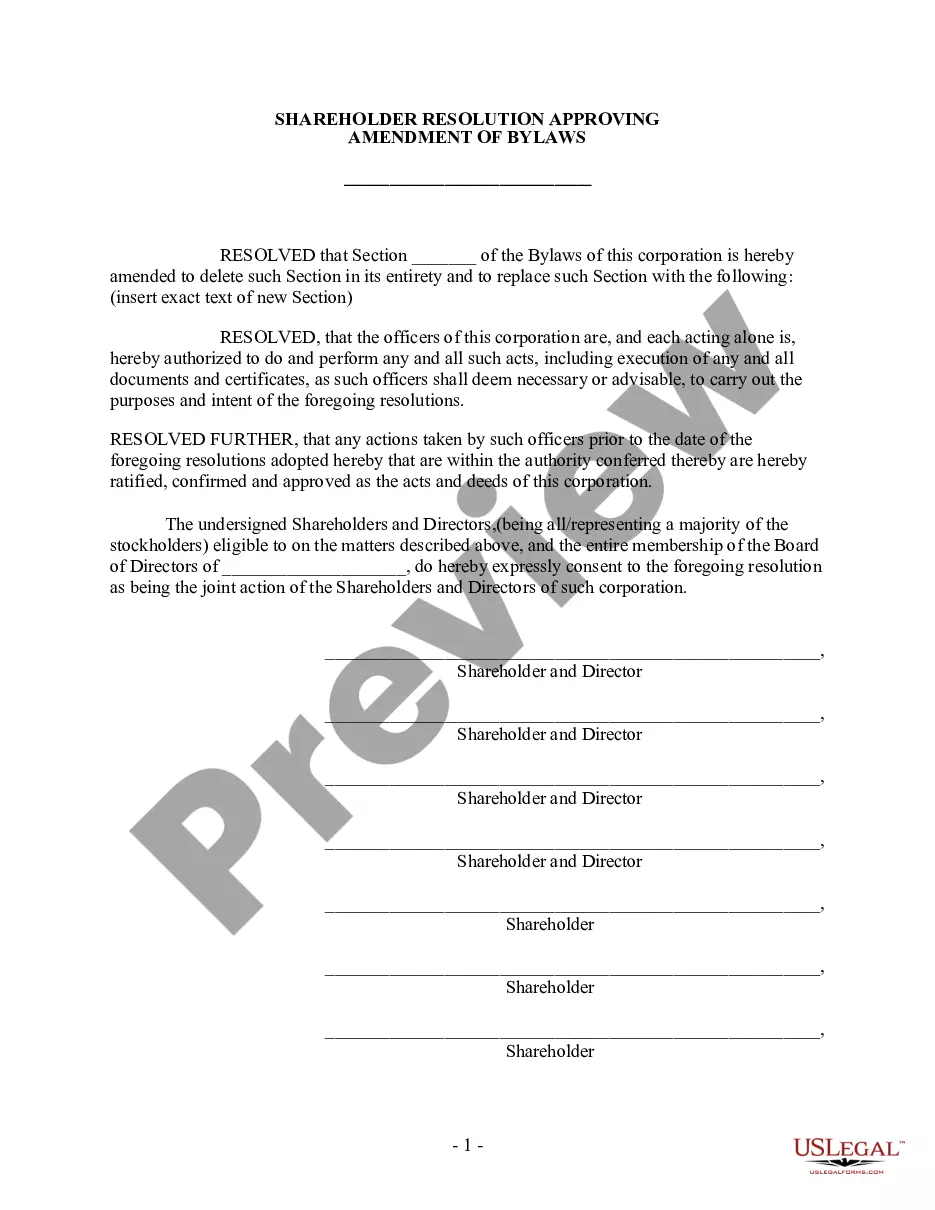
Authorized Shares Of In Cuyahoga
Description



Get your form ready online
Our built-in tools help you complete, sign, share, and store your documents in one place.
Make edits, fill in missing information, and update formatting in US Legal Forms—just like you would in MS Word.
Download a copy, print it, send it by email, or mail it via USPS—whatever works best for your next step.
Sign and collect signatures with our SignNow integration. Send to multiple recipients, set reminders, and more. Go Premium to unlock E-Sign.
If this form requires notarization, complete it online through a secure video call—no need to meet a notary in person or wait for an appointment.
We protect your documents and personal data by following strict security and privacy standards.

Make edits, fill in missing information, and update formatting in US Legal Forms—just like you would in MS Word.

Download a copy, print it, send it by email, or mail it via USPS—whatever works best for your next step.

Sign and collect signatures with our SignNow integration. Send to multiple recipients, set reminders, and more. Go Premium to unlock E-Sign.

If this form requires notarization, complete it online through a secure video call—no need to meet a notary in person or wait for an appointment.

We protect your documents and personal data by following strict security and privacy standards.
Looking for another form?








Form popularity
FAQ
Authorized shares are shares of stock that can be issued by companies to investors. Outstanding shares are shares of stock that have been issued. In other words, authorized shares are the total number of shares that companies can legally issue or sell to investors.
The number of authorized shares is specified in the company's articles of incorporation. You can also see the number in the capital accounts section on the balance sheet.
Authorized shares are the maximum number of shares that a company is permitted to issue to investors, as laid out in its articles of incorporation. Outstanding shares are the actual shares issued or sold to investors from the available number of authorized shares.
If it does occur, a company has breached any agreement with those investors, employees or other parties that have been “issued” the excess shares. In addition to any conflict with these potential recipients, such over-issuances are often complex (but not impossible) to correct under state law.
The core difference between outstanding shares and authorized shares. The main difference between authorized shares and outstanding shares is that authorized shares are the maximum number of shares a company can issue, while outstanding shares are the number of shares that have already been issued.
The identity of the holders of registered shares is entered in the company's register. In return for the advantages they offer (reduced fees…) their assignability is subject to specific formalities. An ordinary share carries the usual shareholder rights (right to vote, dividend…).
What are Authorized Shares? Authorized shares, or authorized stock, are simply a legally allowed maximum number of shares that a company can issue to investors. The number of authorized shares is specified in the company's articles of incorporation.
Common stock or shares of stock can be classified as authorized, issued, or outstanding: Authorized stock is the max amount of shares that a company can issue. Generally, a company will not issue 100% of the authorized stock, so issued stock will be less than the authorized amount.
A shareholder is any person, company, or institution that owns shares in a company's stock. A company shareholder can hold as little as one share. Shareholders will make capital gains (or losses) when selling shares, and may receive dividends if the company pays them.
In California, a corporation must authorize at least one share but may authorize any number. You, as the founder, can be the sole stockholder and own all authorized shares yourself, or you can issue shares to others who you desire to co-own the corporation.
