Shareholders Resolution Vs Board Resolution In Allegheny
Description

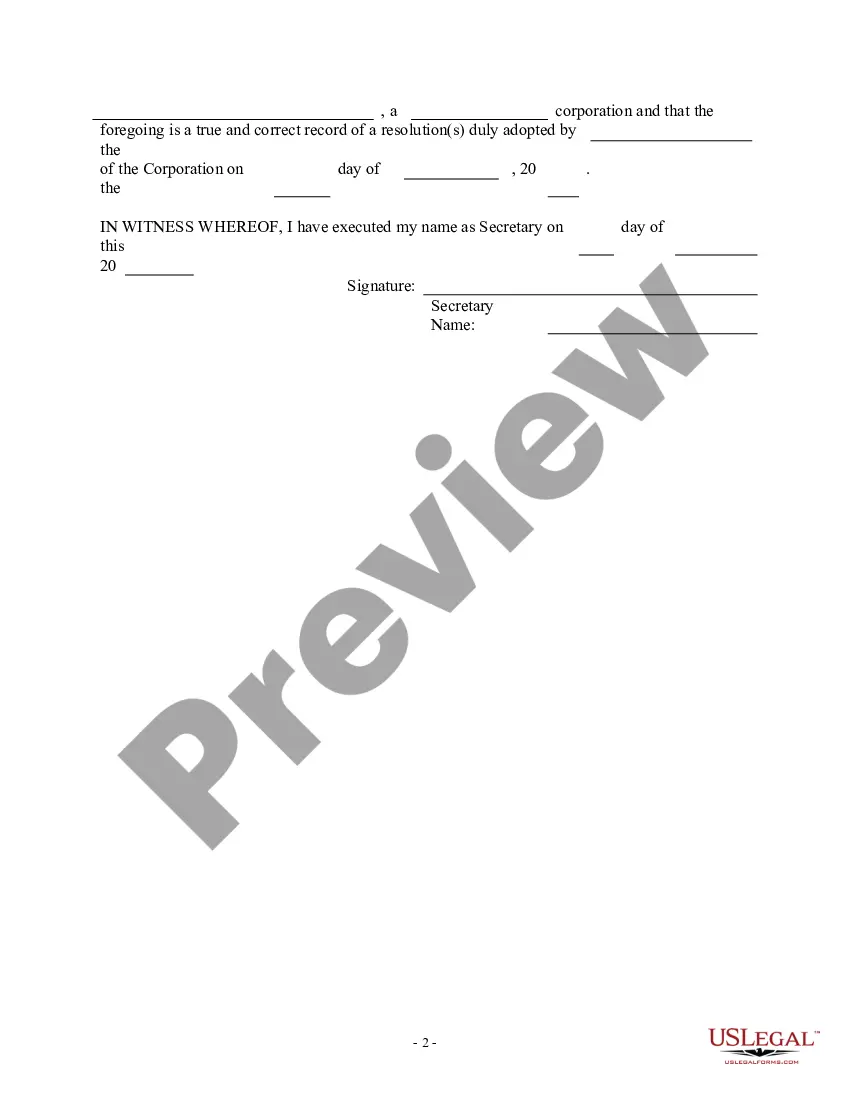

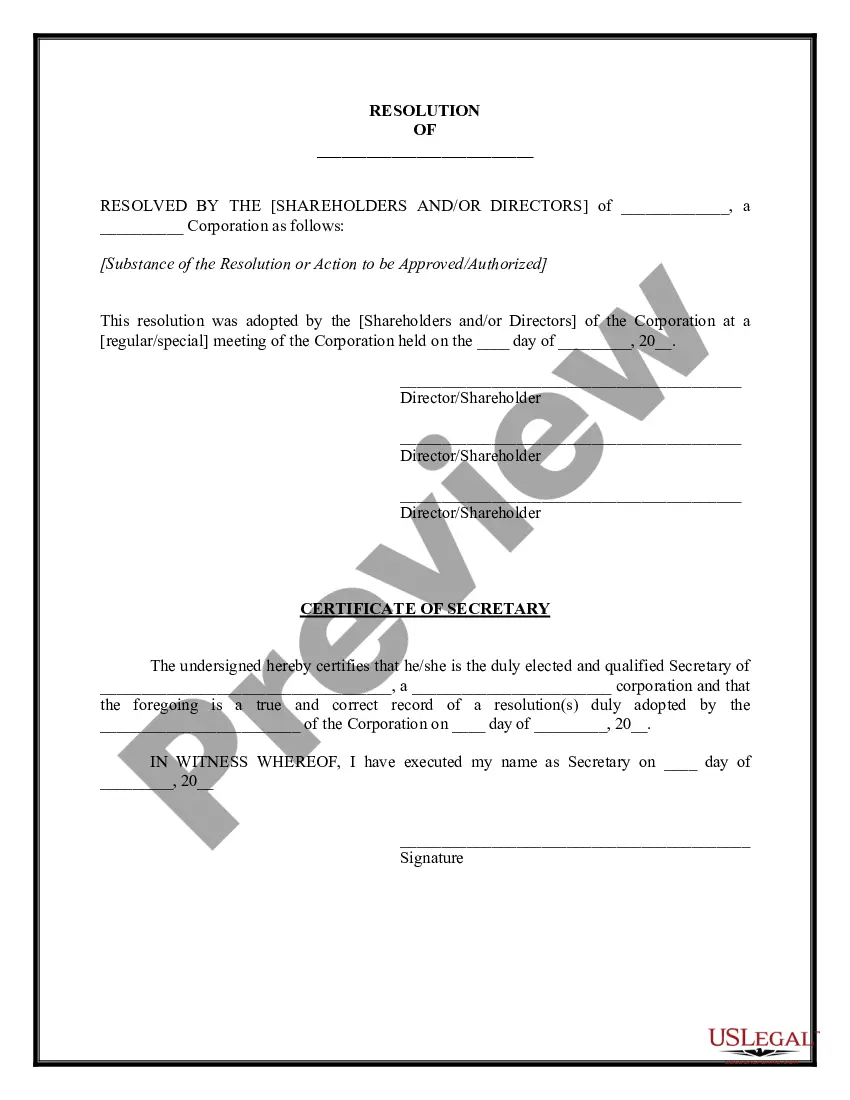
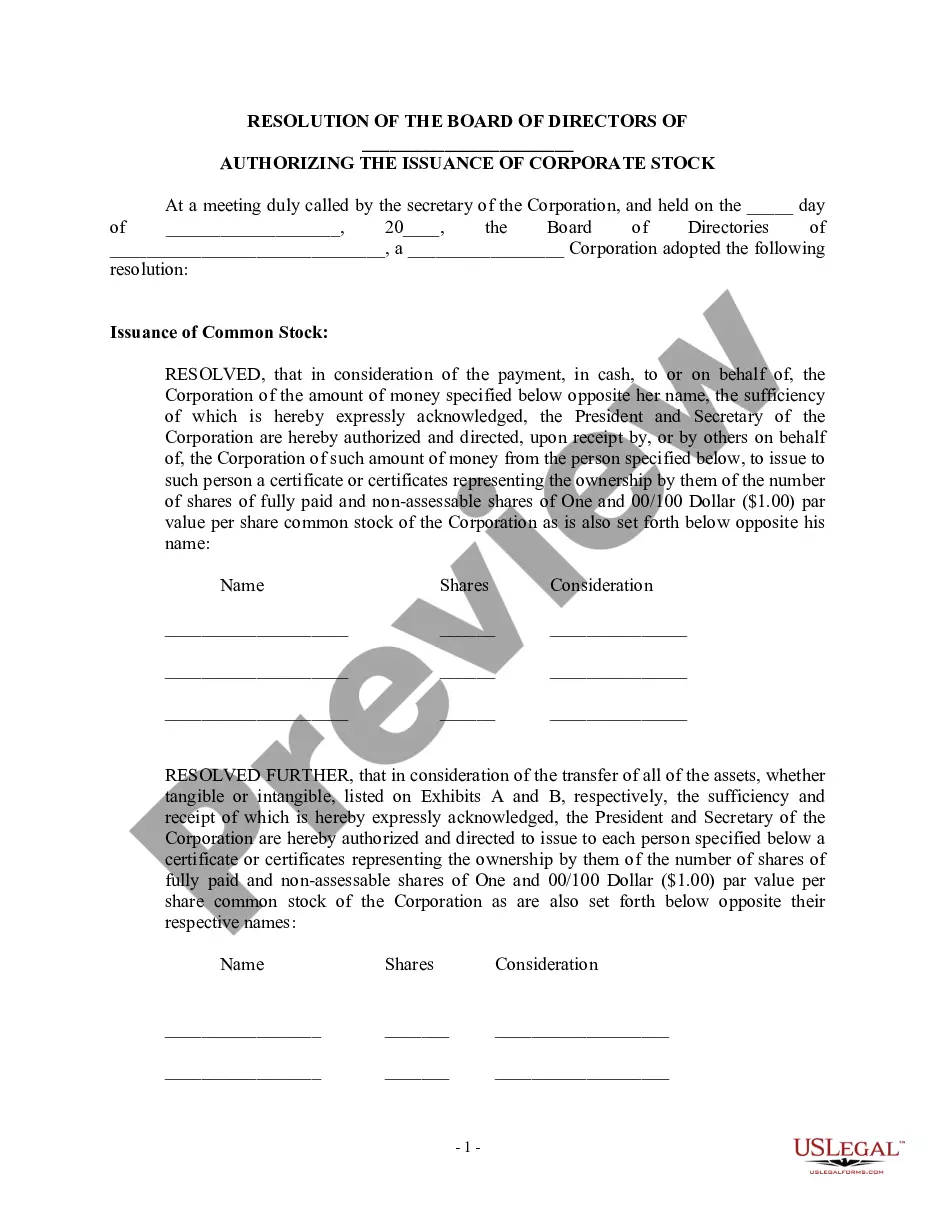
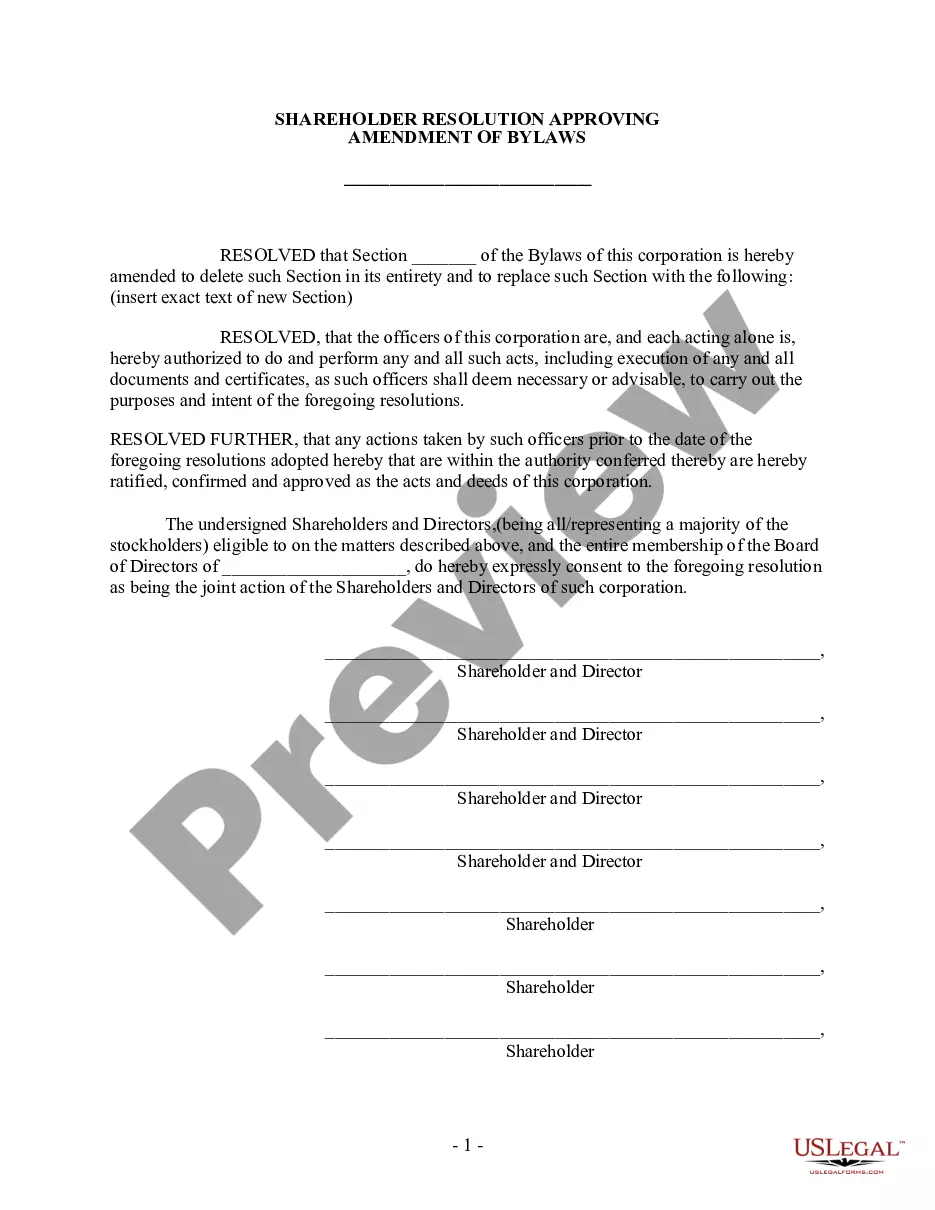
Get your form ready online
Our built-in tools help you complete, sign, share, and store your documents in one place.
Make edits, fill in missing information, and update formatting in US Legal Forms—just like you would in MS Word.
Download a copy, print it, send it by email, or mail it via USPS—whatever works best for your next step.
Sign and collect signatures with our SignNow integration. Send to multiple recipients, set reminders, and more. Go Premium to unlock E-Sign.
If this form requires notarization, complete it online through a secure video call—no need to meet a notary in person or wait for an appointment.
We protect your documents and personal data by following strict security and privacy standards.

Make edits, fill in missing information, and update formatting in US Legal Forms—just like you would in MS Word.

Download a copy, print it, send it by email, or mail it via USPS—whatever works best for your next step.

Sign and collect signatures with our SignNow integration. Send to multiple recipients, set reminders, and more. Go Premium to unlock E-Sign.

If this form requires notarization, complete it online through a secure video call—no need to meet a notary in person or wait for an appointment.

We protect your documents and personal data by following strict security and privacy standards.
Looking for another form?









Form popularity
FAQ
The difference between a Written Consent and a Corporate Resolution is that a Written Consent is used when no meeting has occurred in order for the board or the members or managers of an LLC to approve corporate activity, whereas a corporate resolution is used in conjunction with a meeting (in the minutes) for ...
When a board resolution is passed by a simple majority, usually of just over 50%, it is called an ordinary resolution. Actions that might require an ordinary resolution include a director election, auditor appointment and more. When Board resolutions require a higher majority, they need a special resolution.
Ordinary and special resolutions are two types of resolutions that a company can pass to make important decisions. The main difference between the two is the level of support required for them to pass.
There are two main types of shareholders' resolution: 'ordinary' and 'special'. An ordinary resolution is passed by a simple majority of members, while a special resolution requires not less than 75% of the total voting rights of eligible members.
Board directors and shareholders are the only members of the company that can make company resolutions. When the board of directors make a formal decision, it is referred to as a board resolution, whereas when the company shareholders make a formal decision, it is referred to as a shareholder resolution.
A board resolution is a document that formalises important decisions made by the board of directors and the actions relating to them. It is legally binding and functions as a compliance record to provide evidence of decisions made by the board regarding pivotal company matters.
Written resolutions are typically used when directors and shareholders are unable to meet in person for any reason. Written resolutions can be passed in all but two instances: The resolution to remove a director. The resolution to remove an auditor before their term of service has expired.
Whilst board resolutions can be passed by a simple majority vote, directors' written resolutions can only be passed by unanimous agreement of all directors who are entitled to vote unless any provision in the articles states to the contrary.
