Outstanding Shares For A Company In Alameda
Description

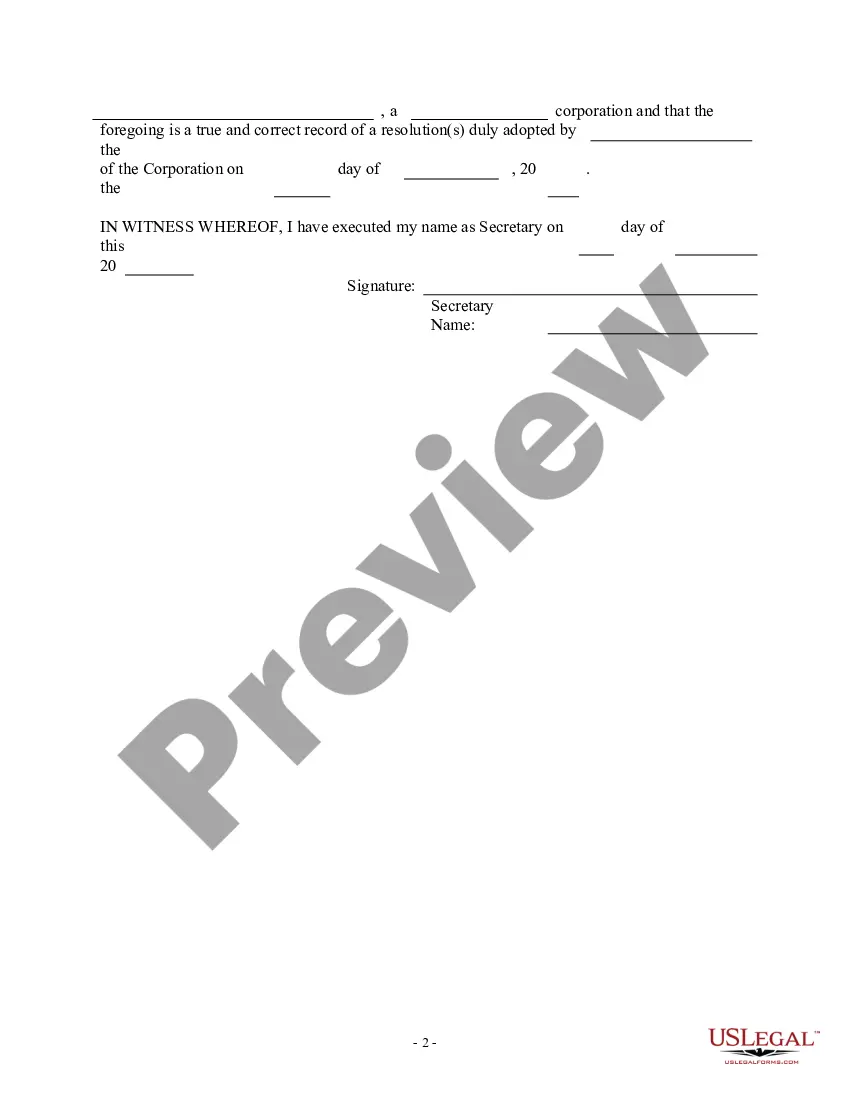


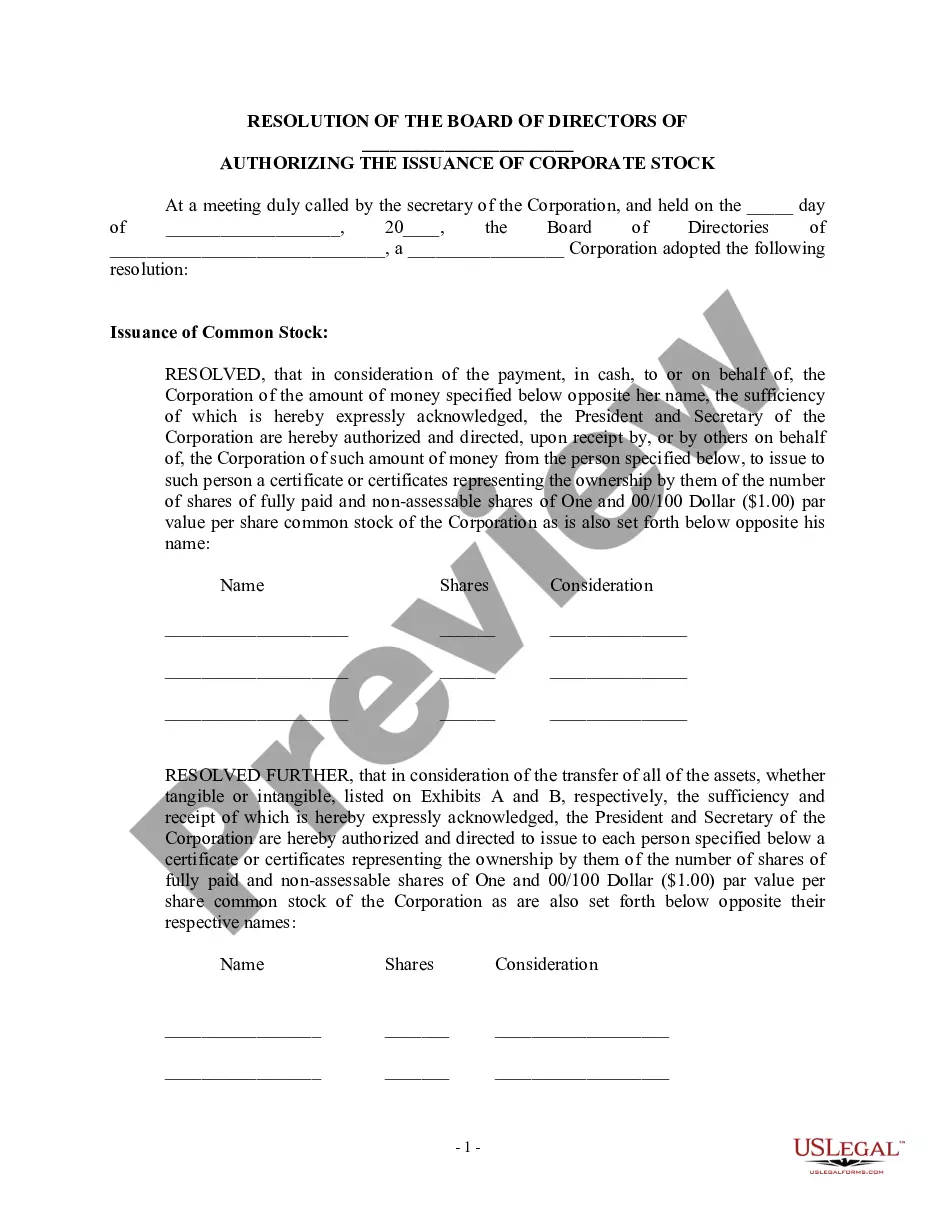
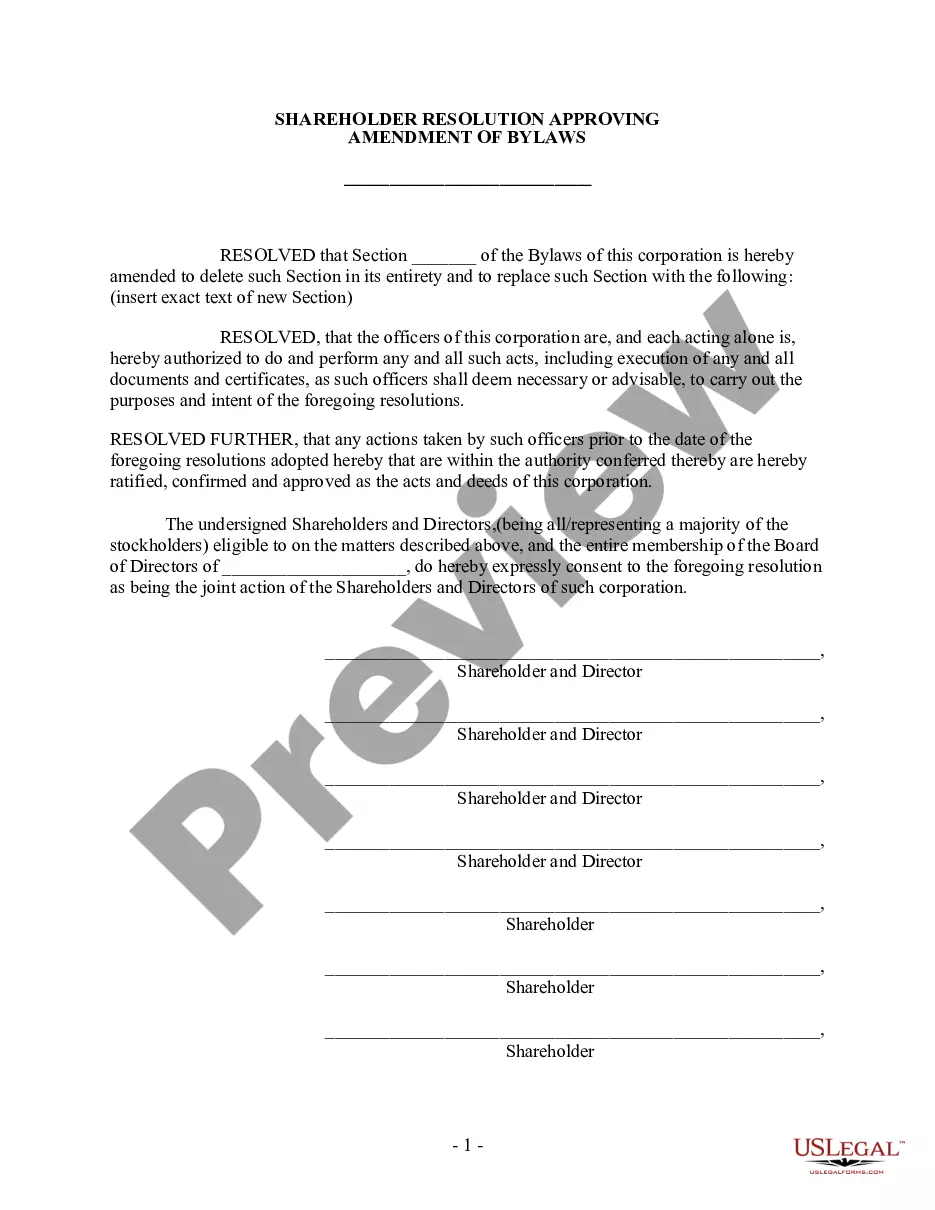
Get your form ready online
Our built-in tools help you complete, sign, share, and store your documents in one place.
Make edits, fill in missing information, and update formatting in US Legal Forms—just like you would in MS Word.
Download a copy, print it, send it by email, or mail it via USPS—whatever works best for your next step.
Sign and collect signatures with our SignNow integration. Send to multiple recipients, set reminders, and more. Go Premium to unlock E-Sign.
If this form requires notarization, complete it online through a secure video call—no need to meet a notary in person or wait for an appointment.
We protect your documents and personal data by following strict security and privacy standards.

Make edits, fill in missing information, and update formatting in US Legal Forms—just like you would in MS Word.

Download a copy, print it, send it by email, or mail it via USPS—whatever works best for your next step.

Sign and collect signatures with our SignNow integration. Send to multiple recipients, set reminders, and more. Go Premium to unlock E-Sign.

If this form requires notarization, complete it online through a secure video call—no need to meet a notary in person or wait for an appointment.

We protect your documents and personal data by following strict security and privacy standards.
Looking for another form?
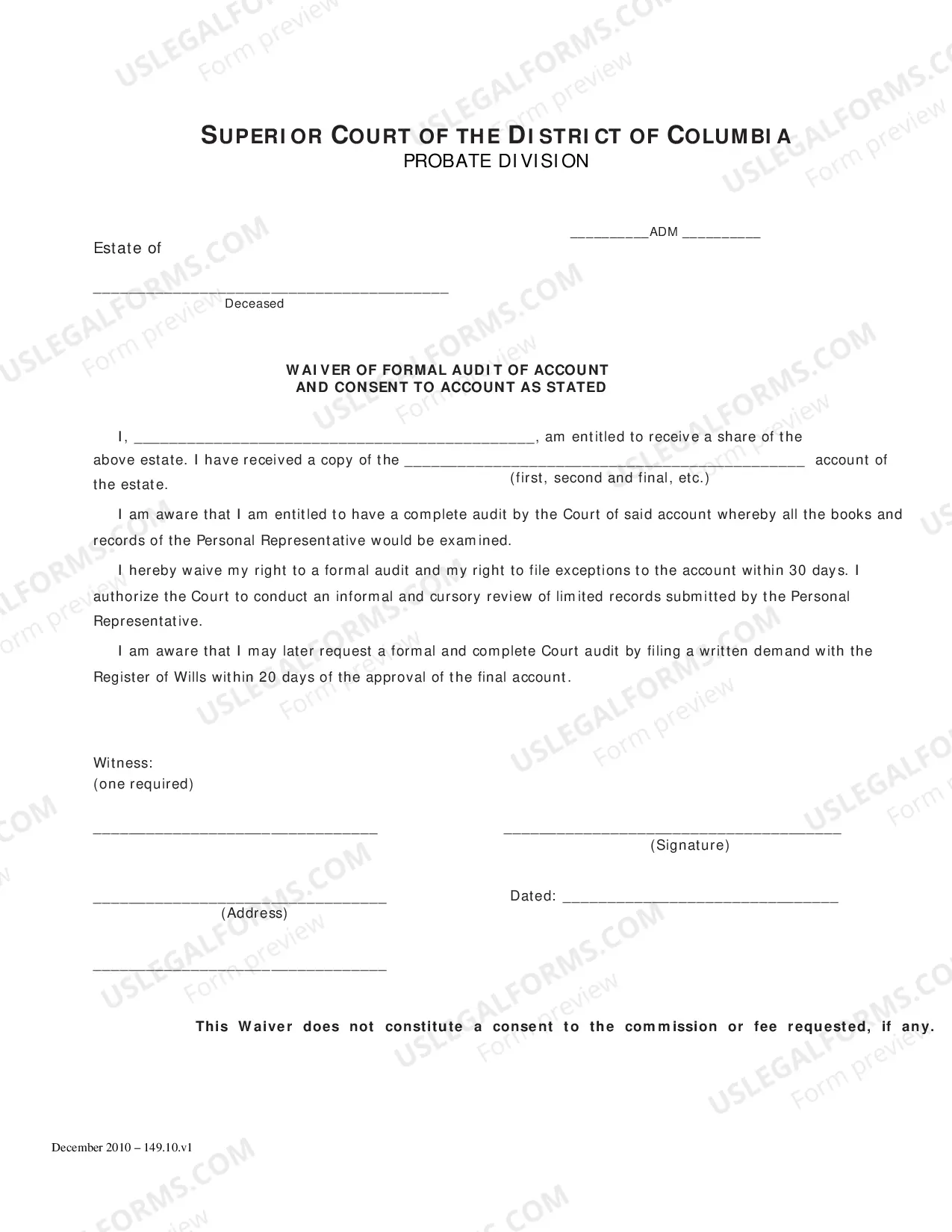

Form popularity
FAQ
The number of shares outstanding is listed on a company's balance sheet as "Capital Stock" and is reported on the company's quarterly filings with the US Securities and Exchange Commission.
Steps Determine the ticker symbol for the stock you want to track. Search for stock information on news websites. Use your online brokerage account. Set up an online portfolio (if you hold more than one stock) to help track your stocks over time. Set up news alerts for the stock.
1) Companies usually disclose the number of shares outstanding in their financial statements, such as their balance sheet or income statement. 2) Most companies have an investor relations section on their website which provides information on the number of shares outstanding.
Financial news websites: Websites such as Yahoo Finance or Google Finance offer real-time information on a company's outstanding shares. Stock exchange websites: Information on shares outstanding is also available on the websites of the stock exchanges where the company's shares are listed.
A publicly traded company's total number of shares outstanding can usually be found on their investor relations webpage, on stock exchanges' websites, or in the shareholder's equity section on a company's balance sheet as filed with an authorized information service like the U.S. Securities and Exchange Commission.
The formula for calculating the shares outstanding consists of subtracting the shares repurchased from the total shares issued to date.
The number of outstanding shares is also in the capital section of a company's annual report. The number of issued and outstanding shares, which is used to calculate market capitalization and earnings per share, are often the same.
1) Companies usually disclose the number of shares outstanding in their financial statements, such as their balance sheet or income statement. 2) Most companies have an investor relations section on their website which provides information on the number of shares outstanding.
The number of shares outstanding of a company can be found in its quarterly or annual filings (10-Qs or 10-Ks). However, due to the fluctuations in share counts between reporting periods, the figure is typically expressed as a weighted average.
The number of shares outstanding is listed on a company's balance sheet as "Capital Stock" and is reported on the company's quarterly filings with the US Securities and Exchange Commission.
