Best Cover Letter For Application Job In Suffolk
Description



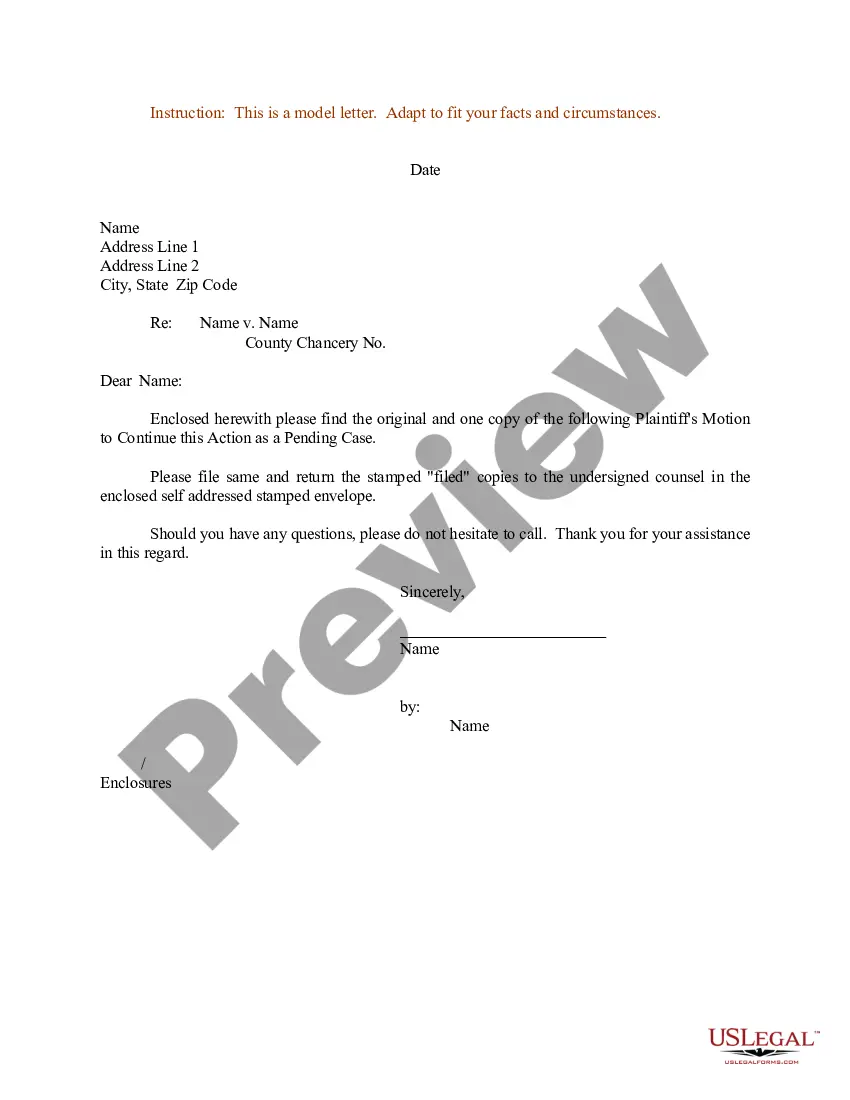
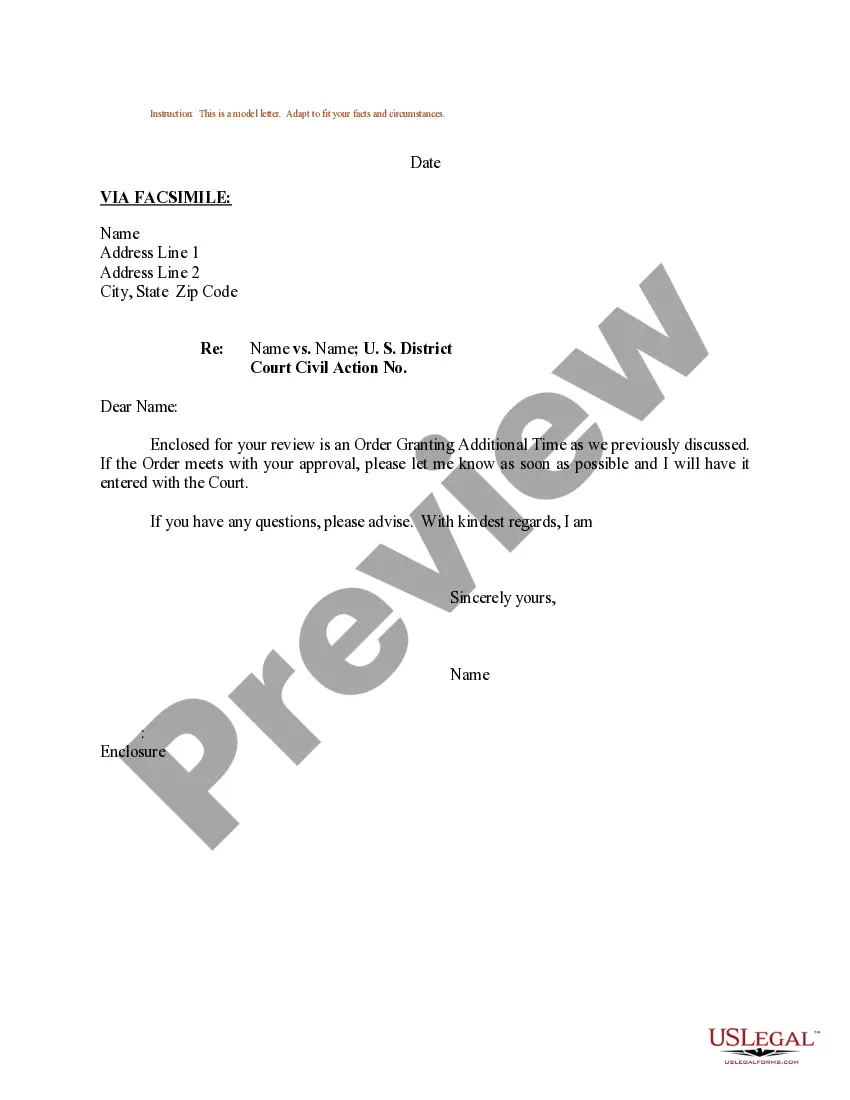
Get your form ready online
Our built-in tools help you complete, sign, share, and store your documents in one place.
Make edits, fill in missing information, and update formatting in US Legal Forms—just like you would in MS Word.
Download a copy, print it, send it by email, or mail it via USPS—whatever works best for your next step.
Sign and collect signatures with our SignNow integration. Send to multiple recipients, set reminders, and more. Go Premium to unlock E-Sign.
If this form requires notarization, complete it online through a secure video call—no need to meet a notary in person or wait for an appointment.
We protect your documents and personal data by following strict security and privacy standards.

Make edits, fill in missing information, and update formatting in US Legal Forms—just like you would in MS Word.

Download a copy, print it, send it by email, or mail it via USPS—whatever works best for your next step.

Sign and collect signatures with our SignNow integration. Send to multiple recipients, set reminders, and more. Go Premium to unlock E-Sign.

If this form requires notarization, complete it online through a secure video call—no need to meet a notary in person or wait for an appointment.

We protect your documents and personal data by following strict security and privacy standards.
Looking for another form?

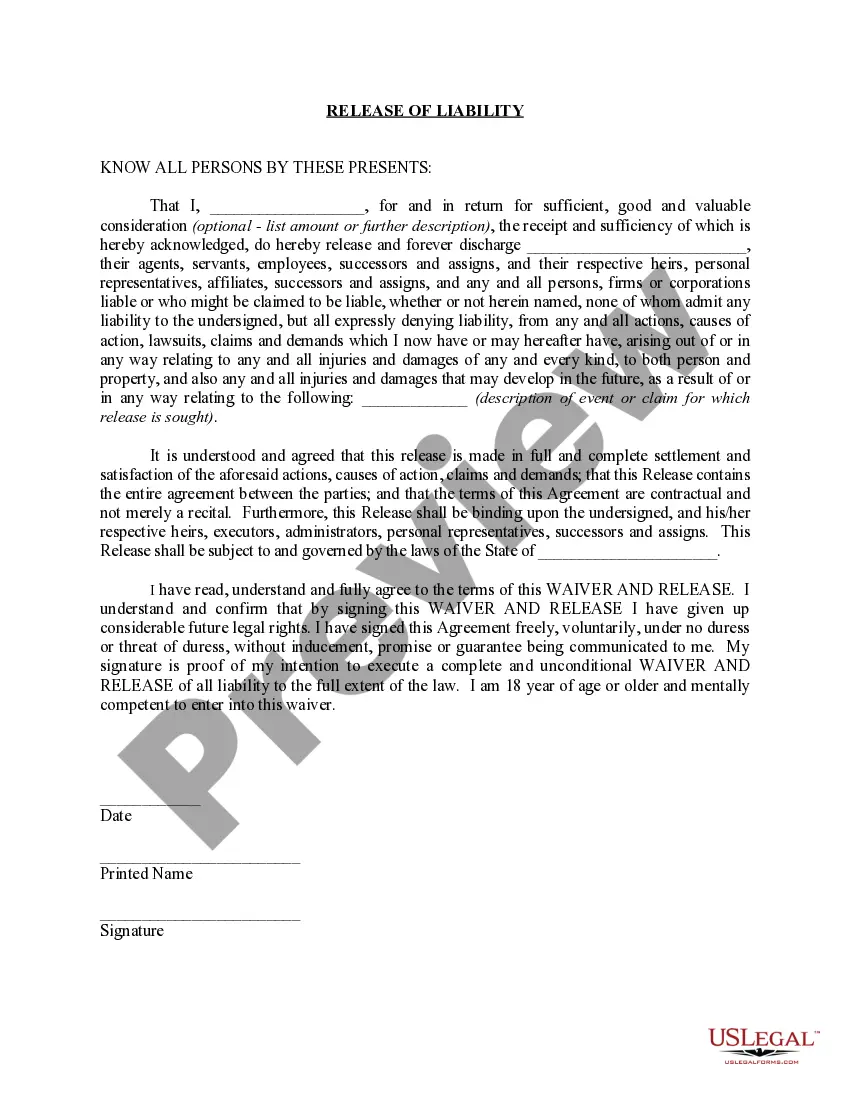



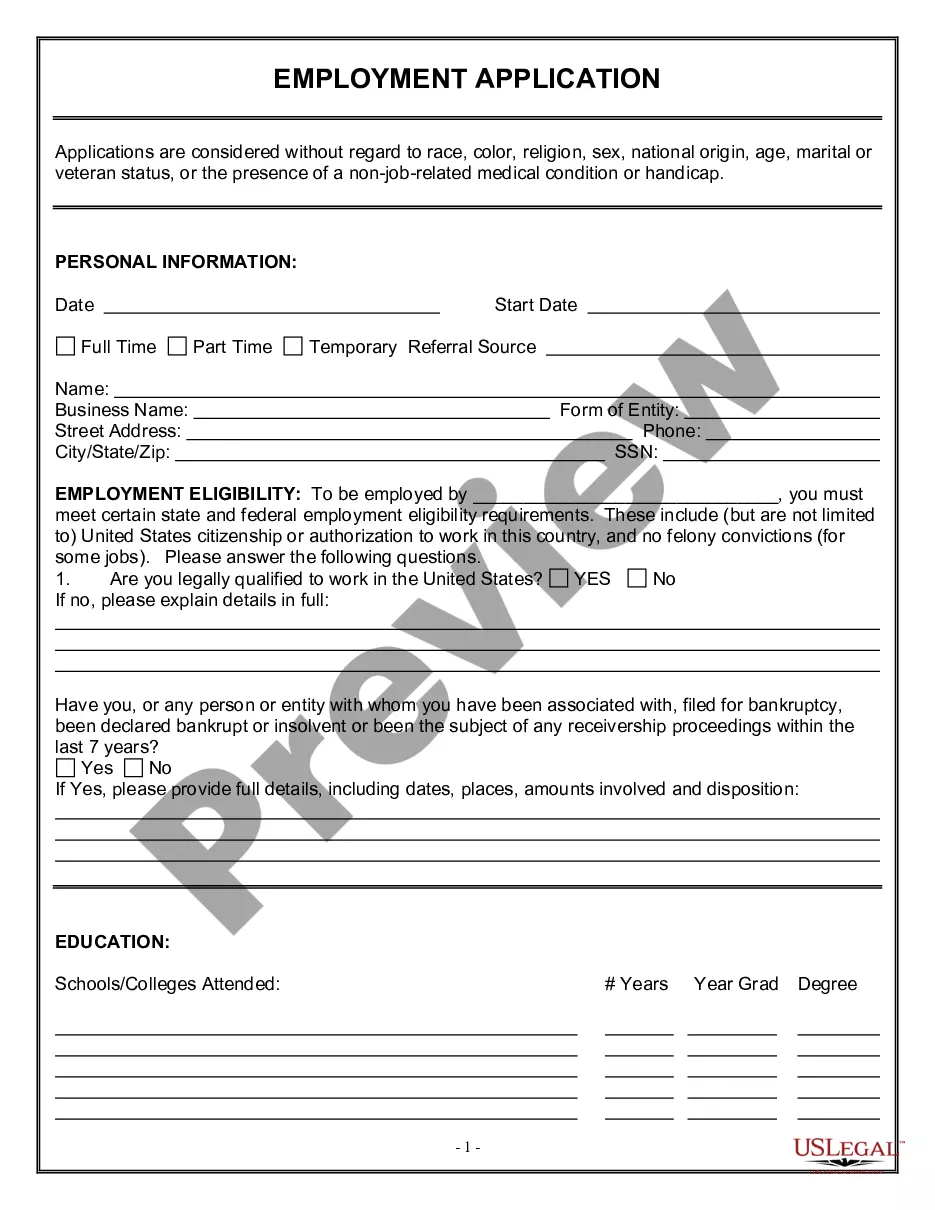


Form popularity
FAQ
Keep your cover letter concise and focused. Aim for three to four paragraphs, and use a clean and professional format. Use standard fonts and formatting. Before submitting your cover letter, carefully proofread it to catch any errors. You may also consider having someone else review it for a fresh perspective.
What is the best font to use for a cover letter? Times New Roman. This font is a classic serif font used in many professional documents. Arial. Arial is another popular font that is clean and easy to read. Helvetica. Also a sans-serif font, Helvetica is seen as a clean and neutral font. Garamond. Georgia. Calibri. Veranda.
How to Write a Cover Letter That Wins the Job Do your research. Address the hiring manager by name. Hook your reader with a strong opening paragraph. Relate your experience to the company's needs. Highlight concrete examples of your achievements. Re-state your interest and finish with confidence. Proofread carefully.
The tried-and-true Rule of Three strategy Showcase your discernment by detailing three—and only three—key points in your cover letter. You want the reader to remain interested long enough to flip to your resume, and running through a laundry list of skill after skill is a surefire way to bore them quickly.
Introduce yourself and explain how you found the advertised job. You can mention the job title, and reference number if there is one. If you're asking about any job openings and not applying to a vacancy, tell them what sort of job you're looking for. Let the employer see how keen you are to work for them.
The cover letter accompanies your résumé to potential employers and provides you the opportunity to introduce yourself. Cover letters are comprised of at least 3 – 4 paragraphs and should be written in a manner that highlights the skills, abilities and accomplishments listed on your résumé.
For a cover letter to be effective: Format the heading. your street number and name ... Reference the position. Explain interest in the role. Describe why you. Wrap up.
Conclusion Ensure that the content reflects the requirements in the job description. Keep the cover letter concise, at one page or less. Correct any errors in grammar, sentence structure, and spelling. Use the active voice. Avoid beginning too many sentences with “I”
I am writing to enquire if you have any vacancies in your company. I enclose my CV for your information. As you can see, I have had extensive vacation work experience in office environments, the retail sector and service industries, giving me varied skills and the ability to work with many different types of people.
