Best Cover Letter With Resume In Middlesex
Description



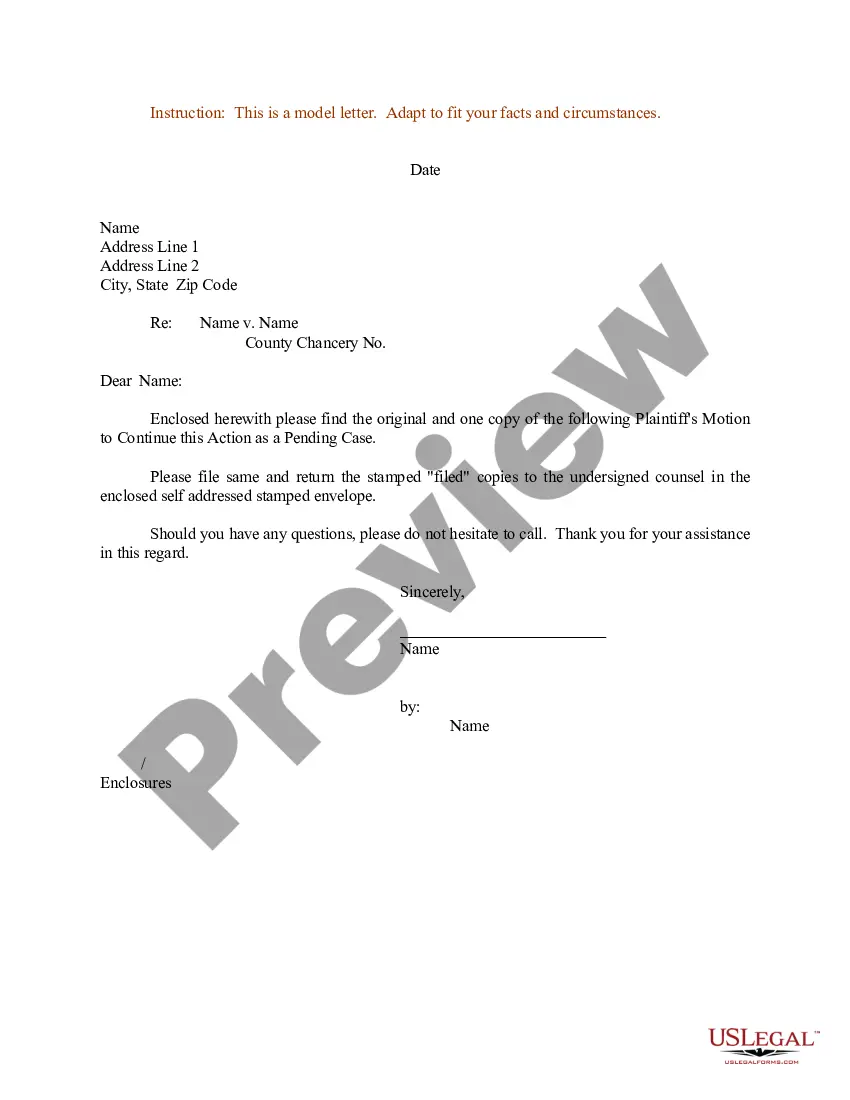
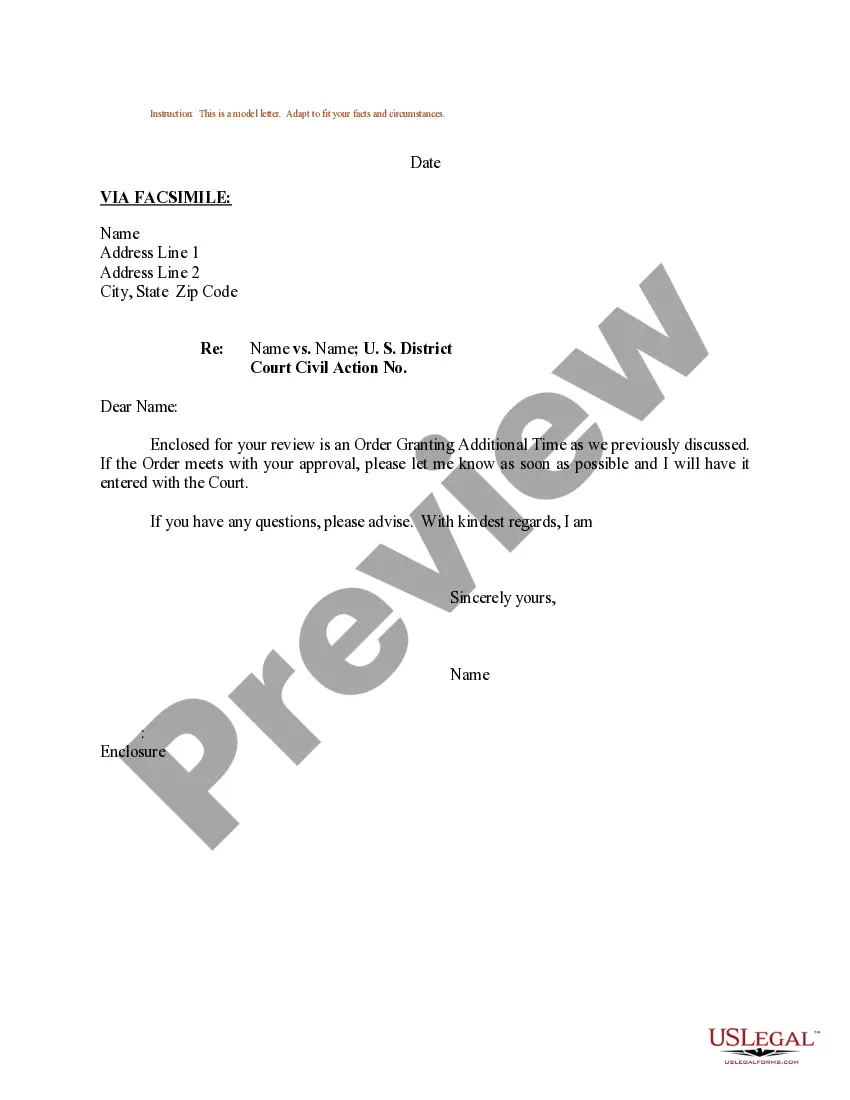
Get your form ready online
Our built-in tools help you complete, sign, share, and store your documents in one place.
Make edits, fill in missing information, and update formatting in US Legal Forms—just like you would in MS Word.
Download a copy, print it, send it by email, or mail it via USPS—whatever works best for your next step.
Sign and collect signatures with our SignNow integration. Send to multiple recipients, set reminders, and more. Go Premium to unlock E-Sign.
If this form requires notarization, complete it online through a secure video call—no need to meet a notary in person or wait for an appointment.
We protect your documents and personal data by following strict security and privacy standards.

Make edits, fill in missing information, and update formatting in US Legal Forms—just like you would in MS Word.

Download a copy, print it, send it by email, or mail it via USPS—whatever works best for your next step.

Sign and collect signatures with our SignNow integration. Send to multiple recipients, set reminders, and more. Go Premium to unlock E-Sign.

If this form requires notarization, complete it online through a secure video call—no need to meet a notary in person or wait for an appointment.

We protect your documents and personal data by following strict security and privacy standards.
Looking for another form?






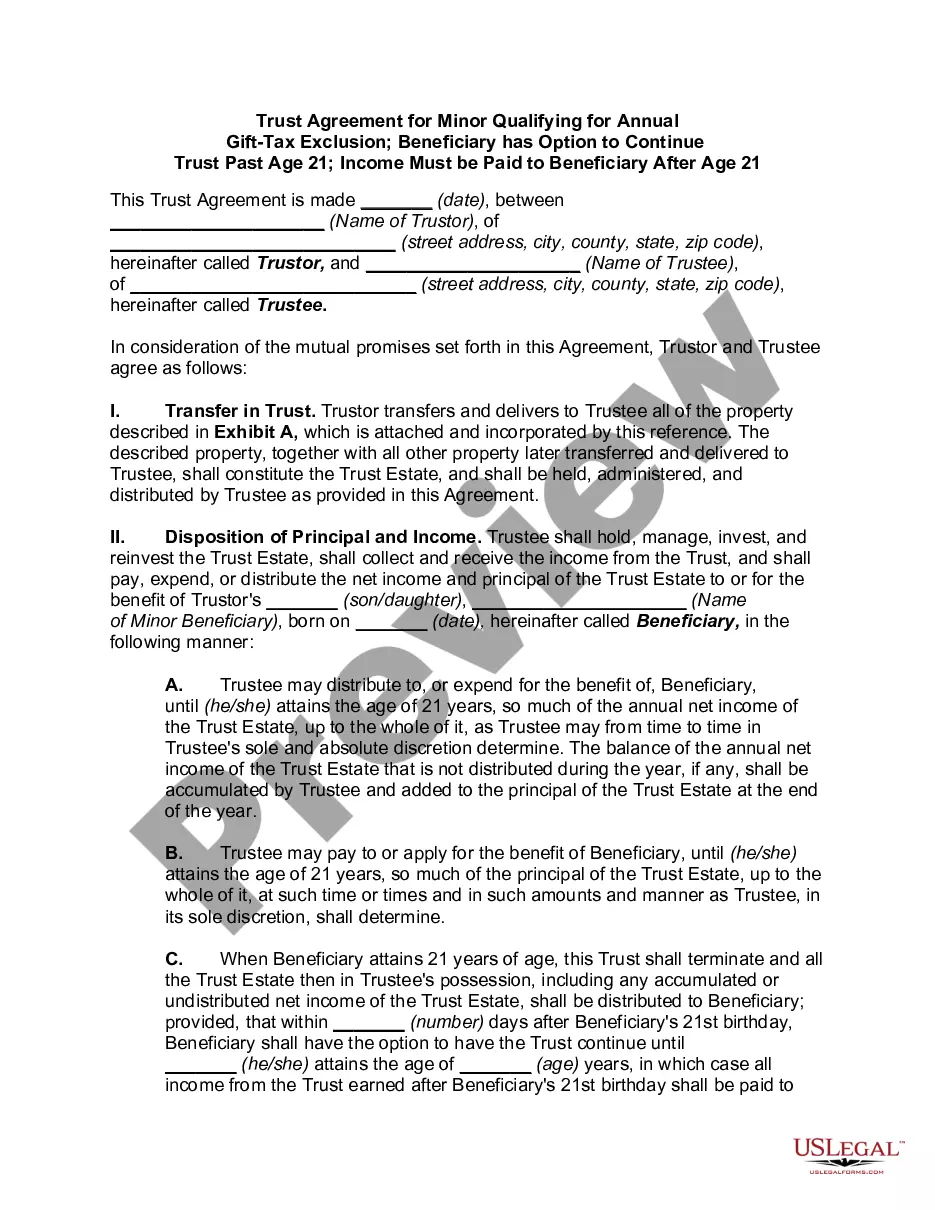


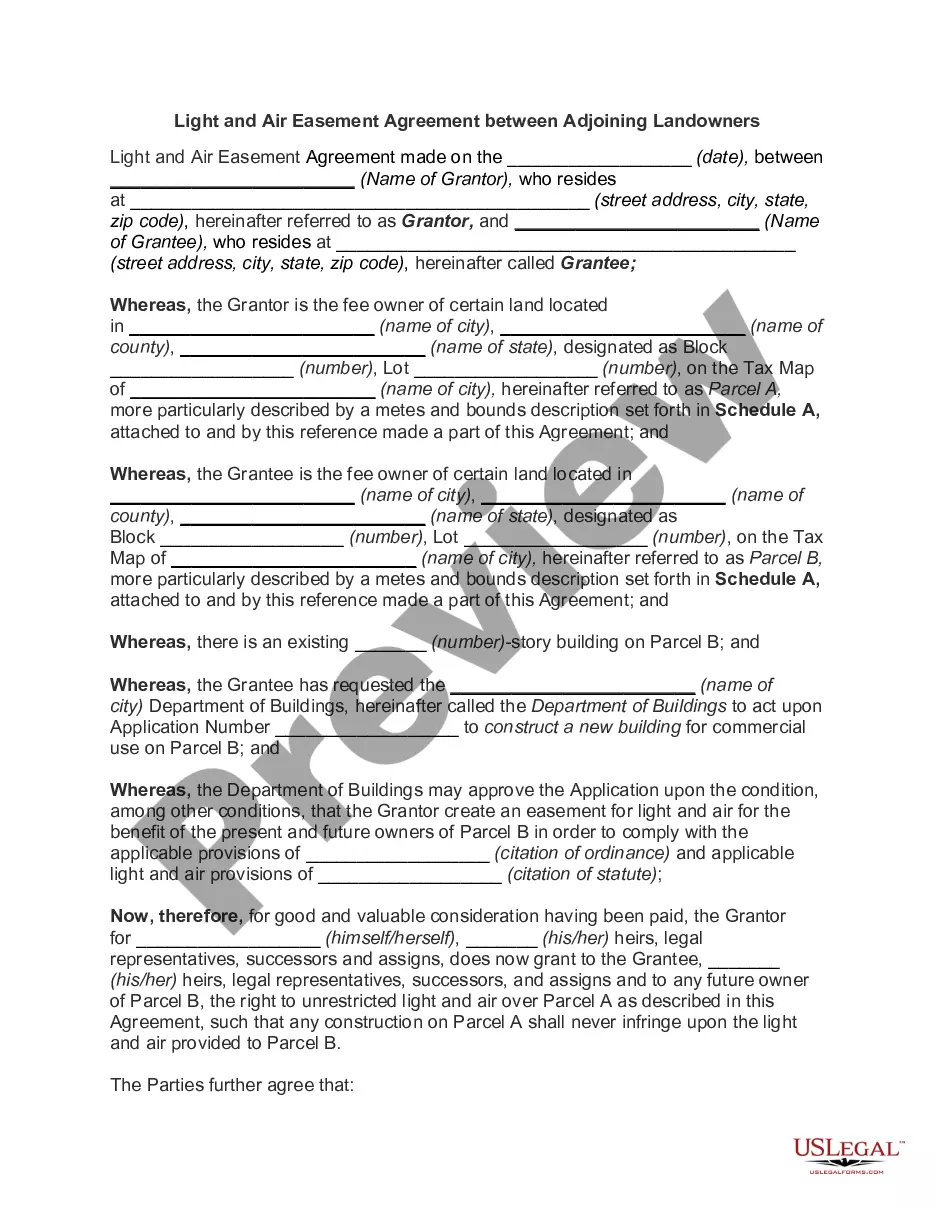
Form popularity
FAQ
Absolutely send the cover letter along with your resume to the email provided. It shows initiative and attention to detail. If you're looking to streamline your cover letter creation for future applications, check out tools like jobfly that can help tailor your cover letters efficiently.
Short answer: yes, you should submit a cover letter alongside your resume. Here's why: Most job openings require you to submit a cover letter. Recruiters might not have the time to read ALL the cover letters they receive, but they will definitely read cover letters if they're on the fence for a candidate.
Carrying around your resumes in a folder is a good thing with regards to being organized and not having a bunch of loose papers. But no, you do not have to give an employer or recruiter a folder containing your resume. All they need is the resume itself. So handing them a copy is all you need to do.
The cover letter is usually the first item an employer reads from you. Your letter should immediately indicate what position you are applying for and then give information that demonstrates why you should be considered for the position. Do not repeat all of the information contained in your resume.
Keeping your cover letter with your resume, in a single document lessens the chance of losing that impressive letter, and it's easier for a potential employer to print.
Sending your resume and cover letter to a prospective employer is an important first step in the job search process. In some situations, an employer may request that you submit both application items as a single document so they can review them at once.
Follow these steps to combine your resume and cover letter into a single file: Determine which document to add first. Revise and review both documents. Open a new document. Insert each document into the new file. Create a page break. Confirm in an email. Use active verbs. Customize both parts of your application.
Write an Amazing Cover Letter: 3 Golden Rules Hook the hiring manager. The first paragraph of your cover letter is extremely important. Start by writing about the company. 3.It is not just about your professional experience. Conclusion.
Elements of a Cover Letter FIRST PARAGRAPH OR INTRODUCTION: ACTS AS BASIS OR PURPOSE OF THE LETTER. SECOND PARAGRAPH OR BODY: SUPPORTS YOUR CLAIMS FOR BEING THE RIGHT CANDIDATE FOR THIS POSITION/ORGANIZATION. THIRD PARAGRAPH OR CLOSING: REITERATES YOUR INTEREST IN THE POSITION/ORGANIZATION.
Write a compelling introduction. Assert your interest in the role or company. Emphasize your skills and experience. Demonstrate your research. Highlight measurable accomplishments. Tell your professional story. Mention a shared contact.

