Sample Example Of Formal Letter In Mecklenburg
Description



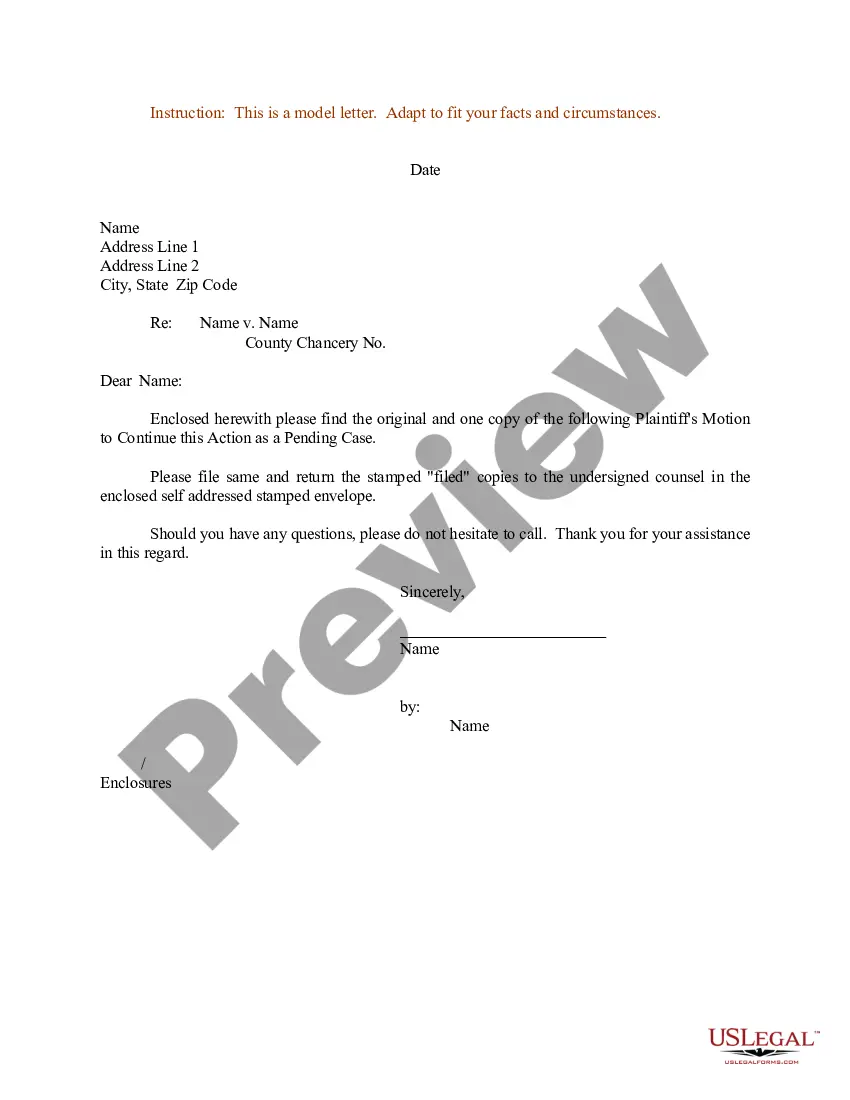
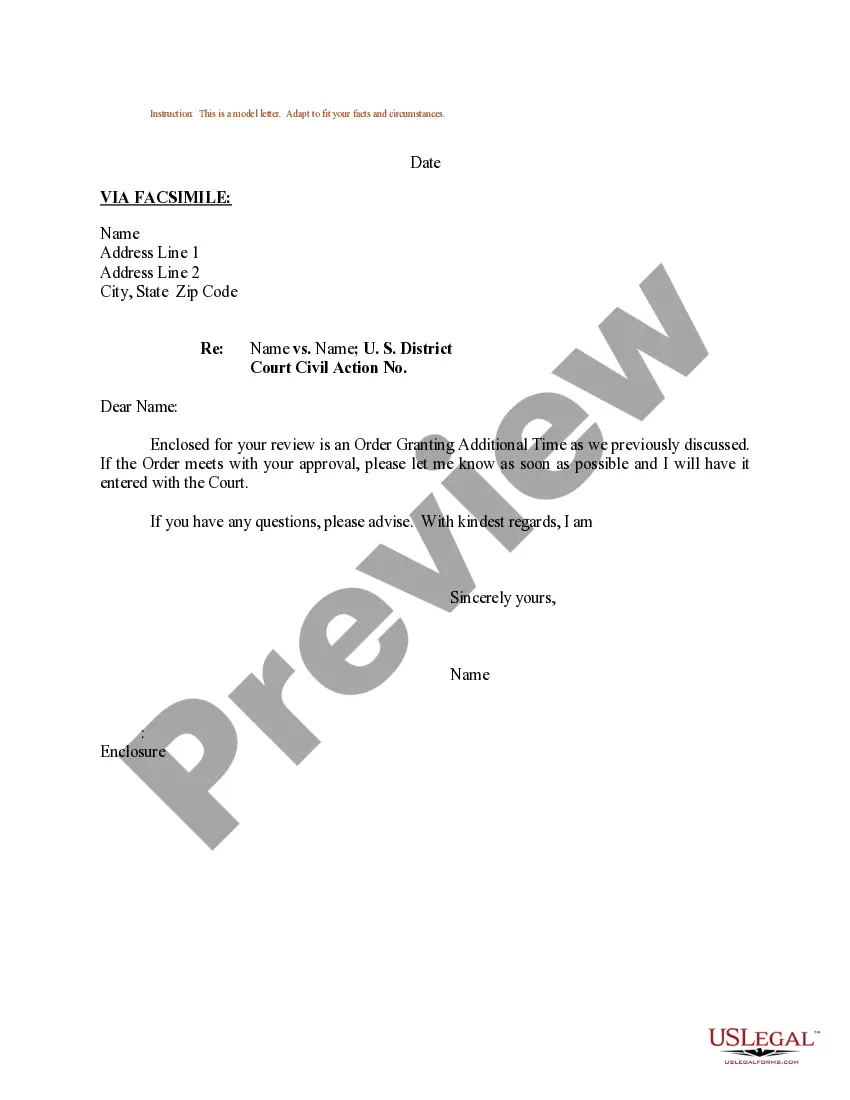
Get your form ready online
Our built-in tools help you complete, sign, share, and store your documents in one place.
Make edits, fill in missing information, and update formatting in US Legal Forms—just like you would in MS Word.
Download a copy, print it, send it by email, or mail it via USPS—whatever works best for your next step.
Sign and collect signatures with our SignNow integration. Send to multiple recipients, set reminders, and more. Go Premium to unlock E-Sign.
If this form requires notarization, complete it online through a secure video call—no need to meet a notary in person or wait for an appointment.
We protect your documents and personal data by following strict security and privacy standards.

Make edits, fill in missing information, and update formatting in US Legal Forms—just like you would in MS Word.

Download a copy, print it, send it by email, or mail it via USPS—whatever works best for your next step.

Sign and collect signatures with our SignNow integration. Send to multiple recipients, set reminders, and more. Go Premium to unlock E-Sign.

If this form requires notarization, complete it online through a secure video call—no need to meet a notary in person or wait for an appointment.

We protect your documents and personal data by following strict security and privacy standards.
Looking for another form?










Form popularity
FAQ
Some of the best opening lines for a formal letter include: ``I am writing to inform you...'' ``I am writing in regards to...'' ``I am writing to express my interest in...'' ``I am writing to request...'' ``I am writing to discuss...'' ``I am writing to follow up on...'' ``I am writing to confirm...''
Most formal letters will start with 'Dear' before the name of the person that you are writing to. You can choose to use first name and surname, or title. and surname. However, if you don't know the name of the person you are writing to, you must use 'Dear Sir or Madam,'.
First Paragraph—state the purpose of the letter in a direct manner. E.g. “I am writing to…” Second Paragraph—Fill in and explain the necessary background information, leaving out anything that is unnecessary. Stick to the facts. Third Paragraph—Give your call to action.
How to write an introduction letter Write a greeting. Include a sentence on why you're writing. Present the full name of the person you're introducing. Explain their role and how it is relevant to the reader. Provide information on how they might work together or be helpful for each other.
Most formal letters will start with 'Dear' before the name of the person that you are writing to. You can choose to use first name and surname, or title. and surname. However, if you don't know the name of the person you are writing to, you must use 'Dear Sir or Madam,'.
The most common professional greeting is "Dear," which you can use effectively in nearly every situation. Formal language: Use formal language, even if you have a close relationship with the recipient.
What are the parts of a formal letter? Header (date/address/return address) Date: When you write a formal letter, it's crucial to include the date on which you wrote it. Salutation. In a formal letter, the standard salutation is “Dear” followed by the recipient's title and last name. Body. Closing. Signature.
Use formal salutations such as "Dear Recipient's Full Name" or "Dear Recipient's Title and Last Name." If you are unsure of the recipient's gender or prefer a more neutral approach, use "Dear Recipient's Full Name" or "To Whom It May Concern."
How to write a formal letter Write your name and contact information. Include the date. Include the recipient's name and contact information. Write a subject line for AMS style. Write a salutation for block style. Write the body of the letter. Include a sign-off. Proofread your letter.
Welcome to the Purdue OWL Sender's Address. The sender's address usually is included in letterhead. Date. The date line is used to indicate the date the letter was written. Inside Address. The inside address is the recipient's address. Salutation. Body. Closing. Enclosures. Typist initials.
