Example Of Formal Letter Template In King
Description

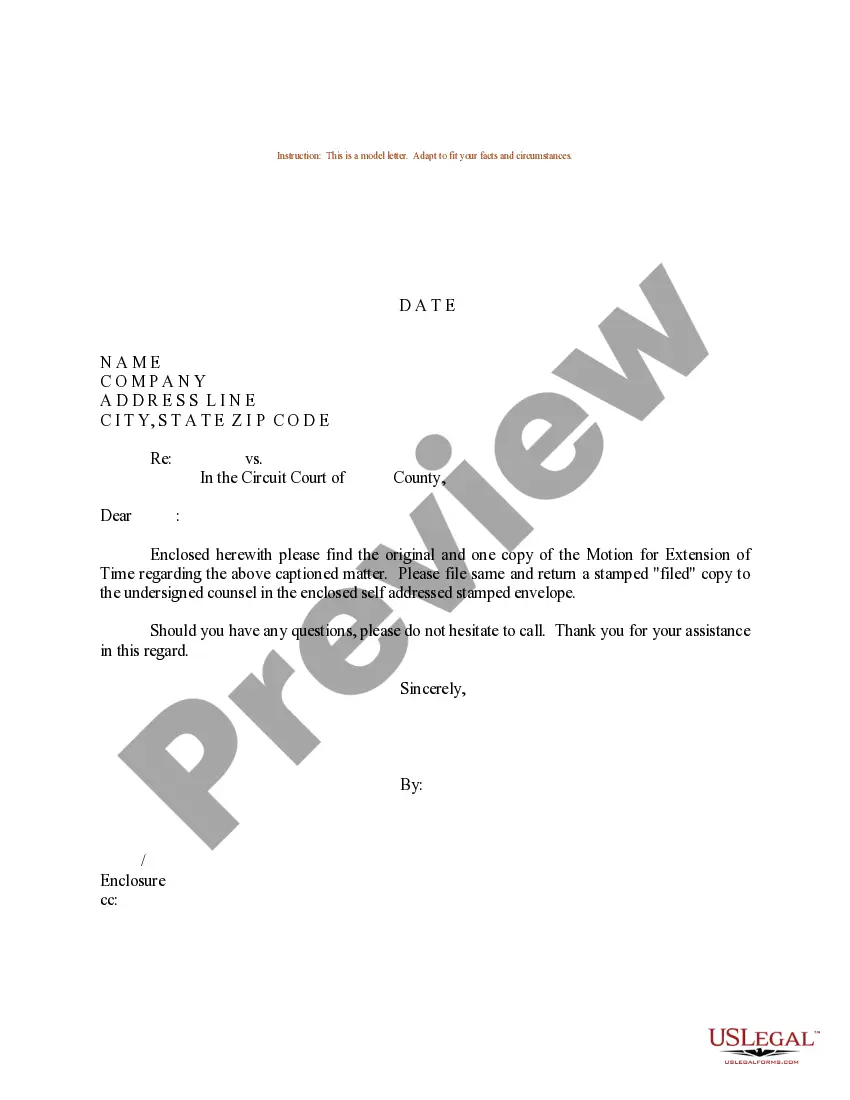
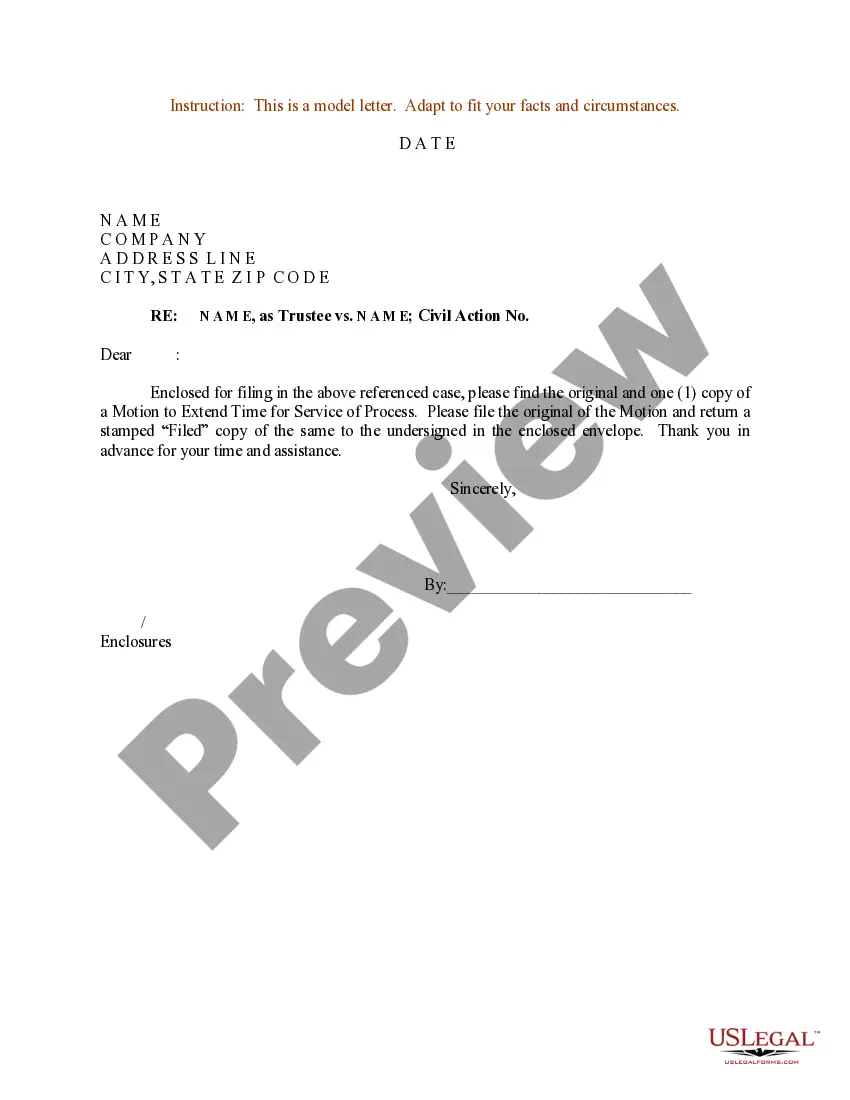
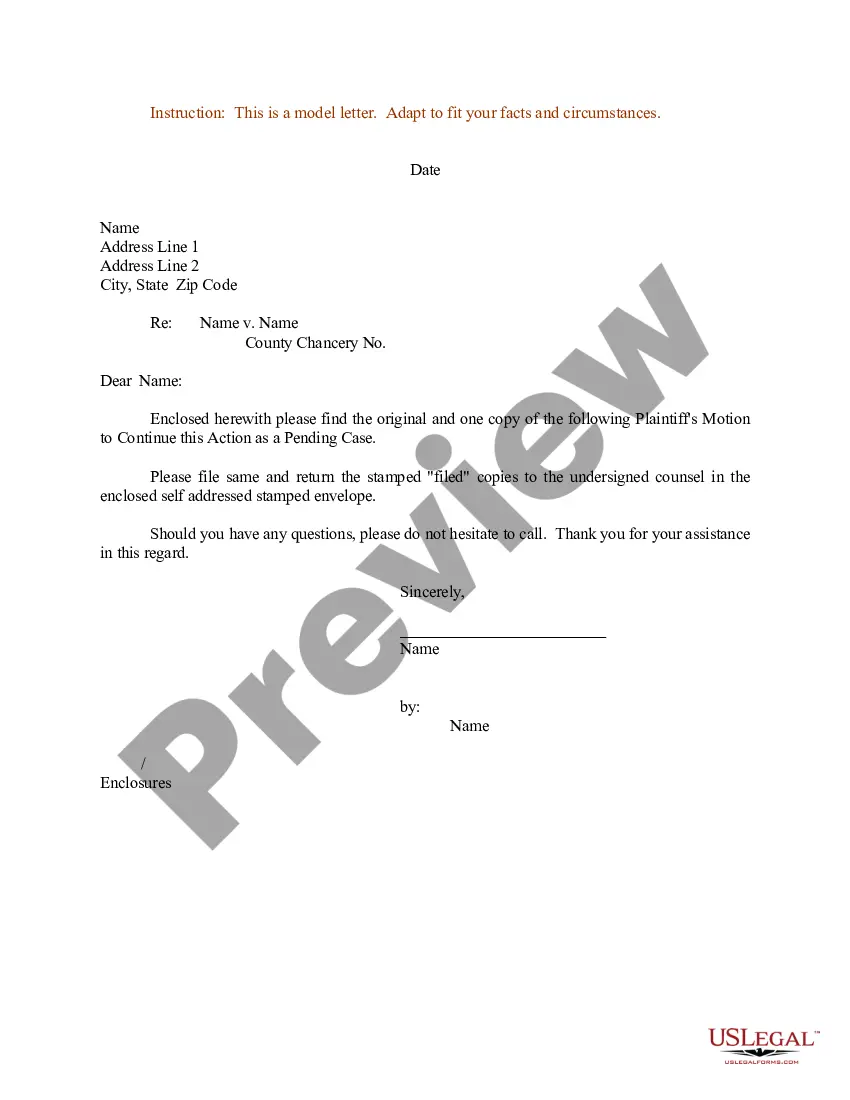
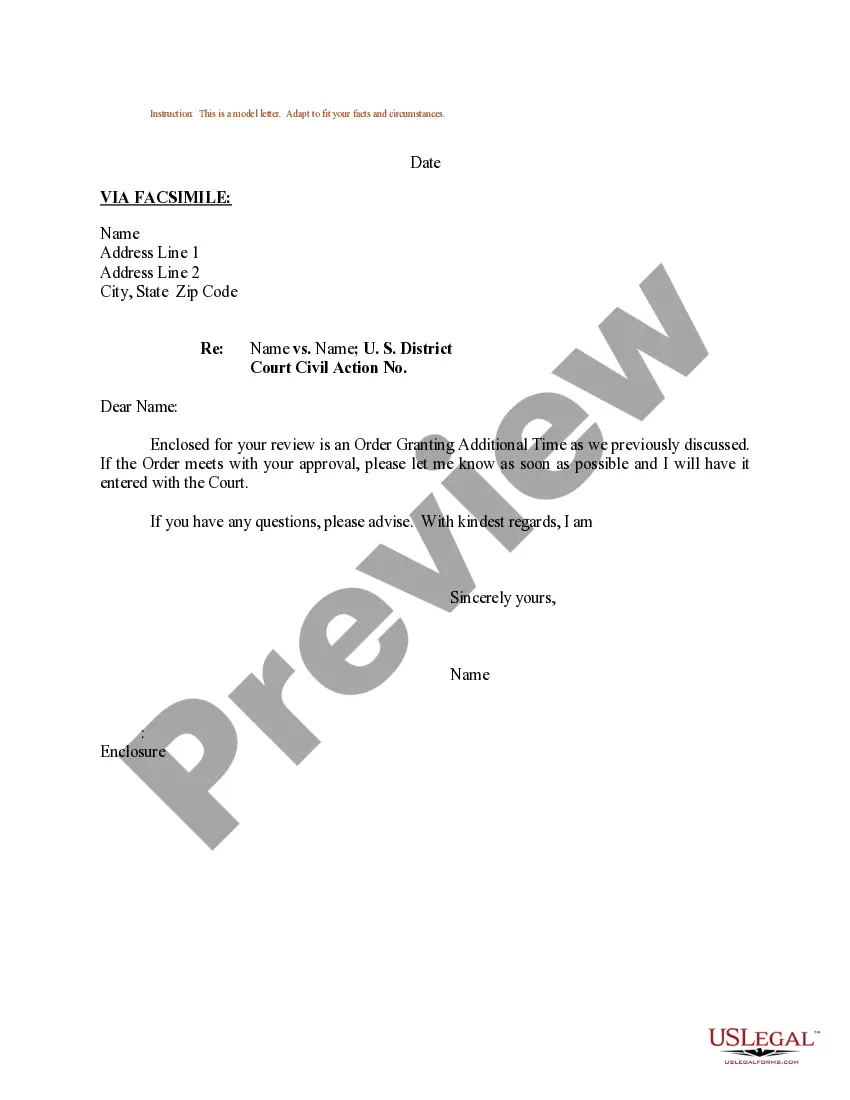
Get your form ready online
Our built-in tools help you complete, sign, share, and store your documents in one place.
Make edits, fill in missing information, and update formatting in US Legal Forms—just like you would in MS Word.
Download a copy, print it, send it by email, or mail it via USPS—whatever works best for your next step.
Sign and collect signatures with our SignNow integration. Send to multiple recipients, set reminders, and more. Go Premium to unlock E-Sign.
If this form requires notarization, complete it online through a secure video call—no need to meet a notary in person or wait for an appointment.
We protect your documents and personal data by following strict security and privacy standards.

Make edits, fill in missing information, and update formatting in US Legal Forms—just like you would in MS Word.

Download a copy, print it, send it by email, or mail it via USPS—whatever works best for your next step.

Sign and collect signatures with our SignNow integration. Send to multiple recipients, set reminders, and more. Go Premium to unlock E-Sign.

If this form requires notarization, complete it online through a secure video call—no need to meet a notary in person or wait for an appointment.

We protect your documents and personal data by following strict security and privacy standards.
Looking for another form?







Form popularity
FAQ
Unless you are personally known to the Sovereign, any letter to The King or Queen should be addressed to 'The Private Secretary to His Majesty The King'. There is no need to address the private secretary by name, but if there is subsequent correspondence this should be addressed to the actual writer of the reply.
In Writing Envelope: The Private Secretary to The King (for example). For those who do wish to write directly to The King, the letter should begin 'Sir' or 'May it please Your Majesty'. It ends with 'I have the honour to remain, Sir, Your Majesty's most humble and obedient subject' and then your name.
First Paragraph—state the purpose of the letter in a direct manner. E.g. “I am writing to…” Second Paragraph—Fill in and explain the necessary background information, leaving out anything that is unnecessary. Stick to the facts. Third Paragraph—Give your call to action.
Other people prefer simply to shake hands in the usual way. On presentation to The King or Queen, the correct formal address is 'Your Majesty' and subsequently 'Sir' or 'Ma'am,' pronounced with a short 'a,' as in 'jam'.
As a constitutional Monarch, His Majesty does not intervene in any political or personal disputes, and letters asking him to do so will receive a standard reply to this effect. For security reasons, the Correspondence Team are unable to accept any unsolicited gifts which are sent to The King.
Welcome to the Purdue OWL Sender's Address. The sender's address usually is included in letterhead. Date. The date line is used to indicate the date the letter was written. Inside Address. The inside address is the recipient's address. Salutation. Body. Closing. Enclosures. Typist initials.
How to write an official letter Set up your font and margins. Create your heading. Write your salutation. Use your body paragraphs to state your reasons for writing. Add your closing body paragraph and signature. Mention and add your enclosures. Proofread and send your letter.

