Best Cover Letter For In Franklin
Description



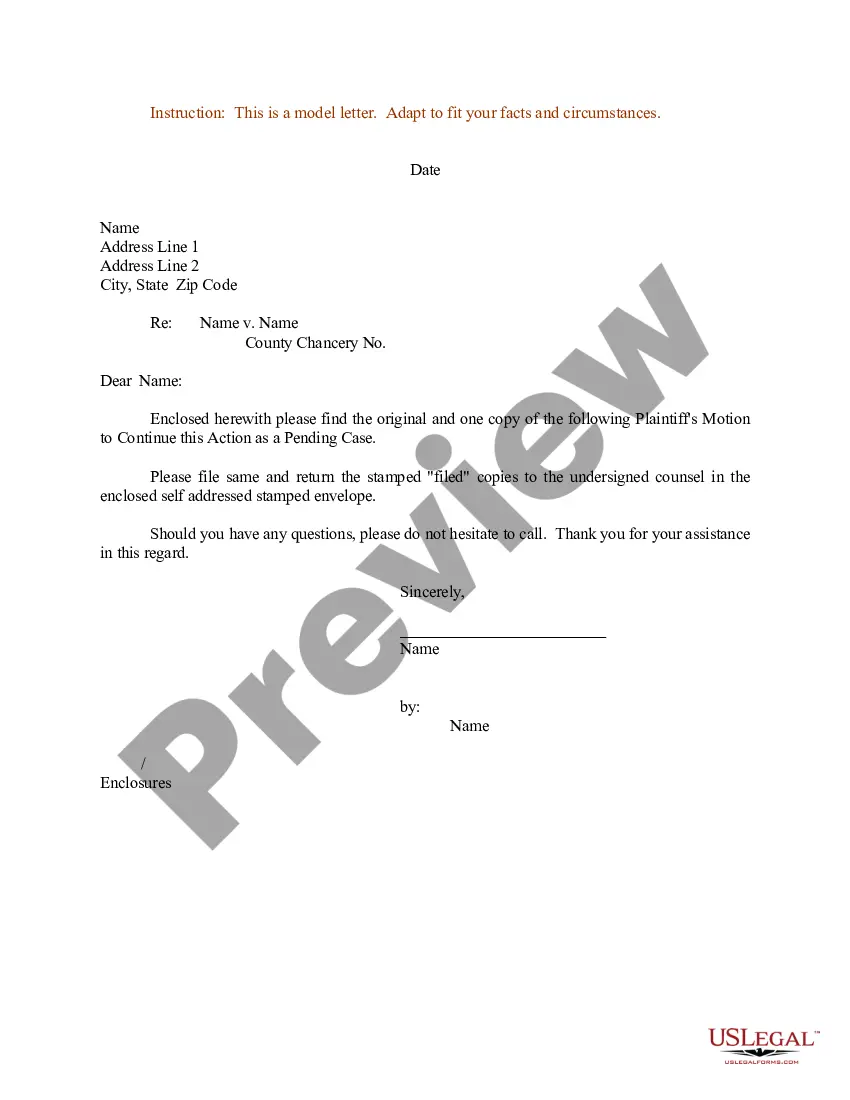
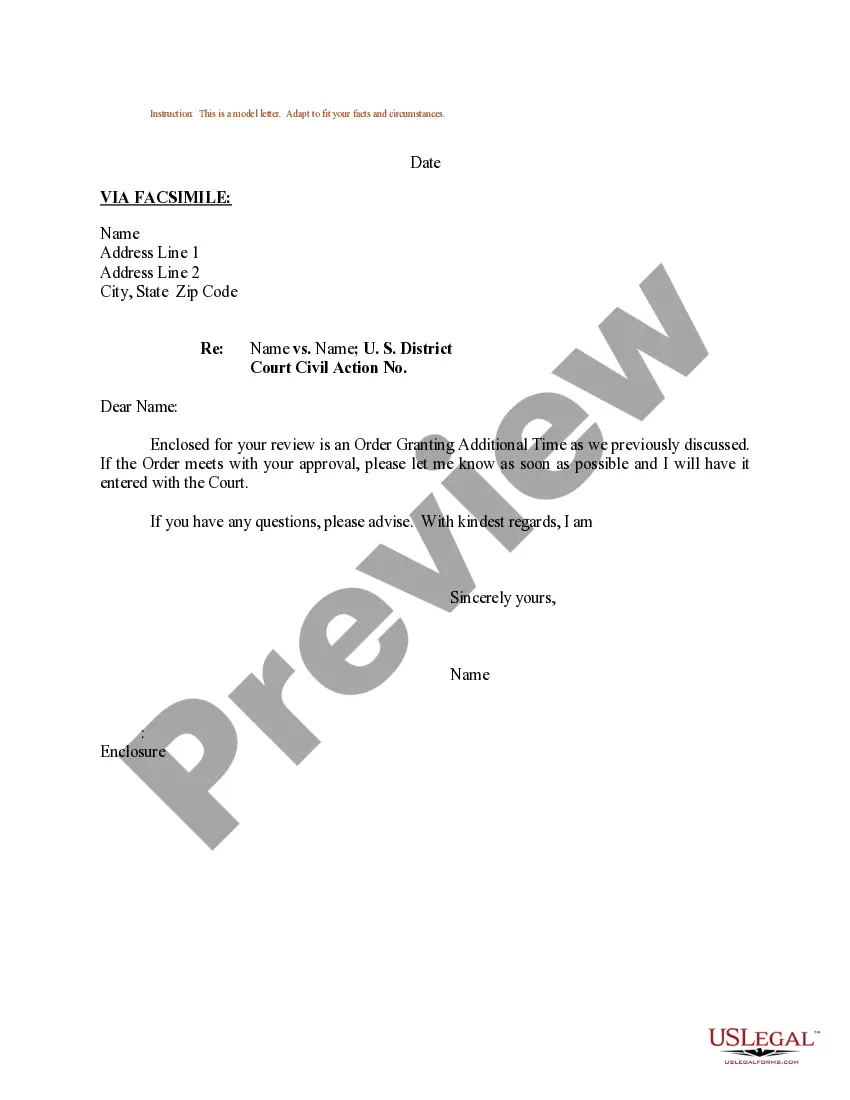
Get your form ready online
Our built-in tools help you complete, sign, share, and store your documents in one place.
Make edits, fill in missing information, and update formatting in US Legal Forms—just like you would in MS Word.
Download a copy, print it, send it by email, or mail it via USPS—whatever works best for your next step.
Sign and collect signatures with our SignNow integration. Send to multiple recipients, set reminders, and more. Go Premium to unlock E-Sign.
If this form requires notarization, complete it online through a secure video call—no need to meet a notary in person or wait for an appointment.
We protect your documents and personal data by following strict security and privacy standards.

Make edits, fill in missing information, and update formatting in US Legal Forms—just like you would in MS Word.

Download a copy, print it, send it by email, or mail it via USPS—whatever works best for your next step.

Sign and collect signatures with our SignNow integration. Send to multiple recipients, set reminders, and more. Go Premium to unlock E-Sign.

If this form requires notarization, complete it online through a secure video call—no need to meet a notary in person or wait for an appointment.

We protect your documents and personal data by following strict security and privacy standards.
Looking for another form?




Form popularity
FAQ
Email cover letters can generally be sent in one of two ways: as an email attachment or as the body of your email. Before sending your cover letter, check the company's job application guidelines. Some companies prefer attachments, while others prefer them to be in the body of your email message.
Here are five guidelines to keep in mind when writing a cover letter: Customize your header based on your application format. Use an appropriate greeting. Avoid generic references to your abilities. Keep it brief. Proofread before you submit.
Notably, sending your cover letter as a PDF has some widely accepted pros over using the Word document format: PDFs are thought to look more professional. PDFs won't present font or formatting issues.
Using your full name and the job title, separated by dashes or underscores, makes your cover letter file immediately identifiable to the hiring manager, who may receive hundreds of applications.
An excellent cover letter uses business letter formatting with: your name and contact information at the top. the hiring manager's name and company contact details. a salutation addressing the hiring manager by name. 3–4 paragraphs and a bulleted list. a polite sign-off (like “Sincerely,”) and your name.
PDF format is the most professional format for CVs and resumes. Make sure you send them in PDF format and maintain copies of it in other formats like docx etc.
Consider your file format DOCX is fine for simple cover letter layouts, but if you're using a more complex template you should save it as a PDF. PDFs can't be easily modified by others and look consistent across all devices, so you don't have to worry about what it might look like on the hiring manager's screen.

