Best Cover Letter For Cv In Chicago
Description



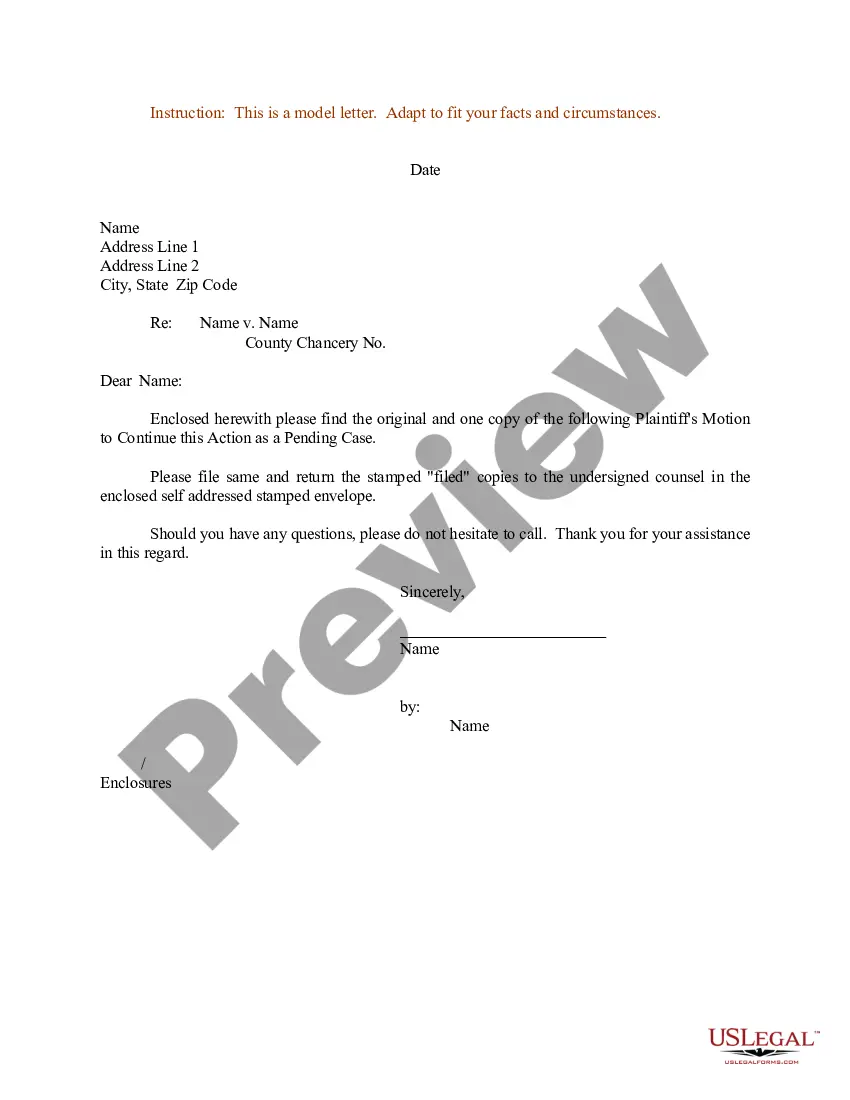
Get your form ready online
Our built-in tools help you complete, sign, share, and store your documents in one place.
Make edits, fill in missing information, and update formatting in US Legal Forms—just like you would in MS Word.
Download a copy, print it, send it by email, or mail it via USPS—whatever works best for your next step.
Sign and collect signatures with our SignNow integration. Send to multiple recipients, set reminders, and more. Go Premium to unlock E-Sign.
If this form requires notarization, complete it online through a secure video call—no need to meet a notary in person or wait for an appointment.
We protect your documents and personal data by following strict security and privacy standards.

Make edits, fill in missing information, and update formatting in US Legal Forms—just like you would in MS Word.

Download a copy, print it, send it by email, or mail it via USPS—whatever works best for your next step.

Sign and collect signatures with our SignNow integration. Send to multiple recipients, set reminders, and more. Go Premium to unlock E-Sign.

If this form requires notarization, complete it online through a secure video call—no need to meet a notary in person or wait for an appointment.

We protect your documents and personal data by following strict security and privacy standards.
Looking for another form?







Form popularity
FAQ
Email cover letters can generally be sent in one of two ways: as an email attachment or as the body of your email. Before sending your cover letter, check the company's job application guidelines. Some companies prefer attachments, while others prefer them to be in the body of your email message.
Short answer: yes, you should submit a cover letter alongside your resume. Here's why: Most job openings require you to submit a cover letter. Recruiters might not have the time to read ALL the cover letters they receive, but they will definitely read cover letters if they're on the fence for a candidate.
It's important to try to address your cover letter to someone by name. Check you have the details of the person you need to send it to. You'll need their name and preferred title. For example, 'Dr', 'Mr', 'Mrs', 'Ms', and their job title.
Greet the recipient by name in the email and inform them who you are and why you're sending them your CV. Close the email politely and give your full name. Use the 'attach' button in your email's interface to select and upload your CV document and cover letter. Check everything is in order before sending.
Follow these steps to combine your resume and cover letter into a single file: Determine which document to add first. Revise and review both documents. Open a new document. Insert each document into the new file. Create a page break. Confirm in an email.
A cover letter usually is three paragraphs long and outlines why you are applying for a specific position, a brief overview of your professional background and what makes you uniquely qualified for the job.
Write an Amazing Cover Letter: 3 Golden Rules Hook the hiring manager. The first paragraph of your cover letter is extremely important. Start by writing about the company. 3.It is not just about your professional experience. Conclusion.
Elements of a Cover Letter FIRST PARAGRAPH OR INTRODUCTION: ACTS AS BASIS OR PURPOSE OF THE LETTER. SECOND PARAGRAPH OR BODY: SUPPORTS YOUR CLAIMS FOR BEING THE RIGHT CANDIDATE FOR THIS POSITION/ORGANIZATION. THIRD PARAGRAPH OR CLOSING: REITERATES YOUR INTEREST IN THE POSITION/ORGANIZATION.
Emphasize your skills and experience. Kick off your cover letter with a strong introduction that highlights your most relevant skills and experiences. Clearly articulate how these qualifications make you an excellent fit for the role, setting the stage for a compelling case.
Writing a Stand-Out Cover Letter Start fresh for each position you're applying to. Address your letter to a real person. Adopt a positive mindset. Grab attention with your opening line. Explain why you're the best candidate. Show them why you want THIS job. Finish strong. Sit on it.

