Exchange Agreement With In New York
Description

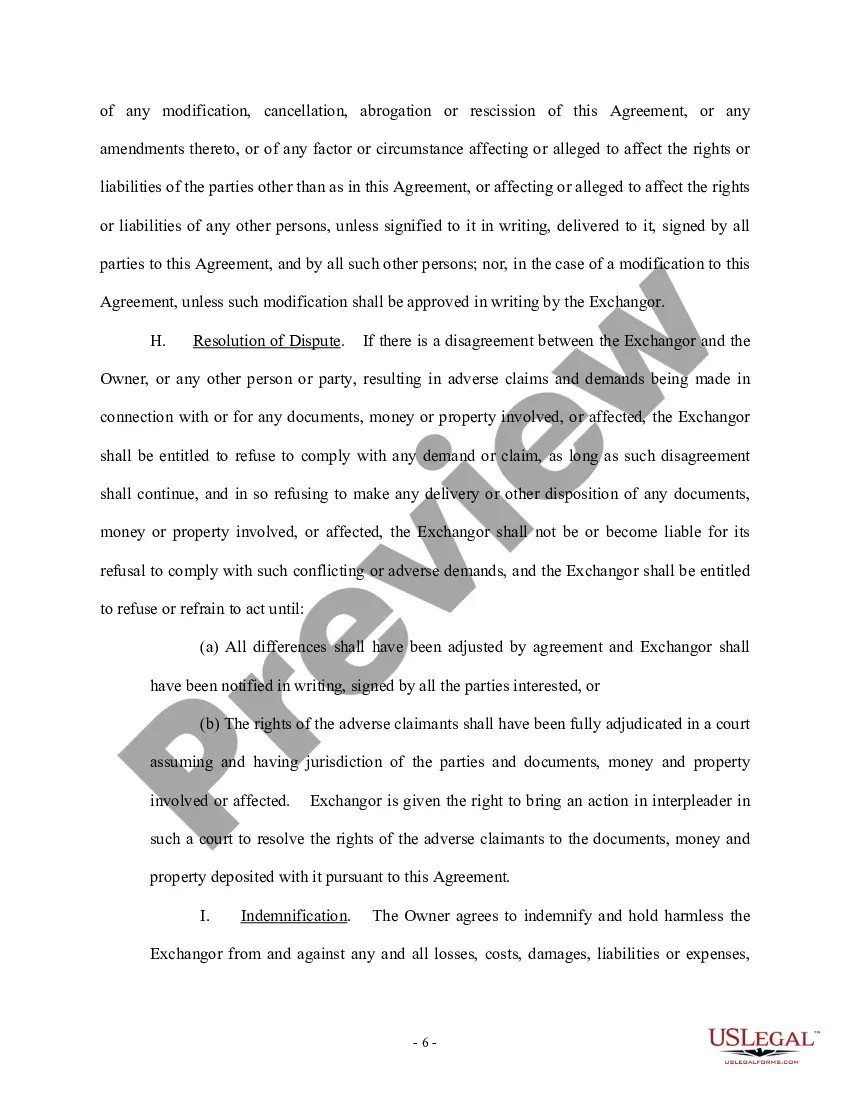
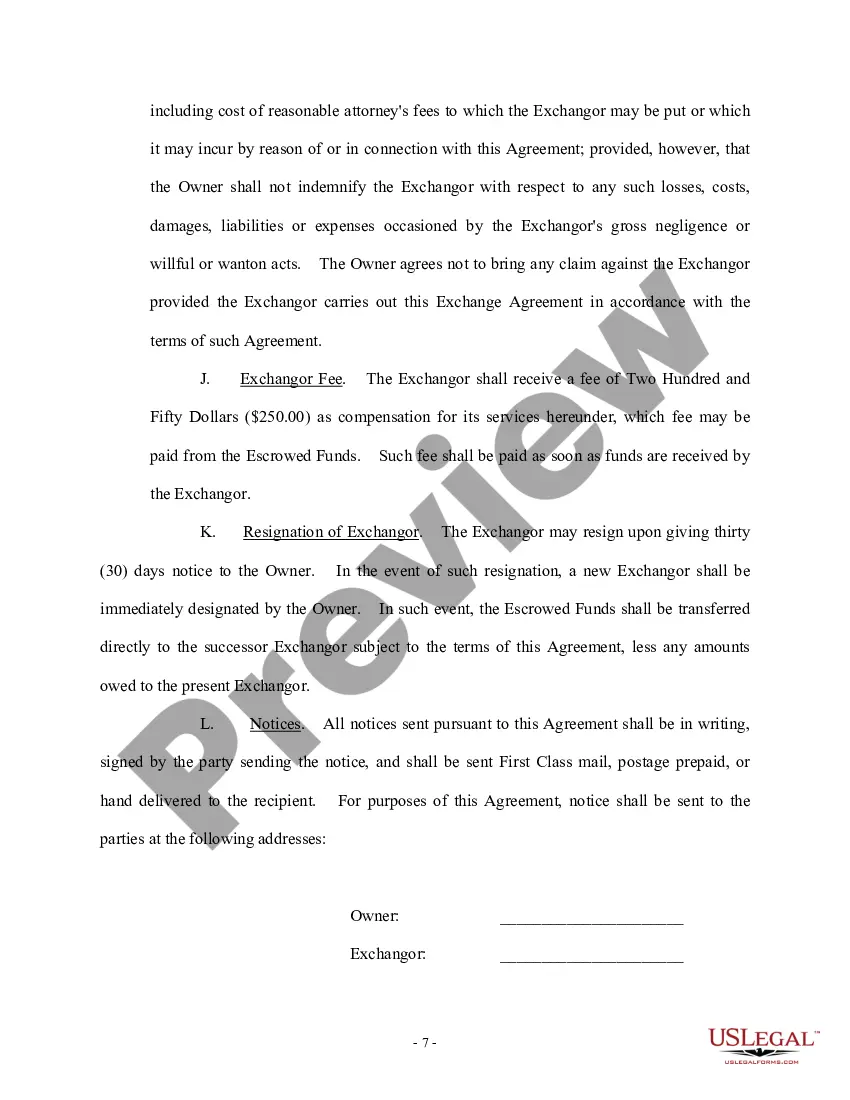
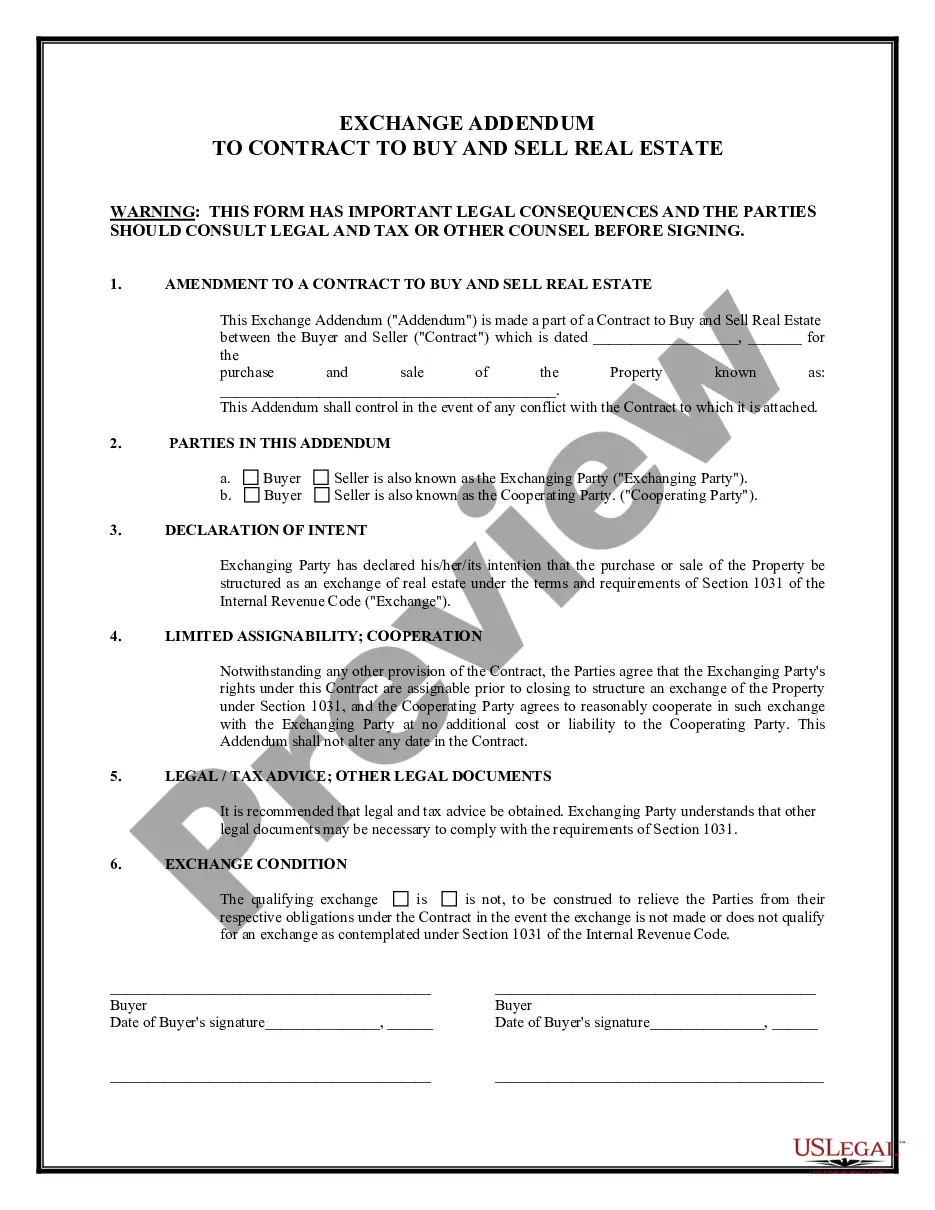
Get your form ready online
Our built-in tools help you complete, sign, share, and store your documents in one place.
Make edits, fill in missing information, and update formatting in US Legal Forms—just like you would in MS Word.
Download a copy, print it, send it by email, or mail it via USPS—whatever works best for your next step.
Sign and collect signatures with our SignNow integration. Send to multiple recipients, set reminders, and more. Go Premium to unlock E-Sign.
If this form requires notarization, complete it online through a secure video call—no need to meet a notary in person or wait for an appointment.
We protect your documents and personal data by following strict security and privacy standards.

Make edits, fill in missing information, and update formatting in US Legal Forms—just like you would in MS Word.

Download a copy, print it, send it by email, or mail it via USPS—whatever works best for your next step.

Sign and collect signatures with our SignNow integration. Send to multiple recipients, set reminders, and more. Go Premium to unlock E-Sign.

If this form requires notarization, complete it online through a secure video call—no need to meet a notary in person or wait for an appointment.

We protect your documents and personal data by following strict security and privacy standards.
Looking for another form?








Form popularity
FAQ
The label of "agreement to agree" is often understood as the death knell of a contract claim. Often—but not always. Under New York law, a preliminary agreement that omits material terms can still impose an obligation to negotiate in good faith toward a complete agreement.
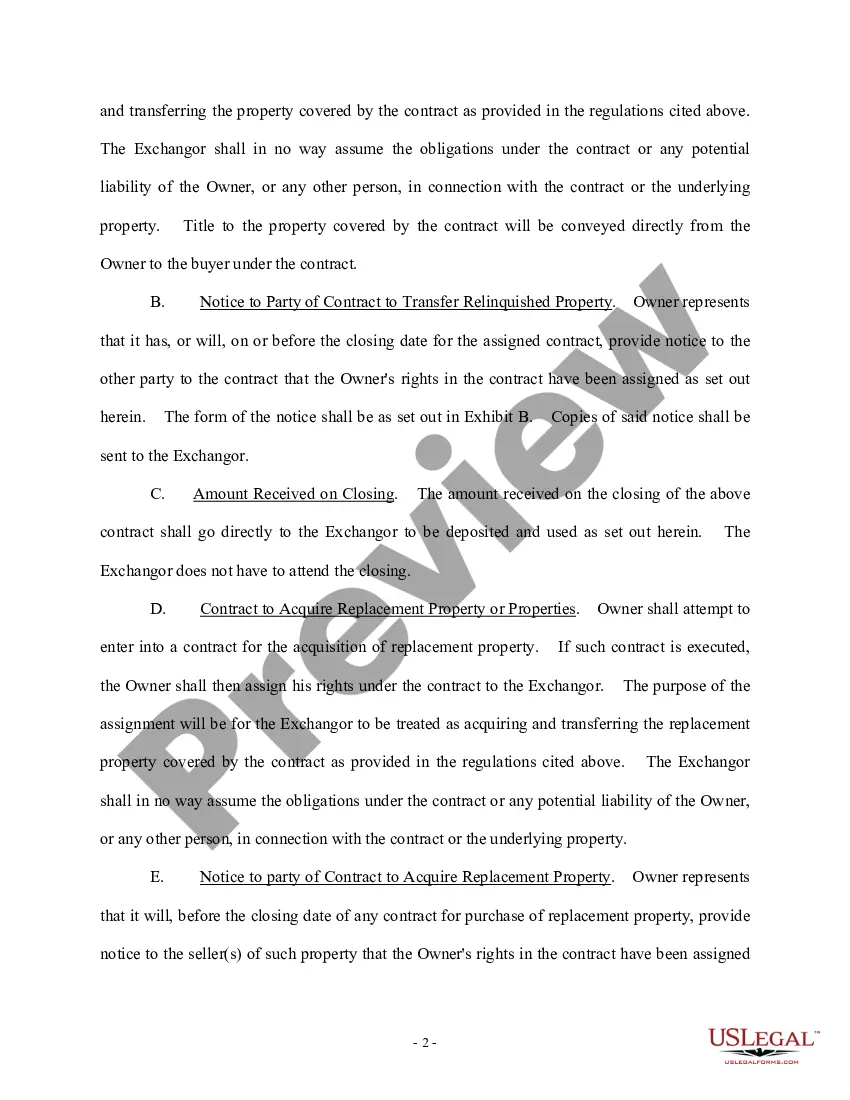
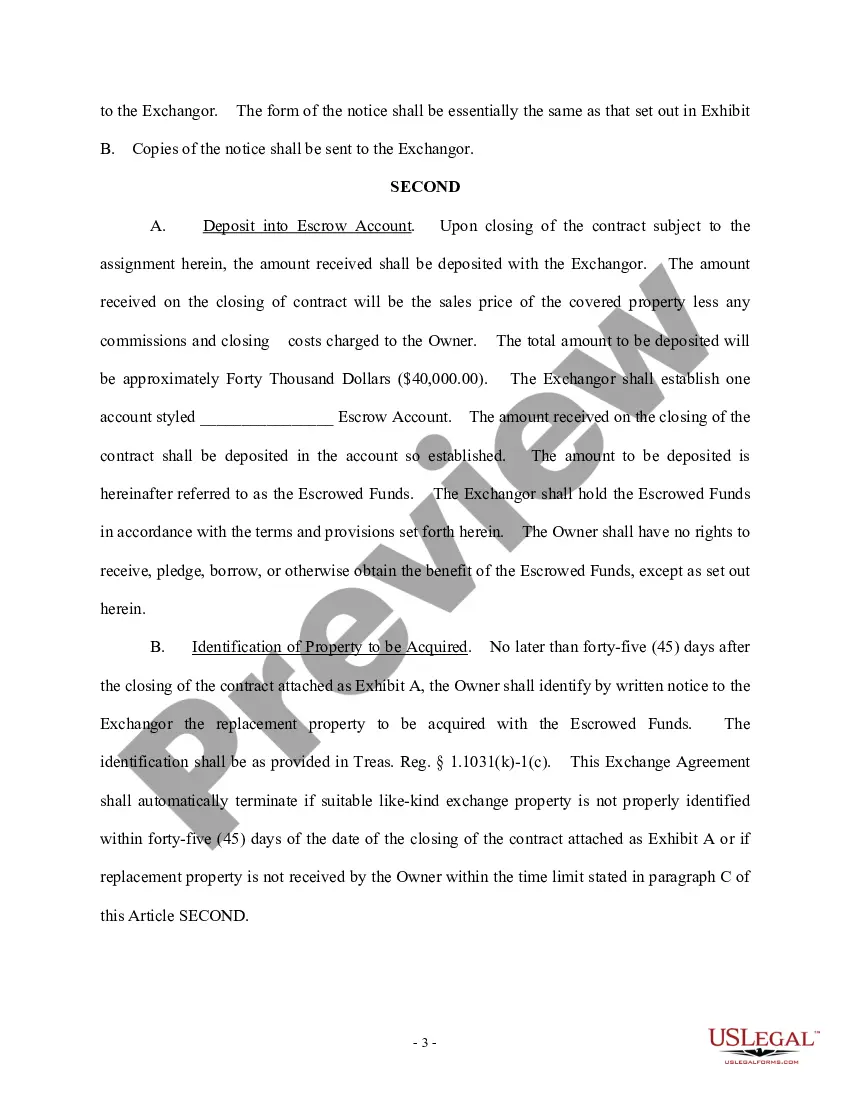
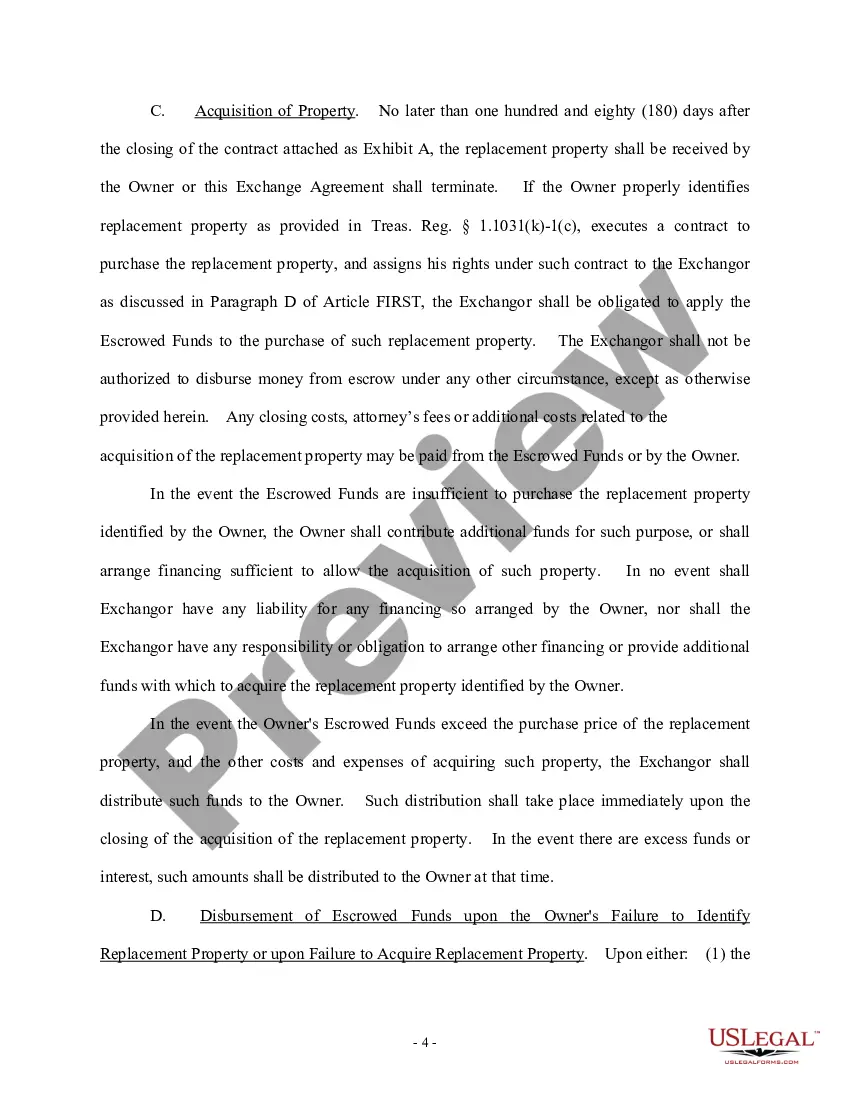
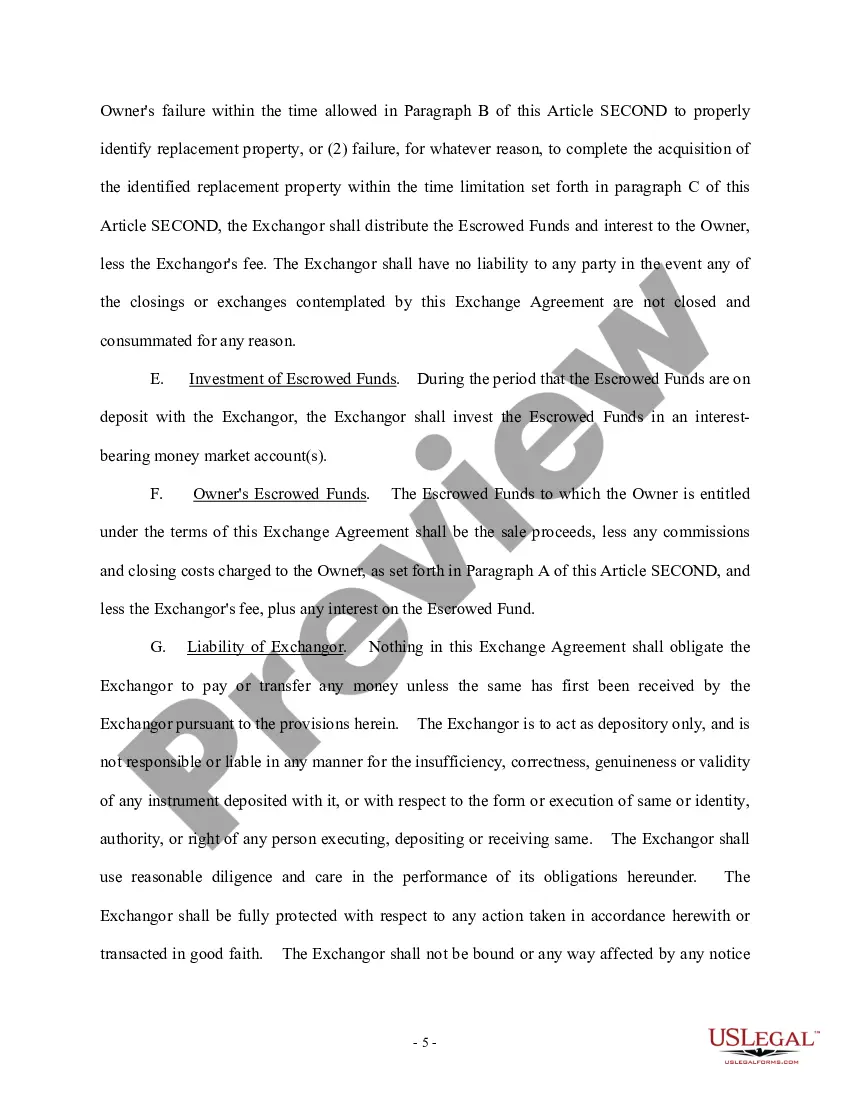
A 1031 exchange agreement is a tax deferral strategy that allows individuals or businesses to sell an investment property and reinvest the proceeds into a like-kind property, without incurring immediate capital gains taxes.
When you buy a home, the exchange of contracts is when both parties swap and sign the contracts. It's a crucial stage that will be done by your conveyancer.
Types of agreements under Indian Contract Act, 1872 Valid agreement. Section 11 of the Indian Contract Act, 1872. Void agreement. Section 24 of the Indian Contract Act, 1872. Wagering Agreements. Contingent Agreement. Voidable agreement. Express and implied agreements. Illegal Agreements.
The Statute of Frauds can be satisfied by any signed writing that (1) reasonably identifies the subject matter of the contract, (2) is sufficient to indicate that a contract exists, and (3) states with reasonable certainty the material terms of the contract.
The Statute of Frauds, codified in Section 5-701 of the New York General Obligations Law mandates that certain types of contracts be in writing to be enforceable, including agreements that cannot be fully performed within one year from the date of formation.
General Obligations Law § 5-701, colloquially known as New York's Statute of Frauds, requires that certain types of agreements be reduced to writing in order "to prevent fraud in the proving of certain legal transactions particularly susceptible to deception, mistake and perjury" (D & N Boening, 63 NY2d at 453).
The Statute of Frauds, codified in Section 5-701 of the New York General Obligations Law mandates that certain types of contracts be in writing to be enforceable, including agreements that cannot be fully performed within one year from the date of formation.
A statute of frauds is a form of statute requiring that certain kinds of contracts be memorialized in writing, signed by the party against whom they are to be enforced, with sufficient content to evidence the contract.
